
 Čeština
 Deutsch


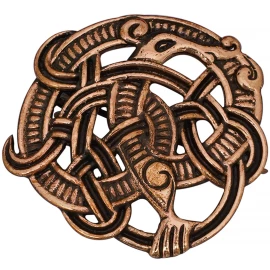
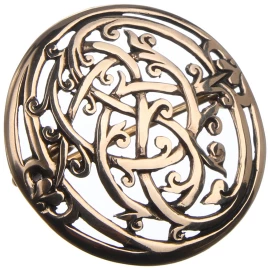
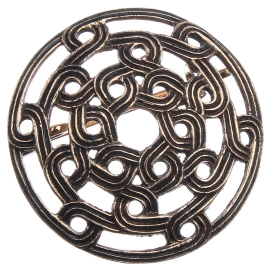
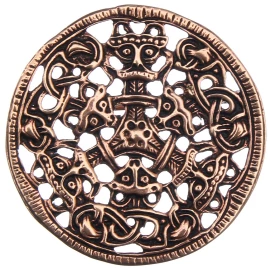
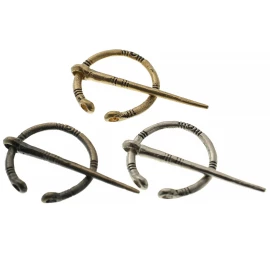
6th Century Lombardic Bow Fibula, Solid Bronze - Outlet
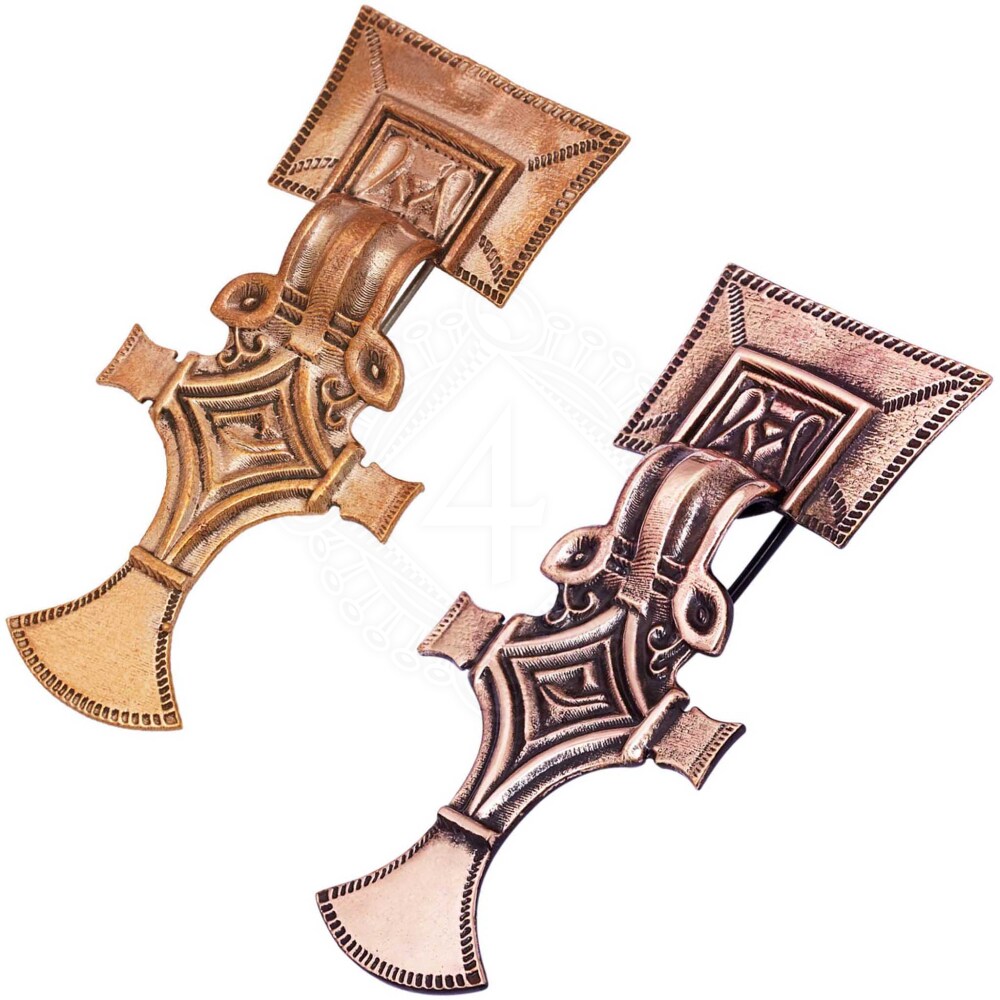
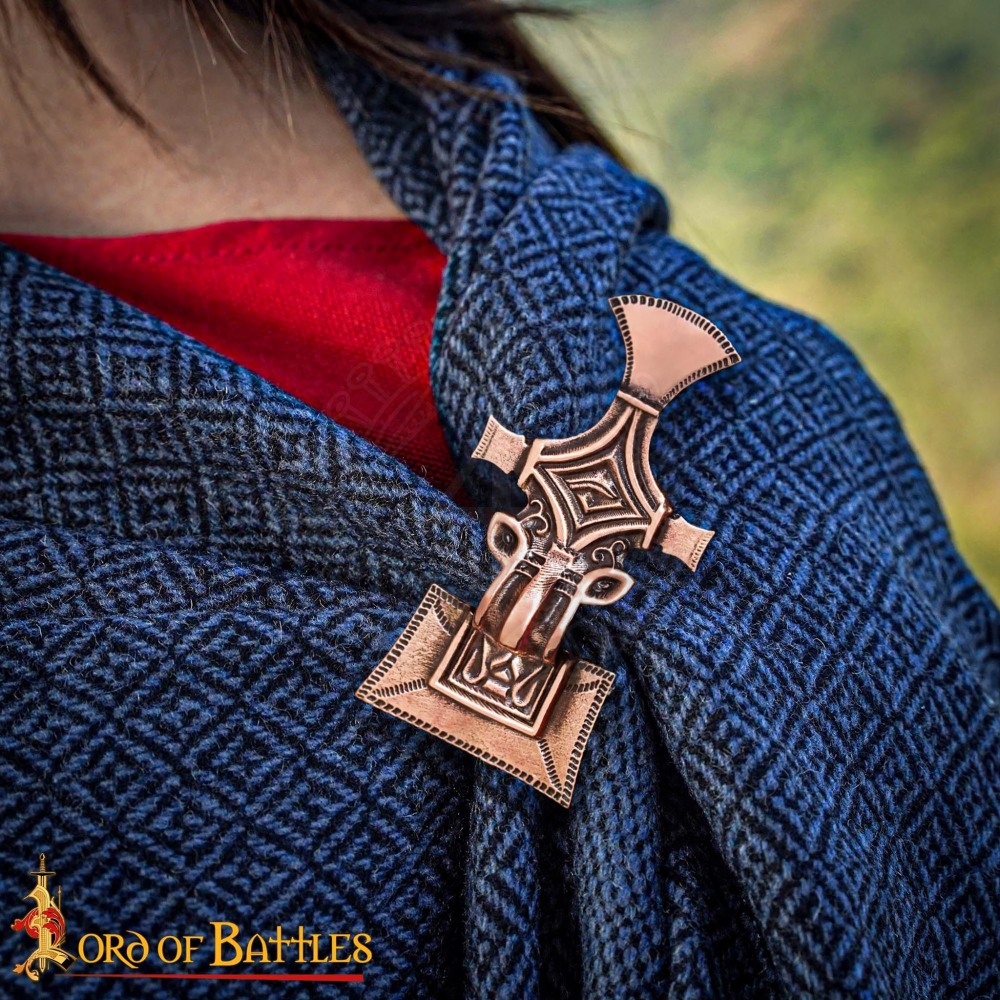
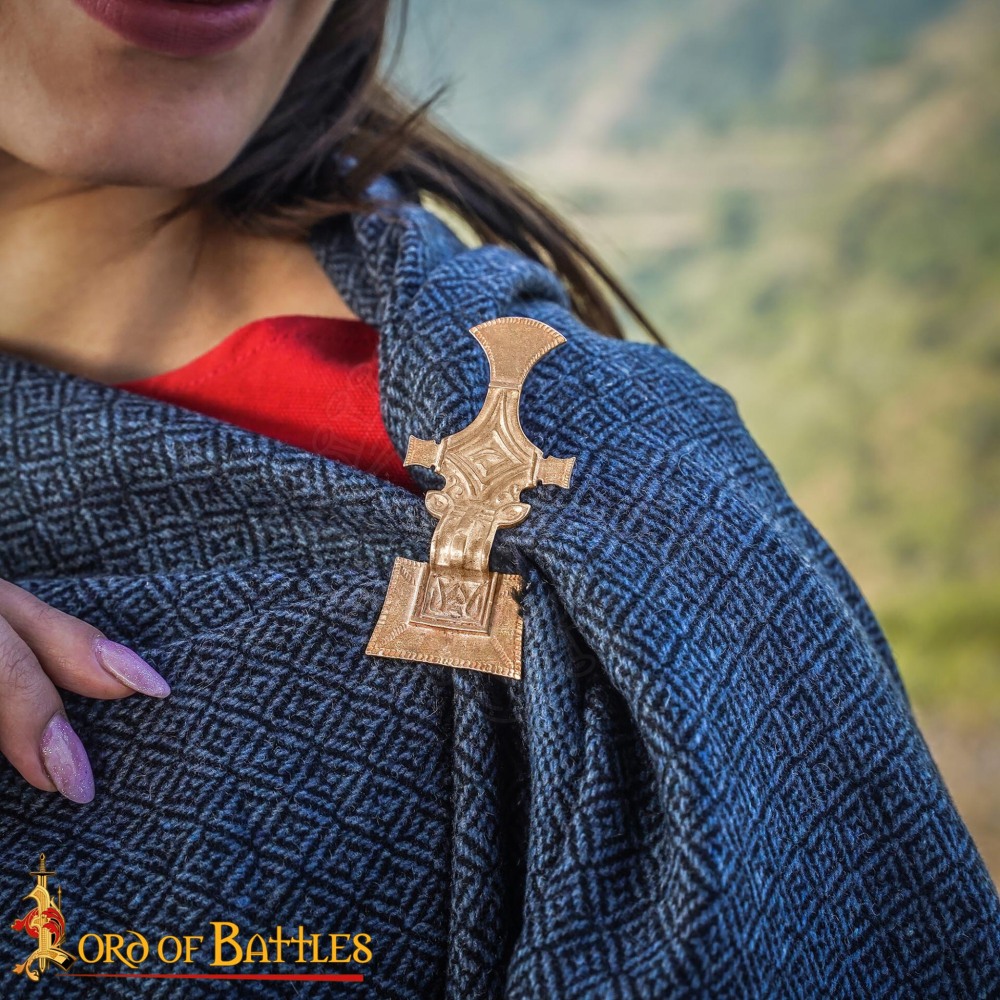
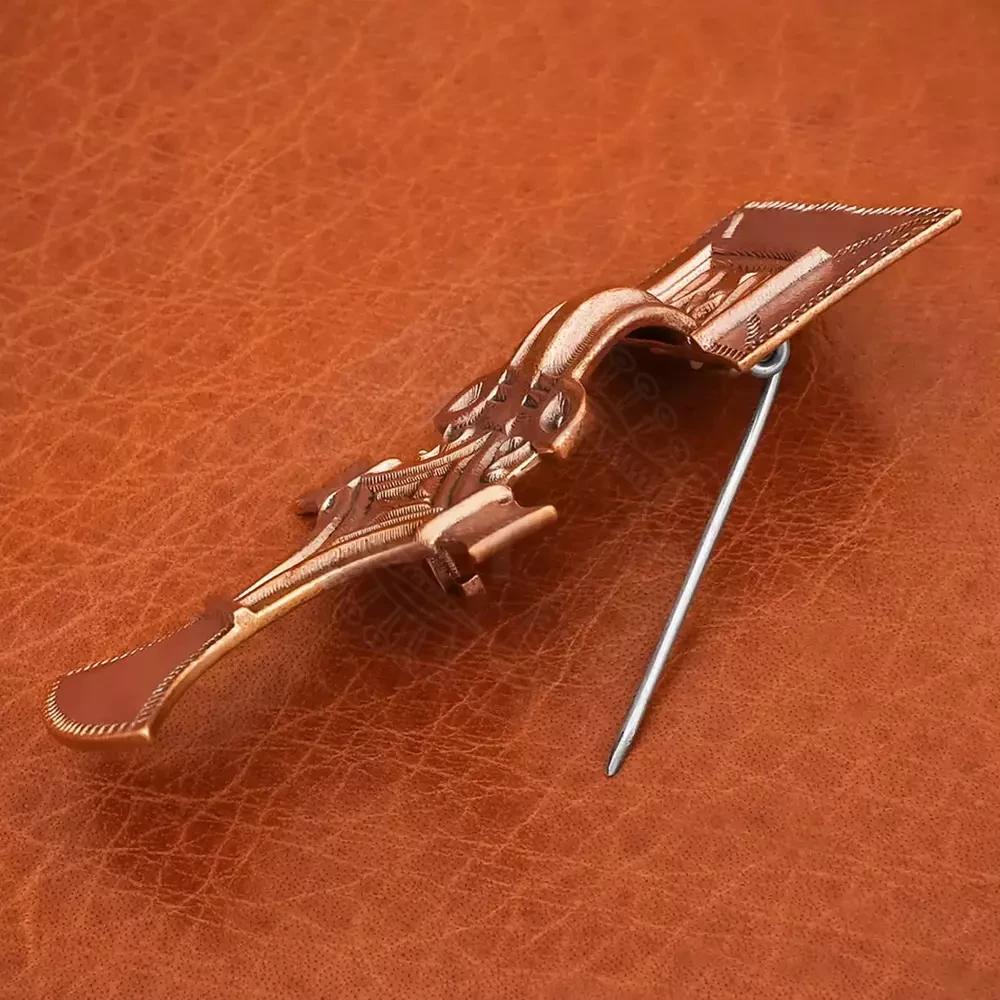
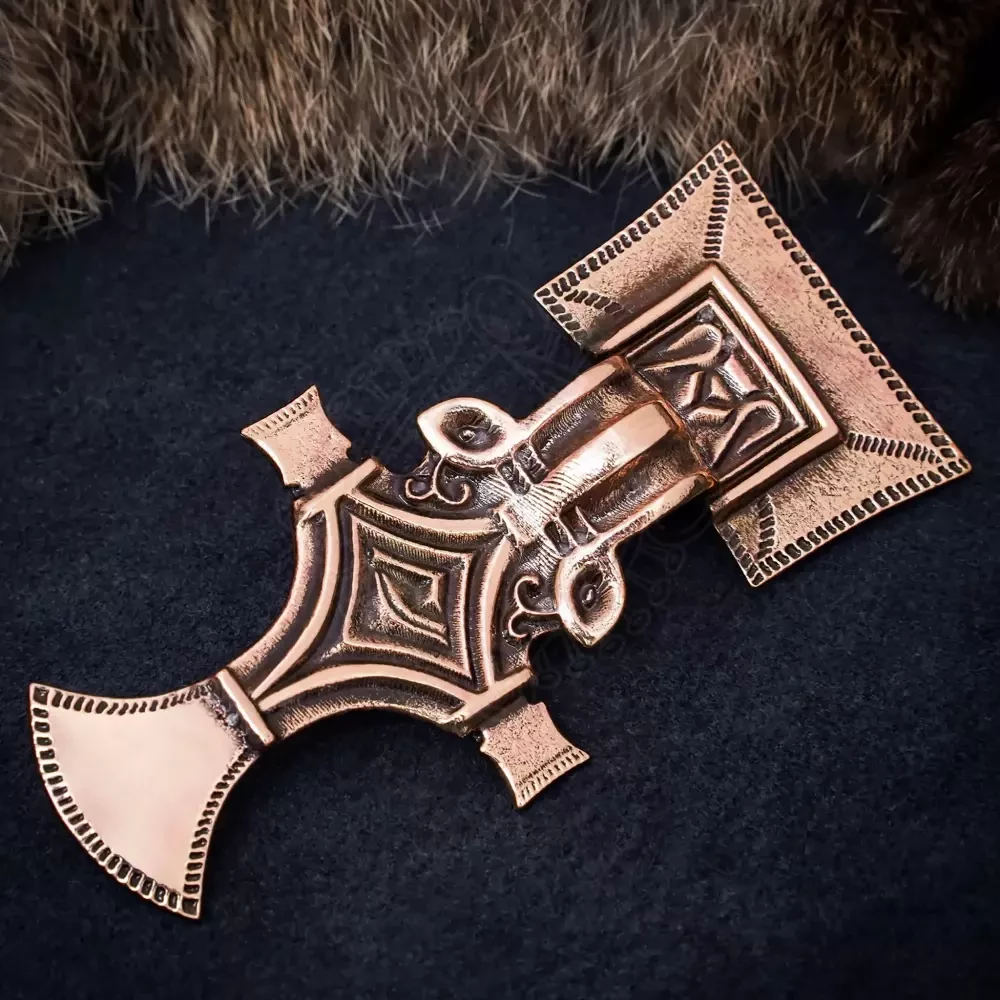
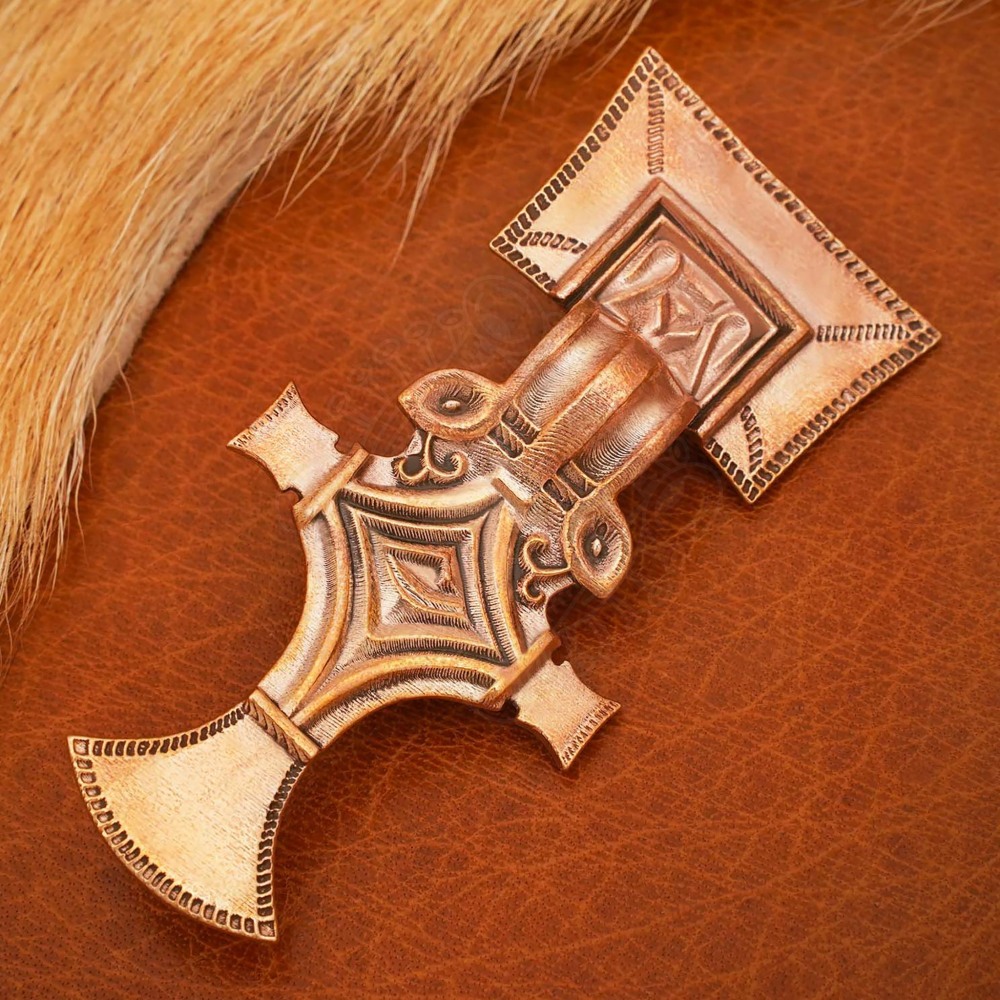

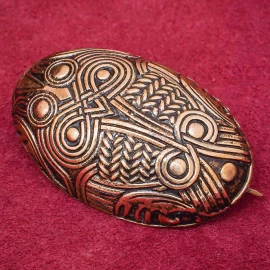
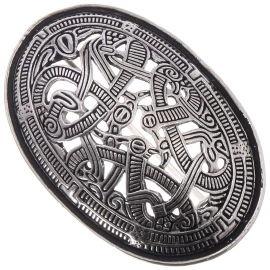
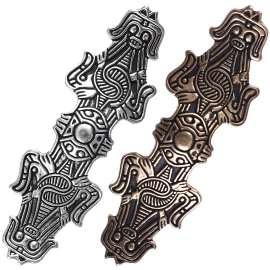
Complete your Early Medieval costume with a truly authentic and eye-catching piece of jewellery! This stunning Lombardic bow fibula is a faithful replica of a historical find from the 6th century, the turbulent Migration Period. It is crafted from solid bronze using the lost-wax casting method, which lends it authenticity and intricate detail. In the past, these brooches were not mere ornaments but an indispensable part of clothing, used to fasten cloaks and shawls. They were also a symbol of the wearer's social status, wealth, and tribal affiliation. The precisely crafted geometric patterns are a typical feature of Germanic art from this era. Whether you are into re-enactment, LARP, or simply an admirer of history, this bronze brooch will become the pride of your collection. Further product information ...

 Delivery options
The following variants are currently available:
6th Century Lombardic Bow Fibula, Solid Bronze
A Jewel with a Story: The Legacy of the Germanic Tribes
This bow brooch, also known as a fibula, is inspired by original archaeological finds associated with the Germanic tribe of the Lombards. They played a key role during the Migration Period and left a significant mark on the material culture of Europe, particularly in Pannonia and northern Italy. Angular, robust shapes and pronounced ornamentation are characteristic features of Lombardic brooches from the Early Middle Ages. These were not just functional items but works of art that reflected the identity, craftsmanship, and social standing of their owner. Our replica is made using the traditional lost-wax casting (cire perdue) method, just as the master craftsmen of the time would have done. This ensures every detail is accurately reproduced.
A Practical and Stylish Accessory for Your Garb
The primary function of a fibula was to fasten a garment, most commonly a heavy woollen cloak at the shoulder. It is very simple to use:
- Prepare the cloak or mantle you wish to fasten.
- Carefully pierce both layers of fabric at the desired point (usually the shoulder) with the sturdy pin on the back of the brooch.
- Ensure the pin holds the fabric securely and the brooch sits stably.
This type of brooch is ideal for Early Medieval costumes, whether you are portraying Germanic peoples, Lombards, Franks, or other tribes. It is a fantastic accessory for re-enactment, LARP, theatrical performances, or as a unique piece for your historical collection.
| Specifications | |
|---|---|
| Overall Size: | approx. 7.5 cm × 3.5 cm (3 in × 1.4 in) |
| Weight: | approx. 35–40 g (1.2–1.4 oz) |
| Material: | Solid Bronze |
| Finish Options: | Polished Bronze / Antique Bronze |
| Production Method: | Lost-wax casting |
A Historical Curiosity: Fibulae as a Personal Calling Card
Did you know that in the Early Middle Ages, fibulae functioned as a sort of personal calling card? Based on the shape, size, and decoration of a brooch, archaeologists and historians can often determine not only the approximate age of the find but also the geographical origin and cultural affiliation of its wearer. Individual tribes and even regional workshops had their own specific styles. Lombardic fibulae differed from those of the Franks or Alamanni. By tracing the distribution of different fibula types, we can reconstruct migration routes, trade connections, and cultural influences in the restless Europe of the Migration Period.
Caring for Your Bronze Jewellery
To ensure this bronze brooch brings you joy for as long as possible, give it a little care:
- Wipe it with a soft, dry cloth after wearing to remove sweat and dirt.
- Protect the jewellery from prolonged contact with water, harsh chemicals, perfumes, and acidic substances.
- When not in use, store the brooch in a dry place, ideally in a fabric pouch or jewellery box.
- The polished bronze version can be occasionally polished with a metal polishing cloth to restore its shine.
- For the antique bronze version, allow the patina to develop naturally – it adds to its authenticity. Do not use abrasive cleaners that could damage the patina.
Please note: Avoid mechanical scratches and impacts that could damage the fine details of the brooch or bend the pin.
We are here for you!





.3773623034.1696456237.png.webp)

.3773623034.1696456268.png.webp)
.3773623034.1696456247.png.webp)