
 Čeština
 Deutsch


Late Roman Crossbow Fibula, Solid Bronze - Outlet
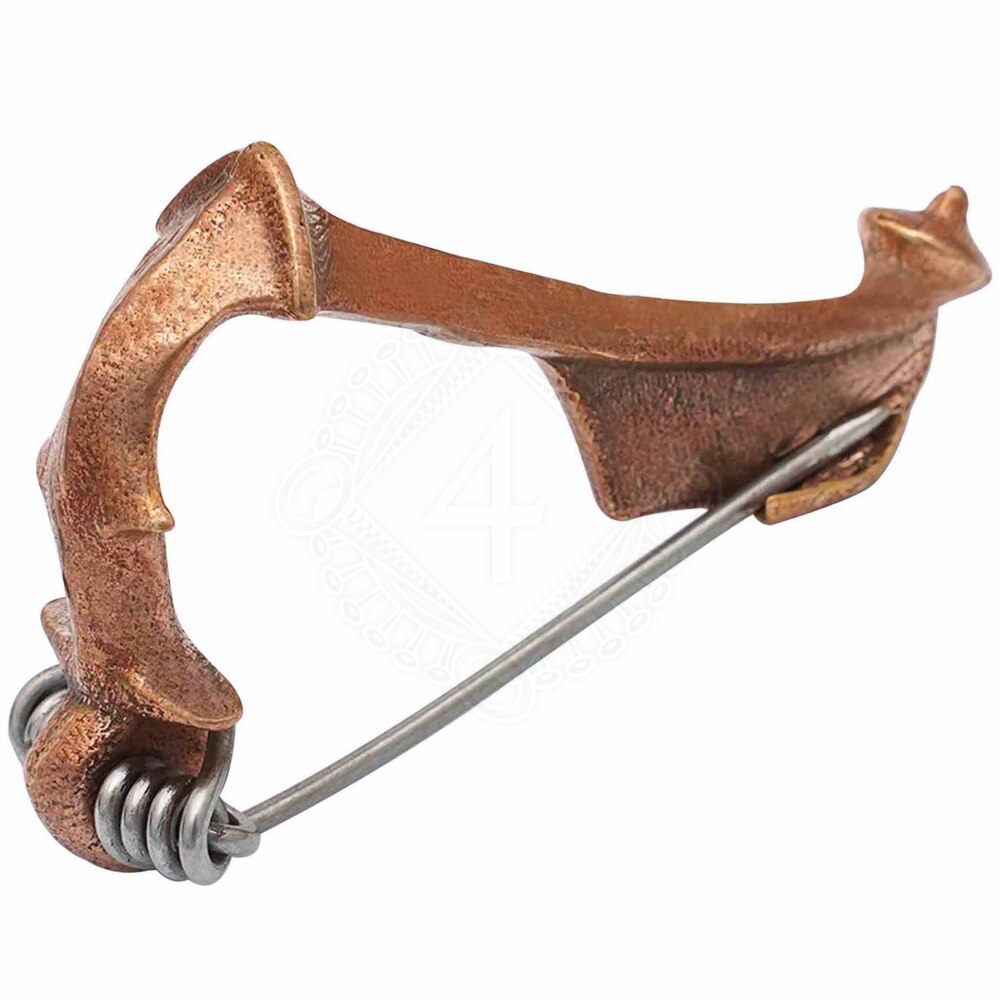
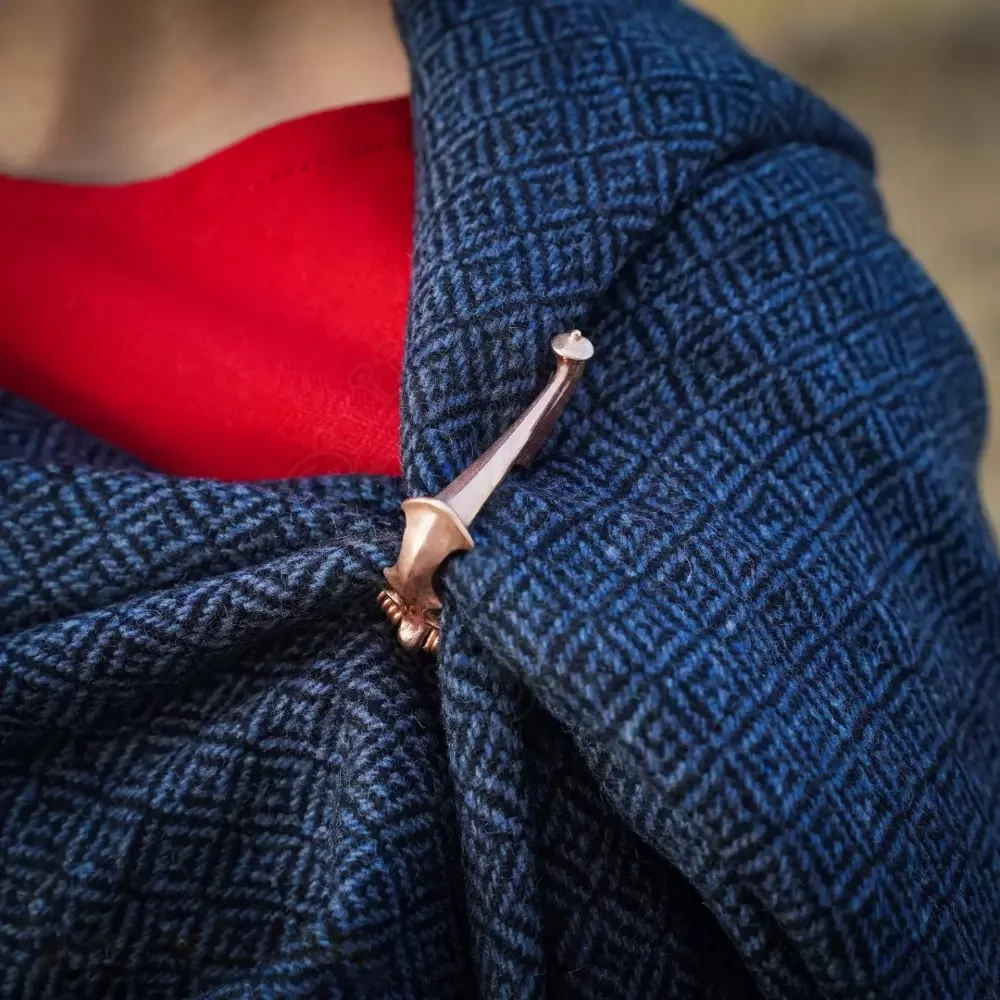

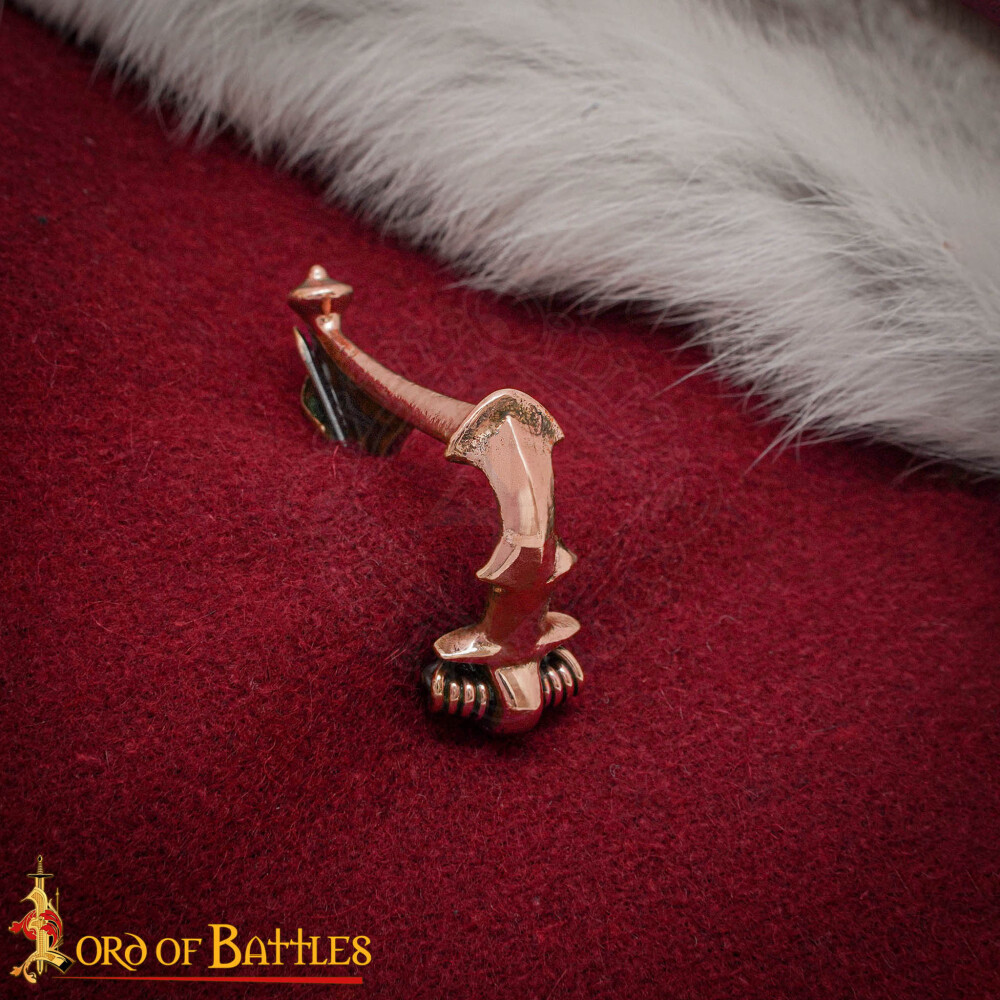
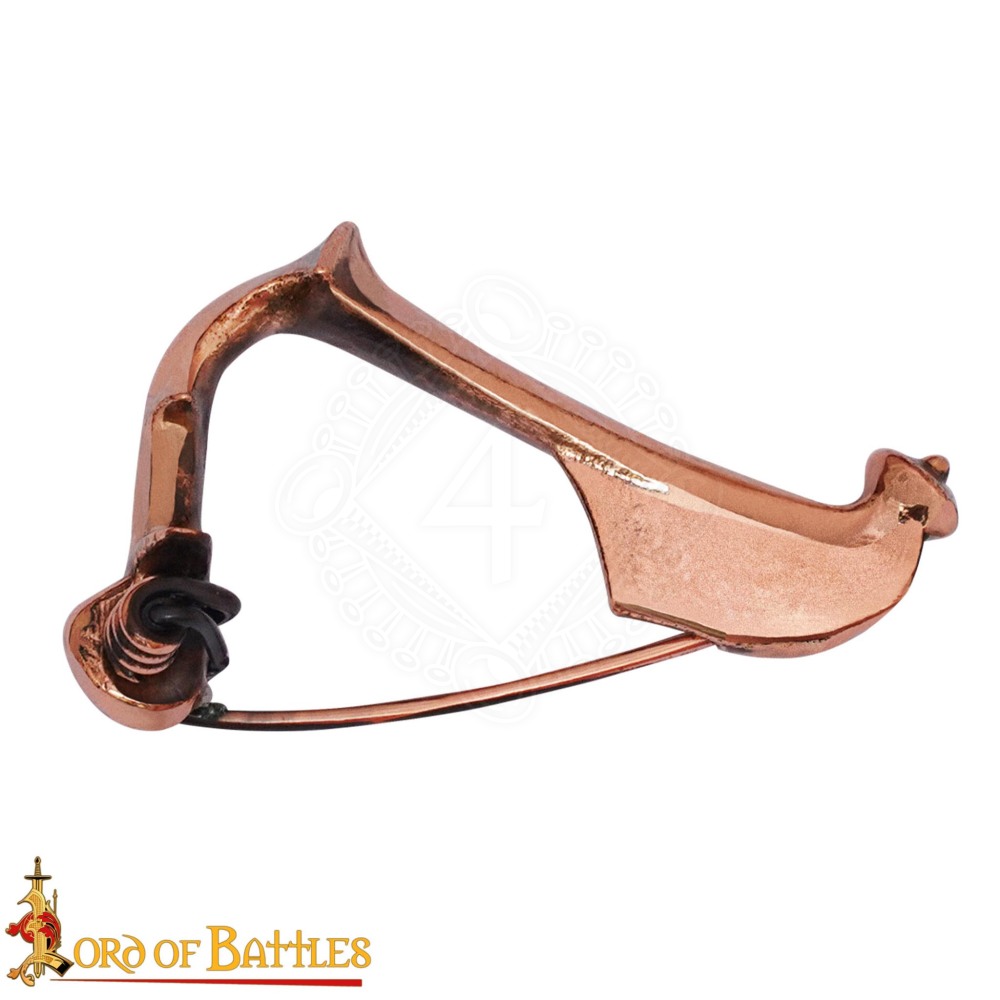
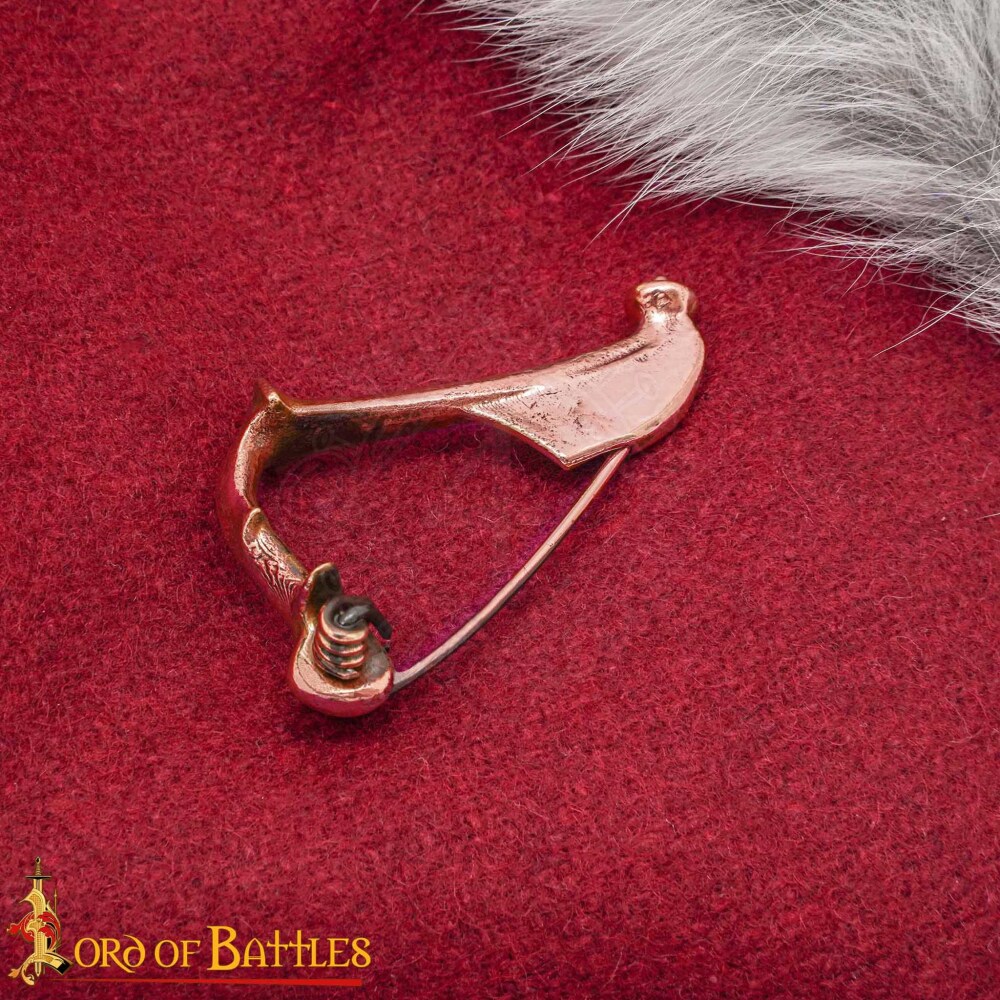

Step into the world of the Late Roman Empire with this meticulously crafted replica of a crossbow fibula. From the 3rd to the 5th centuries AD, this type of brooch was the quintessential accessory for Roman soldiers and officials. It was not merely a piece of jewellery, but a functional and prestigious part of the uniform, used to fasten the heavy military cloak known as the sagum or paludamentum. This bronze brooch, made using the authentic lost-wax casting method, is the perfect addition for any enthusiast of Roman re-enactment. Wearing it was not just a practical matter but also a clear sign of rank, military affiliation, and loyalty to the Emperor. Add a touch of authenticity to your historical costume with this symbol of Roman power and authority. Further product information ...

 Delivery options
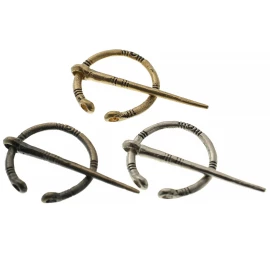
The following variants are currently available:
Late Roman Crossbow Fibula, Solid Bronze
A Brooch of Authority: Symbol of the Roman Official and Soldier
The crossbow fibula, named for its resemblance to a miniature crossbow, became the dominant type of brooch in the Late Antique world. Its sturdy construction with a high arch and a strong spring mechanism was ideal for securing heavy woollen cloaks. It was typically worn on the right shoulder, leaving the right arm free to draw a sword (the gladius or later the spatha). These fibulae were often produced and distributed by state-run workshops as part of military equipment. The material, size, and decoration of the fibula could reflect the owner's rank – from simple bronze pieces for common soldiers to ornate, gilded or silver examples for high-ranking officers and imperial courtiers. This replica, made from solid bronze, represents a classic and universal type used throughout the Roman army and administration.
How to Wear a Roman Fibula Correctly
Using this brooch is simple and follows historical practice. It is used to fasten two corners of a cloak at the shoulder. Follow these steps:
- Release the long pin from the catch-plate at the end of the fibula.
- Pierce the pin through both layers of your cloak's fabric on your right shoulder.
- Insert the tip of the pin back into the catch-plate, securing the fabric safely.
- The tension in the spring will hold the brooch firmly in place.
This Roman brooch is ideal for historical costumes from the Late Antiquity period, whether you are portraying a legionary, an officer, a civil servant, or a Germanic foederatus in the service of Rome.
| Product Specifications | |
|---|---|
| Material: | Solid Bronze |
| Period: | Late Roman Empire (c. 3rd–5th Century AD) |
| Type: | Crossbow Fibula |
| Crafting Method: | Lost-wax casting (cire perdue) |
| Finish Options: | Polished Bronze / Antique Bronze |
A Historical Curiosity: Badges of Power and Bureaucracy
Did you know that the crossbow fibula was essentially a badge of state service? With the growing bureaucracy and centralisation of power in the Late Roman Empire, uniformity became key. Official dress (the habitus militaris) was worn not only by soldiers but also by civil servants to demonstrate their position in the imperial hierarchy. The crossbow fibula was an integral part of this attire. The discovery of such a brooch at an archaeological site is almost certain proof for historians of a Roman military or administrative presence. They were small but eloquent symbols of a vast and complex imperial system.
Caring for Your Bronze Replica
To keep your bronze fibula looking its best for years to come, follow a few simple guidelines:
- Wipe the brooch with a soft, dry cloth after use to remove moisture and fingerprints.
- Protect it from prolonged exposure to water, sweat, and chemicals (e.g., perfumes, hairspray).
- Do not apply excessive force to the pin and spring mechanism when fastening or unfastening.
- Store it in a dry place, preferably in a cloth pouch, separate from other metal items to avoid scratching.
- Avoid using abrasive cleaners, which could damage the surface, especially on the patinated version.
We are here for you!




.3773623034.1696456237.png.webp)

.3773623034.1696456268.png.webp)
.3773623034.1696456247.png.webp)