
 Čeština
 Deutsch


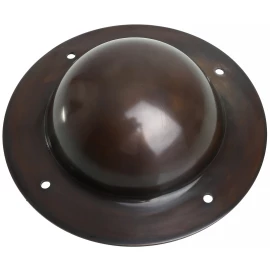
Hand-Forged Steel Shield Boss | 1.8mm Battle-Ready Umbo
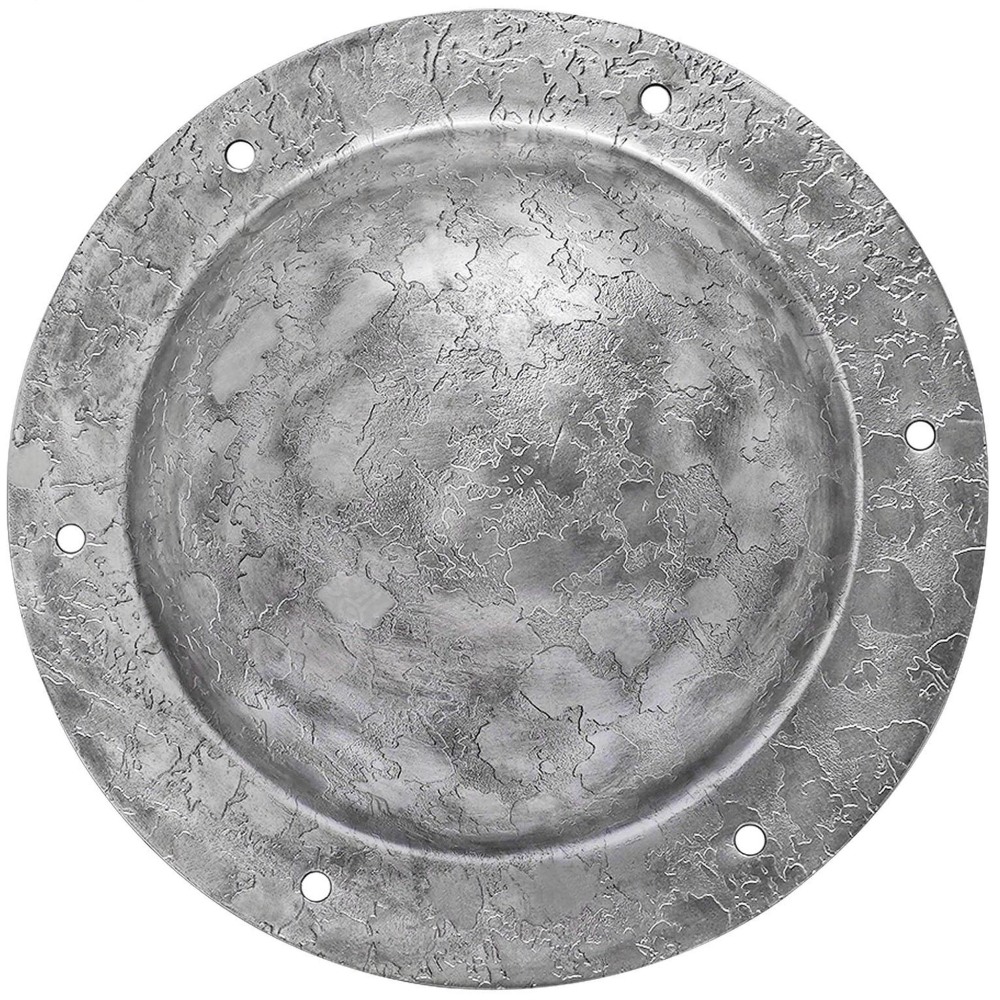

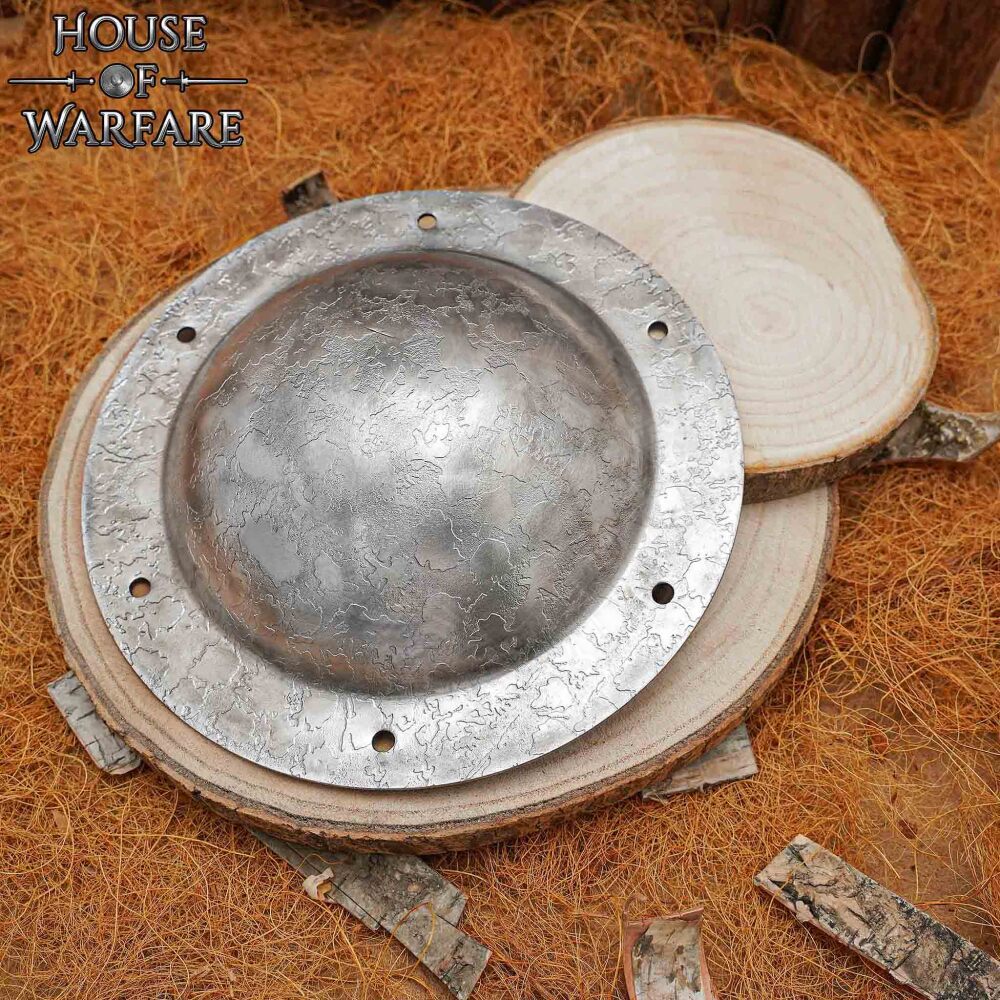
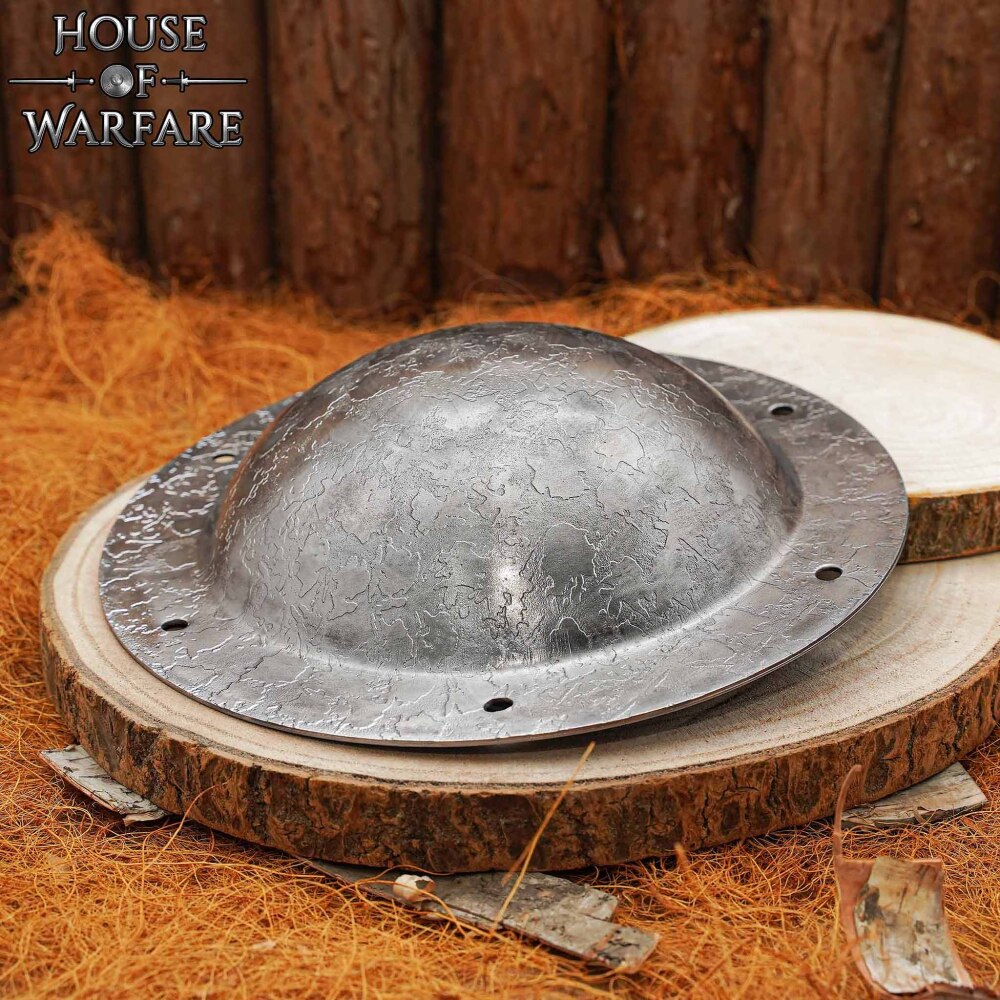

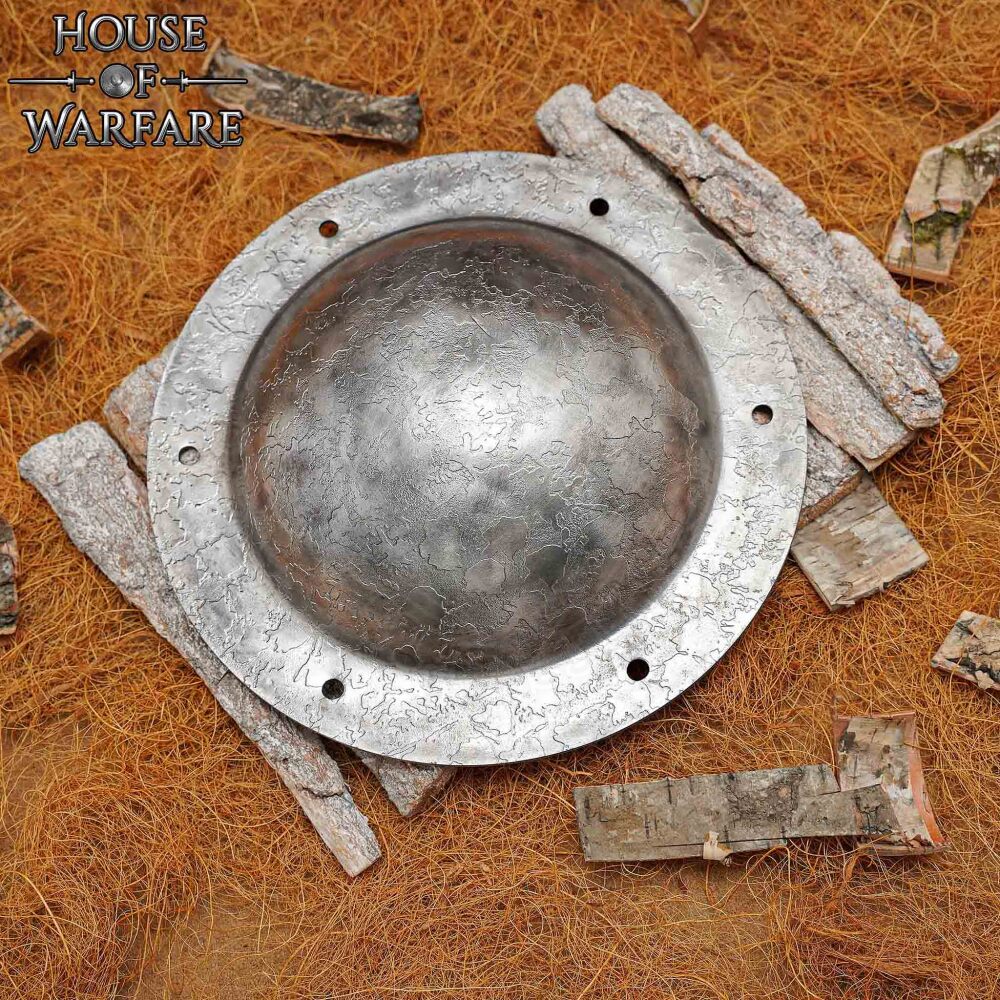

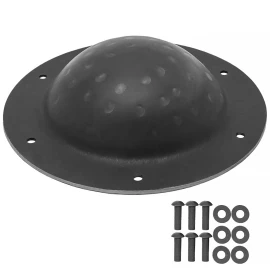
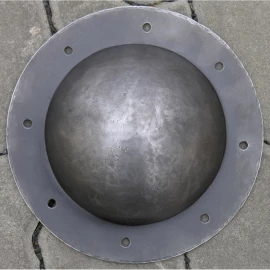
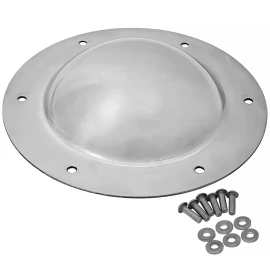
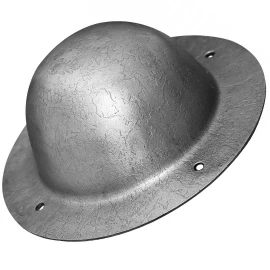
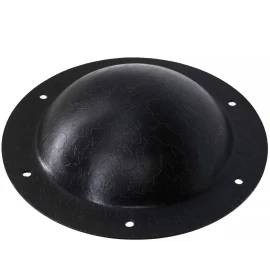
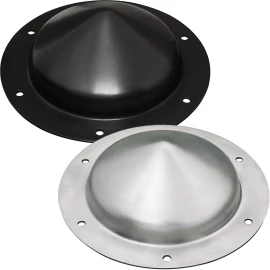
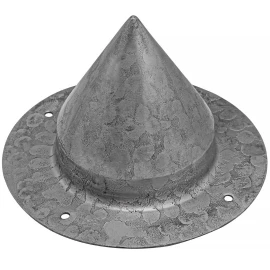
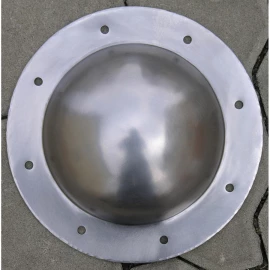
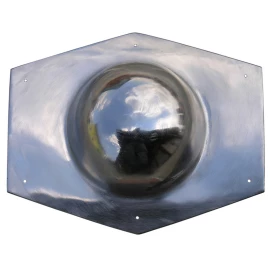
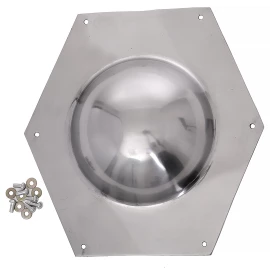
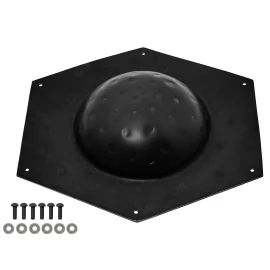
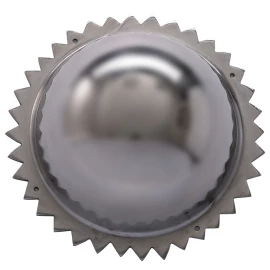
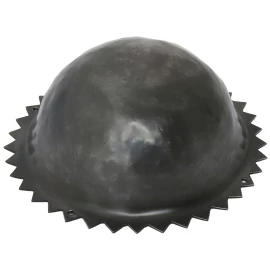
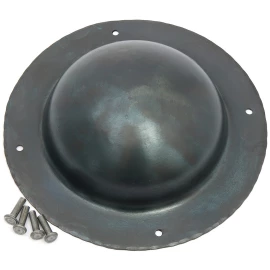
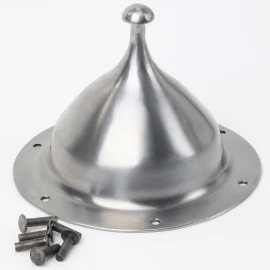
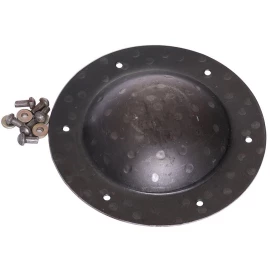
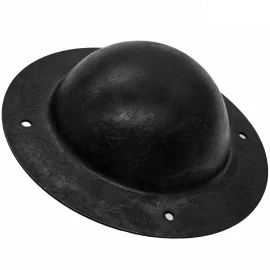
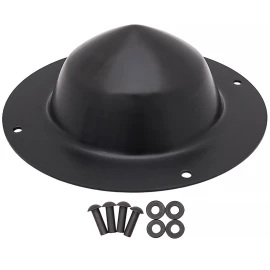
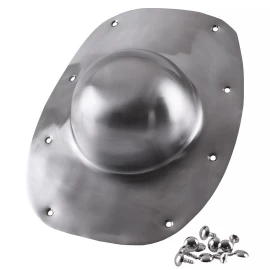
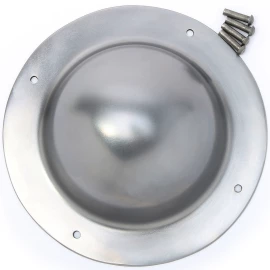
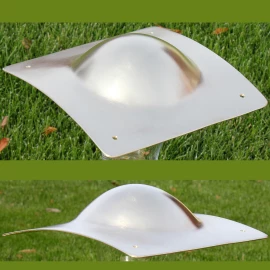
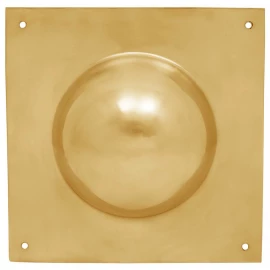
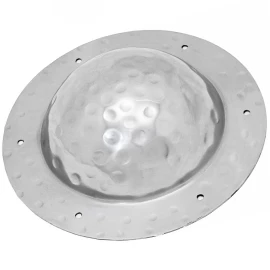
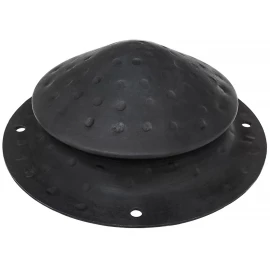
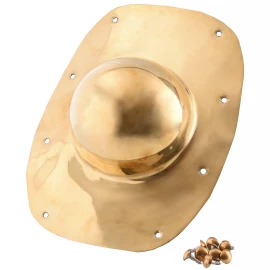
Complete your shield with the most important defensive element—this honest steel shield boss from House of Warfare. It is forged from 1.8 mm thick steel, which places it in the "Battle-Ready" category, prepared for the demanding conditions of historical combat or LARP battles. The unique patinated finish gives it an authentic, battle-worn look, as if it has just come from the chaos of a shield wall. The package includes everything you need—the boss, six rivets, and six washers—for immediate mounting on your shield. Further product information ...

 Delivery options
Hand-Forged Steel Shield Boss | 1.8mm Battle-Ready Umbo, the Heart and Fist of Your Shield
Who Is This Shield Boss For?
This shield boss is for anyone crafting their own functional shield for historical combat, reenactment, LARP, or as a stylish decoration. Thanks to its robust 1.8mm steel construction, it is fully usable for contact fighting, where it will reliably protect your hand. The patinated surface is a great advantage—the boss looks great "straight out of the box," and you don't need to modify or artificially age it to achieve a believable look.
The Boss in the Heart of Viking Combat
In the Viking Age and early Middle Ages, the shield boss (or umbo) was not just an ornament but an absolutely key component of the shield. It protected the warrior's hand, which gripped a central bar directly behind the boss. The domed shape was designed to effectively deflect blows from swords and axes away from the center of the shield and away from the vulnerable hand. But the boss also served an offensive purpose—a "shield punch," where the heavy iron boss struck an opponent in the face, could be a devastating and often lethal weapon in the close quarters of a shield wall.
Interesting Fact: The Shield as a Mirror of the Soul
Viking shields were not just pieces of wood and steel. They were often brightly painted and decorated with personal symbols, runes, or clan markings. The shield was a warrior's personal emblem, expressing their identity and status. Today, archaeologists often only find the metal bosses in graves, as the wooden board of the shield has rotted away over the centuries. The boss is therefore often the only surviving witness—the metal heart of a once-vibrant and very personal piece of a warrior's identity.
Technical Parameters and Maintenance
Installation and Care
Installation: Installation is a key part of shield-making. Cut a circular hole in the center of your shield board for your hand. Center the boss over the hole and mark the positions for the six rivets. Drill the holes and attach the boss using the included rivets and washers from the inside of the shield.
Care for the Steel: This boss is made of structural steel, which is prone to rust. Therefore, keep it dry. After each use, especially in a damp environment or after a battle, dry it thoroughly and lightly wipe it with a conservation oil (e.g., WD-40, Ballistol, or another gun oil).
Key Features and Dimensions
- Material: 1.8 mm Steel (14 Gauge)
- Finish: Patinated
- Quality: Battle-Ready
- Height: 2 inches (5 cm)
- Overall Diameter: 8.5 inches (21.5 cm)
- Weight: Approx. 1.4 lbs (650 g)
- Package Contents: 1x Shield Boss, 6x Rivets, 6x Washers
What to Watch Out For
This boss is designed to deflect axes and swords. It is not a serving bowl for soup, even though it looks a bit like one. And definitely do not use it as a pot lid when cooking goulash at the campsite, as the finish would be damaged.
We are here for you!







.3773623034.1696456237.png.webp)

.3773623034.1696456268.png.webp)
.3773623034.1696456247.png.webp)