
 Čeština
 Deutsch


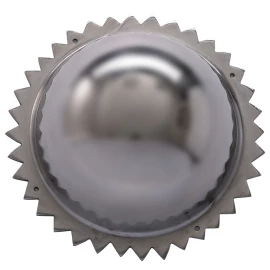
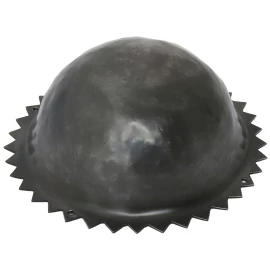
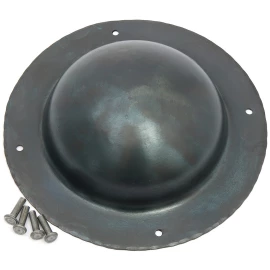
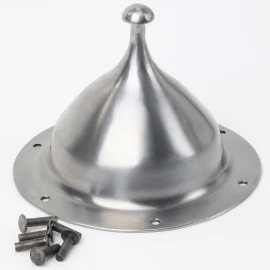
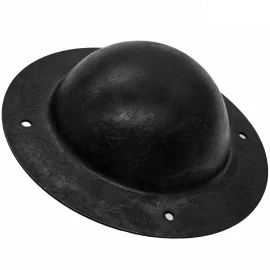
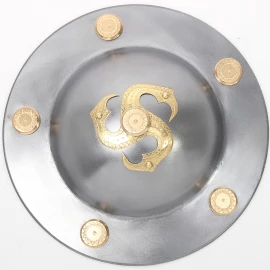
Hand-Forged Viking Shield Boss (Umbo), 2 mm / 14-Gauge Steel
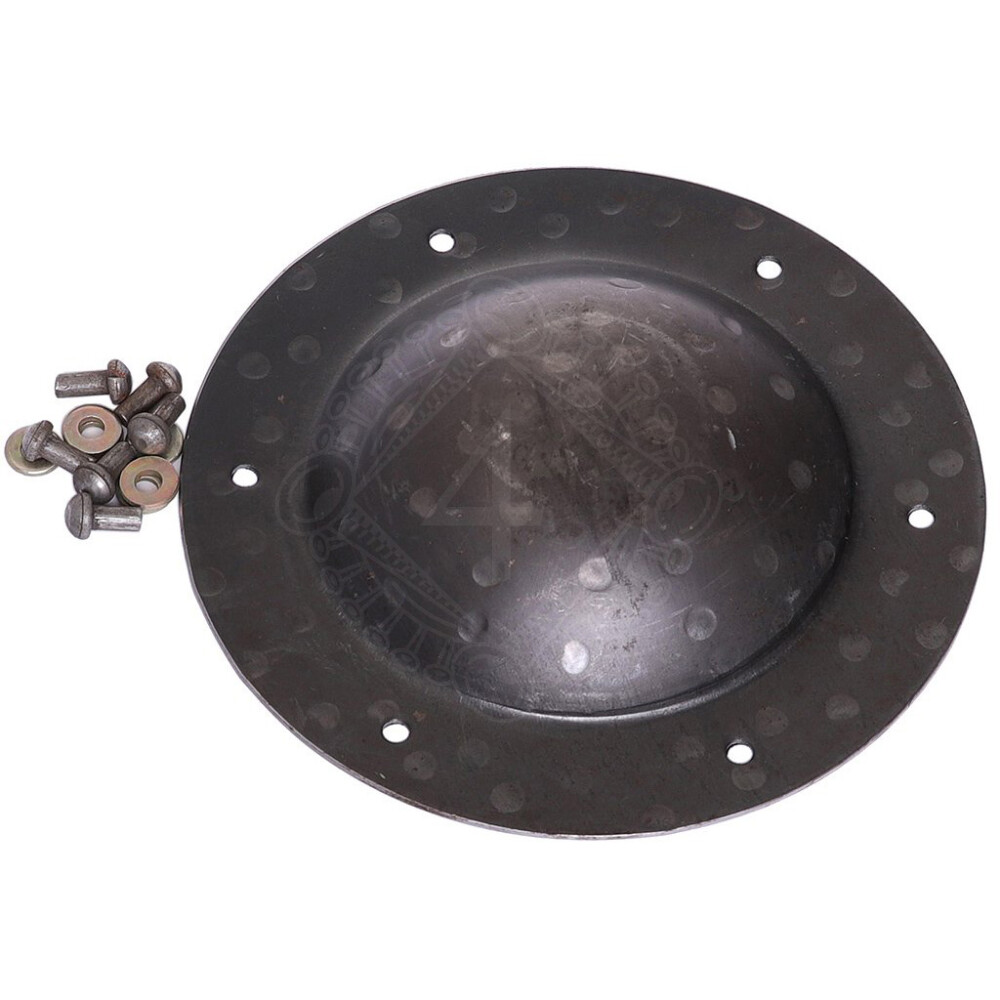
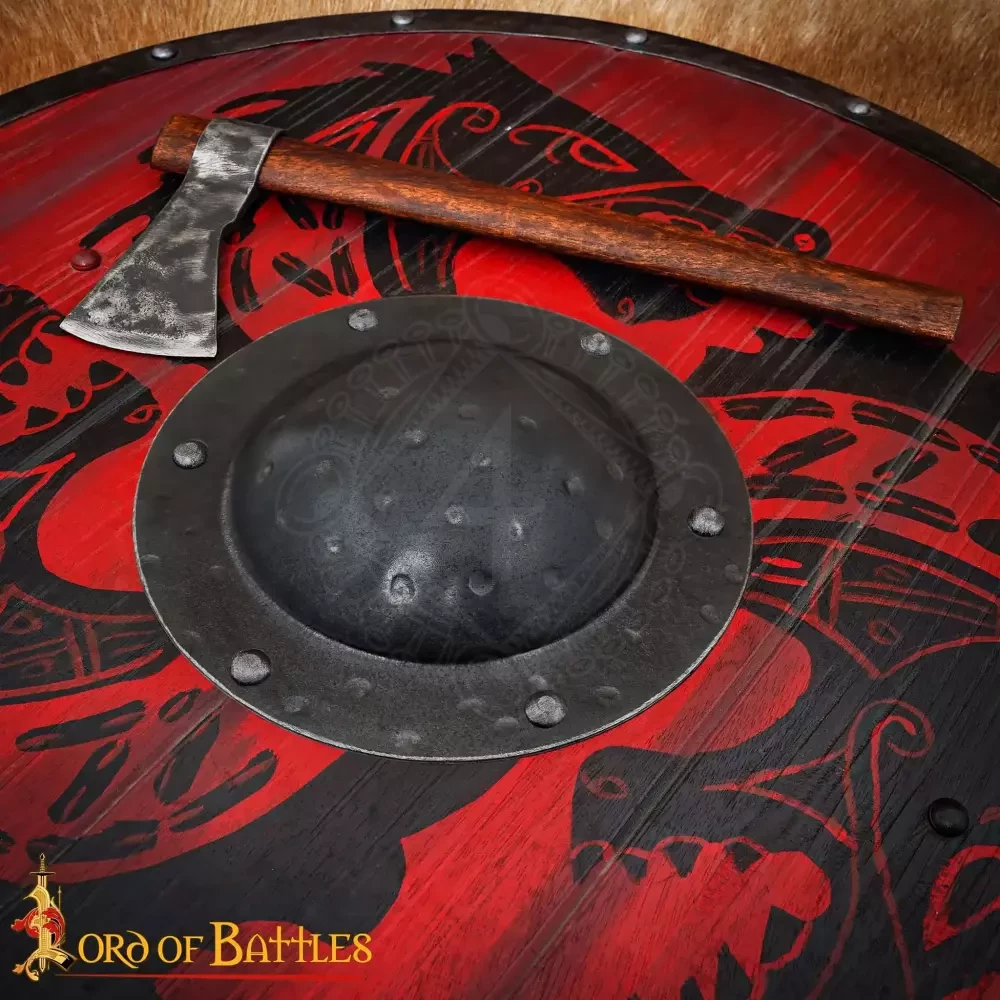

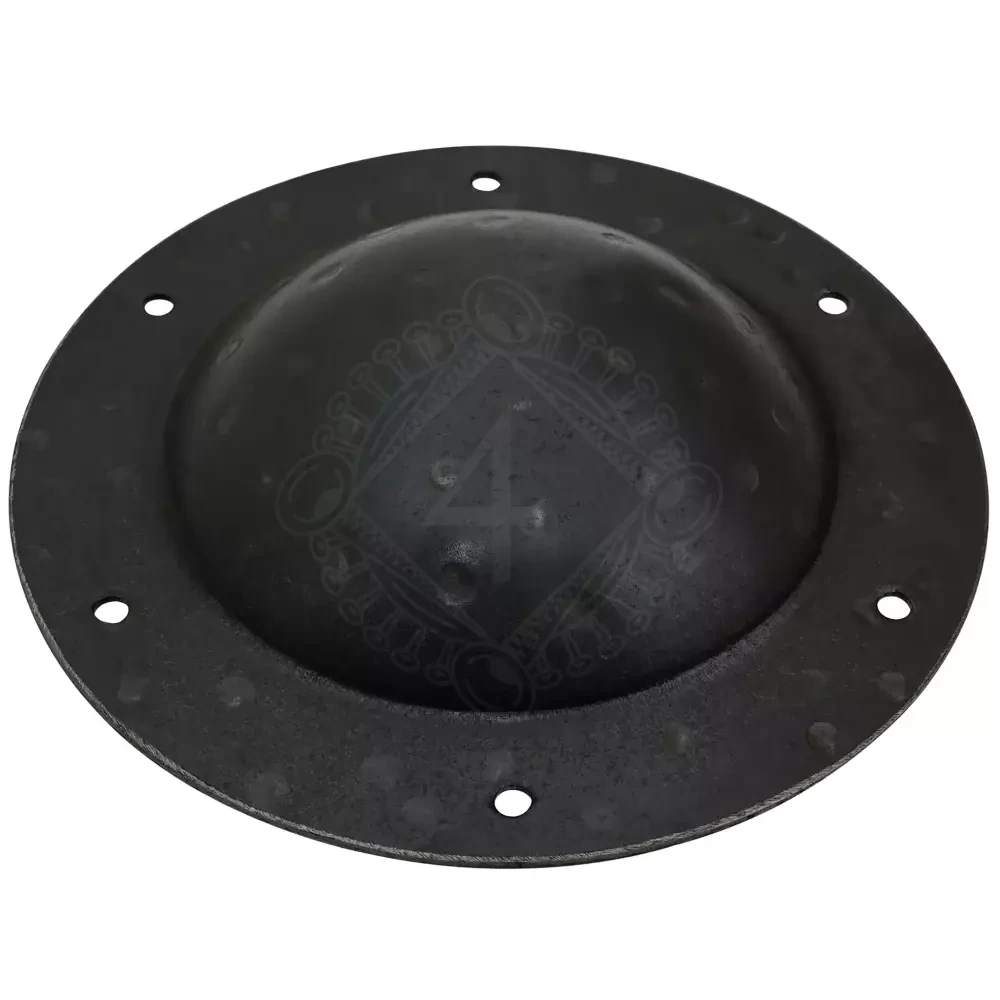
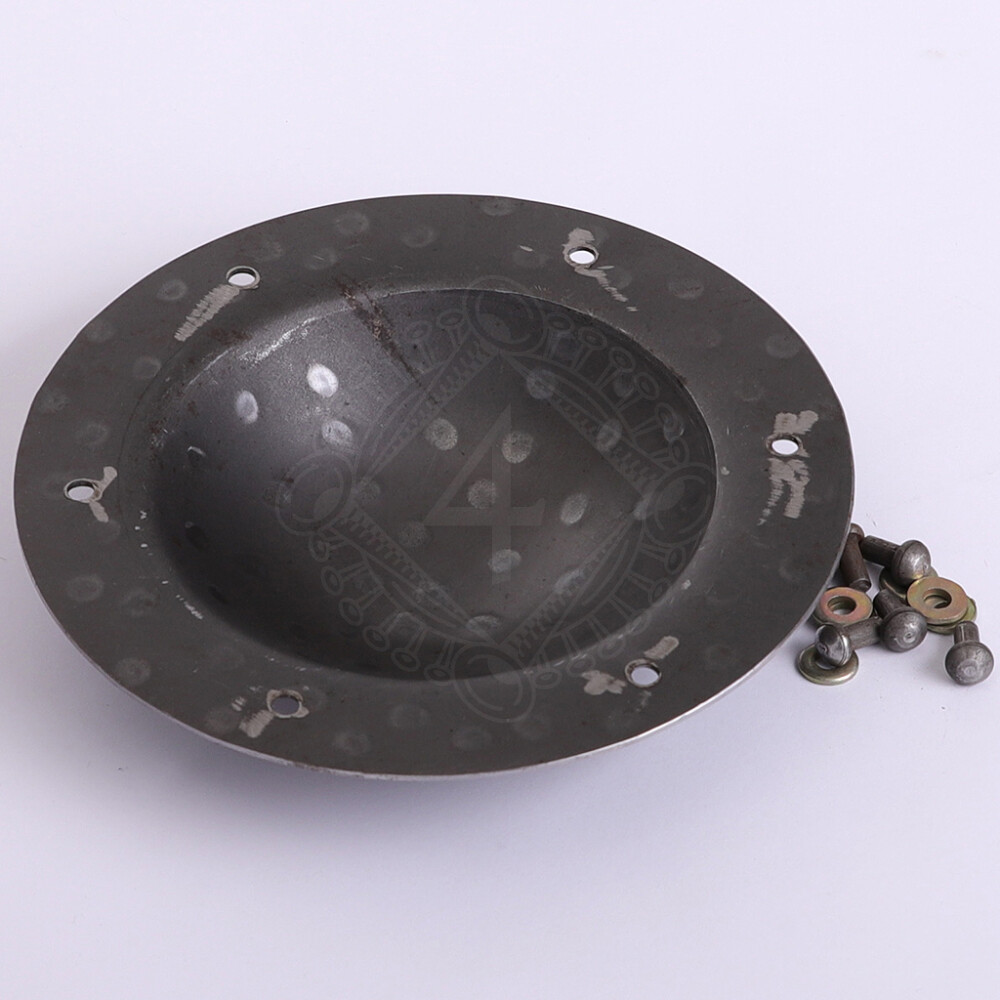
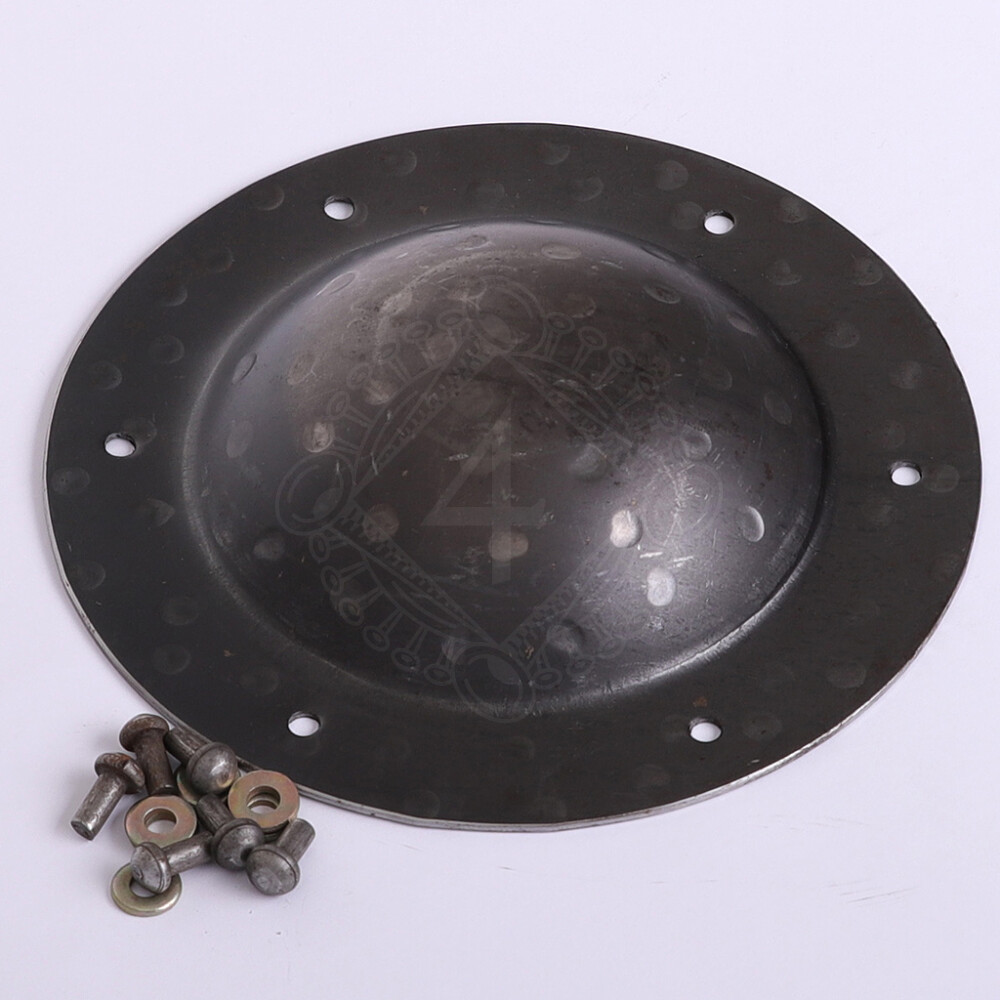

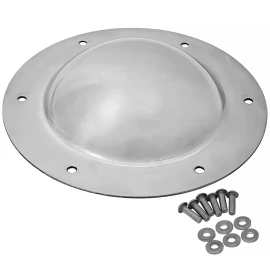
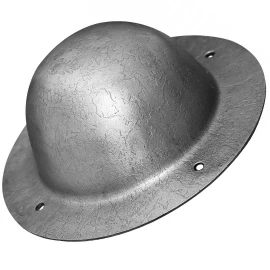
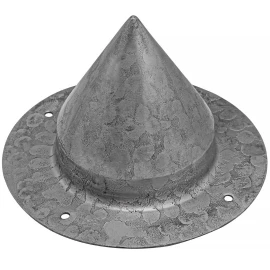
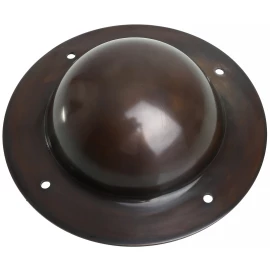
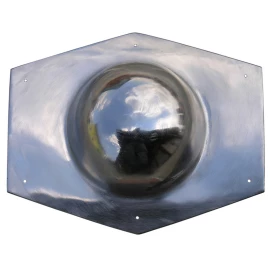
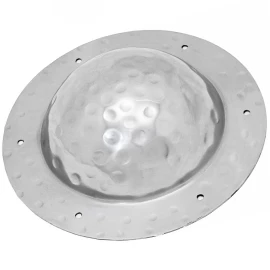
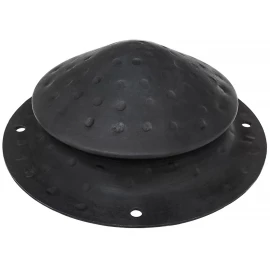
Forge your own legendary Viking shield with this massive, hand-forged boss! Every hammer blow is imprinted on its surface, giving it a rugged, battle-tested look that will set your shield apart from the rest. This is not a smooth, mass-produced replica, but an honest piece of steel that evokes the raw power of Norse warriors. With this boss, your shield will not only be functional but will become a reflection of your warrior soul. Further product information ...

Would you like to be notified as soon as the item is in stock?
You will receive a short e-mail as soon as we have it back in stock.
Hand-Forged Viking Shield Boss (Umbo), 2 mm / 14-Gauge Steel
Detailed Description of the Boss
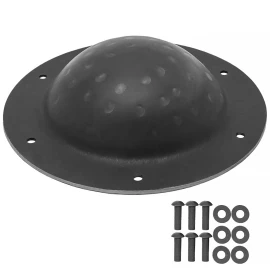
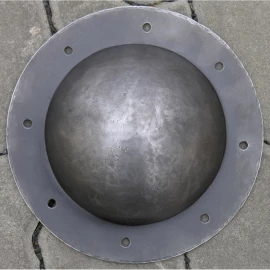
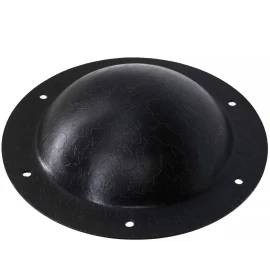
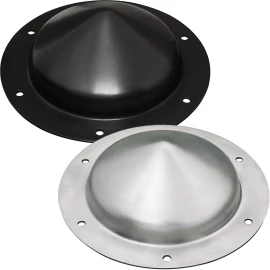
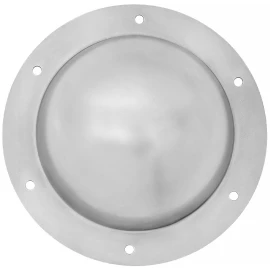
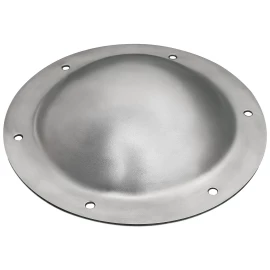
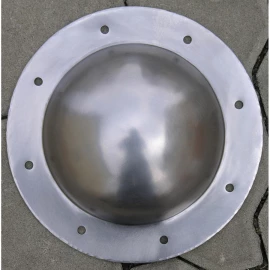
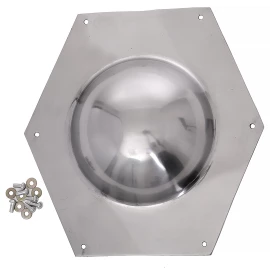
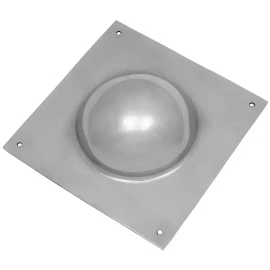
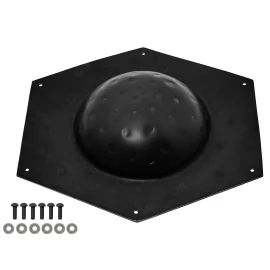
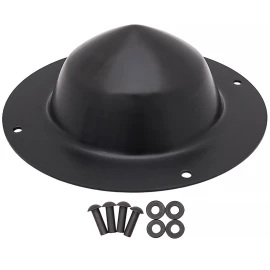
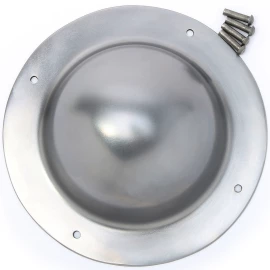
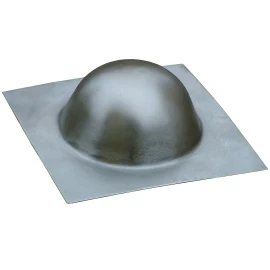
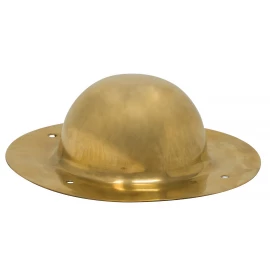
This shield boss (umbo) is crafted from heavy-duty 2 mm (14-gauge) steel, ensuring exceptional durability. Its main characteristic is its raw, natural finish with authentic forge marks. The deep, hemispherical dome provides ample space to protect the hand gripping the shield's handle, even while wearing a thick glove. The wide flange comes with six pre-drilled holes for easy and secure mounting onto a wooden shield base. The package also includes a full set of sturdy rivets and washers, so you have everything ready for immediate assembly.
Technical Specifications
| Parameter | Value (Metric) | Value (Imperial) |
|---|---|---|
| Material | Mild Steel | |
| Material Thickness | approx. 2 mm | 14 Gauge |
| Overall Diameter | approx. 19.2 cm | approx. 7.5 in |
| Finish | Natural, Forged | |
| Hole Count | 6 | |
Practical Applications
This shield boss is the ideal choice for anyone building their own historical shield. It is perfect for:
- Viking and Norman Reenactment: Give your round shield maximum period accuracy.
- DIY Shield Making: A robust foundation for your project, whether historical or fantasy.
- LARP: A great accessory for Norsemen, berserkers, raiders, or dwarf characters.
- Decoration: Create an impressive wall-hanger shield that will dominate any room.
Important Notice
Thanks to its 2 mm thickness, this boss is very durable and suitable for historical fencing and reenactment. However, it is not certified protective equipment for modern full-contact sports like HMB or Battle of the Nations, which place extreme demands on equipment.
Historical Context and Fun Facts
In the Viking Age, the round shield was a warrior's primary defence. It was made from wooden planks, often covered with leather, and its centre was protected by a steel boss. The boss not only shielded the hand holding the shield by its central grip but was also the strongest point, used to deflect and block blows from swords and axes.
Did You Know?
One of the most significant finds of Viking shields comes from the 9th-century Gokstad ship burial in Norway. A total of 64 round shields were found, hung along the ship's gunwales. These shields, painted in yellow and black, have provided us with invaluable information about their construction, size, and use.
Care Instructions
Raw steel requires care to maintain its appearance and resist corrosion.
- Always wipe the boss dry after use to remove moisture.
- Regularly coat it with a thin layer of protective oil (e.g., WD-40).
- Store the shield in a dry environment.
A Note on Hand-Forged Authenticity
As each boss is individually hand-forged, minor variations in shape, surface texture, or finish may occur. These variations are a testament to authentic craftsmanship.
We are here for you!








.3773623034.1696456237.png.webp)

.3773623034.1696456268.png.webp)
.3773623034.1696456247.png.webp)