
 Čeština
 Deutsch


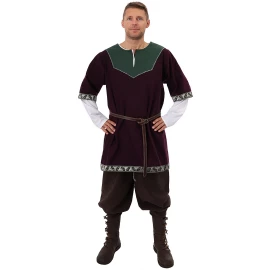
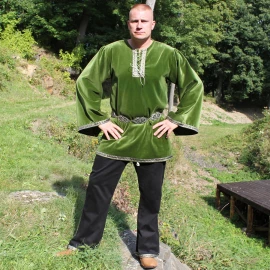
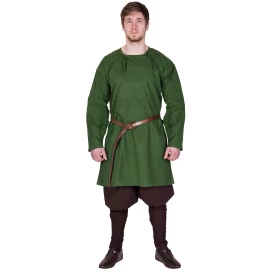
Viking Tunic "Ragnar" in Forest Green Chambray Cotton
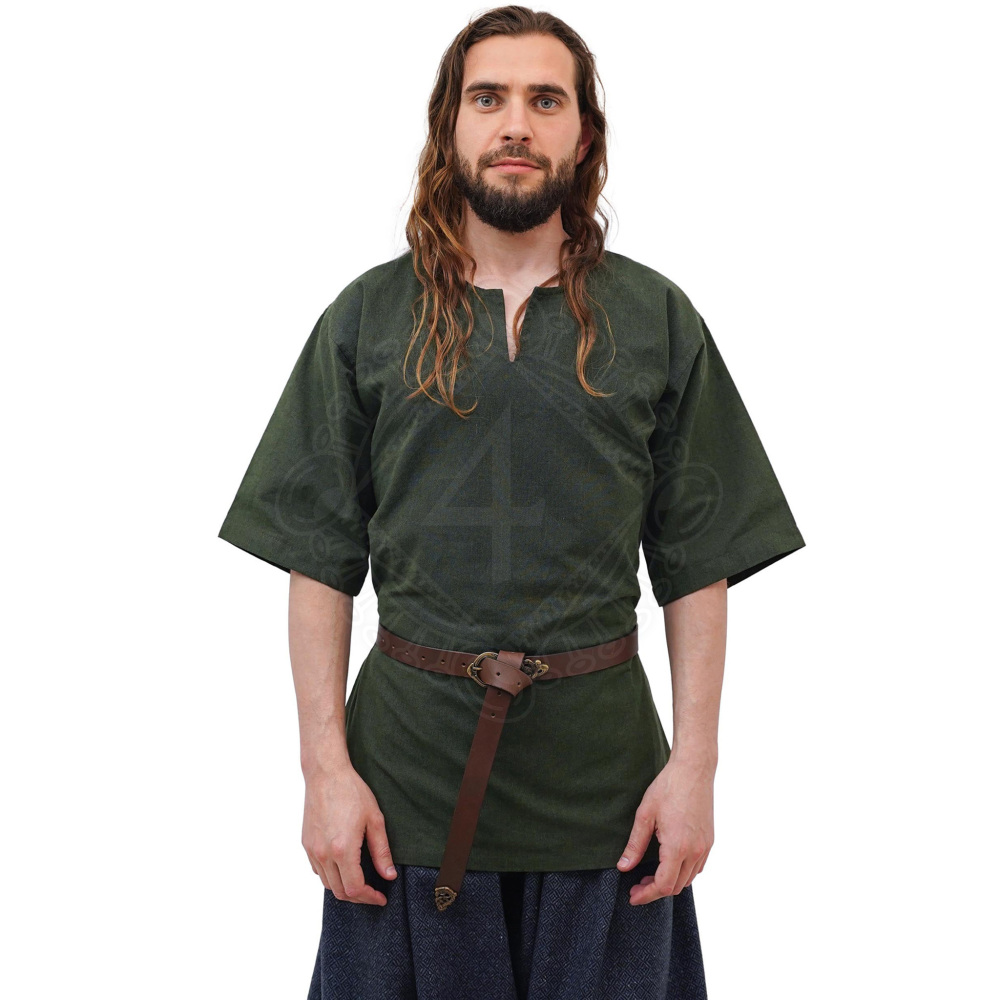
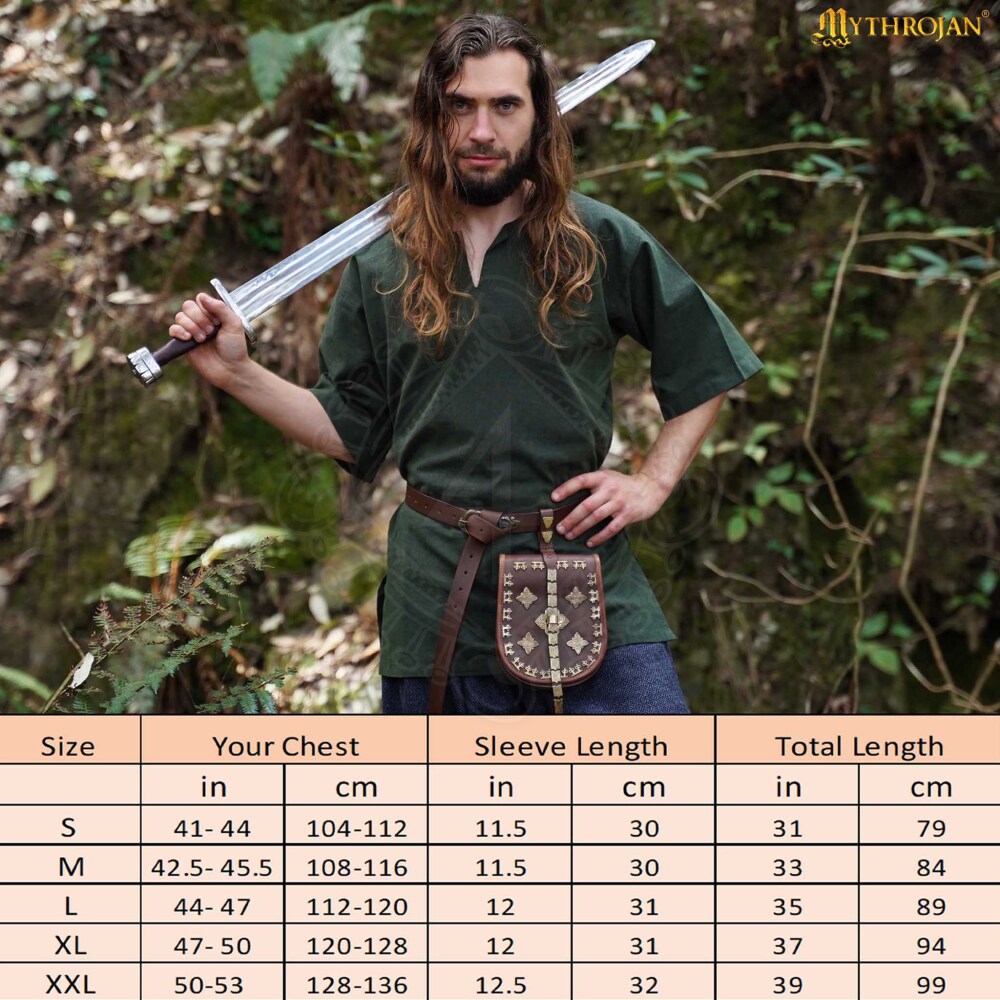
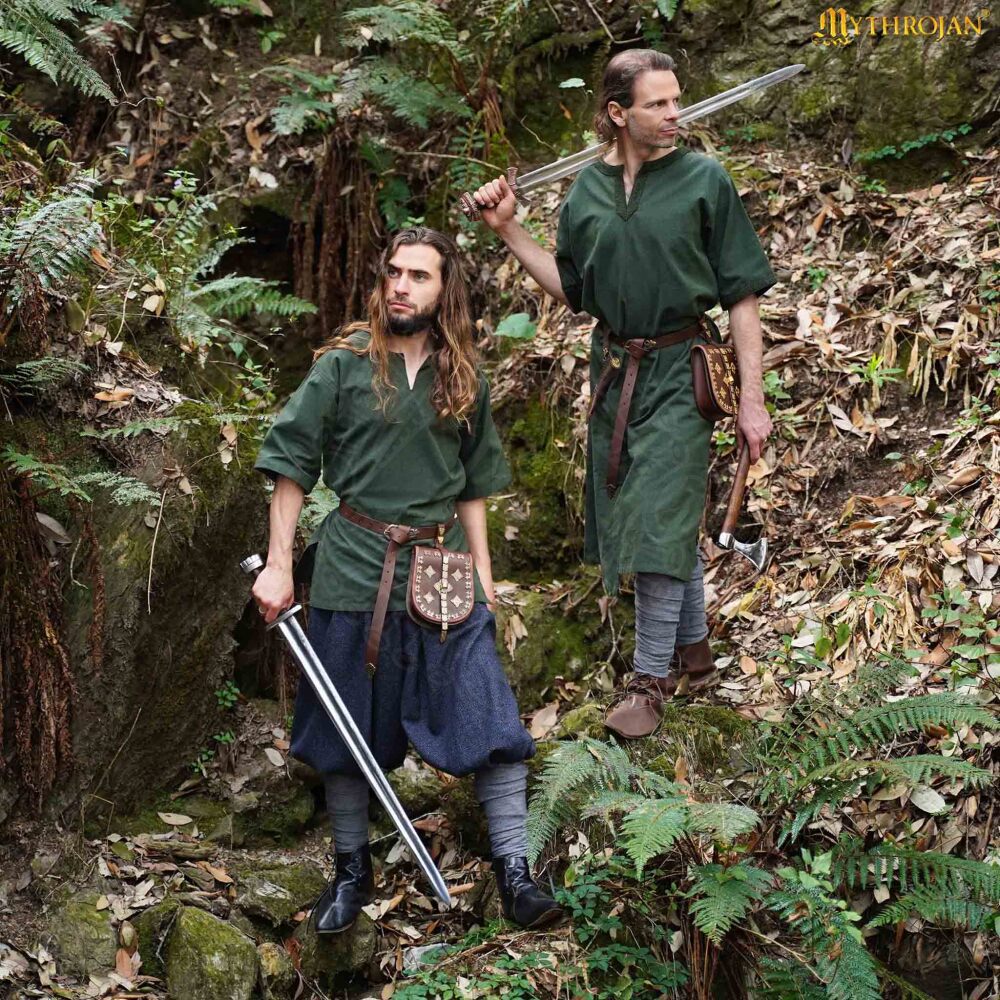
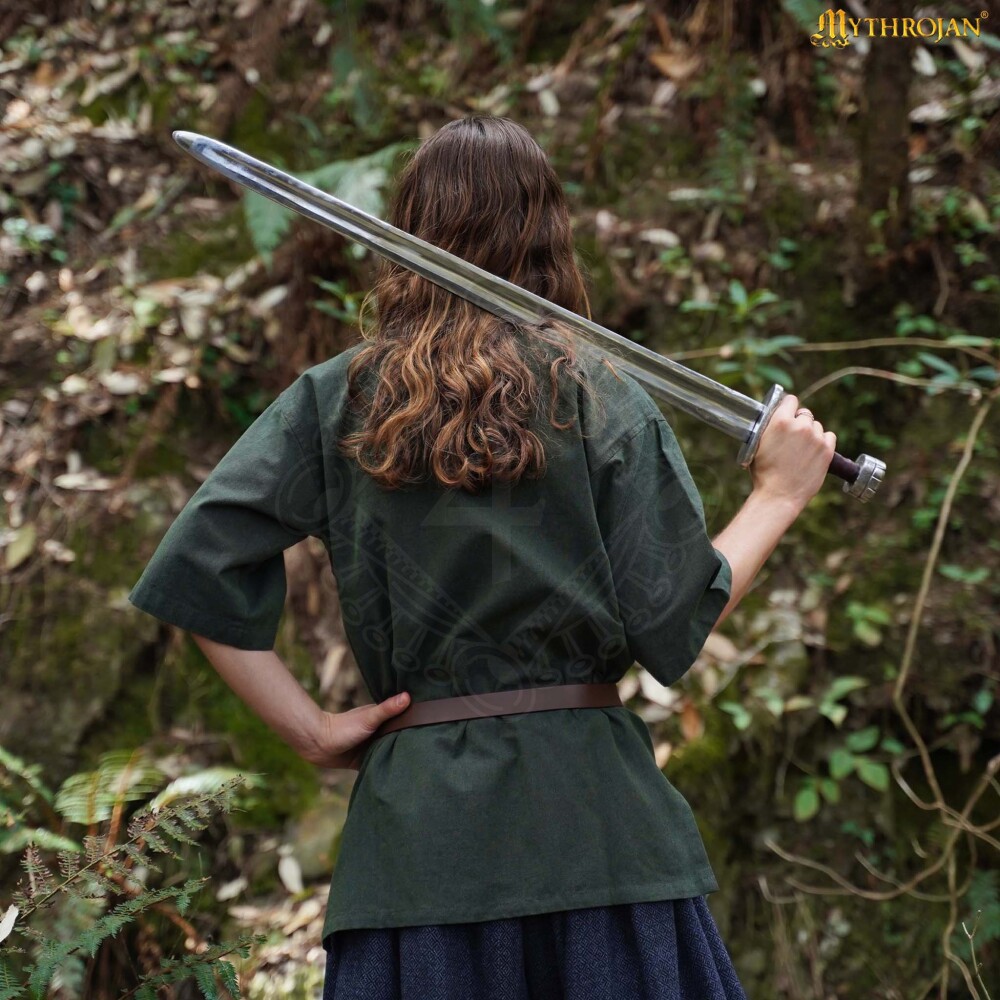
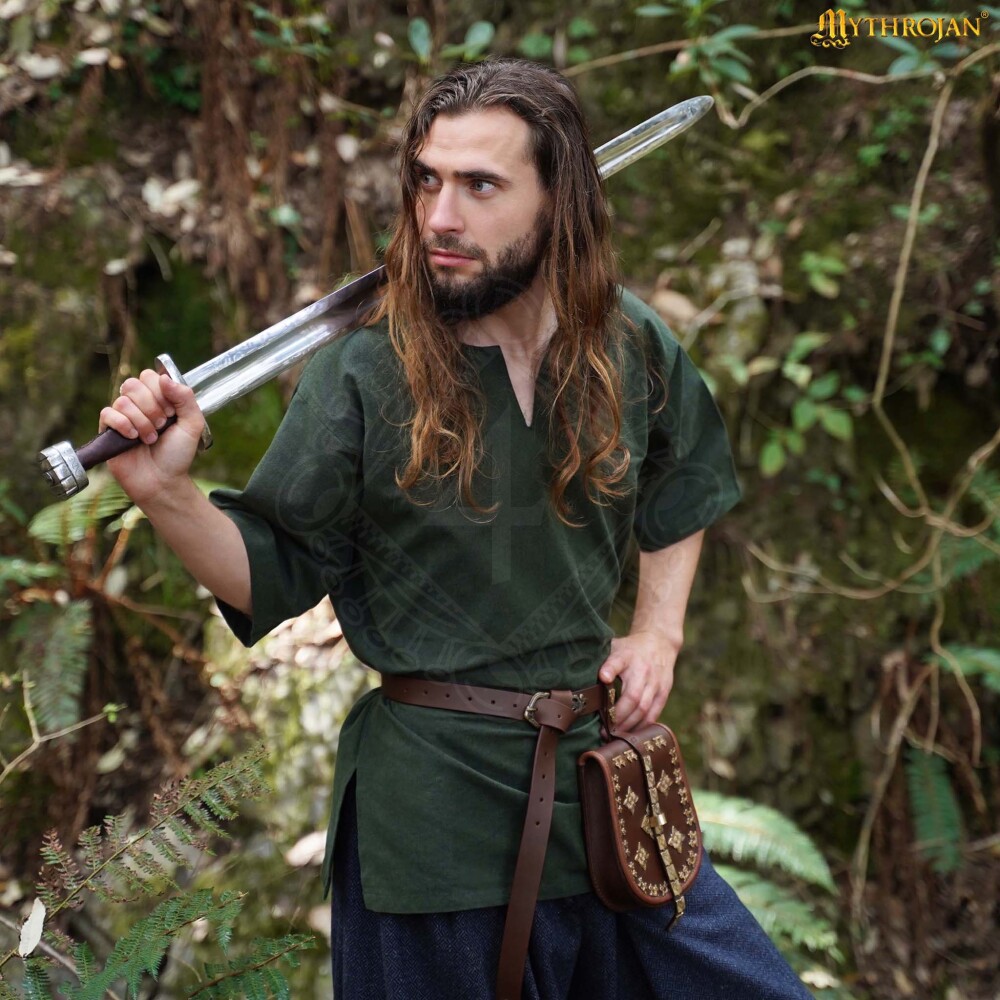
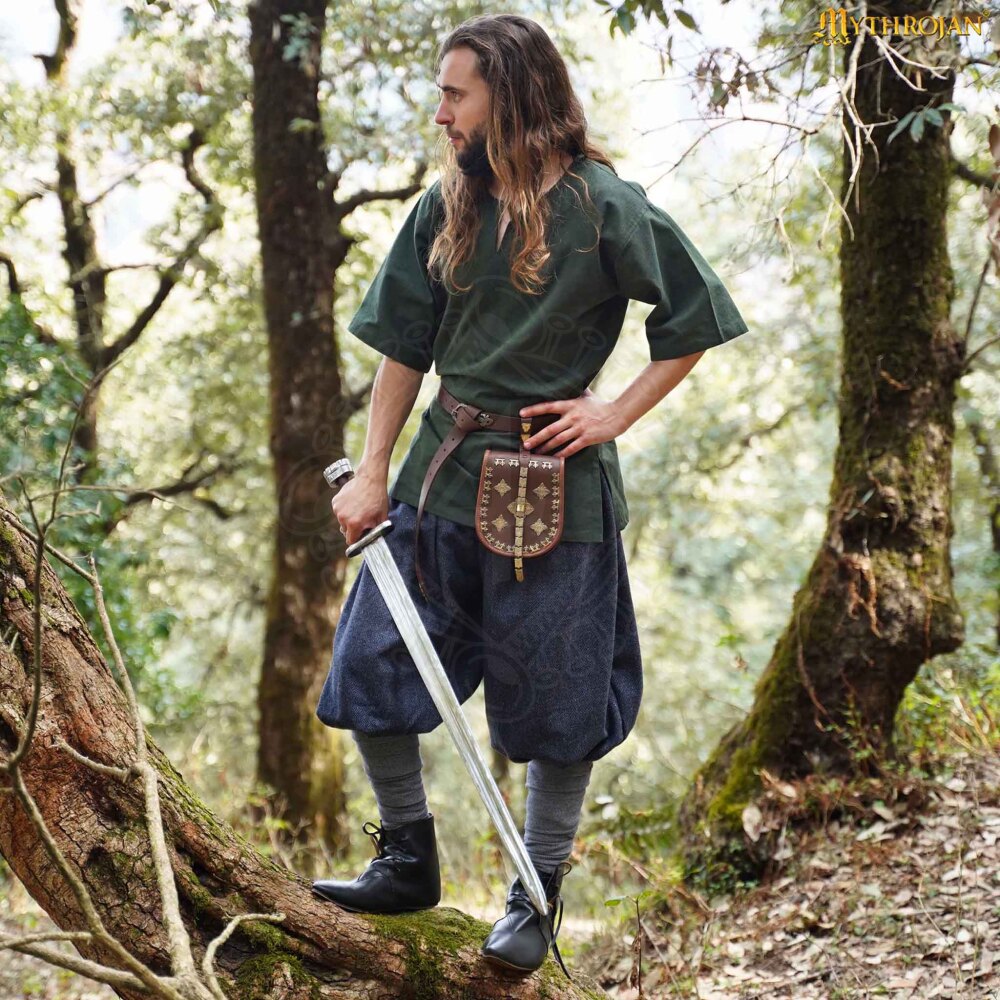

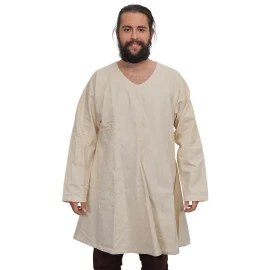
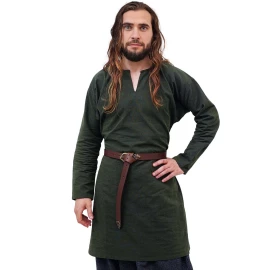
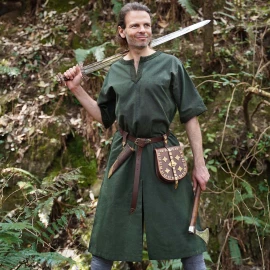
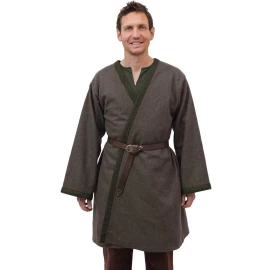
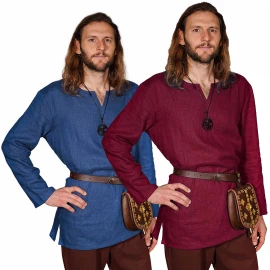
Become a fearless Norse warrior, a skilled ranger, or a humble craftsman from a bygone era. This "Ragnar" Viking tunic is the essential, versatile foundation for your historical or fantasy costume. Its simple yet thoroughly authentic design is based on early medieval garments, making it an ideal choice for LARP, historical reenactment (SCA), medieval faires, or stage performances. Further product information ...

 Delivery options
The following variants are currently available:
Viking Tunic "Ragnar" in Forest Green Chambray Cotton
Authentic Design & Functional Cut
This tunic is designed with an emphasis on historical accuracy and maximum comfort.
- Material: It is crafted from 100% cotton in a Chambray weave. This fabric is not only strong and durable but also pleasantly breathable. Its subtly heathered texture lends the tunic a realistic, period look.
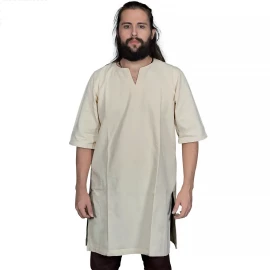
- Cut: The loose, T-shaped cut, with a length reaching roughly mid-thigh, was typical for Northern European men between the 8th and 11th centuries. The short, wide sleeves end at the elbow, providing freedom of movement and making them ideal for warmer days or active combat.
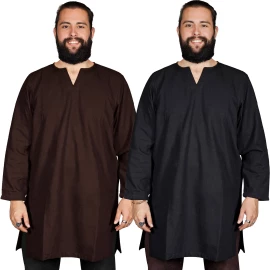
- Details: A simple V-neck makes the tunic easy to pull on. Side slits at the hem ensure that the garment will not restrict you while walking, running, or fighting.
For Warriors and Wanderers
Its versatility is its greatest strength. You can use it as the base for a costume of a:
- Viking, Anglo-Saxon, or Norman at historical reenactment events.
- Ranger, adventurer, dwarf, or even an orc at LARP and fantasy events.
- Performer at medieval faires, in the theatre, or for film.
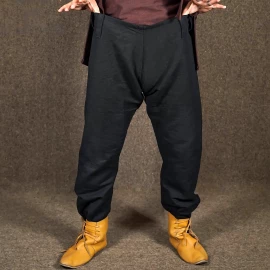
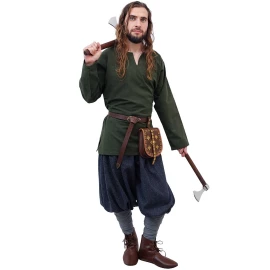
Wear the tunic on its own or as an over-layer on top of a linen undertunic for a more complex, layered appearance. Simply add a belt, trousers, and leg wraps, and your kit is complete!
The Age of Axes and Longships
The tunic, often referred to as a kyrtill in period terminology, was the cornerstone of the male wardrobe in the Viking Age. It was worn by men of all social classes, from farmers to jarls. The length and decoration would vary according to the wealth and status of the owner. This simple, practical design proved itself in the harsh conditions of Scandinavia and endured for centuries with very little change.
A Note on Colour
The colour green, while common today, was a relatively prized shade in the Early Middle Ages. It was achieved through a complex process of double-dyeing. The cloth would first be dyed yellow using plants like dyer's chamomile or dyer's greenweed, and then subsequently dipped in a blue dye derived from the woad plant. The result was a rich and lasting shade of green, evocative of the forests and untamed nature.
How to Care for Your Tunic
To ensure your tunic lasts for many adventures and retains its colour and shape:
- Washing: Machine wash on a gentle cycle with cold or lukewarm water (max. 30°C / 86°F). Use a mild detergent.
- Drying: Do not tumble dry! High heat can cause cotton to shrink. Air dry by hanging.
- Ironing: If needed, iron on a medium heat setting, ideally while the garment is still slightly damp.
- Do not bleach or use harsh chemical cleaners.
Size Chart
| Size | Your Chest (cm) | Sleeve Length (cm) | Total Length (cm) |
|---|---|---|---|
| S | 104-112 | 30 | 79 |
| M | 108-116 | 30 | 84 |
| L | 112-120 | 31 | 89 |
| XL | 120-128 | 31 | 94 |
| XXL | 128-136 | 32 | 99 |
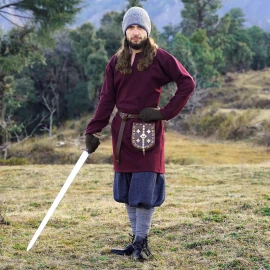
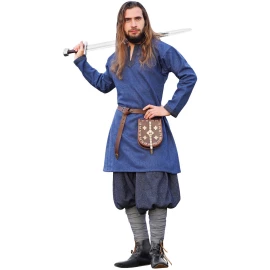
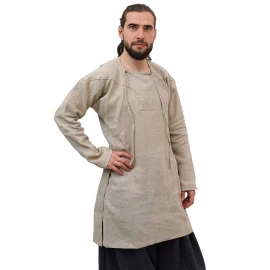
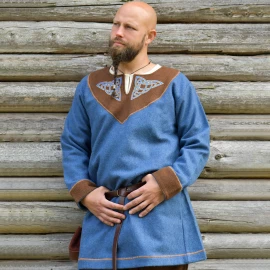
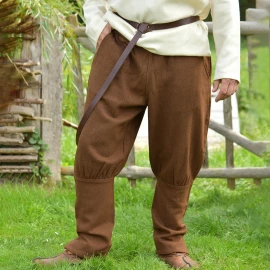
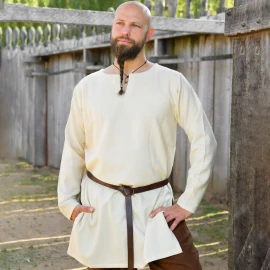
Please Note: This listing is for the tunic only. The belt, trousers, sword, and other accessories shown in the photographs are not included.
We are here for you!




.3773623034.1696456237.png.webp)


.3773623034.1696456268.png.webp)
.3773623034.1696456247.png.webp)