
 Čeština
 Deutsch


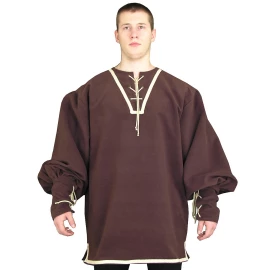
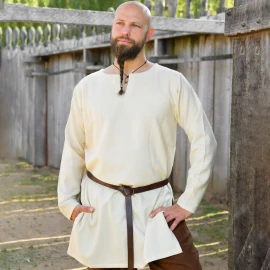
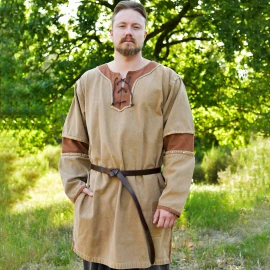
Viking "Raider" Tunic – 100% Cotton Canvas Medieval Shirt
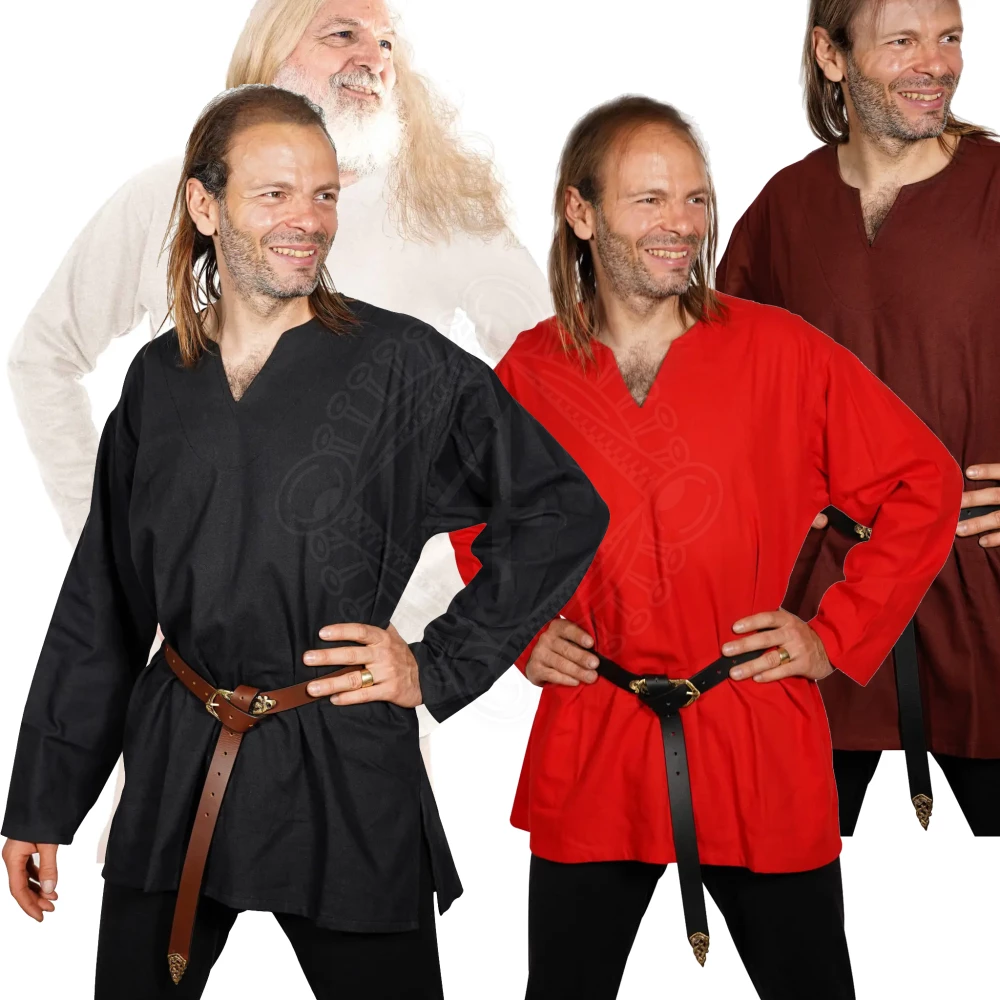
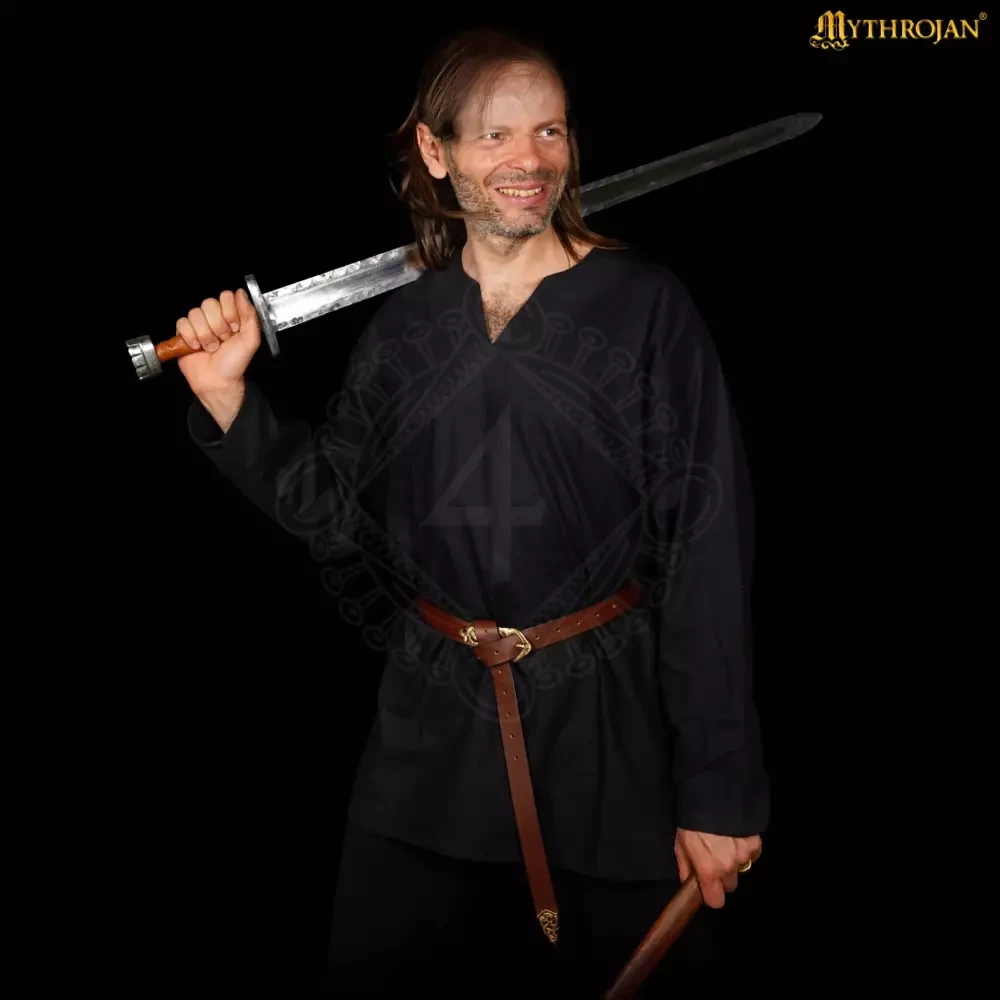
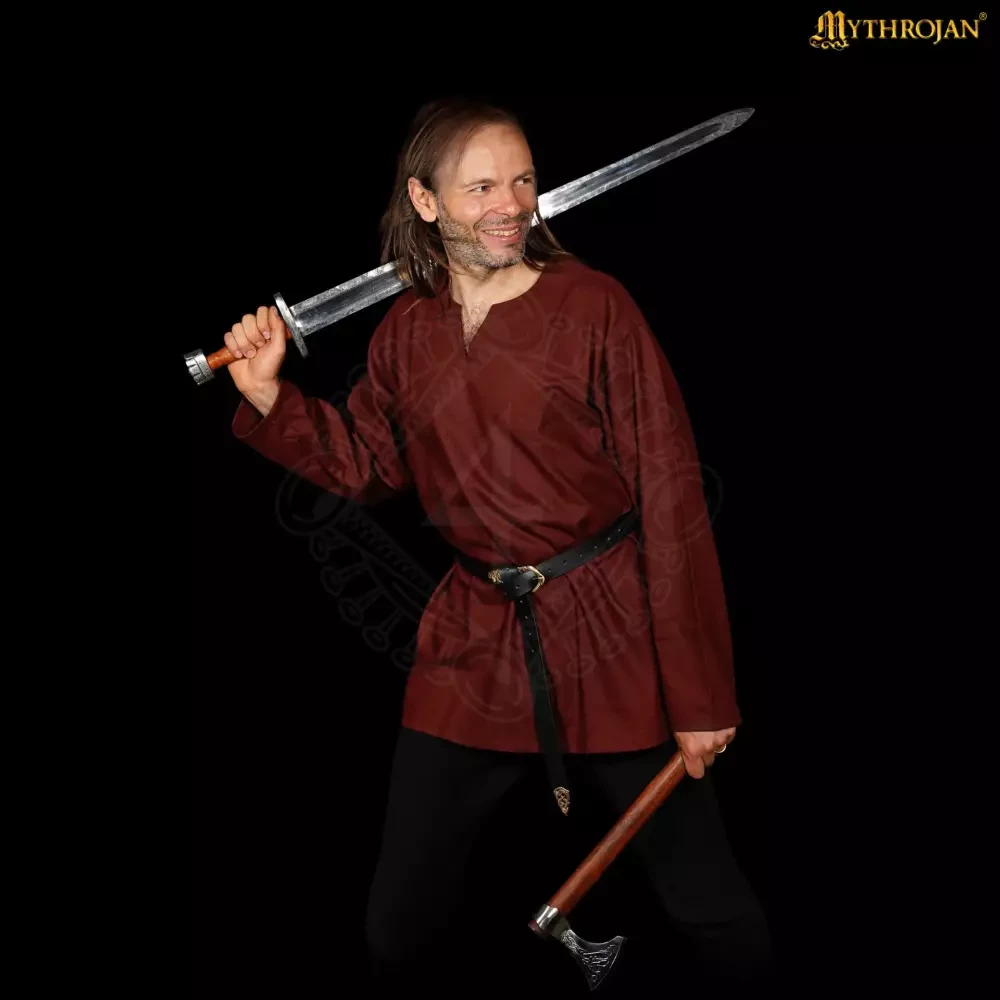
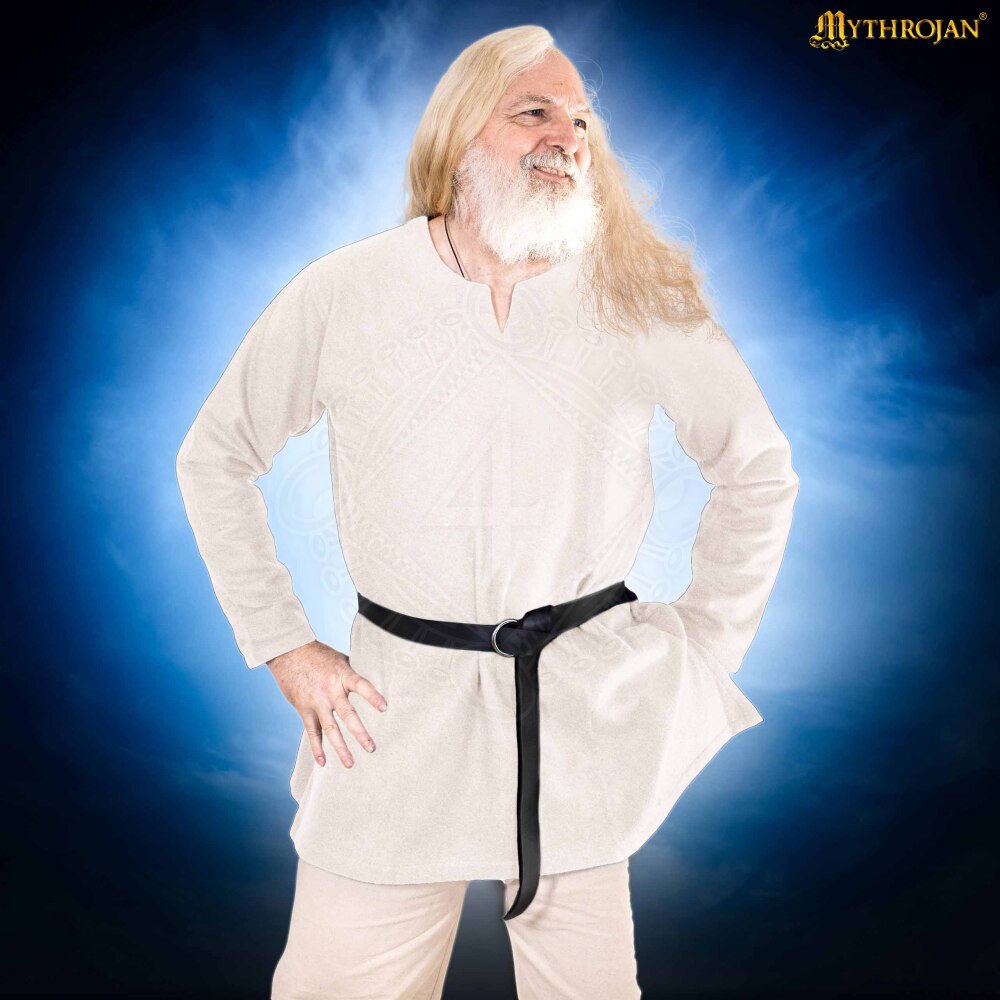
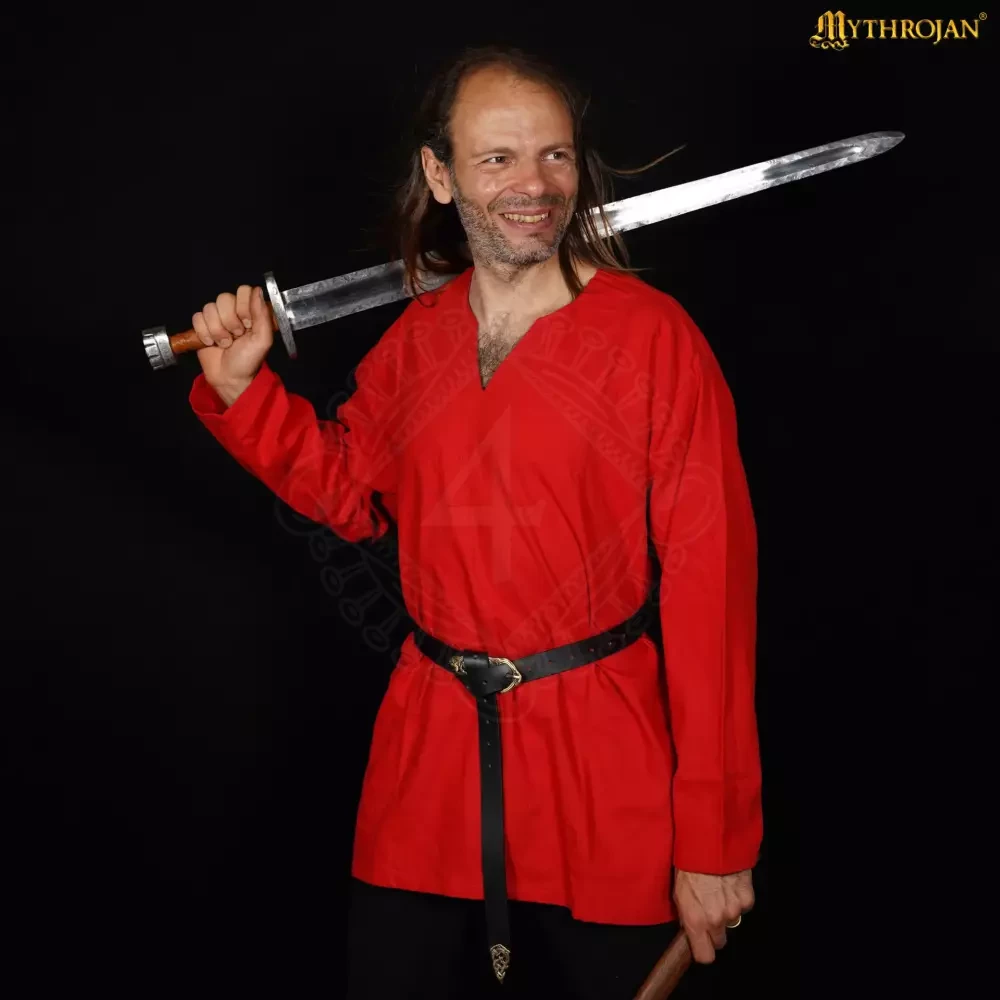

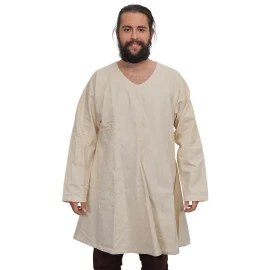
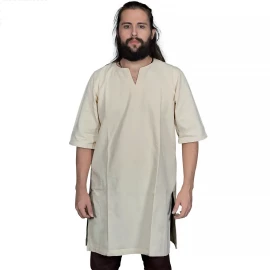
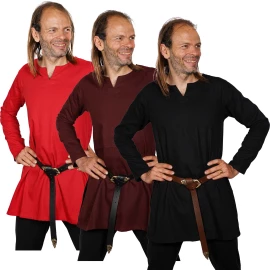
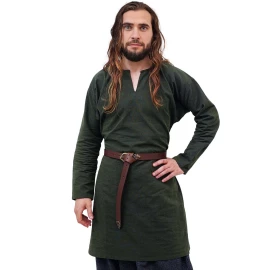
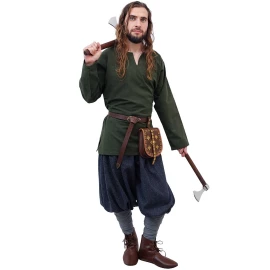
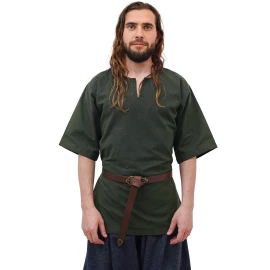
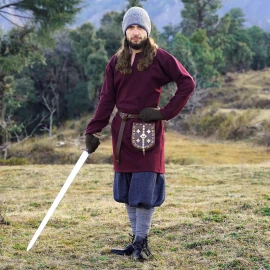
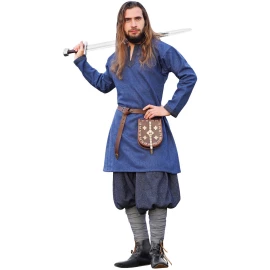
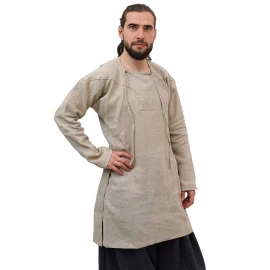
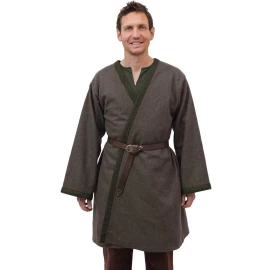
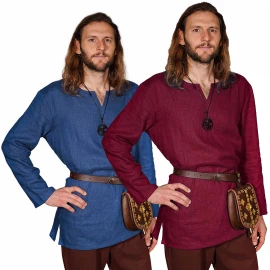
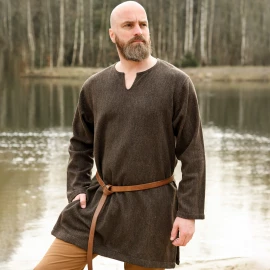
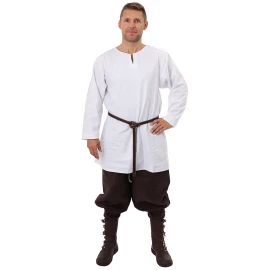
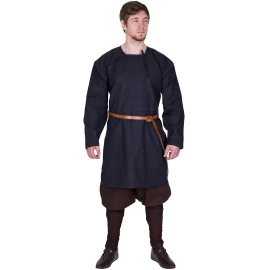
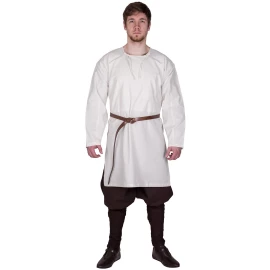
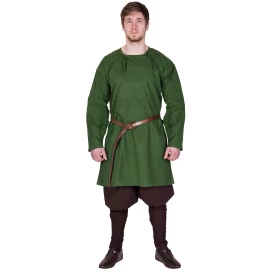
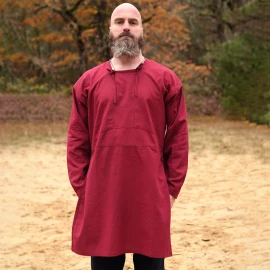
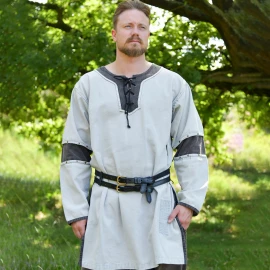
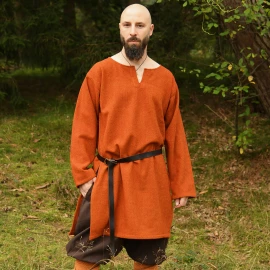
This medieval Viking-style tunic is sturdy and at the same time exceptionally comfortable. It's crafted from a durable and strong fabric – 100% pure, top-quality cotton canvas, which is sturdier and more resilient than common lightweight canvas. With extended wear, you'll appreciate not only its excellent durability but also the breathability of the natural material. You can wear this tunic for everyday use as part of your historical costume, as a protective base layer, or even take it into stylized battles! It's a core piece for any authentic medieval or Viking garb. Further product information ...

 Delivery options
The following variants are currently available:
Viking "Raider" Tunic – 100% Cotton Canvas Medieval Shirt
What Occasions is this Tunic Ideal For?
Thanks to its versatile design and high-quality craftsmanship, this tunic is the perfect choice for many occasions:
- LARP and SCA Events: An essential foundation for the costume of a Viking, medieval warrior, archer, or simple craftsman.
- Historical Festivals and Medieval Markets: Comfortable and authentic-looking attire for all-day wear.
- Cosplay: Suitable for portraying a wide range of historical or fantasy characters.
- Themed Weddings: A stylish addition for weddings with a historical or fantasy theme.
- Theatrical Performances and Film: A durable and believable piece for stage and screen productions.
- Everyday Wear at Historical Encampments: Withstands the rigours of camp life and provides comfort from the fiercest battlefield encampment to the impressive tables of your warlord's mead hall!
Who Wore Tunics in History and When?
The tunic is one of the oldest and most fundamental garments, worn across many cultures and historical periods, including the Viking Age (approx. 8th to 11th centuries) and the broader Middle Ages. The simple T-shaped cut was characteristic, though the length of the garment, sleeves, and type of neckline could vary. Historically, tunics were primarily made from wool and linen. This cotton canvas version is a modern, practical alternative for reenactment, offering ease of care and comfort. Tunics served as an outer garment for common people or as an under-garment (like a kyrtle or under-tunic) for wealthier individuals or warriors beneath mail, gambesons, or woollen outer layers. A snugger fit with slightly shorter sleeves is typical for an under-tunic, designed not to bunch up under additional layers of clothing or armour.
A Historical Curiosity
Did you know that in medieval times, layering clothing was crucial not only for warmth but also for protection and comfort? An under-tunic like this would have protected the body from a_chafe_ from rougher woollen outer garments or metal armour. It also absorbed sweat, helping to keep the often more expensive outer layers cleaner. The simplicity of plain-coloured tunics also allowed them to be easily accessorized with belts, pouches, and other items that completed the wearer's overall look.
Detailed Product Description and Material
This medieval Viking tunic is made from a durable and strong fabric of 100% pure, top-quality cotton canvas. This material is intentionally chosen for its robustness and is significantly sturdier and more resilient than common thinner cotton fabrics. The tunic is designed to fit closely to the body and has slightly shorter sleeves – ideal characteristics for wearing it as a base layer under other clothing or armour, where it prevents uncomfortable bunching. In colder weather, it will serve you excellently, for example, underneath itchier woollen outer garments. However, if you wish to wear the tunic as a looser, full-flowing outer garment (like our "Raider" tunic style!), it is advisable to choose one or two sizes larger. This is a high-quality product from the renowned brand Mythrojan®, designed in the USA and made in Nepal.
Key Features:
- Material: 100% Sturdy Cotton Canvas
- Fit: Snug with shorter sleeves (ideal as an under-tunic); size up for a looser "Raider" style.
- Style: Medieval, Viking
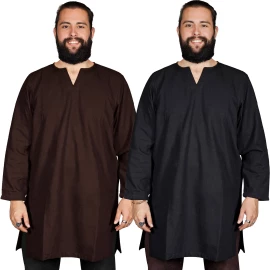
- Available Colours: Black, Brown, Natural Cream, Red
- Available Sizes: S, M, L, XL, XXL
- Brand: Mythrojan®
- Origin: Designed in the USA, Made in Nepal
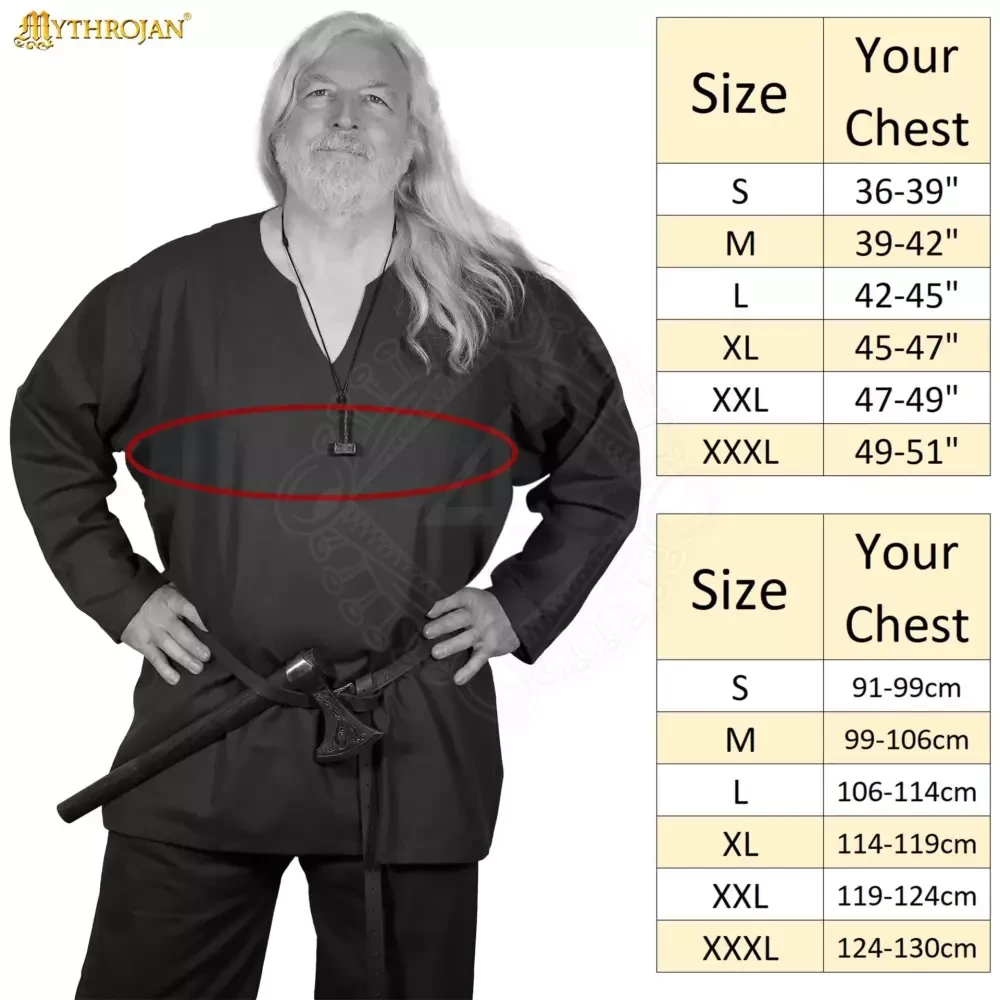
Sizing Information
This tunic is specifically designed to be an under-tunic, cut extremely close to the body with slightly shorter sleeves than a usual tunic. This is optimal if you plan to wear it as a base layer beneath other clothing or armour. If you desire a looser fit to wear it as a standalone outer garment (achieving a "Raider" tunic style with a full, flowing cut), we strongly recommend choosing ONE OR TWO SIZES LARGER than you normally wear. Please be aware that Mythrojan tunic sizes generally run smaller than standard US market sizes. When in doubt, or if you don't like it to be too tight, please size up! A specific size chart with detailed measurements for this model is not currently available, so please follow these fitting and sizing recommendations carefully.
How to Care For Your Tunic?
To ensure your cotton canvas tunic maintains its beauty, strength, and functionality for as long as possible, please adhere to the following care instructions:
- Washing: Machine wash at 40°C / 104°F (preferably with similar coloured clothes to avoid the risk of colour transfer).
- First Use: Wash before first use.
- Drying: Can be tumble dried on low heat. However, for a longer lifespan of the material and to minimize shrinkage, air drying is always gentler.
- Ironing: Can be ironed on a low heat setting (cotton setting) if necessary.
Live your adventures in quality and style – perhaps in a tunic like this, which will be a faithful companion on many journeys!
We are here for you!







.3773623034.1696456237.png.webp)

.3773623034.1696456268.png.webp)
.3773623034.1696456247.png.webp)