
 Čeština
 Deutsch


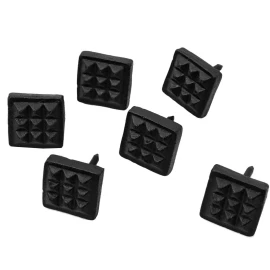
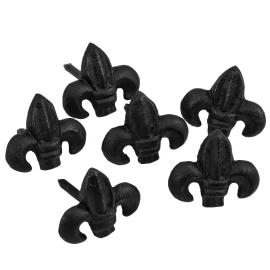
Forged Iron Quatrefoil Nail, 40 mm - Decorative Furniture Stud (Set of 6)

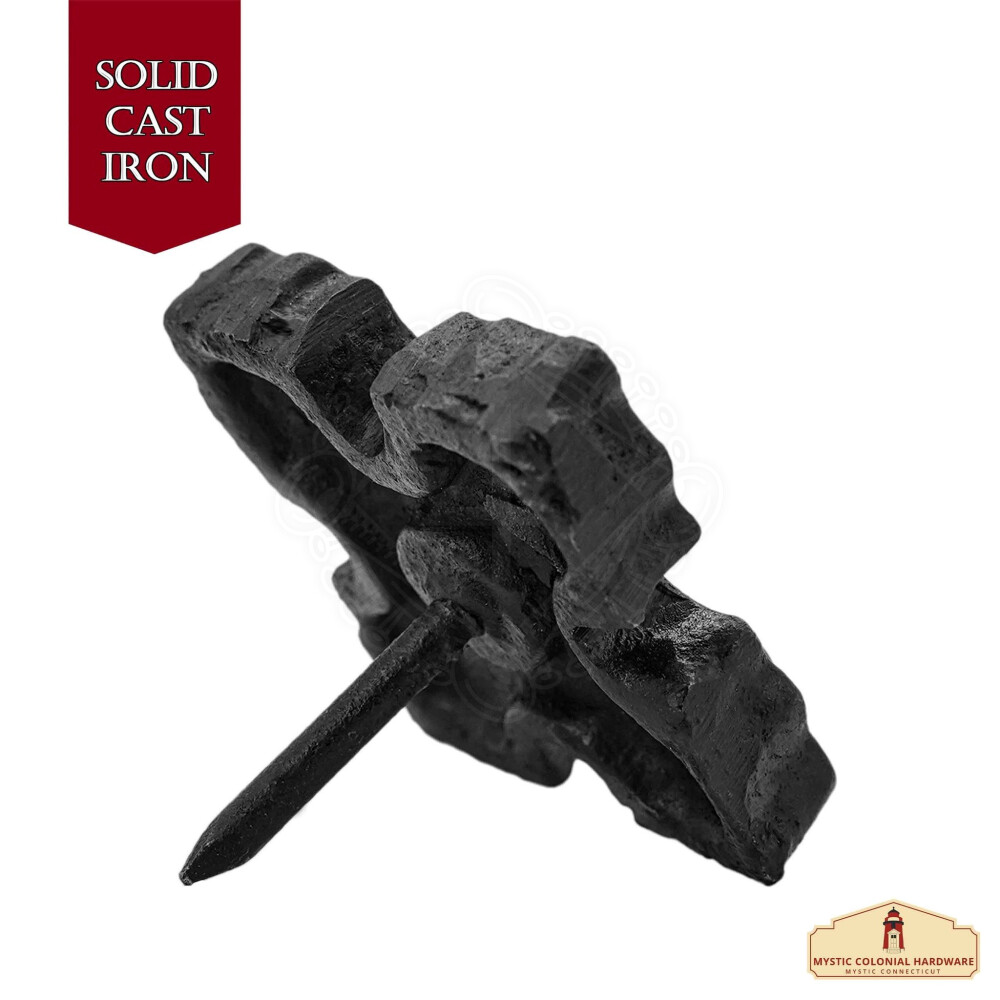
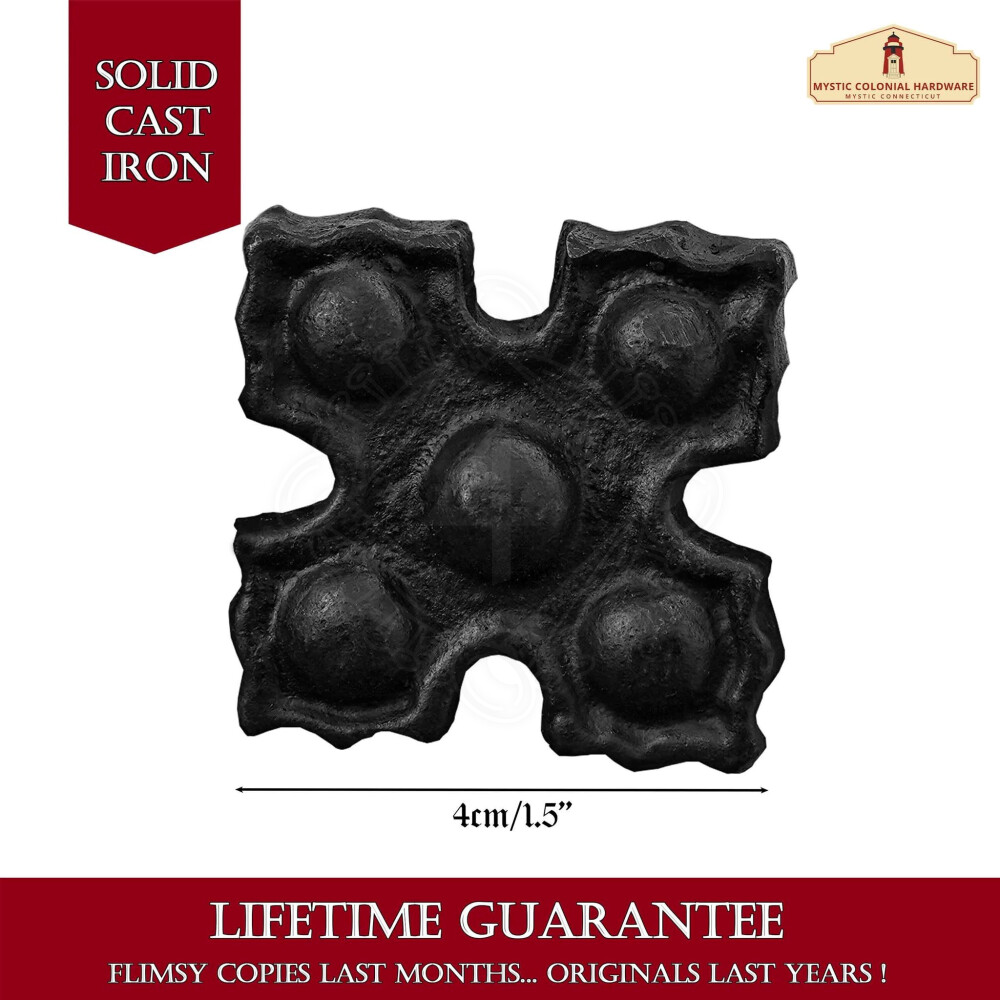
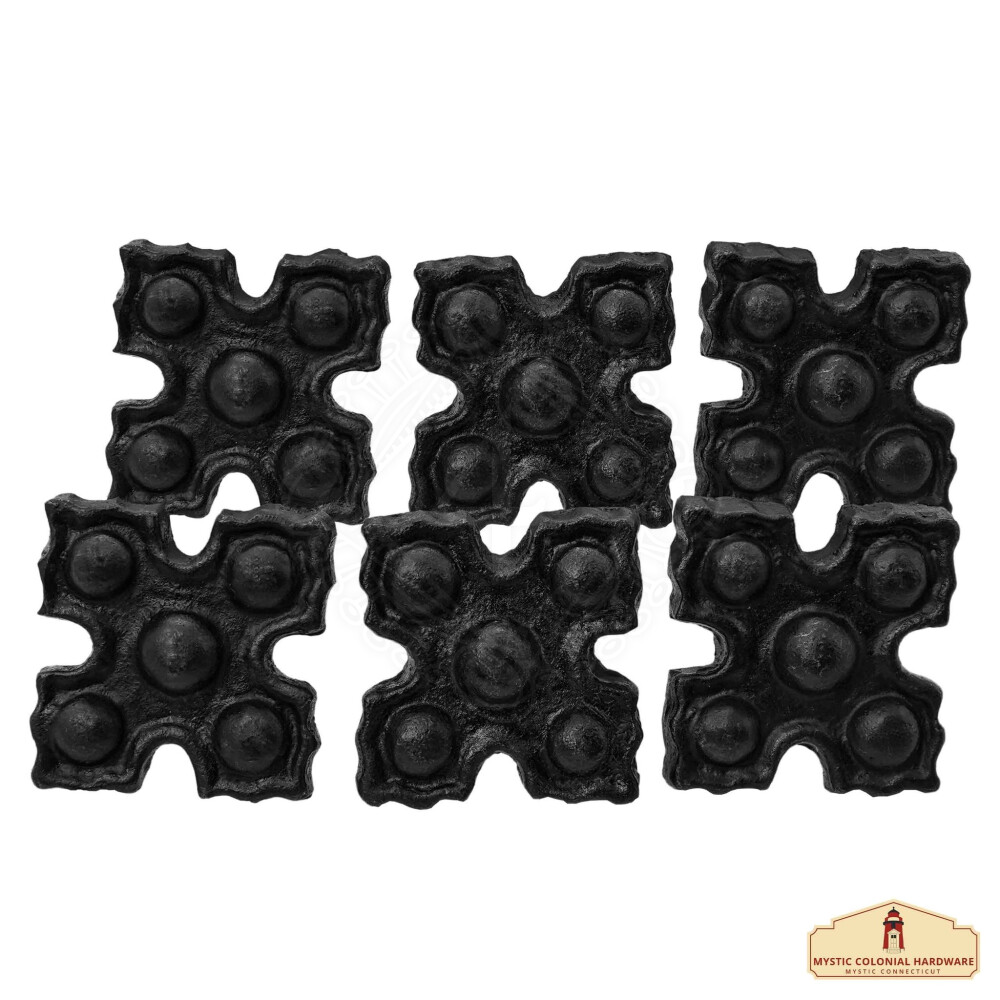
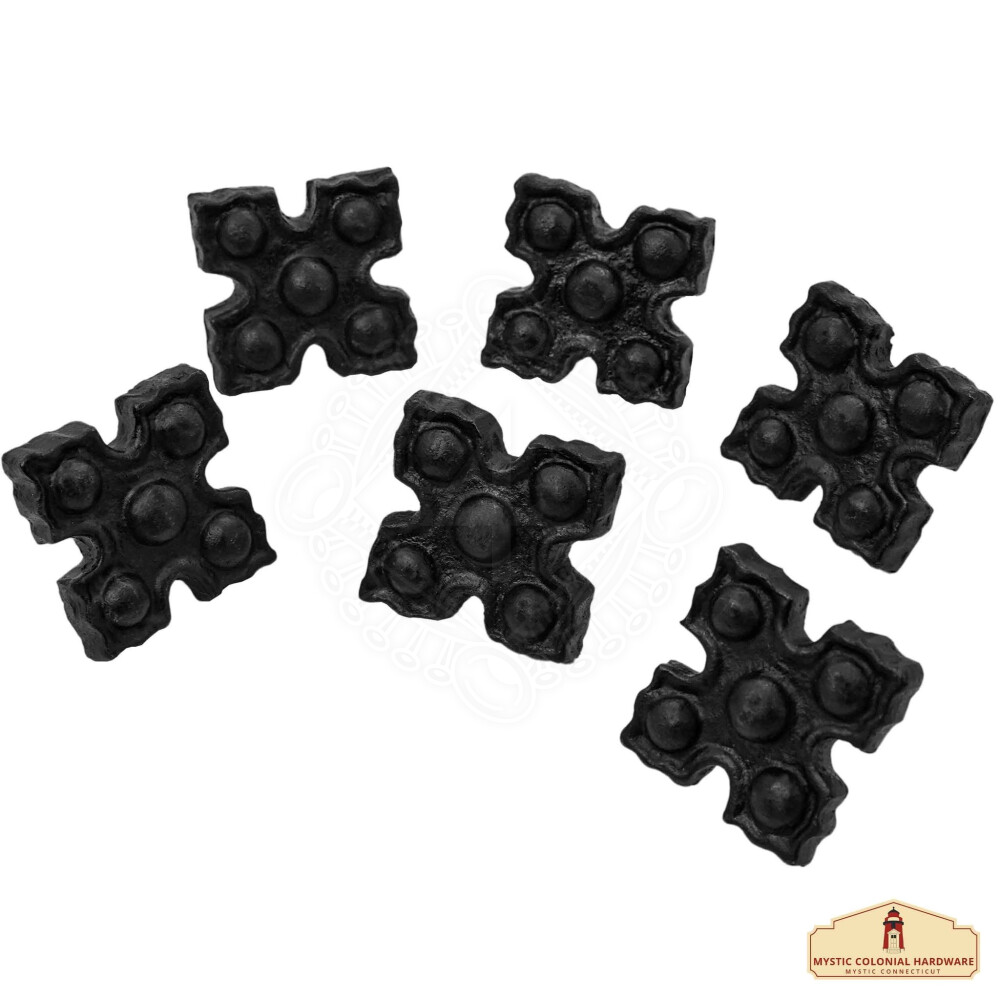
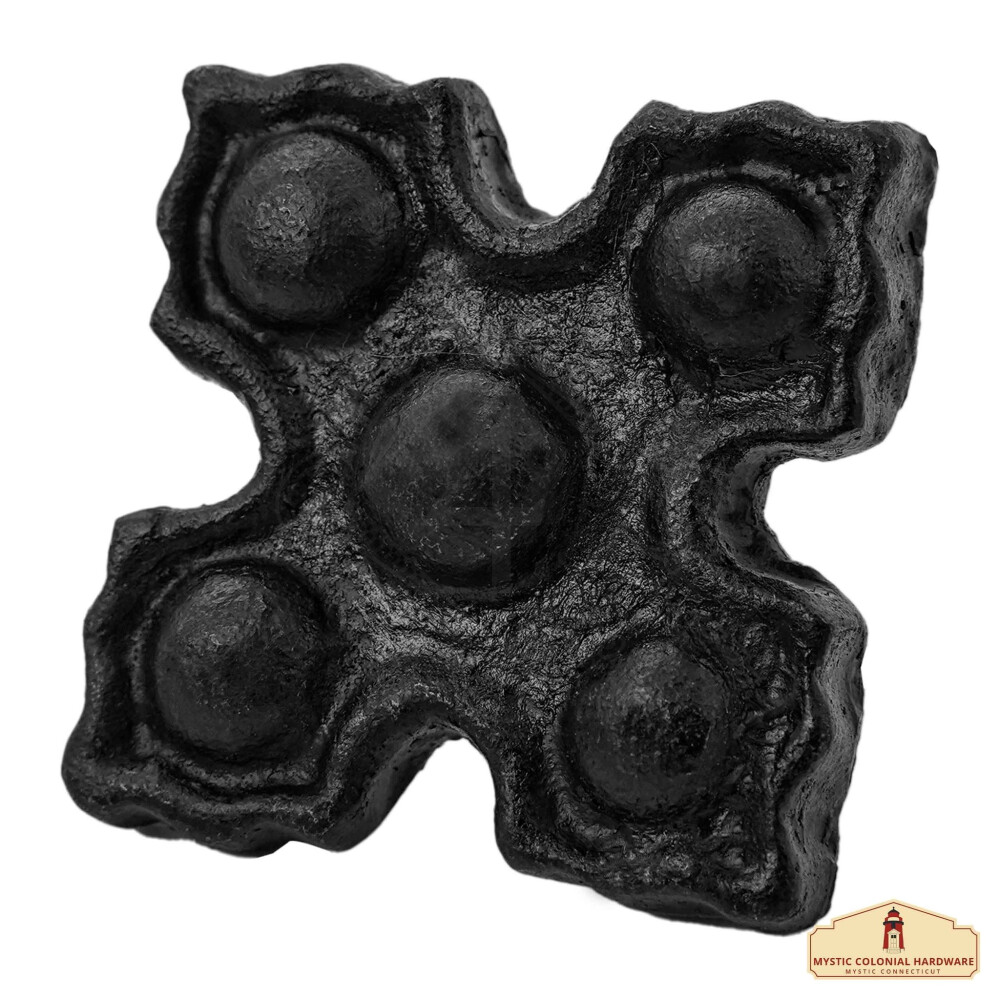
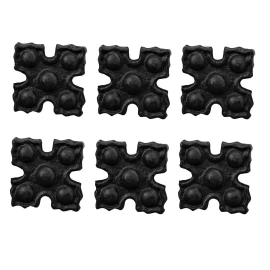
Breathe the soul of old times into your projects with these intricately crafted forged nails. This more compact version, with a 40x40 mm head in a Gothic quatrefoil shape, is ideal for decorating furniture, smaller doors, wooden chests, or as a unique decorative element. Their solid yet elegant look gives any piece of wood a touch of originality and historical value. This set of six allows for creating symmetrical and impressive patterns. Further product information ...

Would you like to be notified as soon as the item is in stock?
You will receive a short e-mail as soon as we have it back in stock.
Forged Iron Quatrefoil Nail, 40 mm - Decorative Furniture Stud (Set of 6)
Gothic Design in a Compact Form
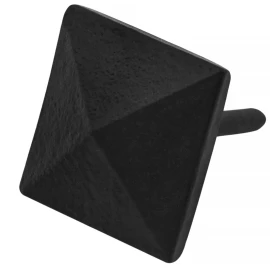
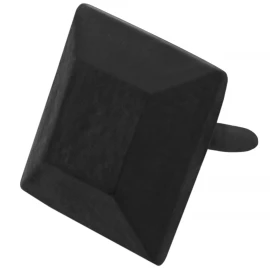
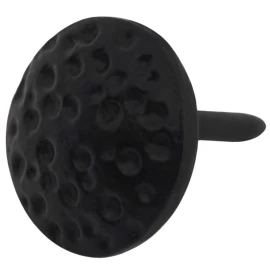
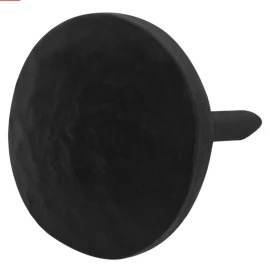
This is a decorative nail made from honest forged iron. The square head with notched corners and five hemispherical protrusions—one central and four in the corners—creates a striking three-dimensional effect even in this smaller size. The surface bears traces of skilled craftsmanship and is treated with a traditional blackening process, which gives it a matte finish and protects it from the elements.
Specifications:
- Material: Forged Iron
- Head Size: approx. 40 x 40 mm (converted from 1.5 inches)
- Weight per piece: approx. 68 g
- Finish: Blackened, Matte
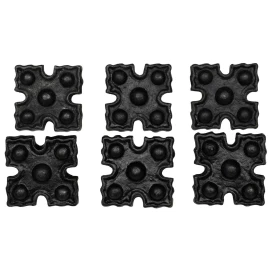
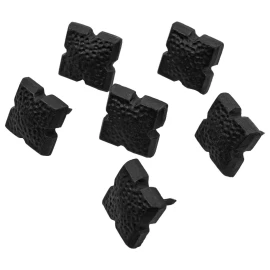
- Package Contents: 6 pieces (nails)
Wide-Ranging Use, From Furniture to Decorations
Thanks to their versatile size, these nails are not just for large doors and gates. Use them to adorn drawer fronts on a dresser, enhance the look of a wooden chest, or create an original mirror frame. They also serve excellently as luxurious decorative tacks for leather chairs or as stylish stoppers. Their design fits perfectly with Gothic or Baroque styles, as well as country, industrial, or Steampunk aesthetics.
The Symbolism of Gothic Architecture
The quatrefoil motif is one of the most characteristic elements of Gothic architecture and art, popular since the 12th century. It can be found in the tracery of cathedral windows (like those at Notre-Dame in Paris), on furniture, in coats of arms, and on metalwork. It symbolized the cross, the four Evangelists, or harmony and perfection. Using such shaped nails on doors and furniture was not just a decoration but also a reference to the artistic and spiritual values of the era.
Beauty Combined with Strength
In the past, such massive nails served a dual function. Their wide head not only decorated the surface but also effectively distributed pressure and held planks firmly together. They were often used to attach metal straps to doors or chests, significantly increasing their resistance against forced entry.
Installation and Care for a Long Lifespan
How to Install
For installation in softwood, you can gently hammer the nail in. For hardwoods (e.g., oak, ash), we always recommend pre-drilling a pilot hole with a diameter smaller than the nail's shank. This will prevent the risk of splitting the wood. Use a rubber mallet or place a piece of scrap wood over the head when hammering to avoid damaging its decorative surface.
How to Care for the Nails
The blackened finish provides good basic protection. To maintain the look and protect against rust, especially if the nails are exposed to moisture, simply wipe them down from time to time with a cloth and a drop of natural oil (e.g., linseed oil) and remove any excess. This will revive their colour and renew the protective layer.
What to Avoid
This nail is primarily intended for a decorative and reinforcing function in wood. It is not a load-bearing structural element for hanging extremely heavy objects. Do not use it in masonry or concrete without proper preparation and a suitable wall anchor or plug.
We are here for you!




.3773623034.1696456237.png.webp)

.3773623034.1696456268.png.webp)
.3773623034.1696456247.png.webp)