 Čeština
 Deutsch


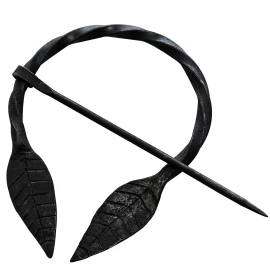
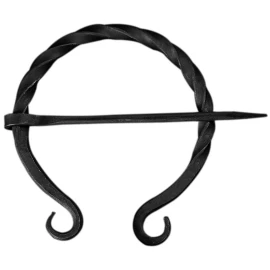
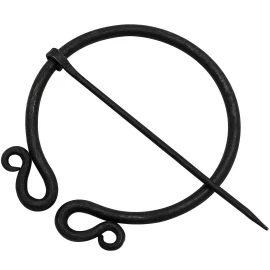
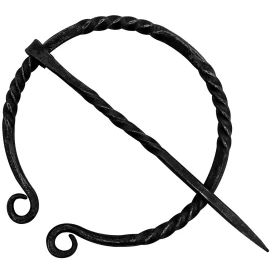
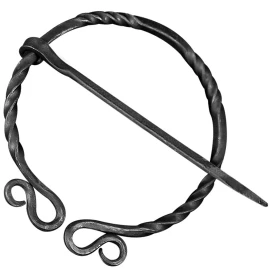
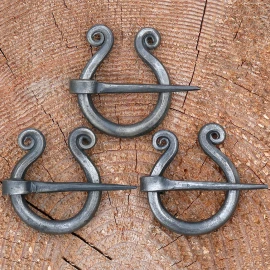
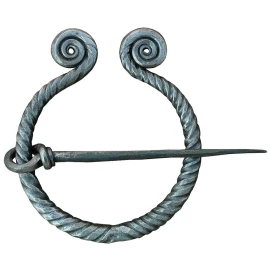
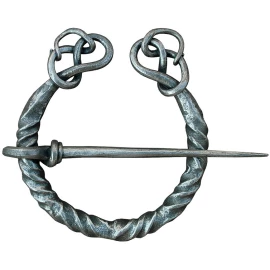
Hand-Forged Iron "Elfic Ranger" Knotted Fibula - Outlet
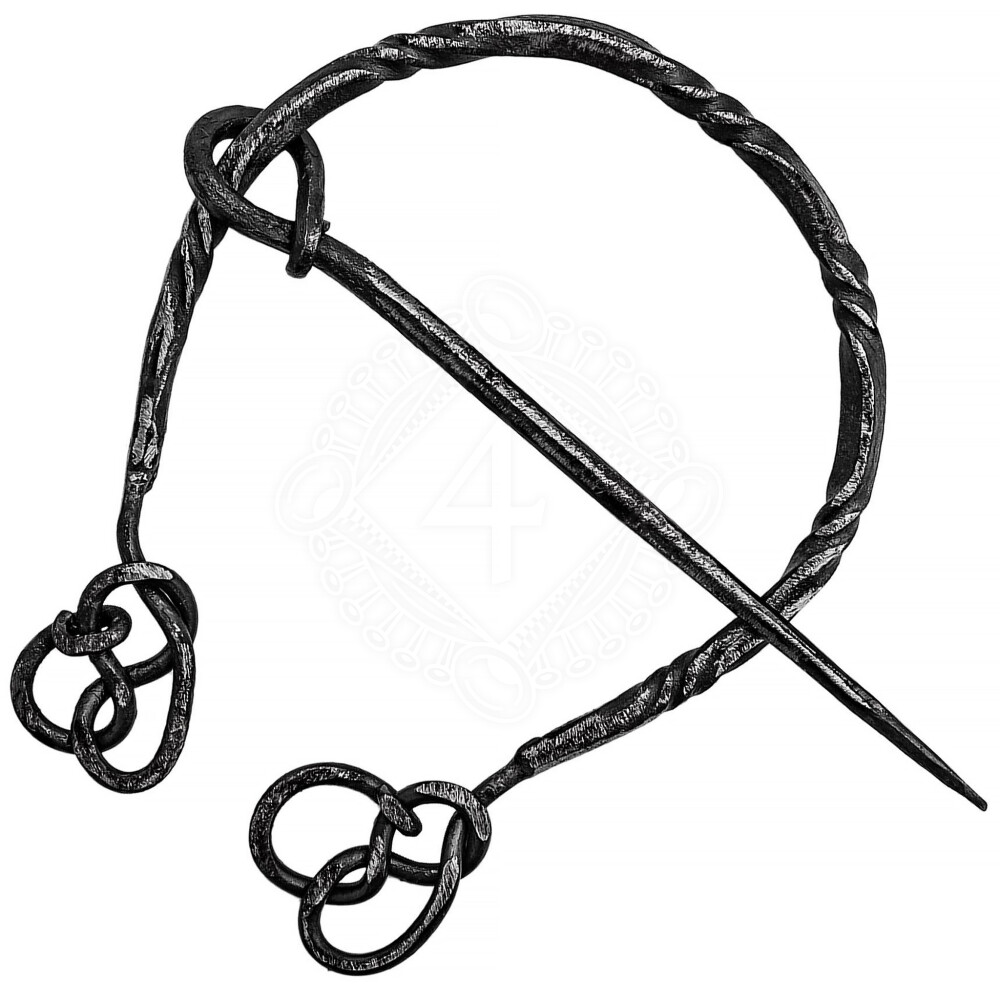
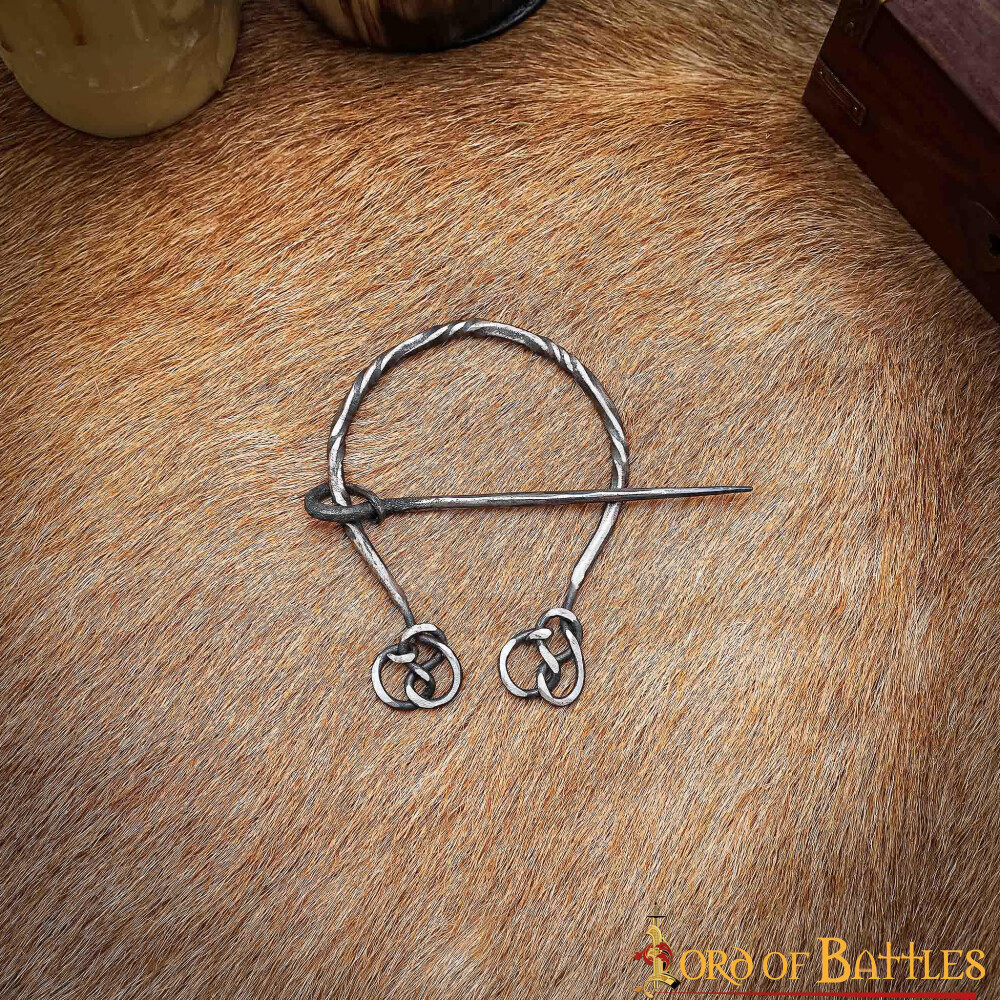
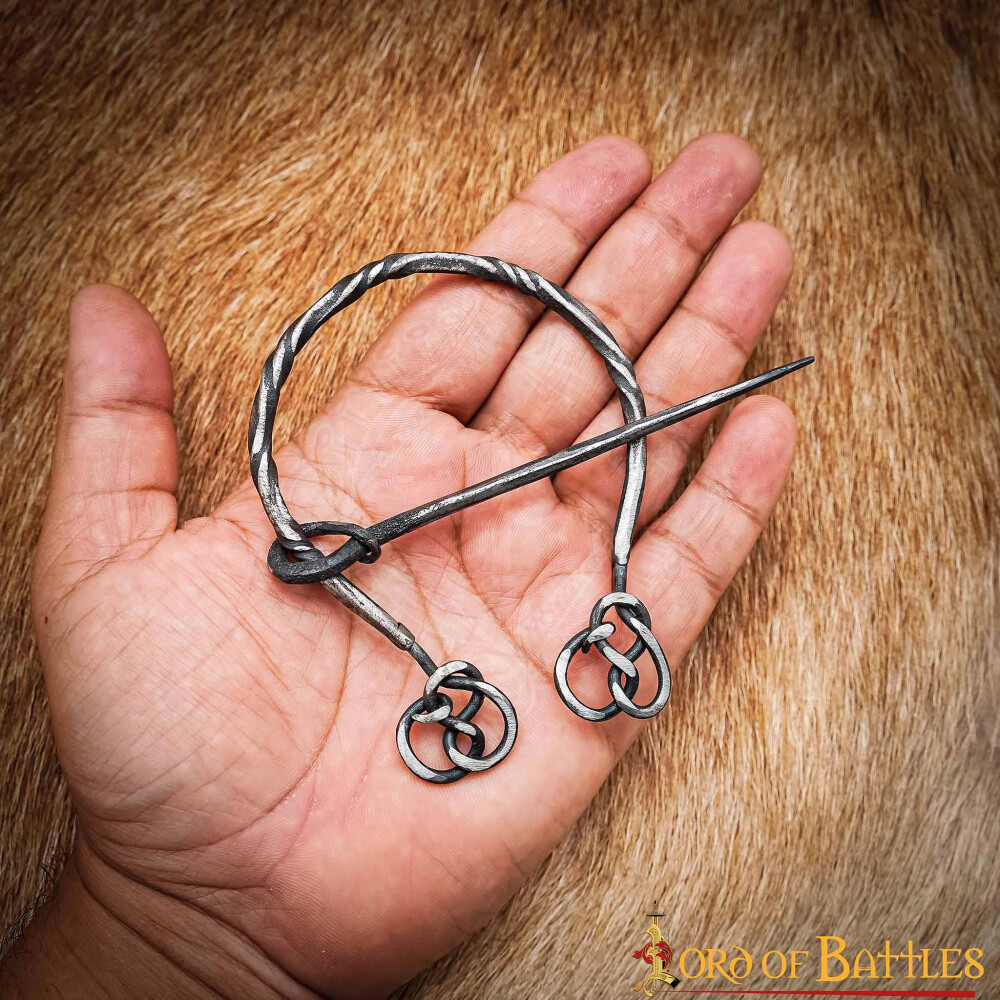
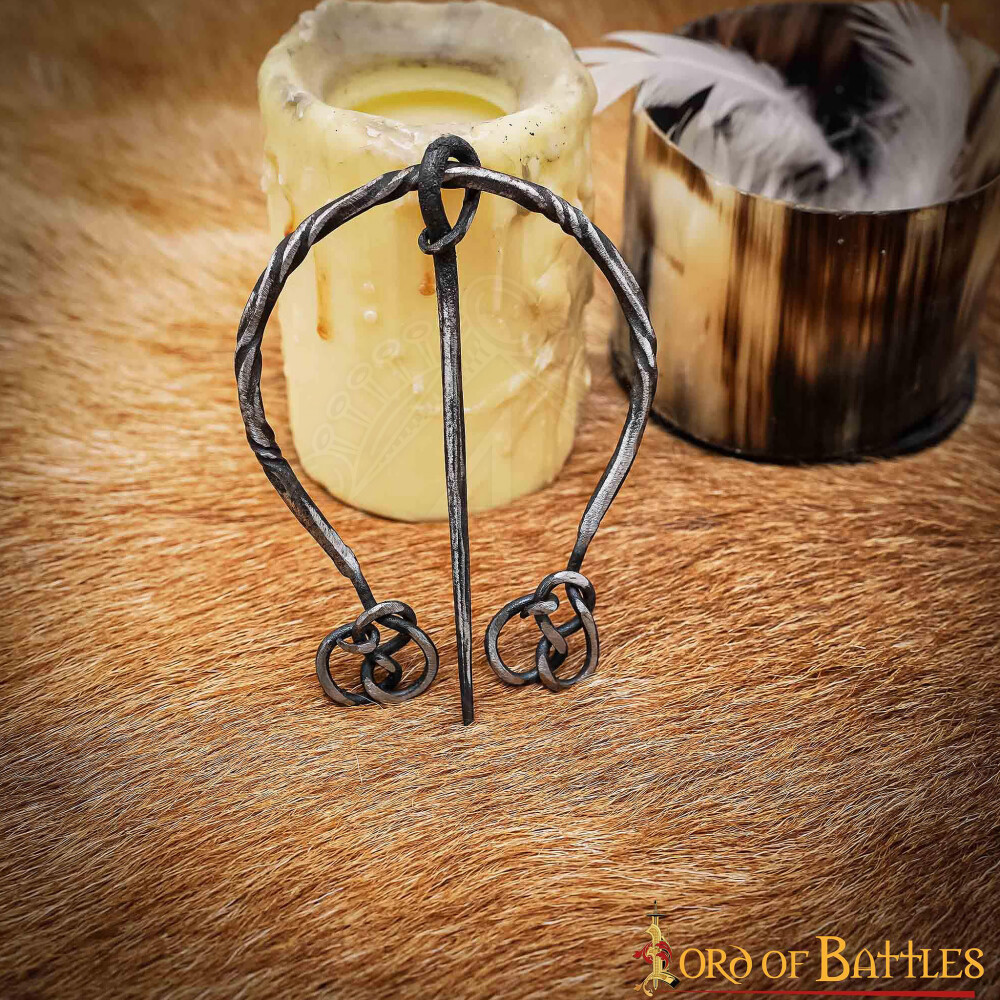
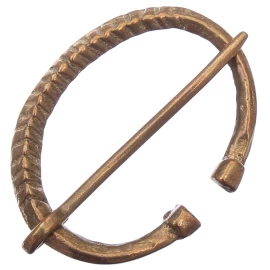
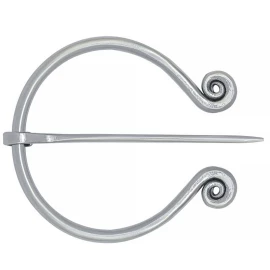
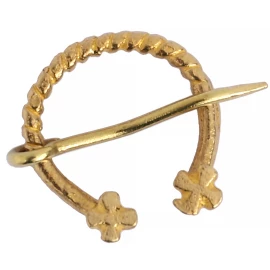
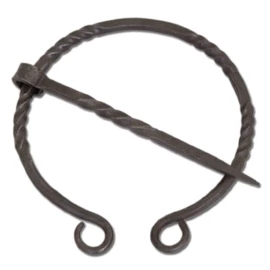
An Elegant and Functional Accessory for Your Garment. This hand-forged iron fibula, inspired by fantasy realms, is not just a practical tool but also a striking accessory for your attire. Its design combines a robust, twisted body with finely crafted knots at each terminal, giving it a unique and authentic appearance. Whether you are preparing for a LARP event, a historical fair, or simply looking for an original piece to fasten your cloak, shawl, or sweater, this brooch will perfectly accentuate your style. Thanks to quality craftsmanship, each piece is a genuine original. Further product information ...

Hand-Forged Iron "Elfic Ranger" Knotted Fibula
Product Specifications
Due to the hand-forged nature of this item, dimensions and weight may vary slightly from piece to piece. The listed values are approximate.
- Material: Hand-forged iron
- Finish: Natural, preserved with oil
- Overall Length: 10 cm / 3.9 inches
- Overall Width: 7.5 cm / 3.0 inches
- Inner Diameter: 6.7 cm / 2.6 inches
- Pin Length: 10.2 cm / 4.0 inches
- Weight: 38 g / 1.34 oz
History and Use of Fibulae
The Fibula as Both Symbol and Practical Tool
Fibulae, also known as brooches or cloak pins, are among the oldest types of jewelry and clothing accessories, with their use dating back to the Bronze Age. They were essential for fastening garments like cloaks, tunics, and capes in eras before buttons became common. The shape, size, and decoration of a fibula often reflected the social status and wealth of its owner. This specific style, known as a penannular brooch, was particularly popular during the Early Middle Ages, especially among Celtic and Viking cultures who valued its strength and simple functionality.
An Interesting Fact: Fibulae in Archaeology
For archaeologists, fibulae are an invaluable source of information. Their designs and styles changed over the centuries and across different cultures. This allows archaeologists to accurately date archaeological layers and determine the cultural affiliation of a site's original inhabitants based on the type of fibula found. The fibula thus serves as a critical chronological and cultural marker.
How to Use and Care for Your Fibula
Easy Fastening
Using the fibula is very simple and secure. First, pierce the pin through the fabric of your cloak or garment at two points in the desired position. Next, pull the pin, along with the gathered fabric, back through the center of the ring. Finally, rotate the brooch 90 degrees so the pin rests across the ring. The resulting tension in the fabric will hold the pin securely in place, preventing it from opening accidentally.
Maintenance for a Long Lifespan
As the fibula is crafted from iron with an oiled finish, it requires minimal care to maintain its beauty and prevent corrosion.
- Keep the fibula dry. If it gets wet, dry it thoroughly with a cloth as soon as possible.
- Occasionally, you can wipe it with a cloth lightly dampened with mineral oil or a natural oil (like linseed oil). This will restore its protective layer and enhance its dark patina.
- Avoid storing it in a damp environment. Do not clean the fibula with soap and water.
- Due to the sturdy needle, we recommend not using the brooch on very fine and silky fabrics, as these could be damaged. It is ideal for wool coats, felt garments or thicker cotton fabrics.
We are here for you!