 Čeština
 Deutsch


Kusnacht Brigandine, 14th Century Coat of Plates - Outlet
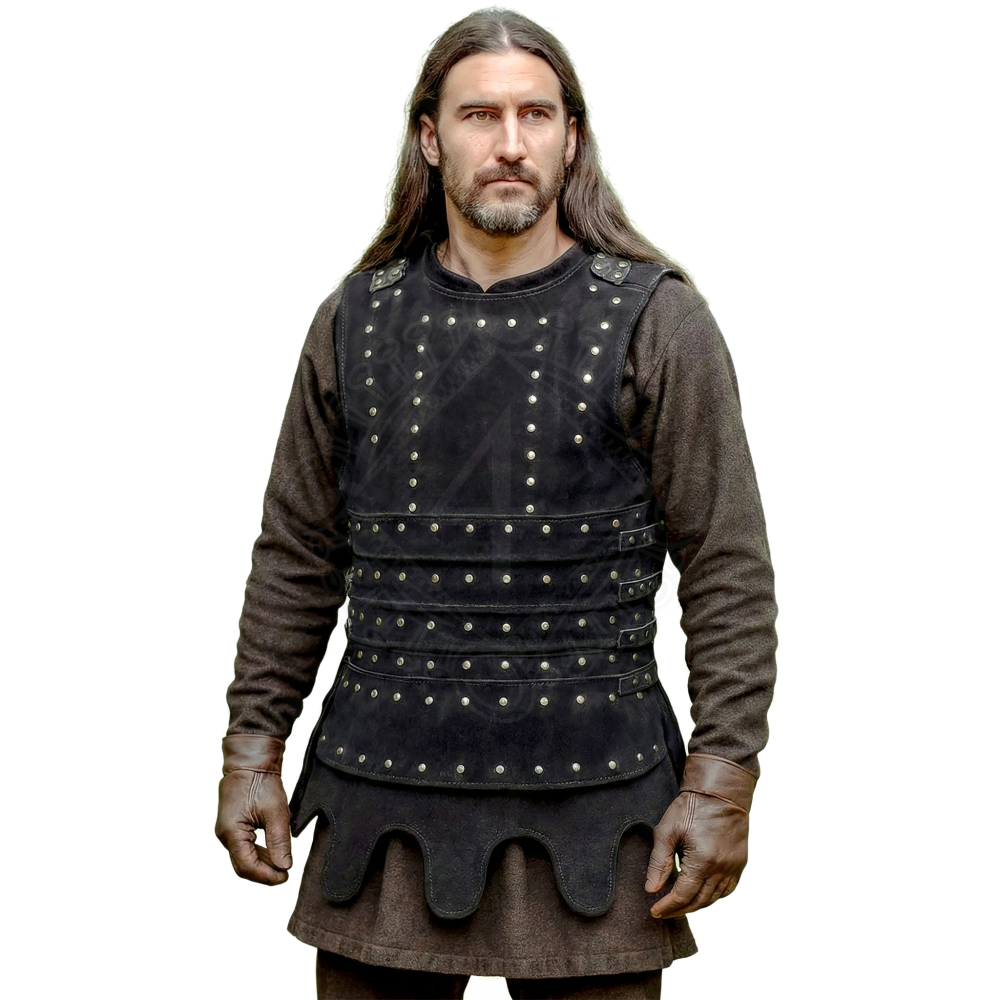
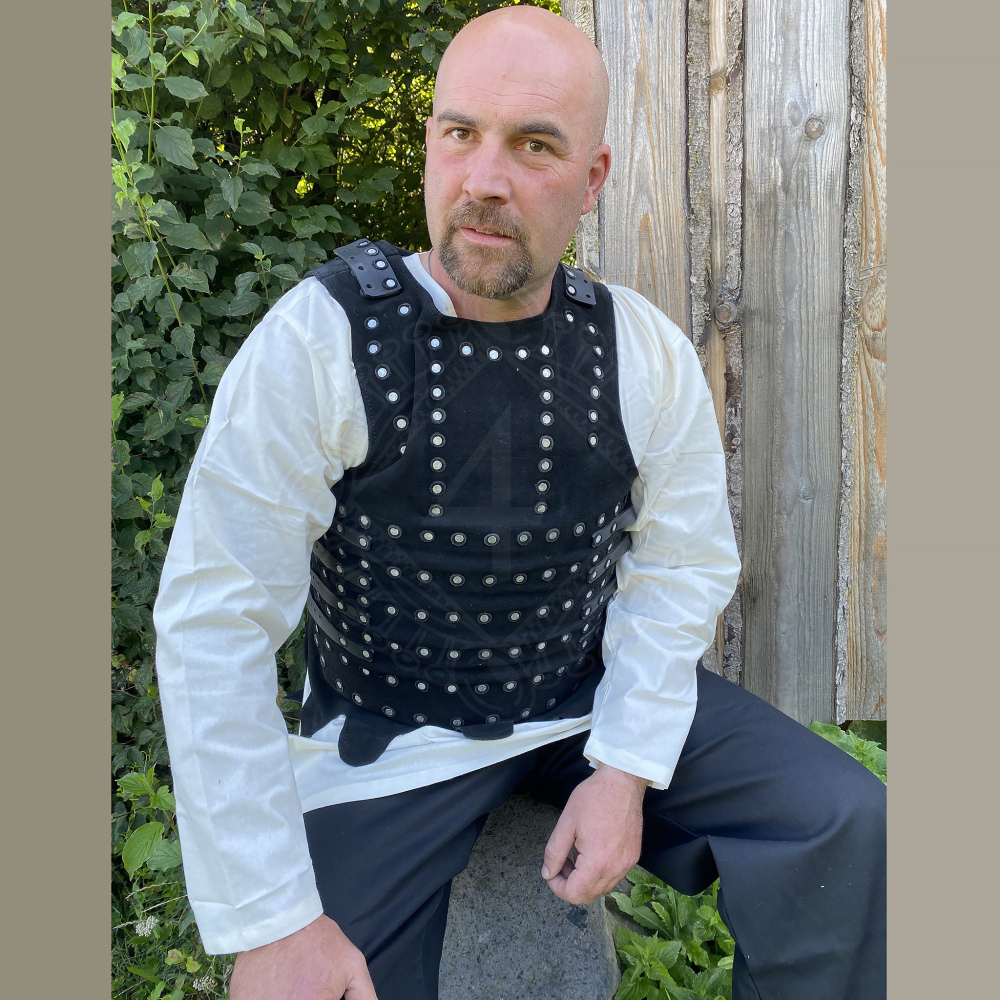
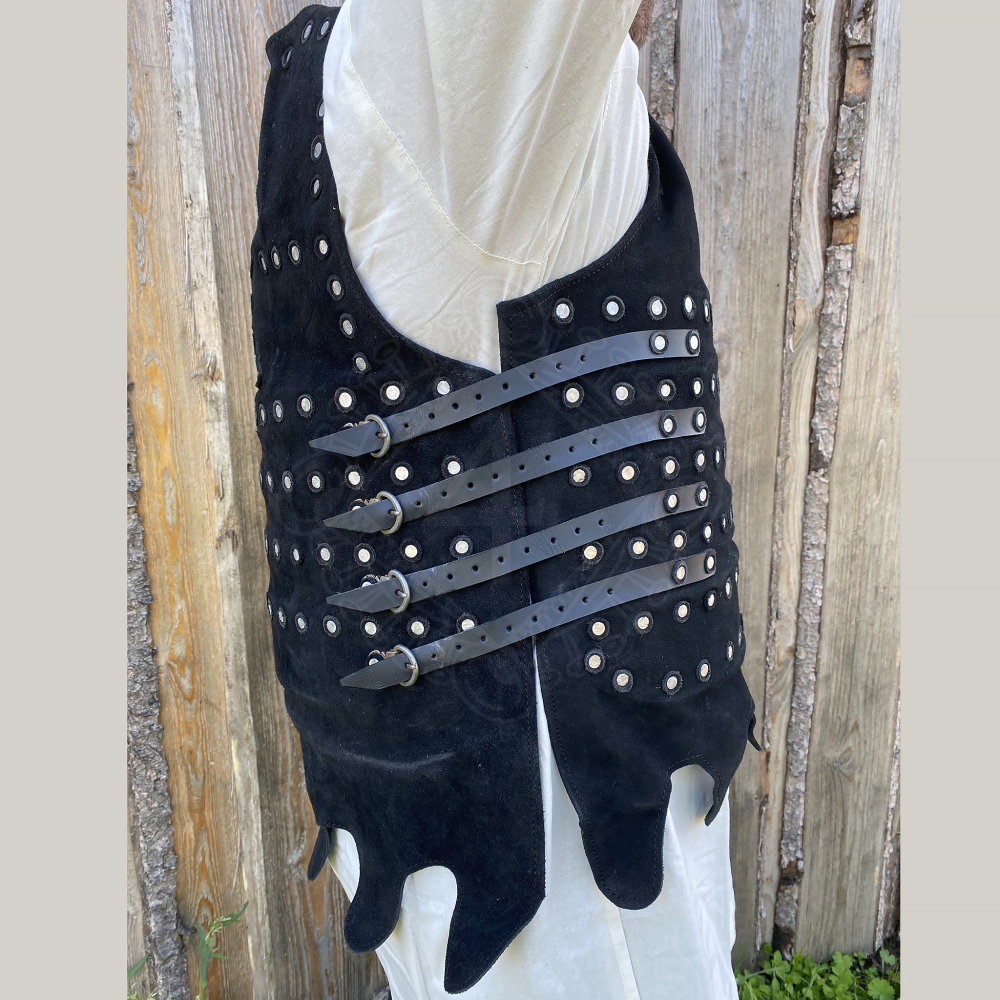
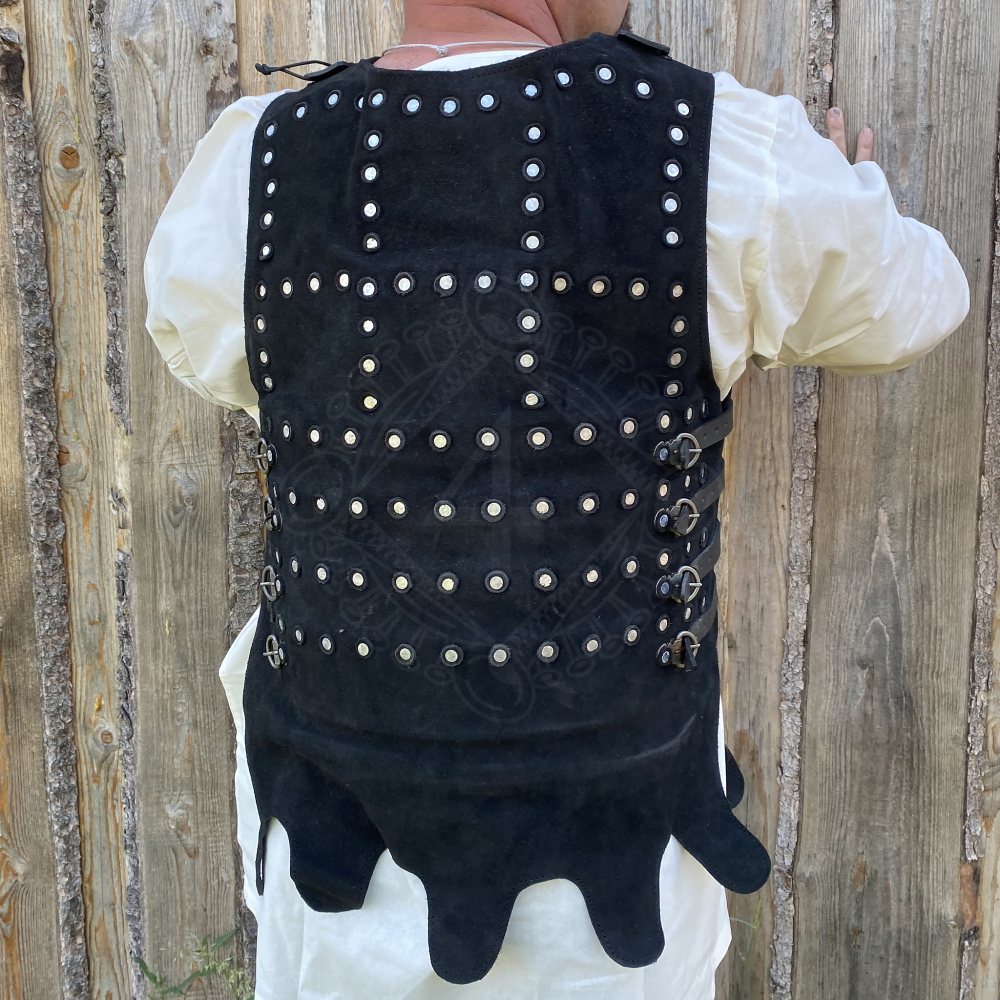
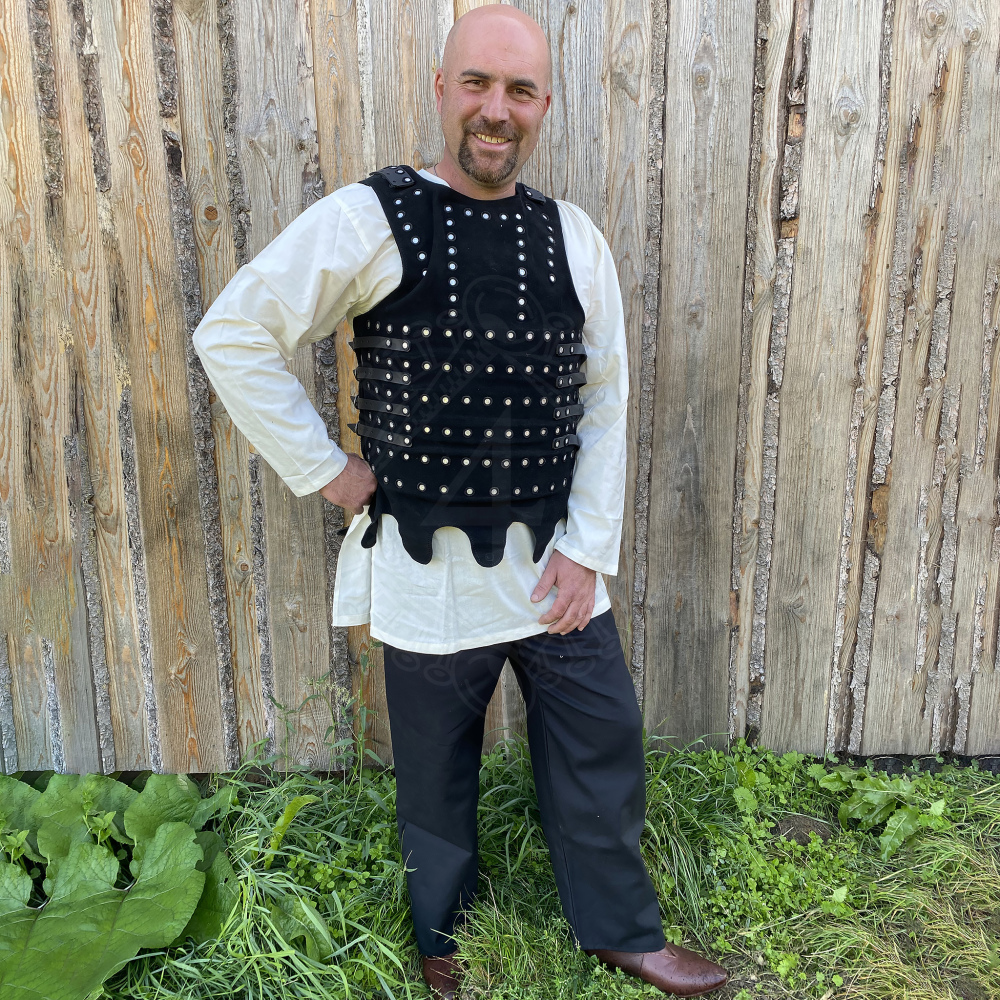
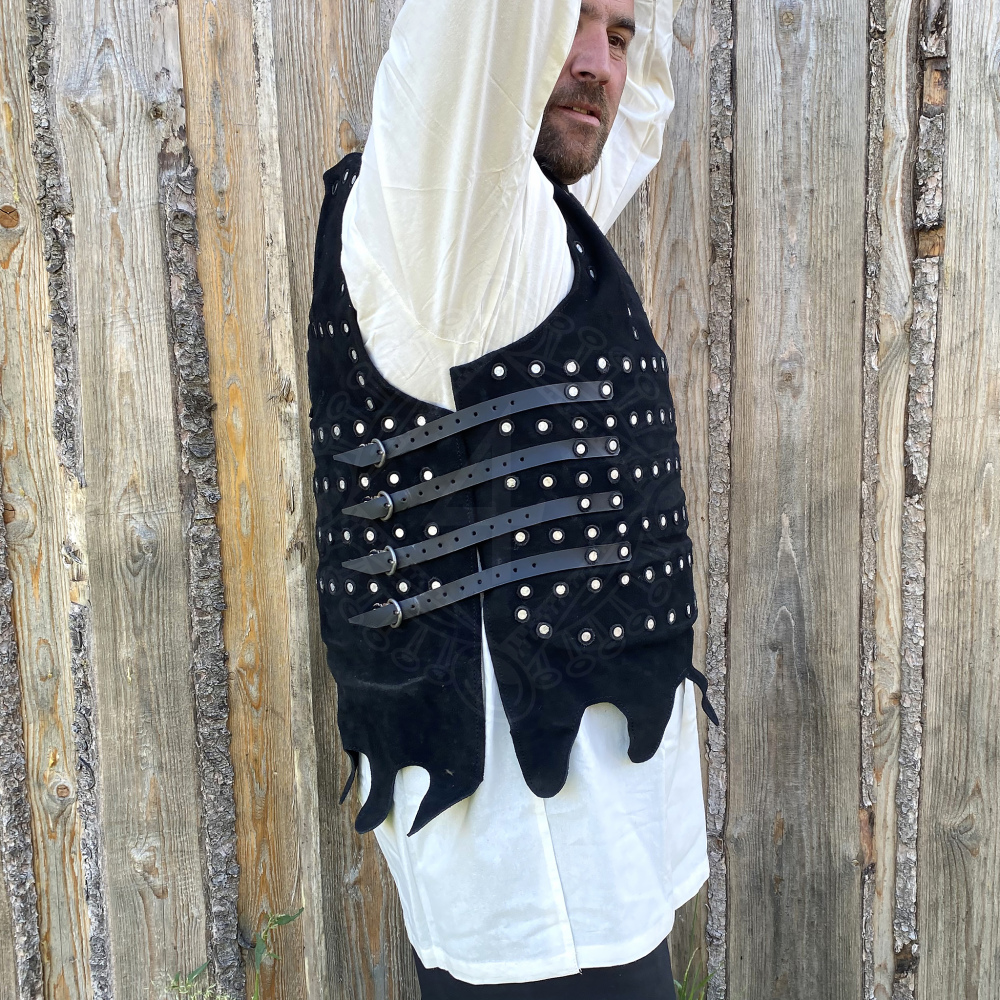

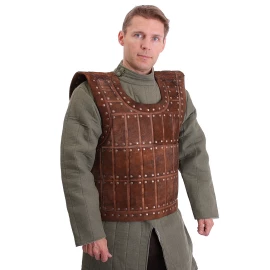
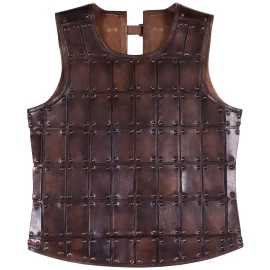
Enter the World of Knights with a Perfect Replica! Wear a piece of history! This brigandine is a meticulously crafted replica of the famous find from Küsnacht Castle in Switzerland, representing the typical torso protection worn by knights and men-at-arms in the 14th century. Thanks to its ingenious combination of steel plates and durable leather, it offers an excellent balance between protection and mobility. This is precisely why the brigandine was such a popular and widespread piece of armour in its time. Further product information ...

The following variants are currently available:
Kusnacht Brigandine, 14th Century Coat of Plates
Detailed Craftsmanship and Authentic Appearance
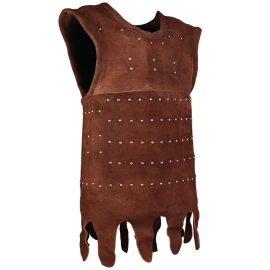
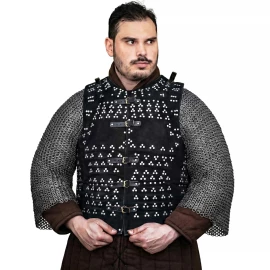
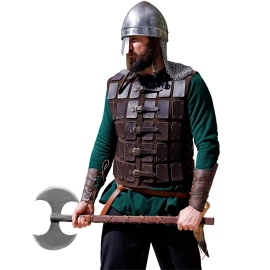
This coat of plates immediately impresses with its robust yet elegant design. The outer layer of high-quality black suede leather gives it a luxurious and historically accurate look.
- Construction: Hidden beneath the suede surface is its most crucial feature: a system of overlapping steel plates, approximately 1 mm thick. These are securely riveted from the inside with polished steel rivets, which form a characteristic decorative pattern on the surface. This design effectively distributes the force of impacts over a larger area.
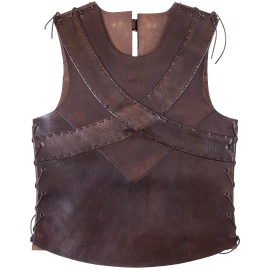
- Fastenings: On the sides and shoulders, the brigandine adjusts perfectly to your body shape using sturdy leather straps with historically shaped steel buckles. This ensures a snug fit that doesn't restrict movement.
- Cut: The bottom hem is finished with a decorative scalloped edge, consistent with period illustrations, adding to the armour's elegance. The reinforced shoulder sections allow for the easy attachment of other armour pieces, such as pauldrons.
How Can You Use the Brigandine?
This medieval armour is the perfect choice for:
- Historical Fencing and Reenactment: It perfectly complements your 14th-century knight, man-at-arms, or archer costume.
- LARP: It will give your character an authentic look and solid protection within the rules of LARP battles.
- Theatre and Film: It's an ideal prop for historical scenes where attention to detail is paramount.
- Decoration: It will look fantastic as a display piece in your collection or study.
Important Notice
Although the brigandine is made from strong materials, it is not certified protective equipment. It is not designed, manufactured, or tested for full-contact combat such as Buhurt, Battle of the Nations, or HMB. For these activities, always choose specialized and appropriately certified armour.
Size Chart
| Size | Chest (cm) | Length (cm) |
|---|---|---|
| M | 94 - 104 | 53 |
| L | 105 - 115 | 57 |
| XL | 116 - 130 | 64.5 |
The Brigandine in History
Coats of plates like this one were extremely popular in the 14th and 15th centuries. They were cheaper and easier to produce than a full plate cuirass but offered significantly better protection than mail armour alone. They were worn by both knights and common soldiers, often as an outer layer over a gambeson and a mail shirt.
A Fun Fact from History
The name "brigandine" is derived from the word "brigand," which in the Middle Ages referred to a type of foot soldier or mercenary. Only later, when these often-wandering fighters turned to banditry, did the term acquire the negative connotation of "robber." The armour is therefore not named after criminals, but after the soldiers who commonly used it.
How to Care for Your Armour
To ensure your brigandine serves you for a long time and retains its beauty, follow these simple steps:
- Storage: Keep it in a dry, well-ventilated place, ideally on an armour stand to maintain its shape.
- Leather: If the suede surface gets dirty, gently clean it with a brush designed for suede. Never use water.
- Metal Parts: After each use, especially in a humid environment, wipe the metal rivets and inner plates (where accessible) with a cloth lightly dampened with a conservation oil (e.g., WD-40 or Ballistol) to prevent rust.
We are here for you!