 Čeština
 Deutsch


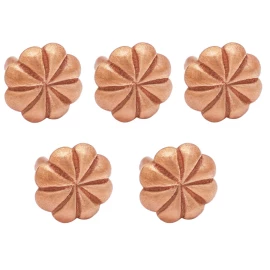
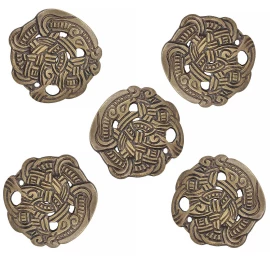
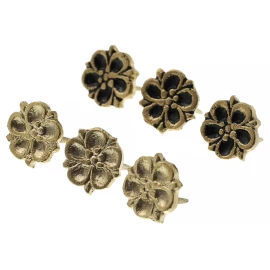
Triple-Bead Brass Belt Studs, Set of 5
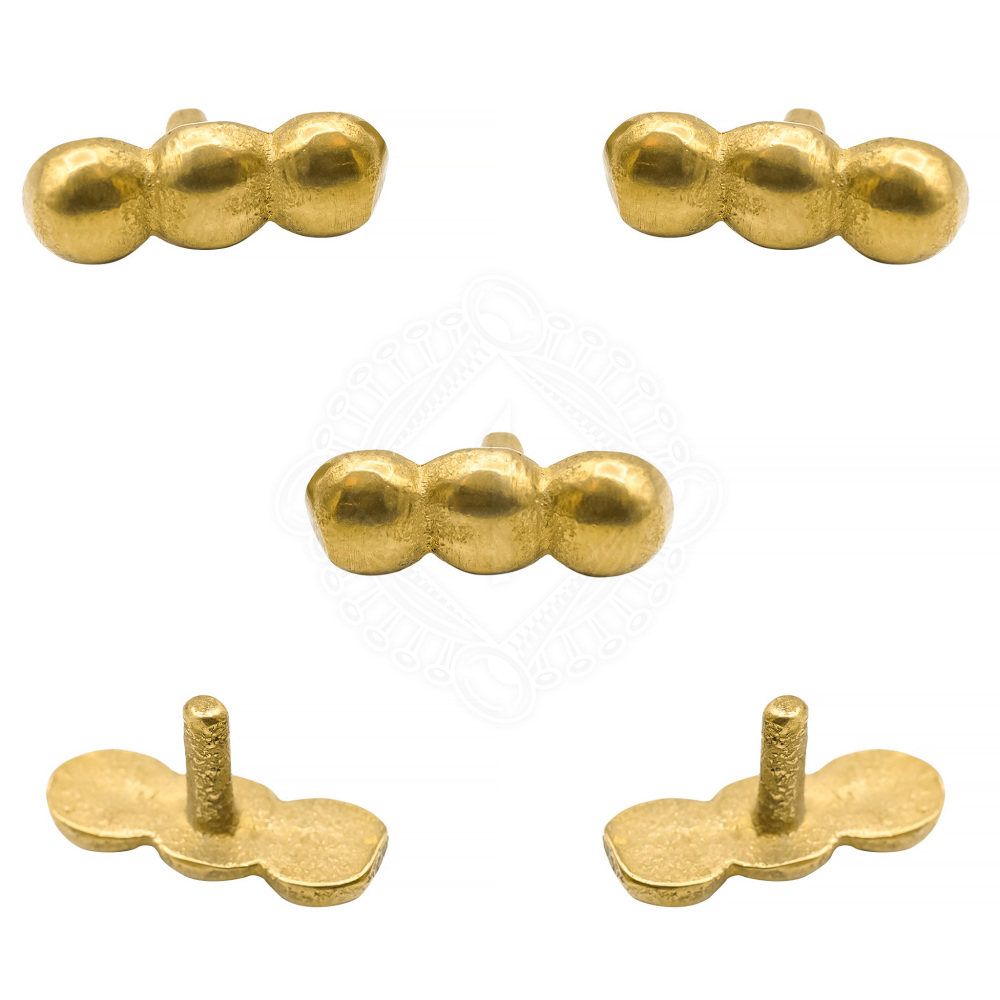
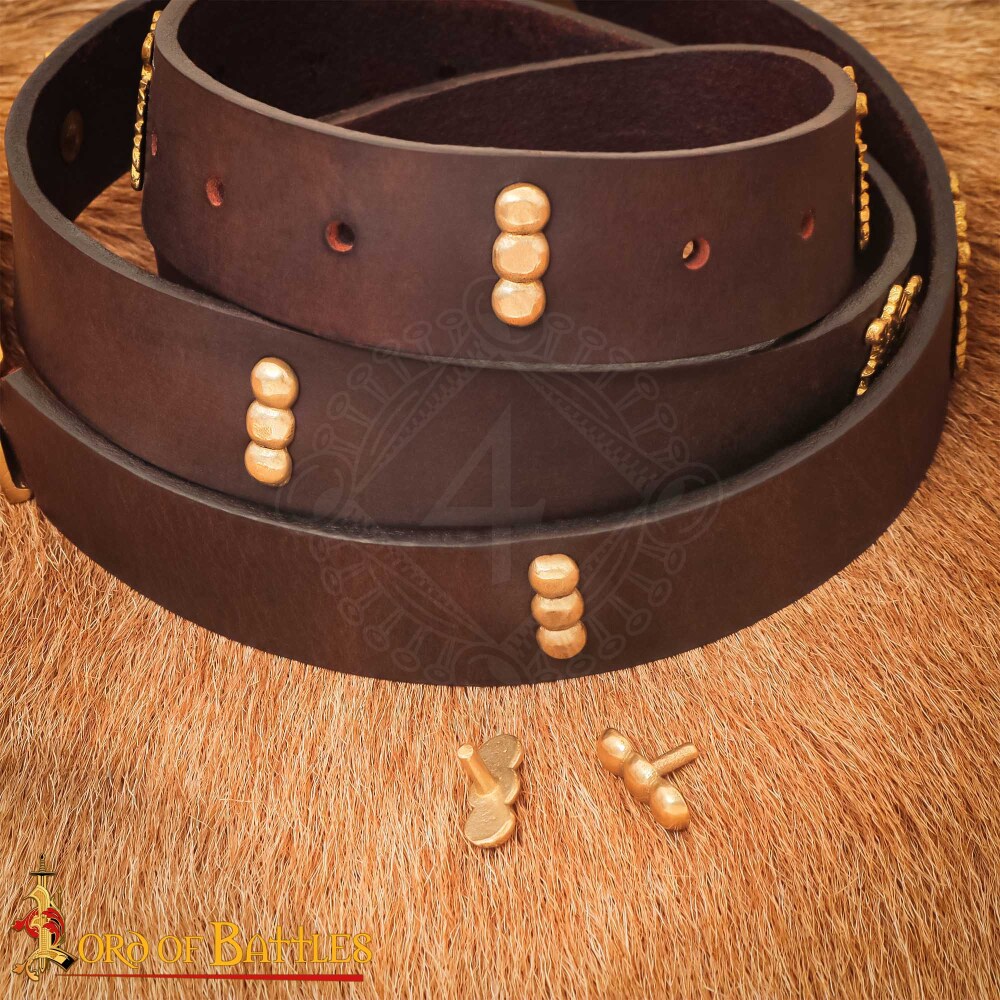

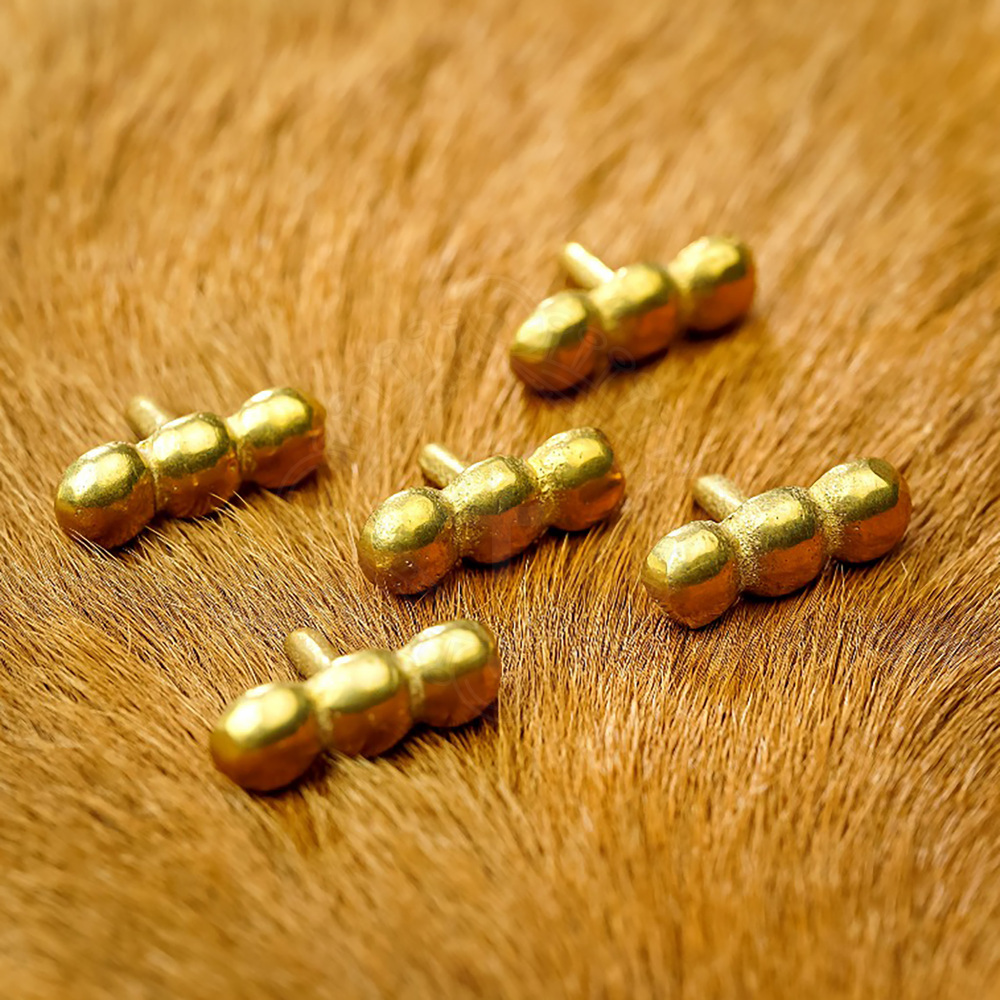
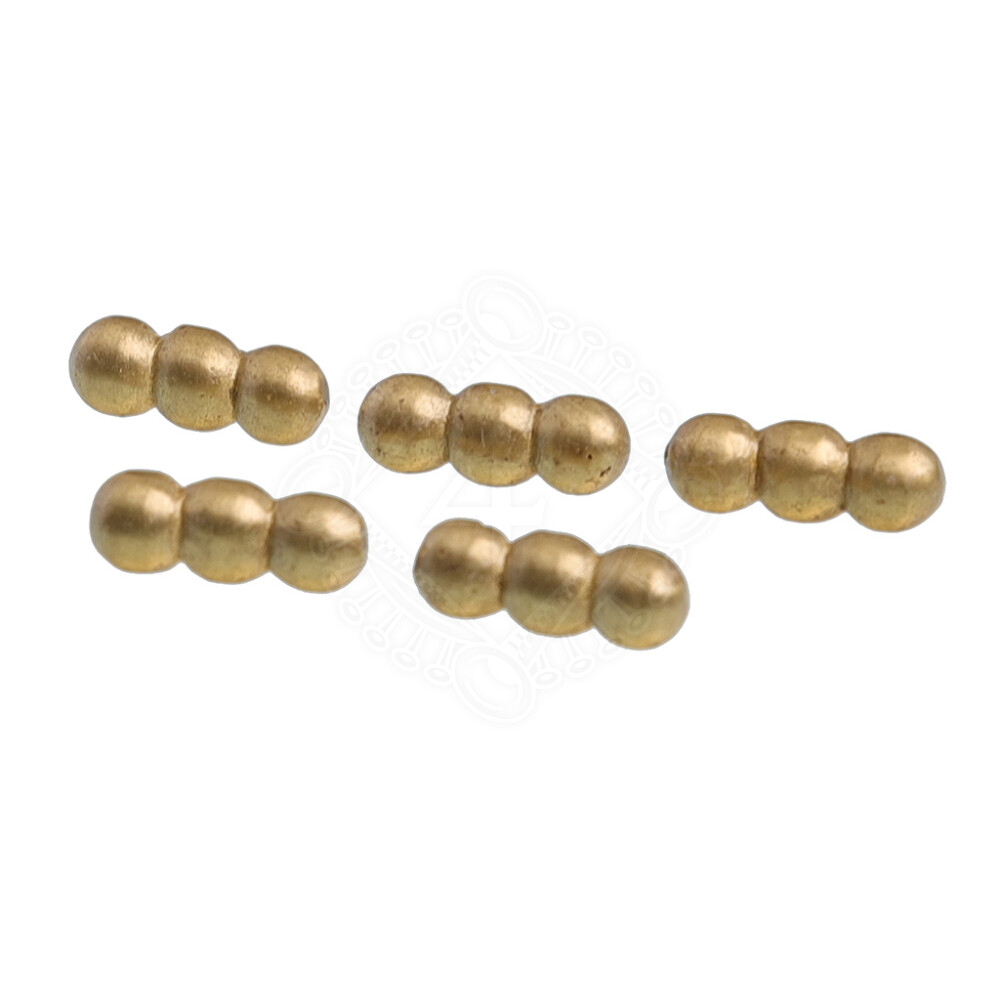
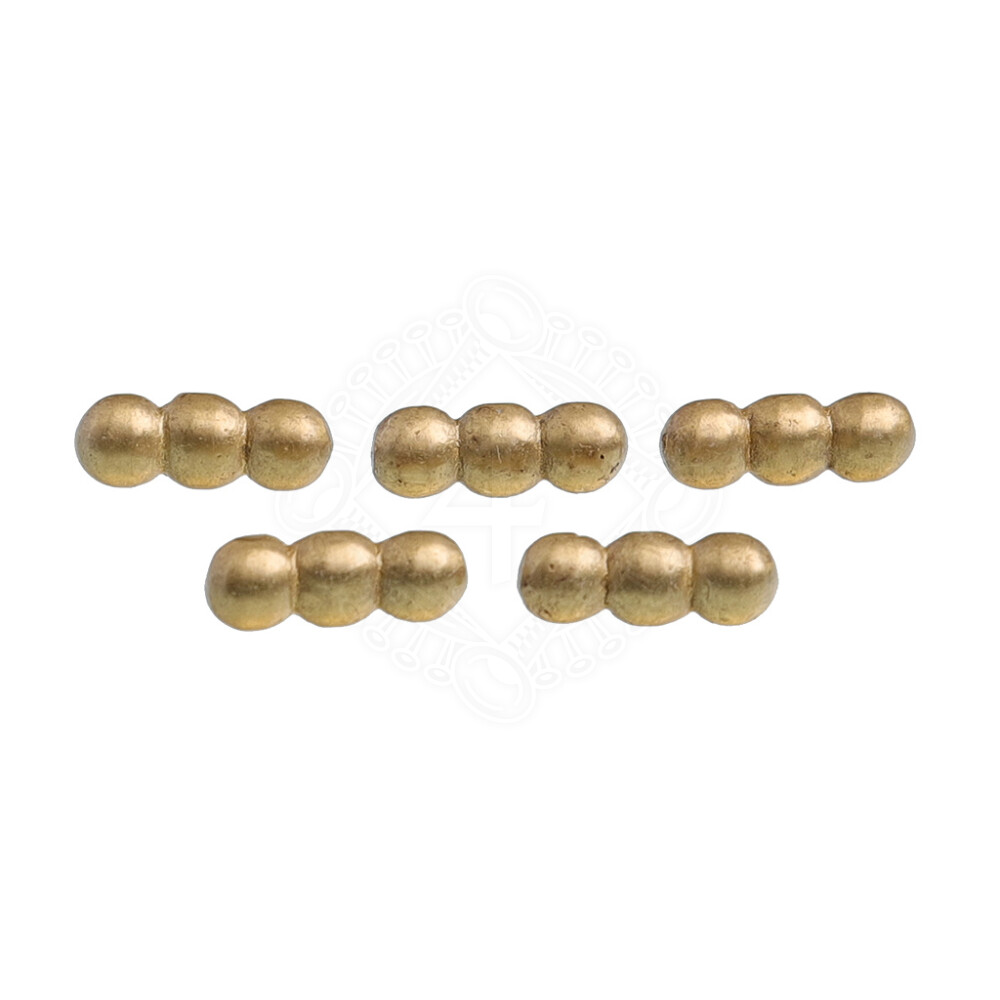

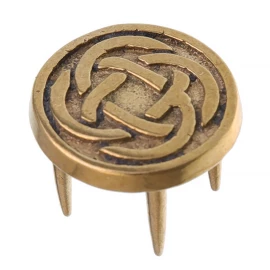
Decorate your medieval belt, bag, or other leather accessory with these simple yet elegant brass studs. This set of five pieces, inspired by 14th-century finds, is ideal for creating the authentic look of a Gothic-era belt. The design of three conjoined beads is a typical decorative element of its time, adding a touch of historical accuracy and taste to your kit. Each stud is cast from solid brass and features an integrated post for reliable attachment. Further product information ...

Triple-Bead Brass Belt Studs, Set of 5
Application and Assembly
These decorative studs are perfect for the rhythmic decoration of long leather belts, as seen in period illustrations. You can also use them on bag straps, pouch flaps, leather weapon scabbards, or as embellishments on leather-bound books. Their simple yet distinctive shape will stand out on any leather project.
How to Rivet Your Studs
Attaching these studs is easy, and with a little care, you can achieve a professional result.
- Mark and punch a hole in your leather for the central rivet post.
- Push the stud's post through the leather.
- On the back side, place a suitable brass washer (not included) over the post. This will distribute the pressure and reinforce the connection.
- Shorten the rivet post with a pair of cutting pliers so that it extends only 1-2 mm past the washer. This is crucial for creating a neat and strong rivet.
- Using a small ball-peen hammer, carefully peen the end of the post into a dome shape with light, targeted strikes. Be patient and work methodically, as brass is a soft metal.
Belts in the 14th Century
The 14th century was the golden age of chivalry and Gothic fashion. During this era, belts were not merely functional items but powerful expressions of status, wealth, and knightly honour. They were worn low on the hips, over gambesons and civilian clothing, and were often very long and lavishly decorated. Rows of simple, geometric studs like these were among the most common and popular ways to adorn the belt of a knight or a wealthy citizen.
A Knight's Belt: A Symbol of Honour
For a knight, the belt (known as the *cingulum militare*) was more than fashion. It was a symbol of his station, received during his accolade (knighting ceremony). To lose one's belt in battle or to have it publicly stripped away was considered an act of the highest shame and degradation. The care taken in its decoration, therefore, reflected the care a knight took in guarding his own honour.
Caring for Your Brass
With time and use, brass will naturally develop a darker, antique patina, which is highly desirable for an authentic historical look. However, if you prefer a bright, shiny finish, you can polish the studs at any time with a soft cloth and a polishing compound suitable for brass. Avoid harsh or abrasive materials that could scratch the smooth surface.
Product Specifications
| Specification | Value |
|---|---|
| Material | Solid Brass (Cast) |
| Package Contents | 5 pieces |
| Total Length | approx. 21 mm |
| Number of Rivet Posts | 1 per stud |
| Weight (per piece) | approx. 2 g |
We are here for you!