 Čeština
 Deutsch


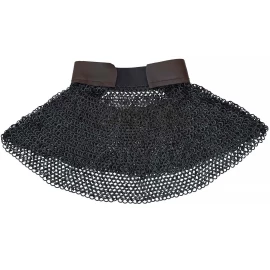
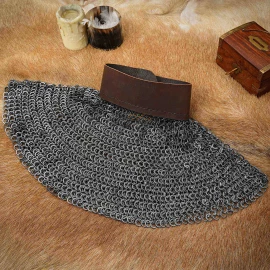
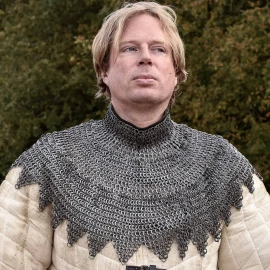
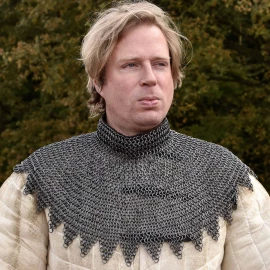
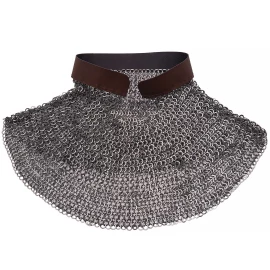
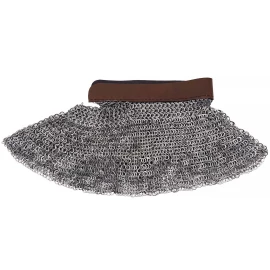
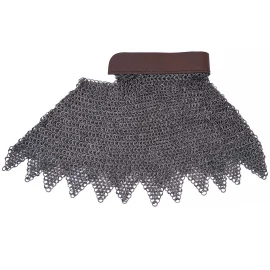
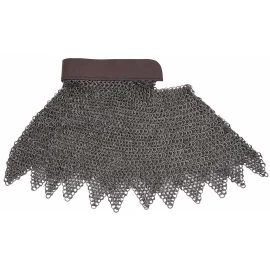
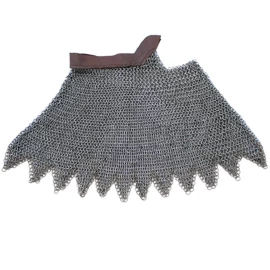
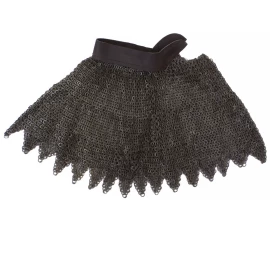
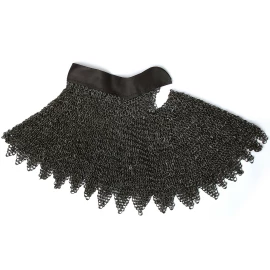
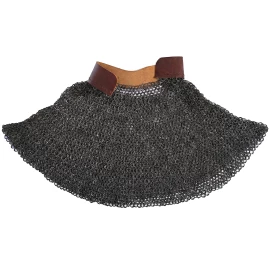
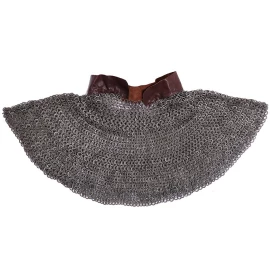
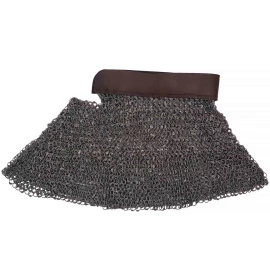
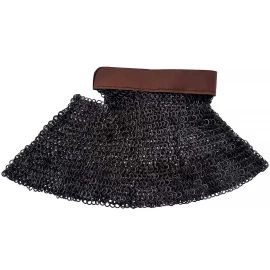
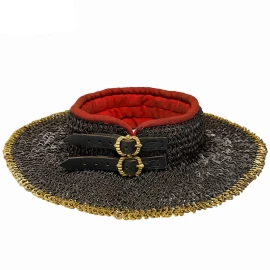
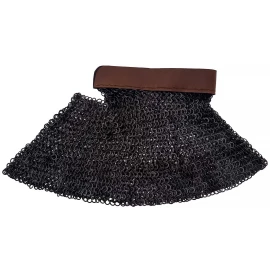
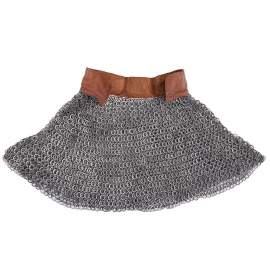
Chainmail Aventail for Helmets, 9 mm Flat Riveted/Solid Rings, Steel - Outlet
1x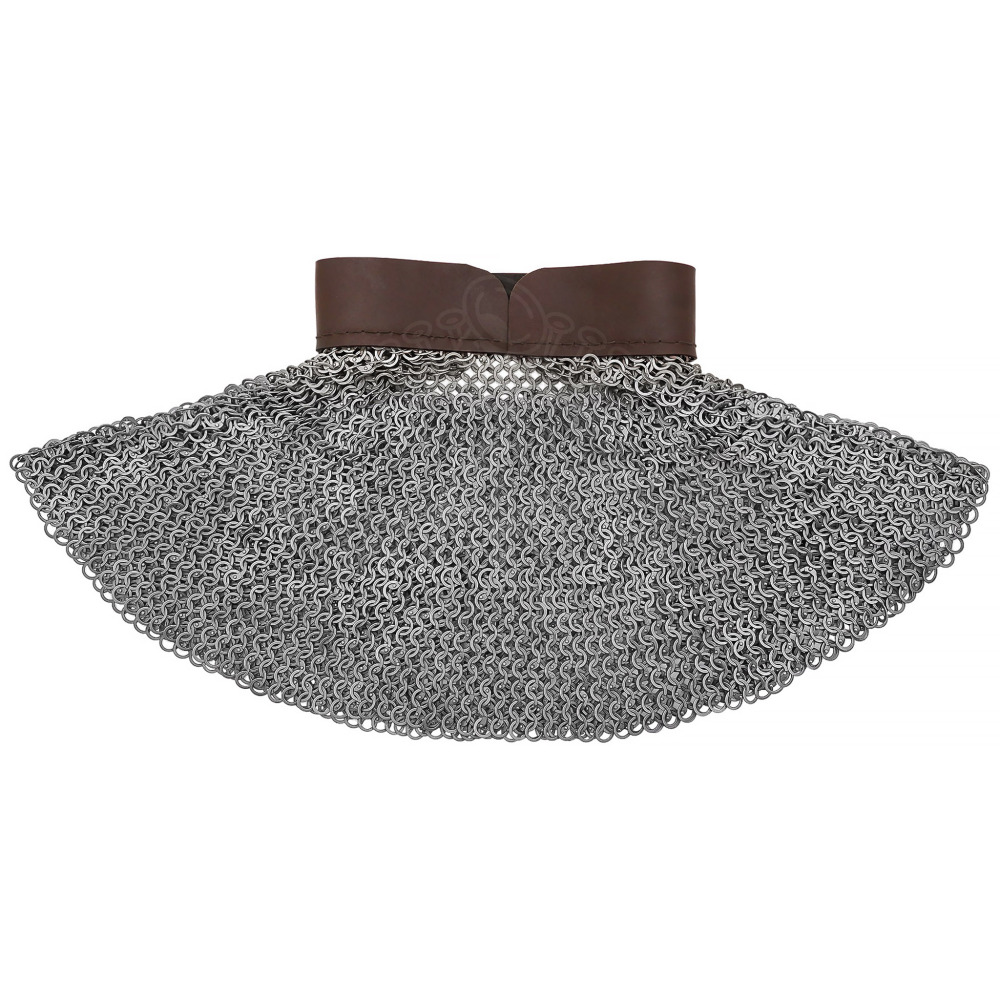
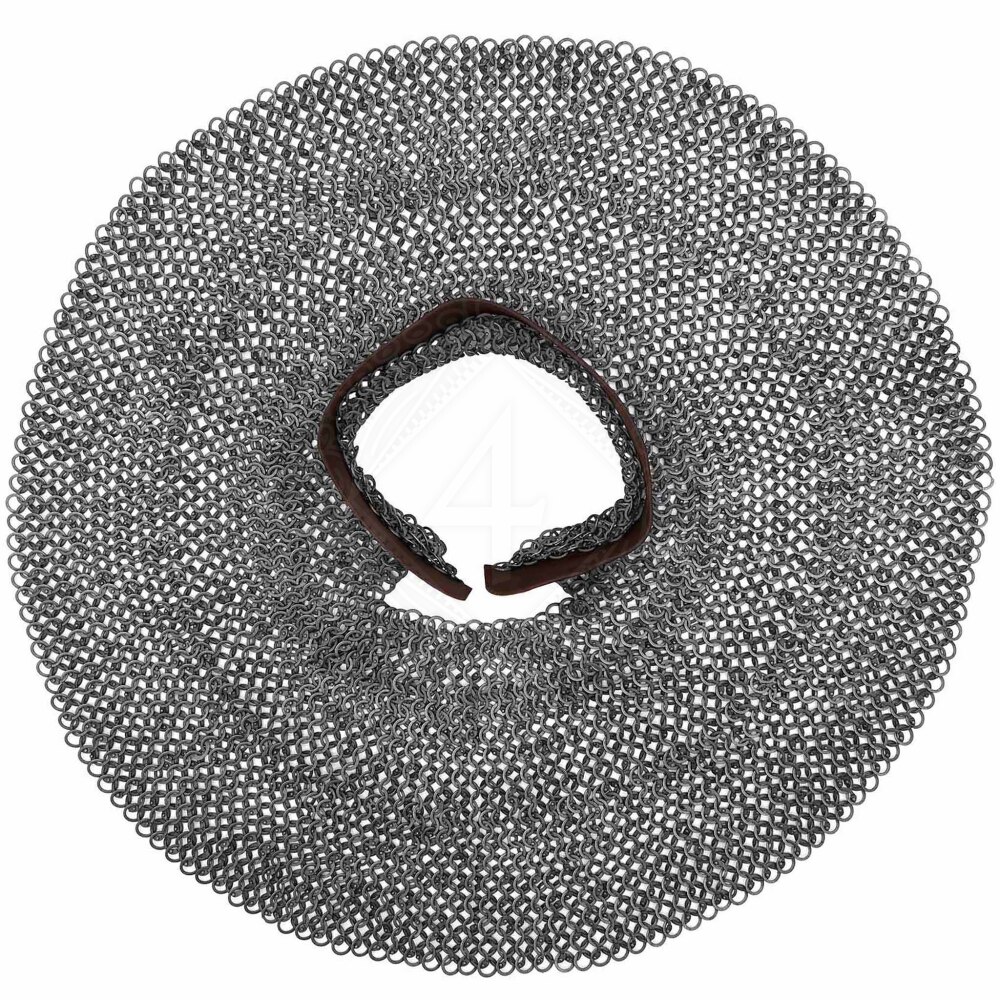

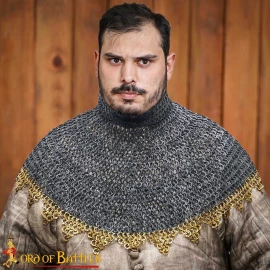
Ensure maximum historical accuracy and protection for your neck with this expertly crafted chainmail aventail. It is a key element of 14th and 15th-century knightly armour, providing flexible protection for the neck, shoulders, and upper chest. Our aventail is made using a highly authentic and durable method, alternating rows of flat riveted rings with rows of flat solid (punched) rings. This guarantees exceptional strength that common butted mail cannot match. Further product information ...

The following variants are currently available:
Chainmail Aventail for Helmets, 9 mm Flat Riveted/Solid Rings, Steel
The Indispensable Component of a Knight's Helm
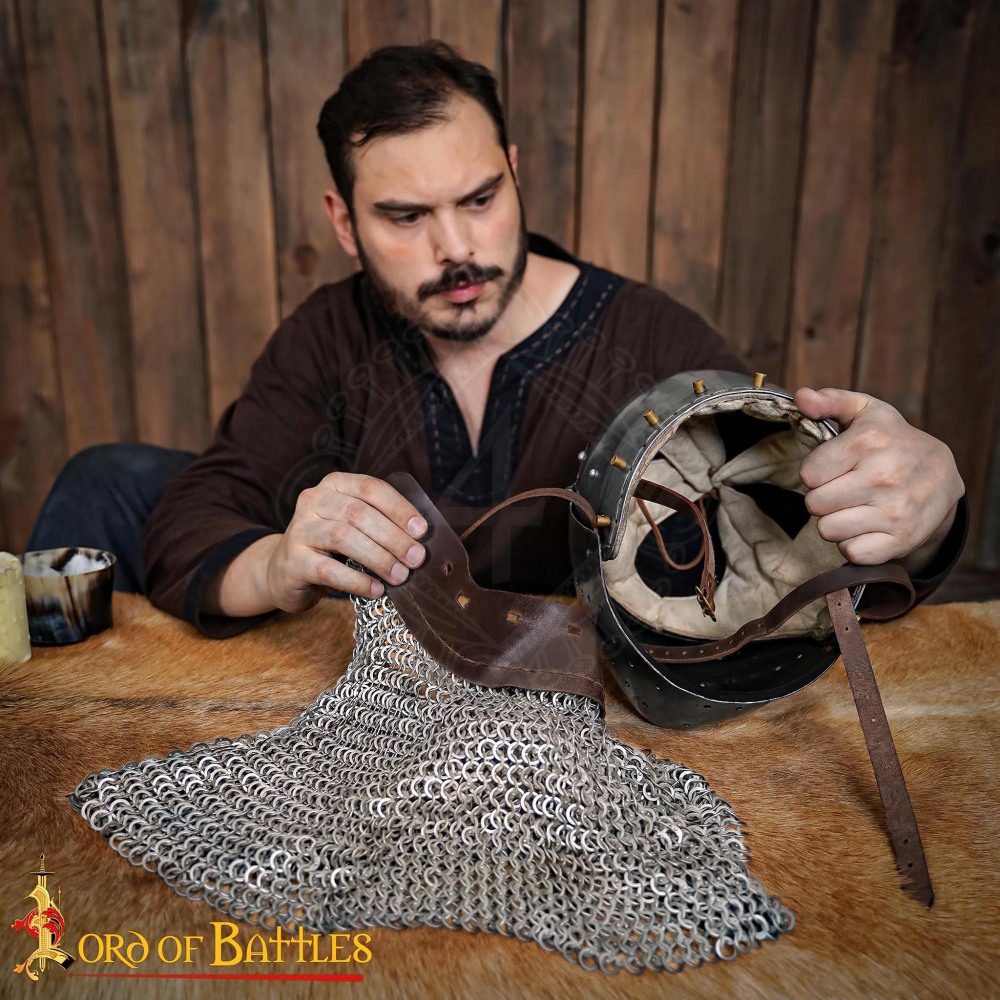
This aventail is designed to be attached to the lower edge of helmets such as a bascinet, hundsgugel, or even earlier great helms and Norman helms. The upper band of genuine cowhide leather is used to thread a leather cord for lacing it onto the helmet (historically via staples called vervelles). It is the ideal choice for serious Historical European Martial Arts (HEMA), reenactment, or anyone who values functional and historically precise details in their armour.
The Pinnacle of Mail-Making Craft
The construction of alternating riveted and solid rings represents the zenith of European armour-making. Why is it so exceptional?
- Extreme Strength: Every potential weak point is eliminated. Riveted rings resist being pulled open, while solid rings resist being pierced. This makes the armour highly resistant to both cutting and thrusting attacks.
- Historical Accuracy: This was the dominant type of mail used in high-quality armours of the high and late Middle Ages. With this aventail, your harness will look authentic.
- Weave Density: The use of flat rings creates a denser and tighter weave than round rings, further enhancing its protective qualities.
Neck Protection in the History of Warfare
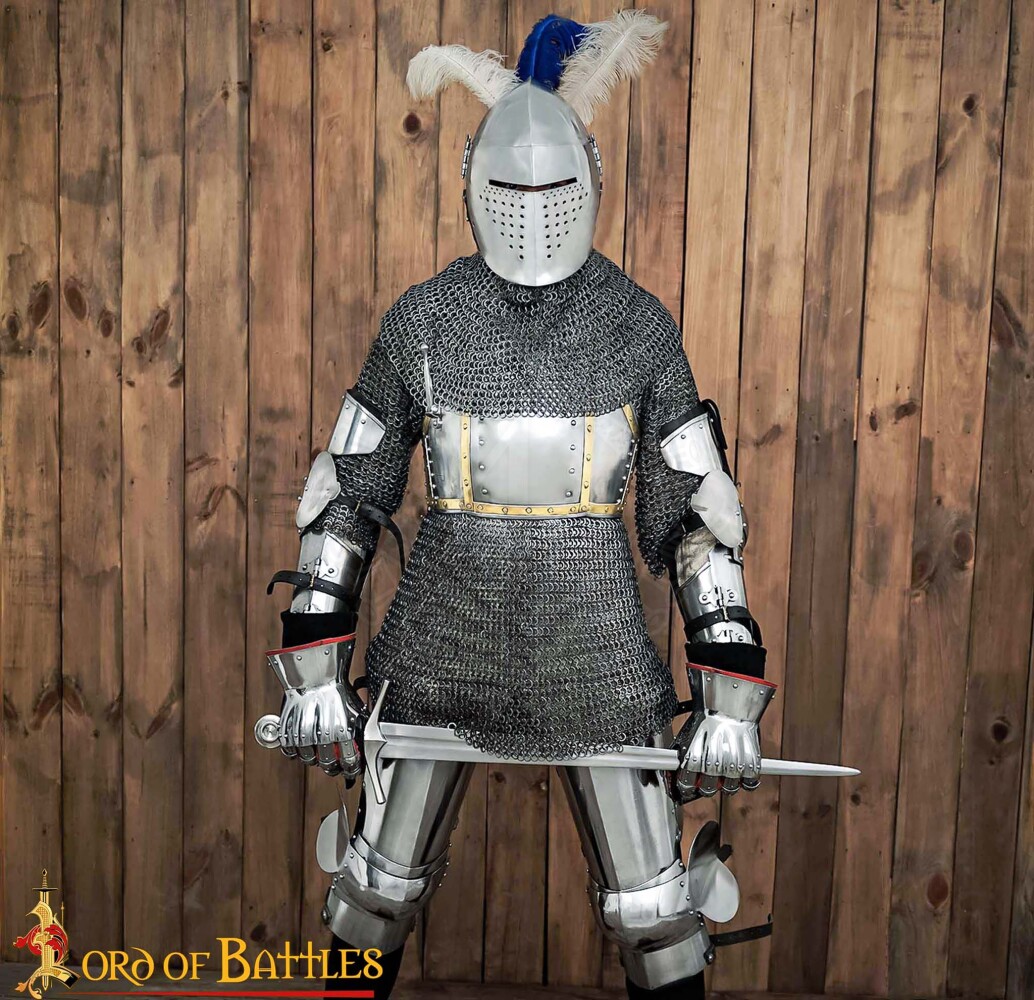
In the 14th century, with the widespread adoption of the bascinet helmet, the aventail became standard issue. It offered a perfect compromise between protection and excellent head mobility, before being gradually replaced in the 15th century by plate gorgets, which restricted movement more significantly.
A Point of Historical Interest: Vervelles and Attaching an Aventail
How was an aventail actually attached to a helm? Along the helmet's lower edge was a series of small brass staples or eyelets called "vervelles." A leather cord was woven through these eyelets and through corresponding holes in the aventail's leather band. By pulling it tight, the aventail was securely fastened in place.
Size Chart
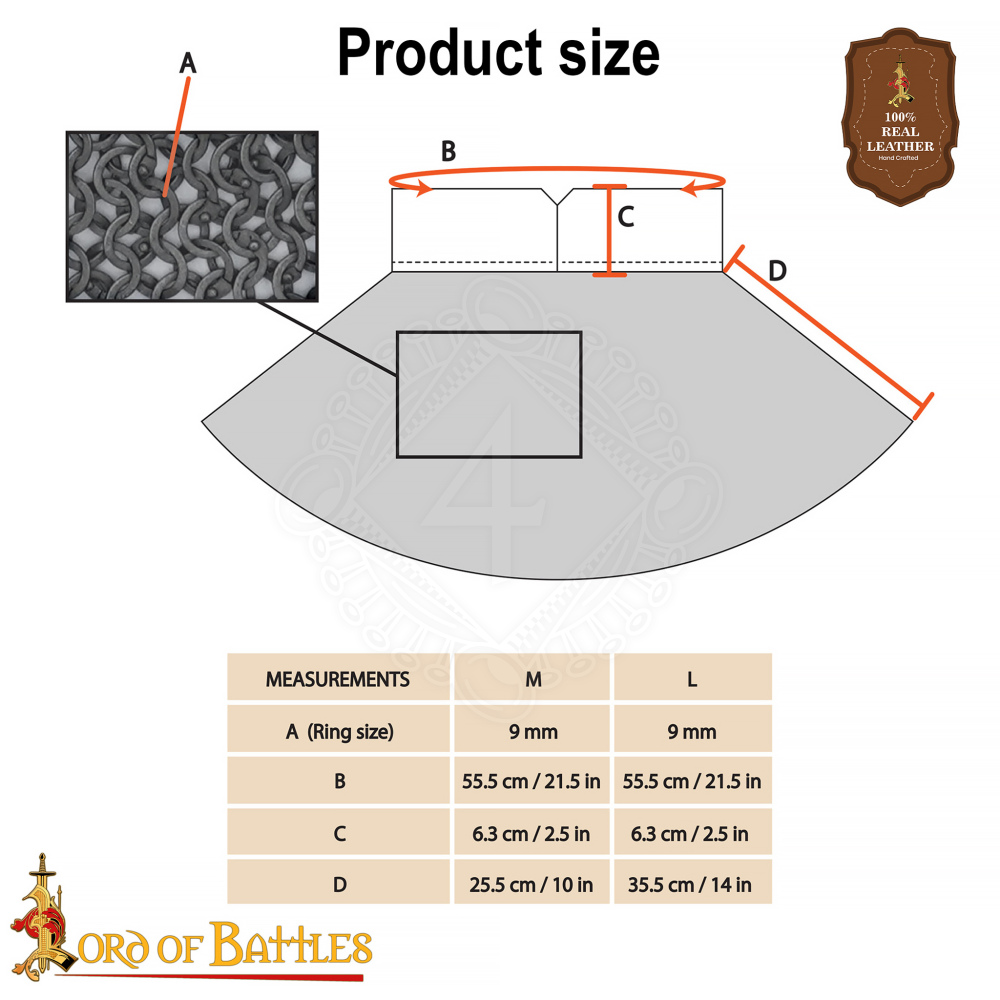
The aventail is available in two sizes, differing in the length of the mail drape. The neck circumference is the same for both sizes.
| Measurement | M | L |
|---|---|---|
| B - Circumference of Leather Collar | 21.5 in (55.5 cm) | 21.5 in (55.5 cm) |
| C - Height of Leather Collar | 2.5 in (6.3 cm) | 2.5 in (6.3 cm) |
| D - Length of Mail Drape | 10 in (25.5 cm) | 14 in (35.5 cm) |
| Ring Inner Diameter | 9 mm | |
| Ring Type | Flat, Riveted / Solid | |
How to Care for Your Riveted Armour
This armour is made from mild steel with a natural (oiled) finish to prevent corrosion. It requires your care.
- Rust Prevention: Keep the aventail dry at all times. After every use, especially in humid conditions, dry it thoroughly and apply a light coat of conservation oil (e.g., WD-40, Ballistol).
- Storage: Store it in a dry, ventilated place. Do not leave it in a damp bag.
- Leather Care: Treat the leather band with a leather conditioner from time to time to prevent it from hardening and cracking.
We are here for you!