
 Čeština
 Deutsch


Discover the Magic of the Gion Matsuri Festival: A Tribute to Gods and Samurai
 Interesting facts of the past
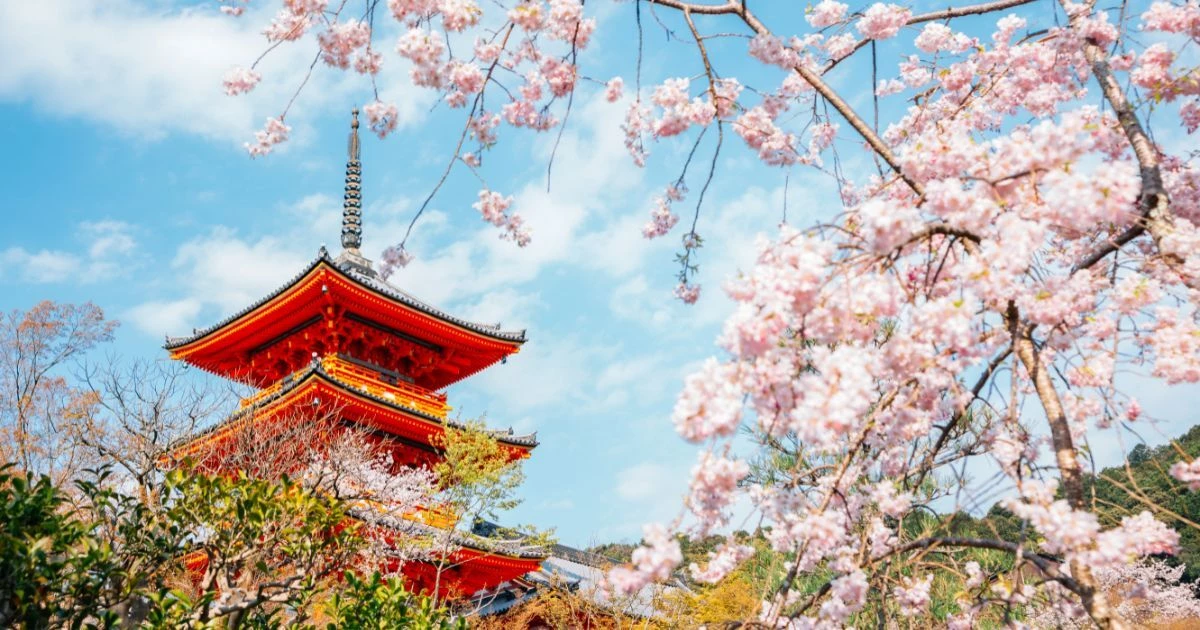
Every July, the streets of Kyoto come alive with centuries-old tradition and vibrant celebration. As thousands of visitors pour in, you might spot elegant geishas gracefully strolling by, or hear the rhythmic drums that signal the arrival of towering wooden floats, some up to 20 metres long. This is Gion Matsuri, Japan’s most iconic and spectacular festival, with roots reaching back over a thousand years.
Contents
What Is Gion Matsuri?
Gion Matsuri is one of Japan’s most iconic and celebrated festivals. It takes place in Kyoto, the former imperial capital and spiritual heart of Japan.
The festival can be traced back to 869 CE, when a devastating plague swept through the region. In an effort to appease the gods, locals held a purification ritual called Gion Goryoe, praying to the deity Gozu Tennō to lift the curse.
That ritual evolved over the centuries into today’s month-long celebration known as Gion Matsuri. What began as a plea for divine help is now a vibrant cultural event, full of sacred traditions. Local families decorate their homes, show off treasured heirlooms, and participate in community rituals passed down through generations.
There is also traditional dancing and live music during the parade – it is simply an experience nobody would ever want to miss.
When Does Gion Matsuri Take Place?
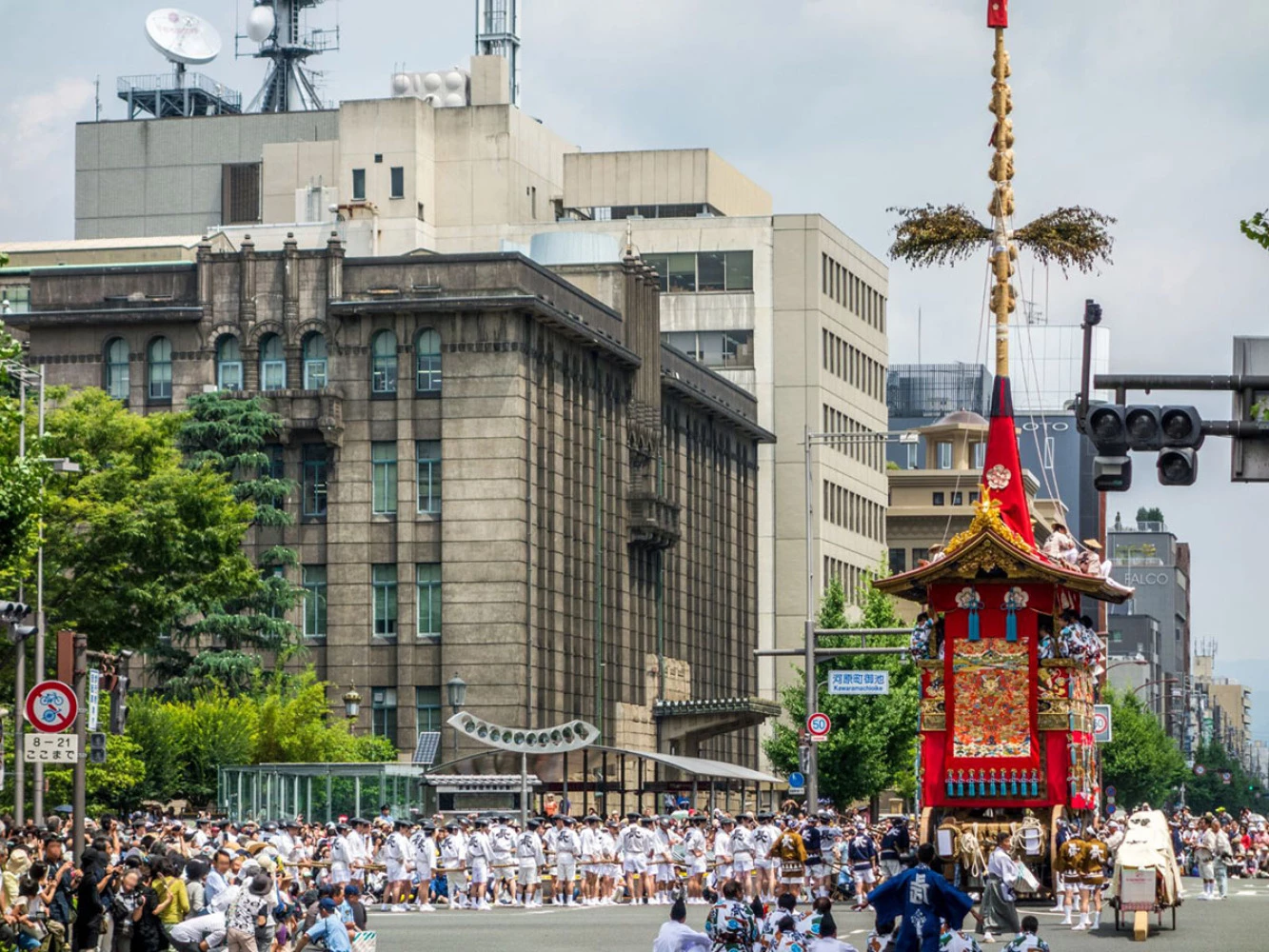
The festival runs from July 1st to July 31st, but the biggest highlights are two massive float parades, called Yamaboko Junko, held on July 17th and July 24th. More about them later...
DID YOU KNOW… The second parade, on July 24th, was revived in 2014 after more than 48 years. While smaller in scale (10 floats instead of 23), it's just as rich in tradition and spectacle, featuring intricately crafted and decorated Yamaboko floats.
Nighttime Festivities and Building the Floats
The Yamaboko floats are the stars of the show – these are handcrafted wooden structures that resemble mobile shrines. Decorated with silk, tapestries, carvings, and mythical symbols, each float has its own unique theme and story.
The floats are divided into two main categories: the larger hoko and the smaller yama. Each float has its own motif and unique history: for example, the Naginata Hoko float always leads the procession and features a majestic halberd, which evokes the original purifying intent of the festival.
All the floats are built using traditional methods, i.e., using ropes and wooden wedges, entirely without the use of nails. Skilled Kyoto craftsmen handle the construction, and the visitors can watch the construction process from close up, enjoying a rare glimpse into centuries-old building techniques.
Parade Day: Yamaboko Junko
Both parades set off in the morning: the main procession on July 17th runs from 9 AM to 1 PM, while the second one on July 24th starts at 9:30 AM and concludes just before noon.
The route stretches nearly three kilometres, winding through Kyoto’s historic districts, including Shijo, Kawaramachi, and Oike streets. You can even reserve seats along the parade route near Kyoto City Hall for a perfect view.
Gion Matsuri & the Samurai Connection
The Gion Matsuri Festival is associated with the era ofJapanese samurai. During Japan’s Warring States (Sengoku) period (15th–17th century), the festival was paused due to civil unrest, but it was always reinstated.
Even today, the strict order of the floats and the disciplined organization of the festival reflect feudal Japan’s structure.
Many of the people pulling the floats are descendants of families who have upheld these duties for generations. In the past, the festivities were also attended by members of samurai families, who were held in high esteem in Japan.
DID YOU KNOW... Samurai never attacked from behind, followed strict codes of honour, and would rather die than dishonour their lord. Their spirit still echoes through Gion’s alleyways and festival rituals. This article will tell you more about the ancient samurai.
Geisha, Maiko and the Beauty of Gion
The festival takes its name from the Gion district, home to Kyoto’s geisha culture. Here, geisha are called geiko, and apprentices are known as maiko.
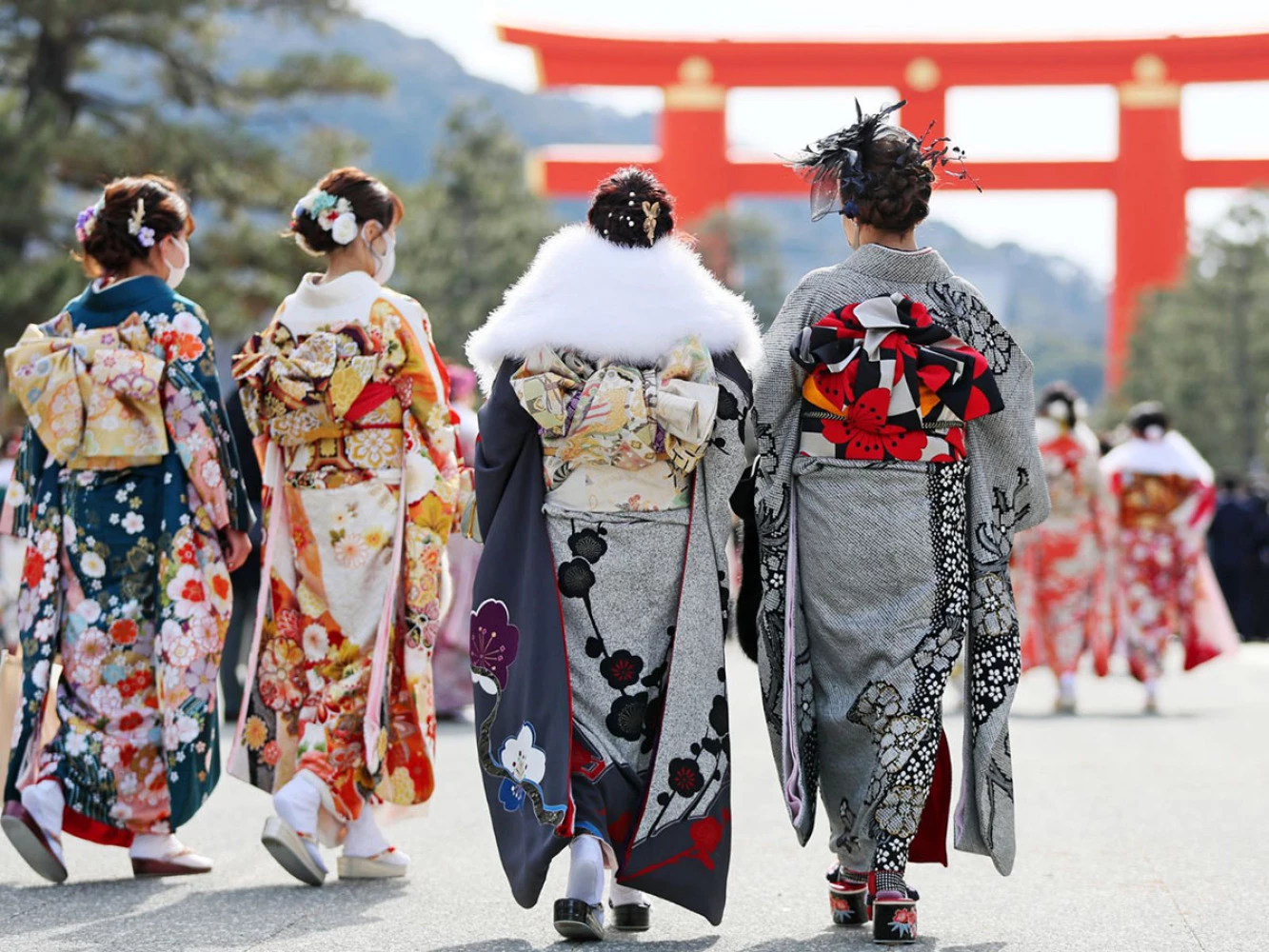
During Gion Matsuri, you might catch these elegant performers dancing at local events or parading through the streets in elaborate silk kimonos, white makeup, and iconic hairstyles. One highlight is the Gion Odori dance performances, an unforgettable showcase of grace, precision, and living tradition.
Tips for Visiting Gion Matsuri 2025
Planning to see the festival in person? Here’s how to make the most of it:
- Arrive early. If you want a great spot for the parade, be there before 8:30 AM.
- Enjoy the music. Floats are often accompanied by live traditional music, such as flutes and drums.
- Try the street food. Festival stalls line the streets, offering tasty snacks like takoyaki (octopus dumplings) and kakigōri (shaved ice topped with syrup).
If you’re fascinated by Japanese history, the festival is only your first stop! There is much more to explore.
Check out our authentic Japanese katanas and other samurai weapons crafted using traditional methods – they are perfect for collectors, martial artists, or anyone intrigued by the honour and discipline of Japan’s warrior class.



 Share
Share
 Share
Share
 Tweet
Tweet
Comments