
 Čeština
 Deutsch


Necessity and Luxury: Exploring the History of Fabrics
 Historical costumes and footwear
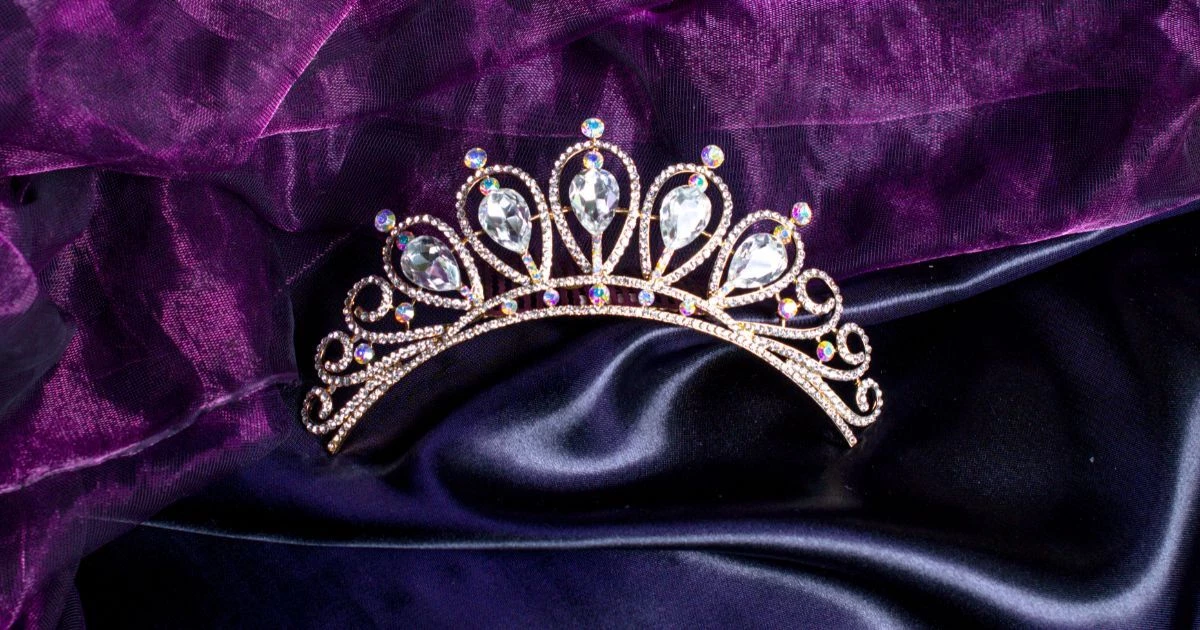
For some, fabrics are a symbol of social status. For others, they are a means of keeping warm on a freezing night. Today, fabrics like leather, linen and cashmere feel like essentials – and yet, their journey into our wardrobes was anything but ordinary! There were times when cotton was worth its weight in gold, and even instances when revealing the secrets of silk production could mean a death sentence.
Contents
Clothes Make the Man – 170,000 Years and Counting
The history of clothing goes back to prehistoric times, when our ancestors first wrapped themselves in dried plants, gathered leaves or animal hides.
Recent genetic studies even suggest that lice settled in human clothing approximately 170,000 years ago. Since then, the range of materials used in clothing has expanded dramatically. Let’s take a look at the most important materials.
1. Wool
The earliest woollen textiles appeared about six thousand years ago in what is now Iran. When we think of wool, we typically picture shepherds tending sheep, and indeed, we largely owe the spread of wool to them.
Over time, however, people also began to use the wool of cashmere goats and angora rabbits. In the Middle Ages, wool was considered a luxury item. The Medici family in Italy grew fabulously wealthy from its trade, and later, so did other prominent noble families, including the House of Liechtenstein.
DID YOU KNOW... Merino wool, currently a popular material for winter clothing, could only be exported from Spain with royal permission as late as the 16th century. Anyone caught smuggling it faced the death penalty.

2. Cotton
It's said that the profitable wool trade helped finance Christopher Columbus’s great voyage – namely the one that brought him to the island of San Salvador.
Among other things, Columbus brought cotton back with him. But cotton was no stranger to the world: The armies of Alexander the Great encountered it during their 4th-century BCE campaign in India.
By the 12th century, Arab traders were importing cotton to Europe. However, it only began to see widespread use in the 14th century – just a few decades before Columbus’s expeditions.
3. Leather
Archaeological evidence suggests that humans began working with leather more than 400,000 years ago. Like other traditional materials, leather experienced its “golden age” during the Middle Ages.
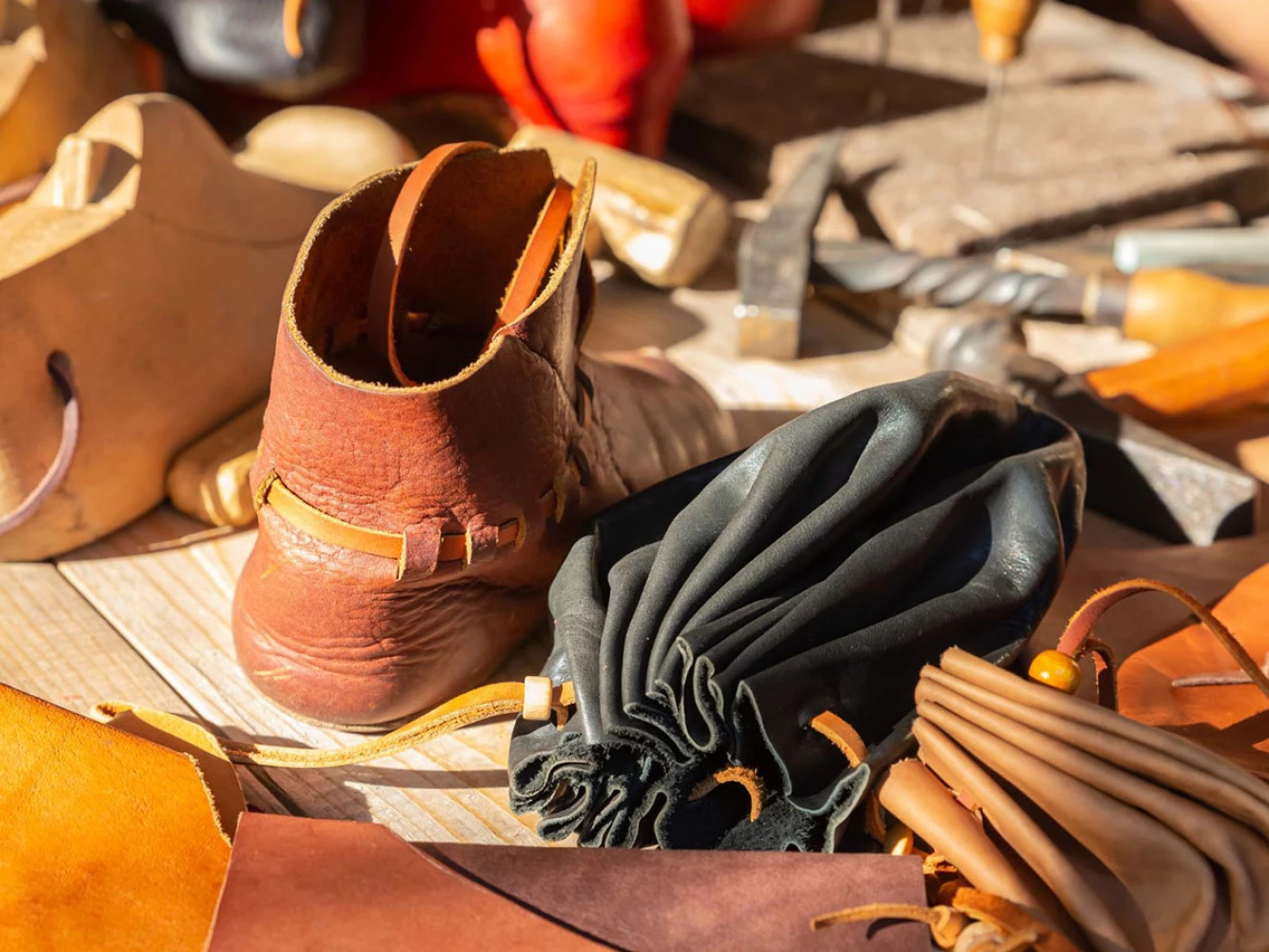
It was around this time that specialised trades began to emerge, such as furriers, saddlers and cobblers who crafted everything from leather armour and medieval footwear to practical tools used in daily life.
To this day, leather remains a highly valued material thanks to its durability, flexibility and distinct appearance, which can last for years if properly cared for.
4. Linen
Linen is one of the oldest cultivated plants in the world. In ancient Egypt, linen accompanied pharaohs to the afterlife, where it was believed to help ease their journey into the realm of the dead.
Later, the Romans found more practical uses for it, notably in making sails. And thanks to the Romans, linen gradually spread across Europe.
DID YOU KNOW... Flax (from which linen is made) was historically grown in many cooler, temperate regions of Europe, especially in countries like Ireland, Belgium, France and the Netherlands. Some towns even reflect this heritage in their names, such as Linselles in northern France or Linenhall Street in Belfast, a nod to the region's long-standing linen trade.
5. Silk
From the hands of master shoemakers to the robes of royalty, silk has woven its way through history as a symbol of elegance. Traces of silk found in China’s ancient Yangshao settlements date its origins back to 3,600 BCE.
For centuries, the art of sericulture – silk farming – remained one of China’s most closely guarded secrets, elevating silk to the status of one of the world’s most prized luxury goods. Revealing the methods behind silk production was a crime punishable by death, which is a testament to its immense value and cultural importance. Yet even the harshest laws could not contain the allure of silk forever. According to legend, two monks, acting on orders from Emperor Justinian I, smuggled silkworm eggs into the Byzantine Empire.
6. Velvet
With its plush texture and deep, rich colours, velvet has long been a symbol of elegance and prestige. Its origins trace back to ancient Egypt and China, where early forms of the fabric were woven before spreading westward along the Silk Road. By the 8th and 9th centuries CE, velvet had made its way to Europe.
In the Middle Ages, velvet production flourished in renowned Italian cities, such as Venice, Florence and Genoa. Originally a luxury reserved for the elite, this elegant fabric only began to appear in more modest households with the rise of industrial-scale manufacturing in the modern era.
Overview of Fabrics – Properties and Benefits
Not sure which fabric will feel best for your next costume? Our table below makes the choice easier.
| Material | Properties | Benefits | Recommended Care |
|---|---|---|---|
| Linen | Breathable, strong, wrinkles | Great for base layers | Wash separately (or in a laundry bag), use a gentle cycle, iron while damp |
| Wool | Warm, durable | Ideal for winter wear | Hand wash or use wool program (max 30°C), do not wring, air regularly |
| Leather | Durable, shape-retaining, needs care | Suitable for outerwear | Regularly waterproof, store in a dry place at room temperature |
| Silk | Shiny, delicate, sensitive to handling | Elegant and lightweight | Hand wash in basin or tub, use pH-neutral soap, lukewarm water (25–30°C) |
| Velvet | Soft pile, rich colours | Elegant design | Wash on gentle cycle, air dry inside out, avoid fibre damage |
Practical Care Tips for Fabrics
Different fabrics need different care, but the following universal care tips are a good place to start: Universal tips:
- Check the tag first - Care labels are there for a reason. A quick glance before washing can save your garment from shrinking, stretching, or worse. This will help you avoid ruining your costume or clothing on the first wash.
- Test on a small patch first - Before using any cleaner, apply it to a discreet area, ideally somewhere hidden on your costume. Better safe than sorry.
- Store properly - Keep most fabrics in a shaded, dry place with good airflow. Excess moisture can be disastrous for leather and other materials.
- Protect from pests – Moths in particular target silk and wool. Check your clothes occasionally, even when not in use. A quick inspection will save you from discovering your outfit ruined just days before an event.
DID YOU KNOW… We offer custom tailoring! Choose your preferred colours and materials or send us your own fabric, and we’ll create a one-of-a-kind costume tailored to your needs. Once it’s ready we’ll ship it straight to your door.
Is Your Wardrobe Feeling Empty? Find the Perfect Costume for Every Occasion
Whether you’re heading to a historical battle or searching for a carnival costume, our store definitely has something that suits your style.
Browse our collection of medieval, Viking, Baroque, and Renaissance costumes, and pick the one that matches your vision and taste. With leather, wool, velvet, and other fine fabrics from our store you can look noble, but spend modestly!
And if you’re not sure what to choose, contact us. We are here to help! We’ll help you pick the right costume and keep it looking like new, year after year.
 Share
Share
 Share
Share
 Tweet
Tweet
Comments