Čeština
 Deutsch


Breitenfeld pikeman’s helmet for 16th–17th-century
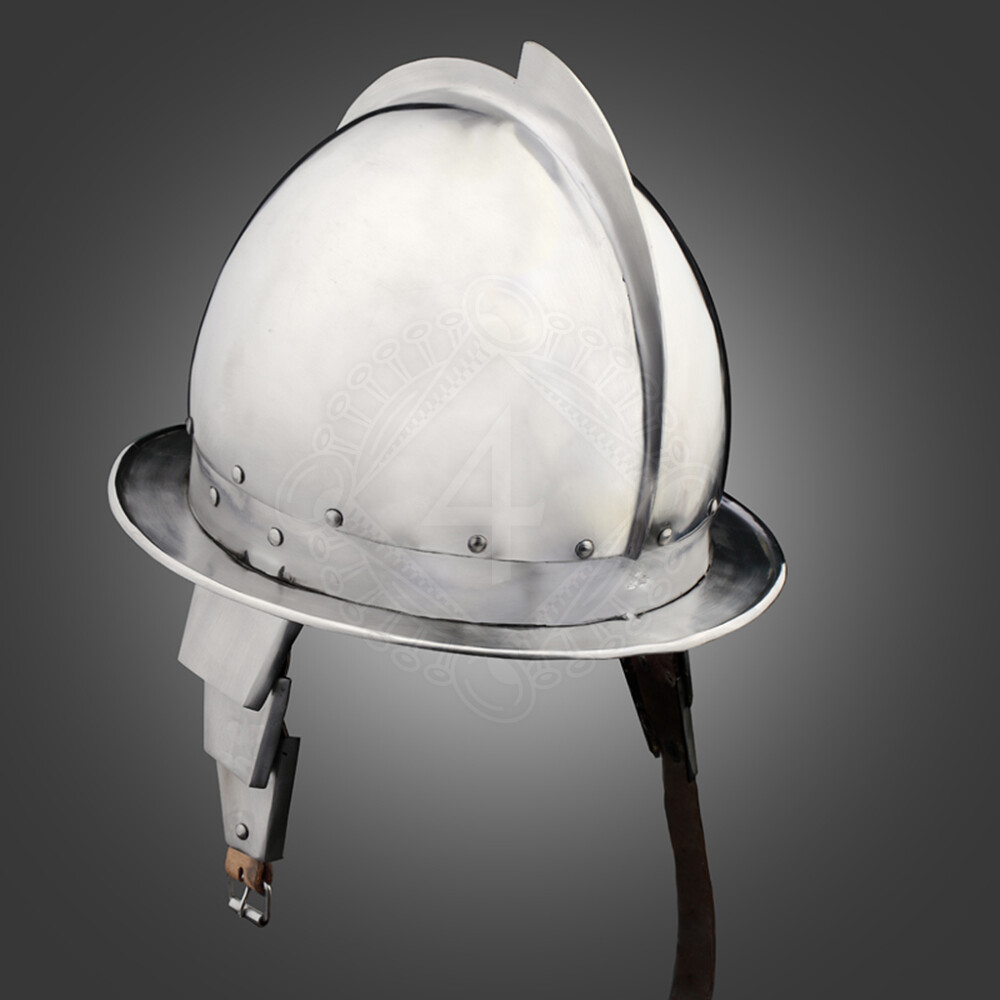
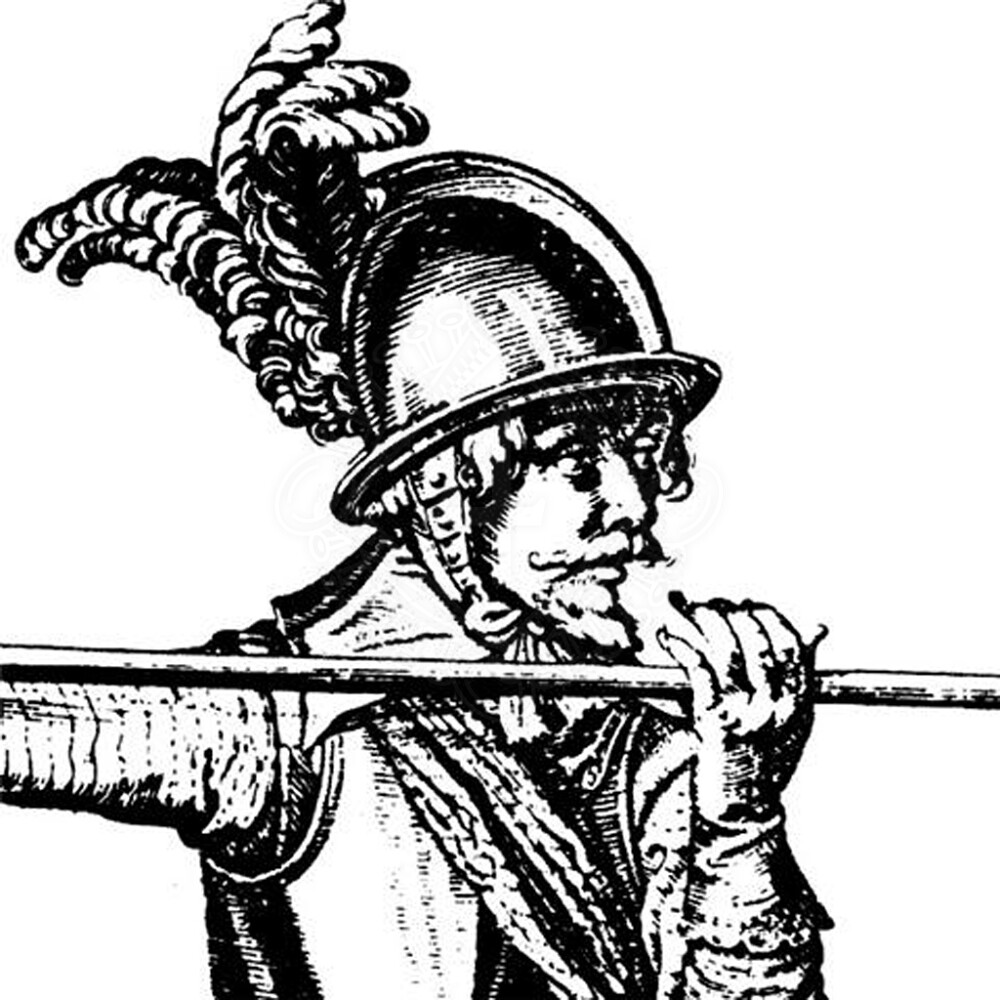
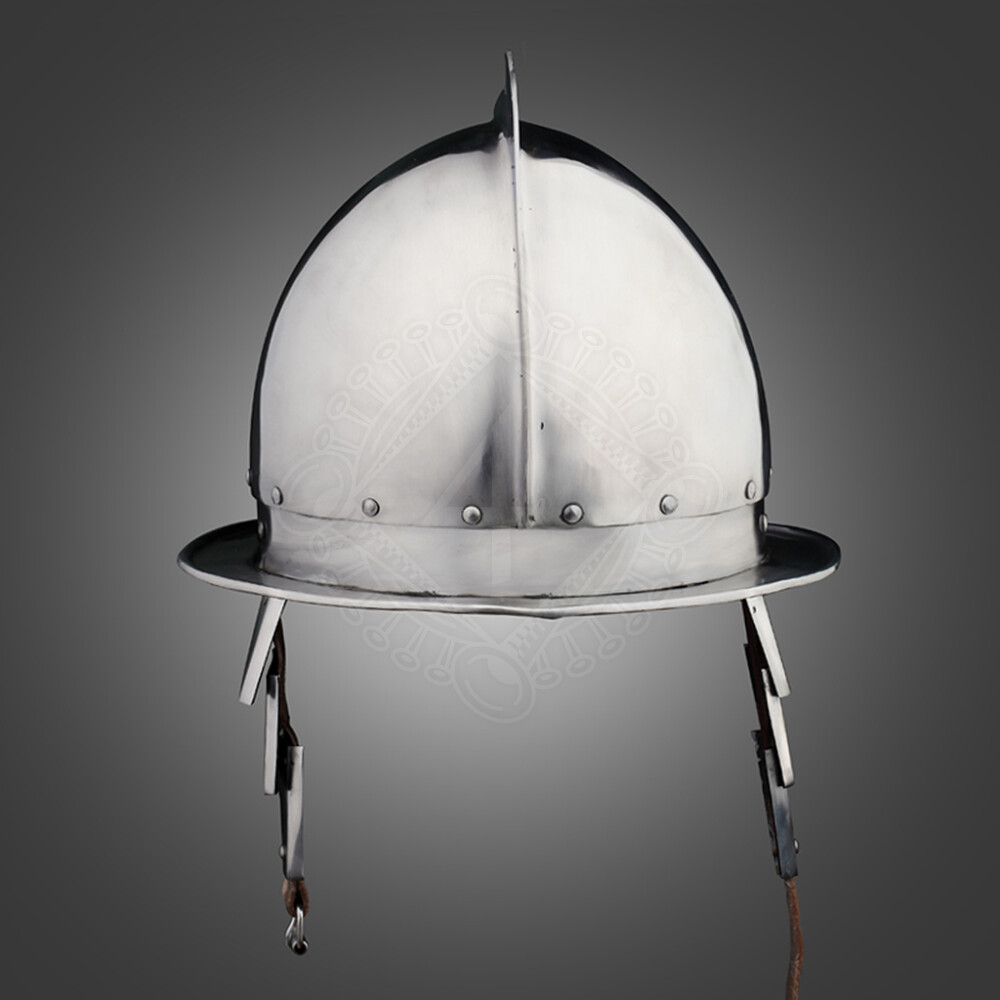
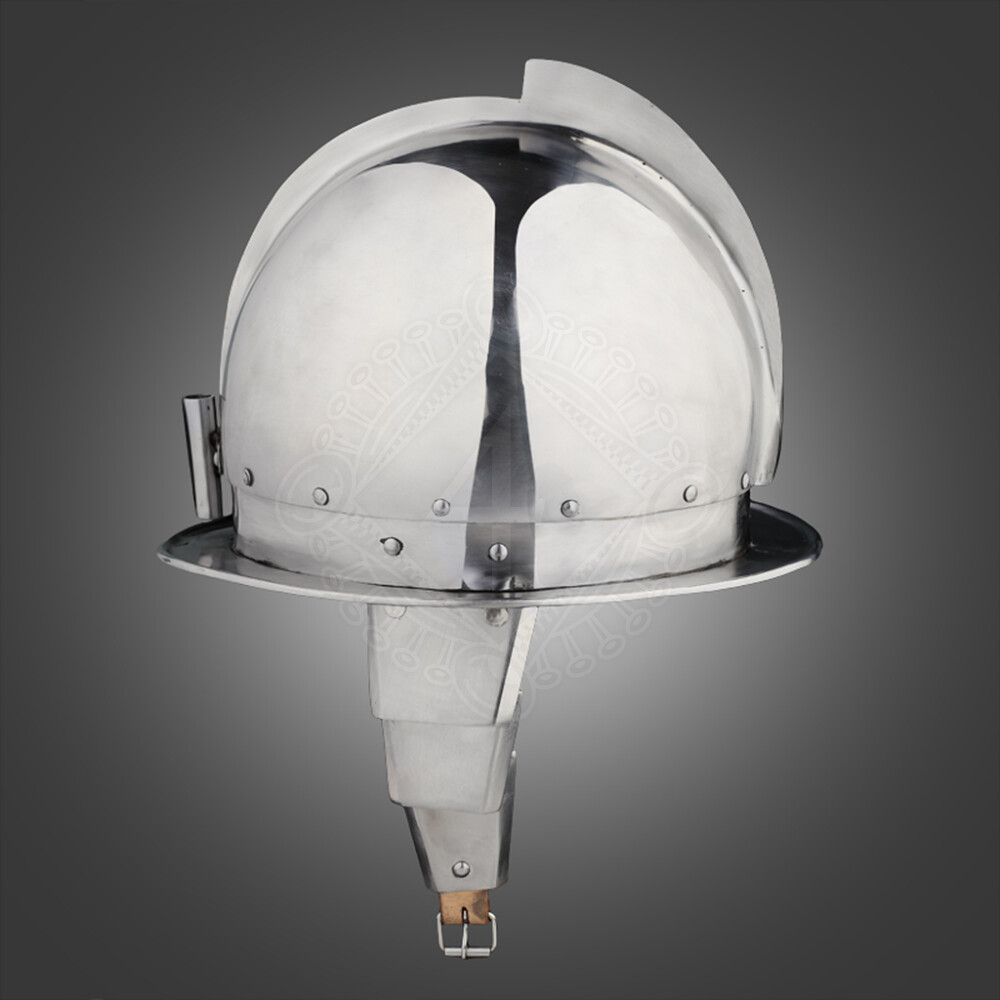


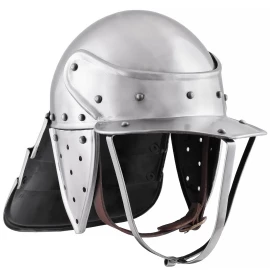
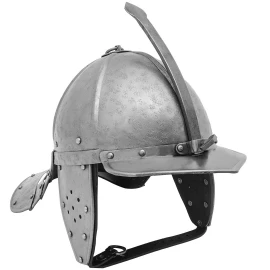
Complete your pikeman’s equipment with a helmet that recalls close infantry formations, long pikes and muskets. The Breitenfeld pikeman’s helmet has an open face, a narrow brim and a prominent longitudinal crest. Its restrained metallic appearance suits historical portrayals of 16th–17th-century soldiers and battle re-enactments. A fabric lining is fitted inside, while overlapping metal plates cover the chin straps. You can choose between two sizes. When assembling your outfit, combine it with a cuirass, gorget and other elements of early modern infantry equipment, matching each piece to the particular period you wish to portray. Further product information ...

Breitenfeld pikeman’s helmet for 16th–17th-century re-enactment
Open skull with a crest and cheek plates
The skull has a tall, rounded to conical profile. A steel crest runs over the crown, forming a distinctive structural and visual feature. The narrow surrounding brim leaves the face open. Visible rivets line the lower skull, and a tubular plume holder is fitted at the rear.
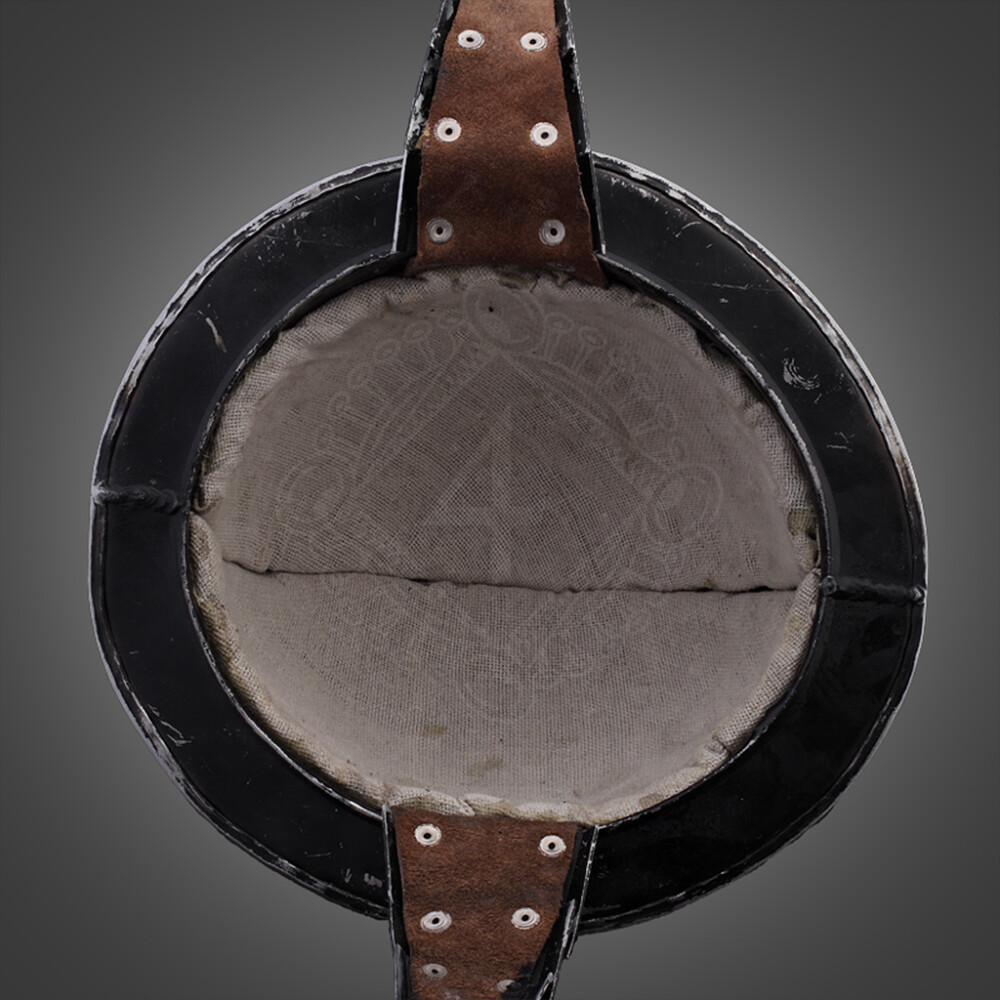
Leather straps hang at the sides beneath overlapping metal plates. A buckle fastens the strap under the chin. The inside of the skull has a painted coating to help resist corrosion and is fitted with a fabric lining.
Pikemen and the Breitenfeld name
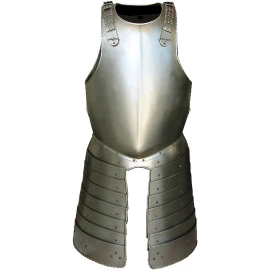
A pikeman was an infantry soldier armed with a long pike. Close pike formations gained considerable importance during the 15th century and worked alongside firearm-equipped infantry in the 16th–17th centuries. Their duties included protecting musketeers against cavalry attacks. Their partial plate armour could comprise a helmet, breastplate, backplate, gorget and tassets.
The name Breitenfeld recalls the battle near Leipzig in 1631, a significant event of the Thirty Years’ War. It refers to the age of pike and shot rather than identifying a copy of a particular helmet from that battlefield. The supplied description places this model in the 16th–17th centuries; a precise historical original is not identified.
Technical details
| Feature | Details |
|---|---|
| Skull plate thickness | 1.5 mm (0.059 in) |
| Cheek plate thickness | 1.3 mm (0.051 in) |
| Crest | Steel, running lengthways |
| Internal lining | Fabric, included |
| Interior finish | Painted coating to resist corrosion |
| Chin strap | Leather with overlapping metal plates and a buckle |
| Additional detail | Rear tubular plume holder |
| Historical period | 16th–17th centuries |
| Manufacturer | Marshal Historical |
Sizes
| Size | Stated head circumference |
|---|---|
| M | Approx. 61–62 cm (24.02–24.41 in) |
| L | Approx. 63–64 cm (24.80–25.20 in) |
Fitting, safety and care
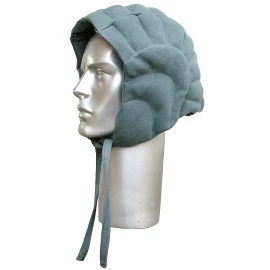
Try the helmet on with the underlayer you intend to wear. We recommend a suitable padded coif. Check that the helmet does not pinch or slip and that the chin strap holds it securely. It is not specified as protective equipment for buhurt, Battle of the Nations or similar full-contact fighting. Before contact use, have your equipment assessed by a knowledgeable specialist and the organiser. The open face remains exposed to direct strikes.
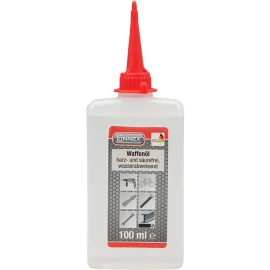
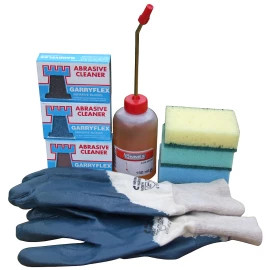
Remove moisture after use, apply a thin coating of protective oil to the metal and store the helmet somewhere dry. Keep oil away from the lining and straps. Avoid aggressive cleaners and regularly inspect the rivets, plates and fastening.
Recommended accessories
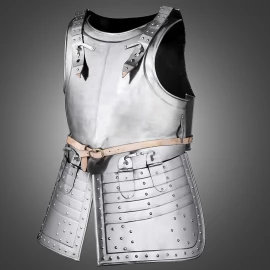
For a 16th–17th-century ensemble, we recommend suitable breast and backplates, a gorget, tassets and period clothing. Choose a pike for historical demonstrations according to the event’s rules and the organiser’s safety requirements.
We are here for you!