 Čeština
 Deutsch


Roman Spatha - Cavalry Sword with Scabbard
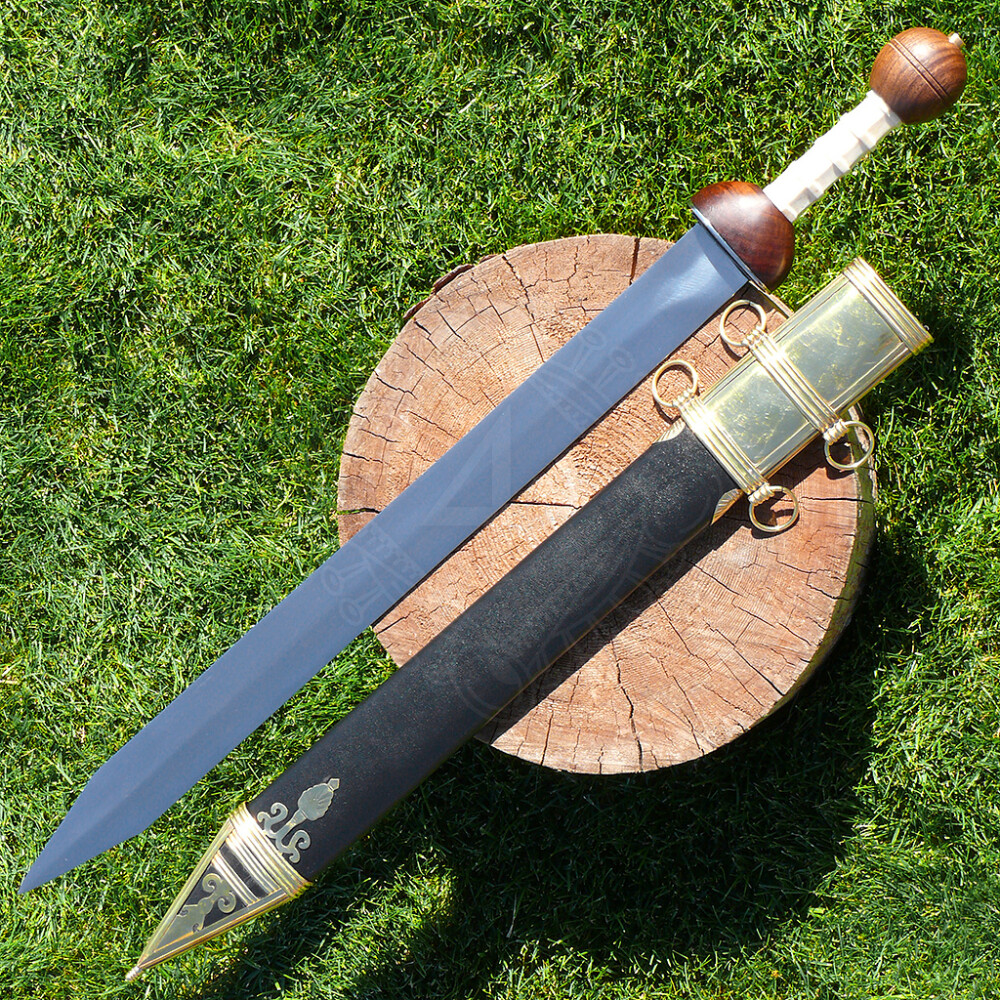
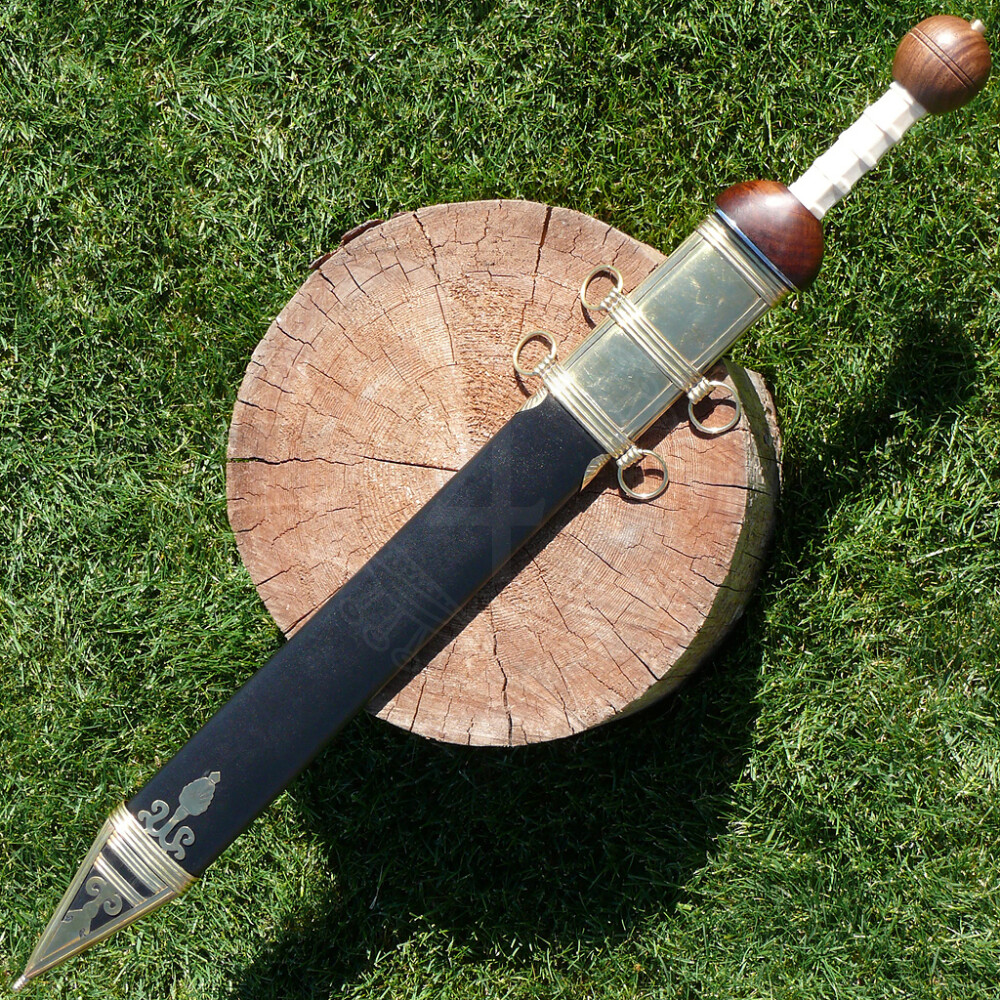
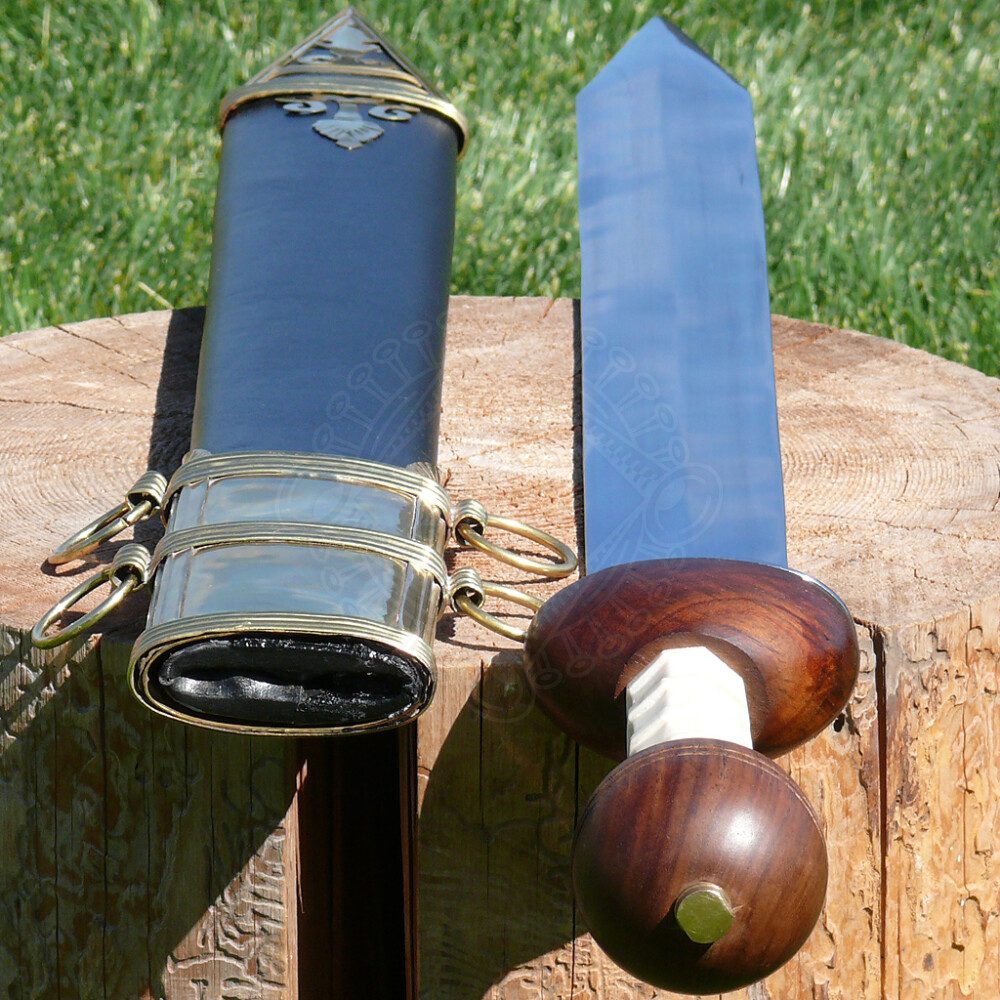
Imagine sitting in the saddle, holding the weapon that replaced the legendary Gladius and became the symbol of the late Roman army. This decorative replica of a Spatha captivates at first glance with its elaborate hilt and richly decorated scabbard. While the Gladius was the king of close-formation infantry combat, the Spatha was the extended arm of the cavalry (Auxilia), who needed greater reach to slash from horseback. Further product information ...

Roman Spatha | Cavalry Sword with Scabbard & Faux Ivory Grip
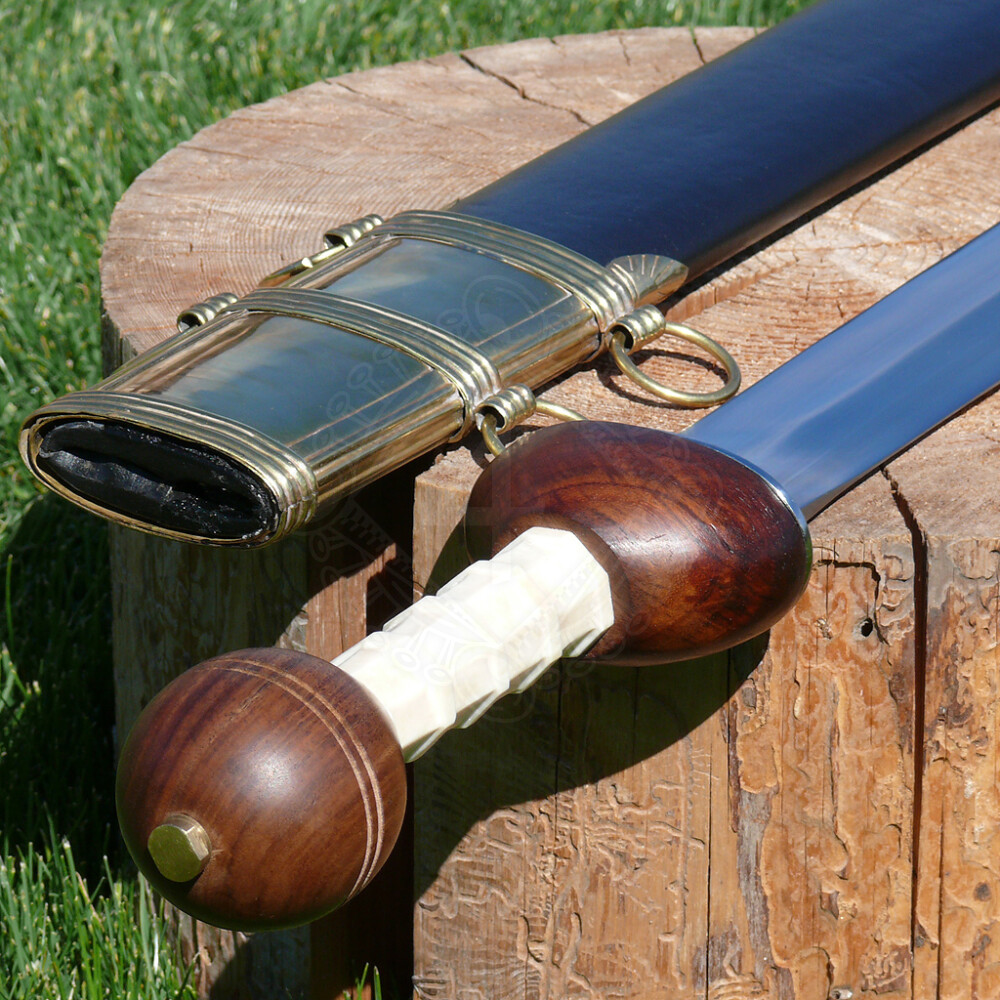
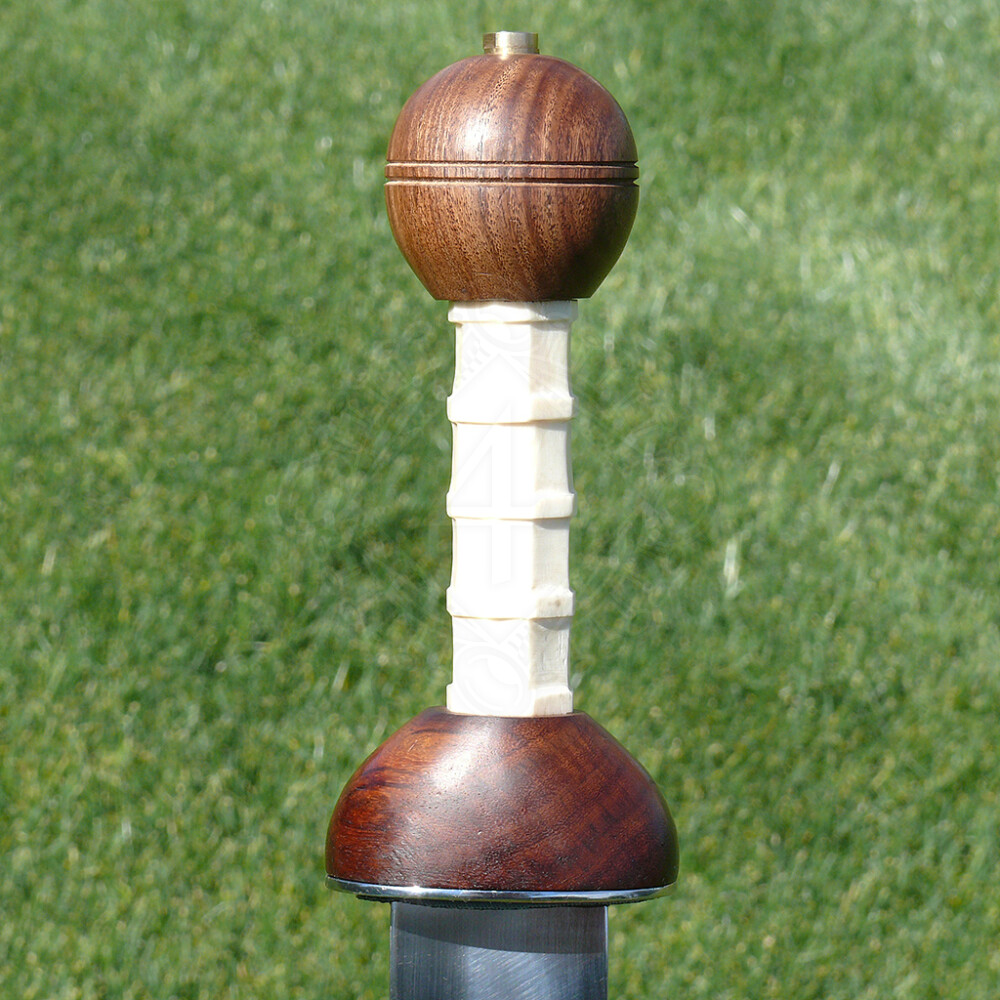
This model is a magnificent piece for your collection or as an accessory for a Roman officer or cavalryman costume. The hilt combines dark wood with a faux ivory grip (durable polymer), giving the weapon a luxurious contrasting look. The hand-forged carbon steel blade is robust and heavy, adding to the feeling of authenticity when you hold the sword.
A Scabbard That Defines the Sword
Included with the sword is a beautiful wooden scabbard covered in black leather (or leatherette) and fitted with massive brass fittings. The four suspension rings on the scabbard are not just for show—they serve for the historically accurate suspension from a shoulder strap known as the balteus. The brass chape and throat are adorned with fine motifs that underscore the weapon's elegance.
Historical Context: From Celts to Romans
The Spatha has its roots in Celtic tribes, whose long slashing swords inspired Roman armourers. Used by the cavalry from the 1st century AD onwards, the Spatha eventually displaced the short Gladius as Roman legionary tactics changed and formations became looser, becoming the primary weapon for infantry as well. Its design influenced sword development in Europe for hundreds of years, right through the Migration Period and the Viking Age.
Specifications
| Total Length | approx. 84 cm (33 inches) |
| Blade Length | approx. 65 cm (25.6 inches) |
| Weight | approx. 2.2 kg (4.85 lbs) |
| Blade Material | Hand-forged Carbon Steel |
| Handle Material | Wood, Faux Ivory (Plastic) |
| Scabbard | Wood, Leather, Brass fittings |
Care and Safety Instructions
The sword is made of carbon steel, so it is prone to rust. To prevent corrosion, keep the blade dry and regularly preserve it with oil (e.g., WD-40 or gun oil). You can polish the brass parts with metal polish to maintain their shine.
Important Warning: This sword is sold exclusively as a decorative item. Weighing over 2 kg, it is significantly heavier than historical originals, and its construction is not designed to withstand the impact of fencing. Use it only as a costume accessory or display piece. It is not intended for contact combat.
We are here for you!