
 Čeština
 Deutsch


Medieval Leather Boots
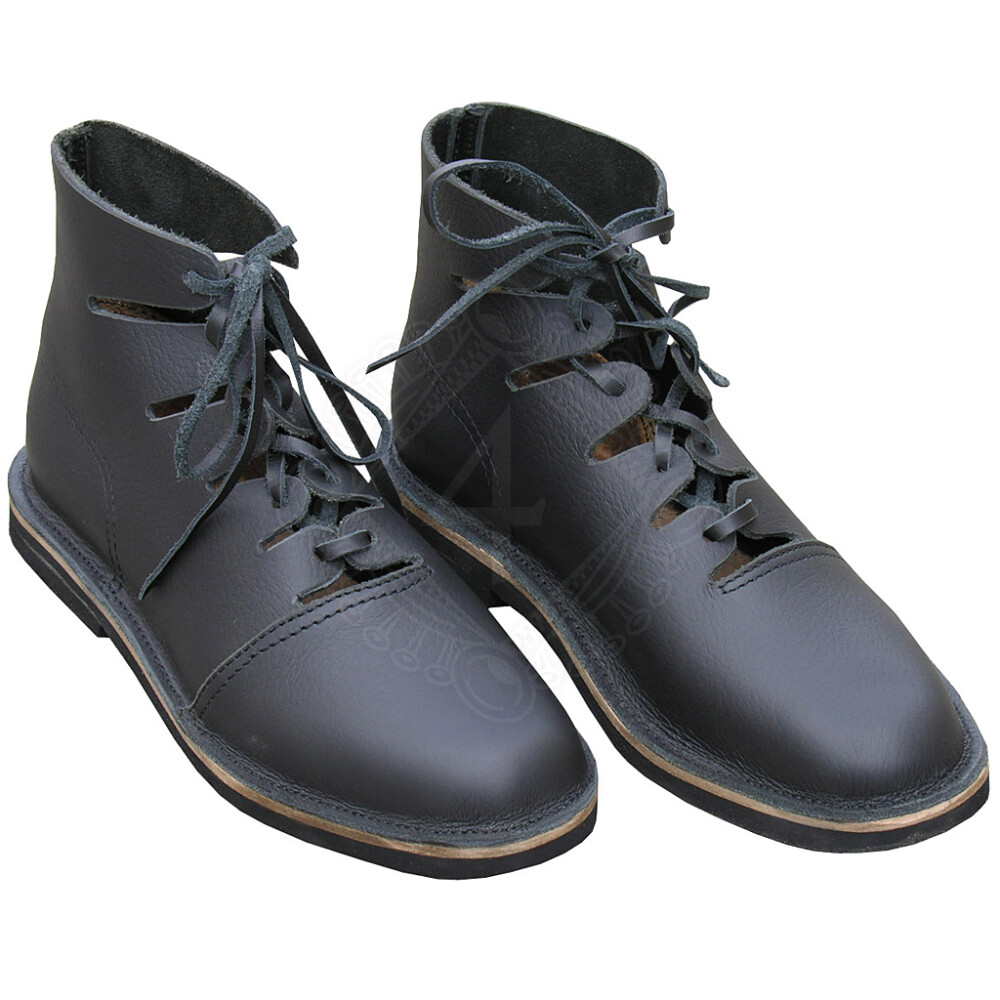
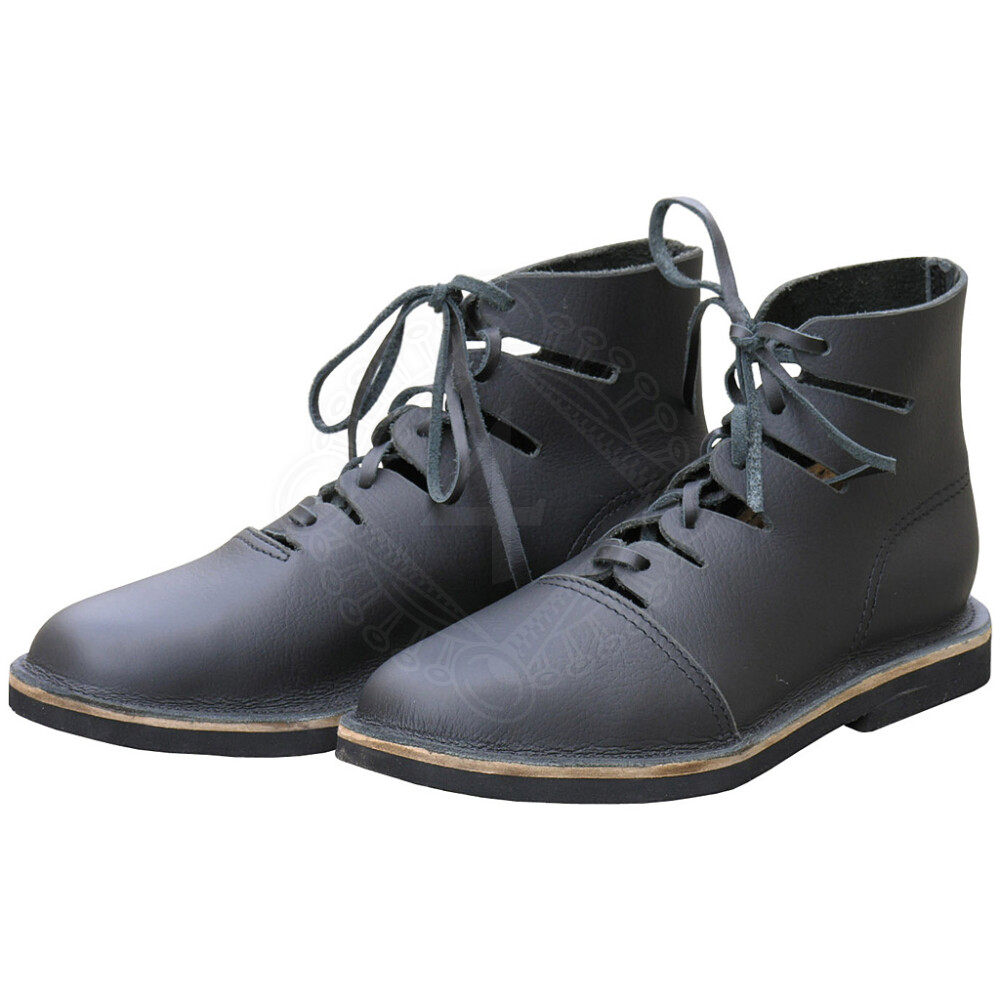
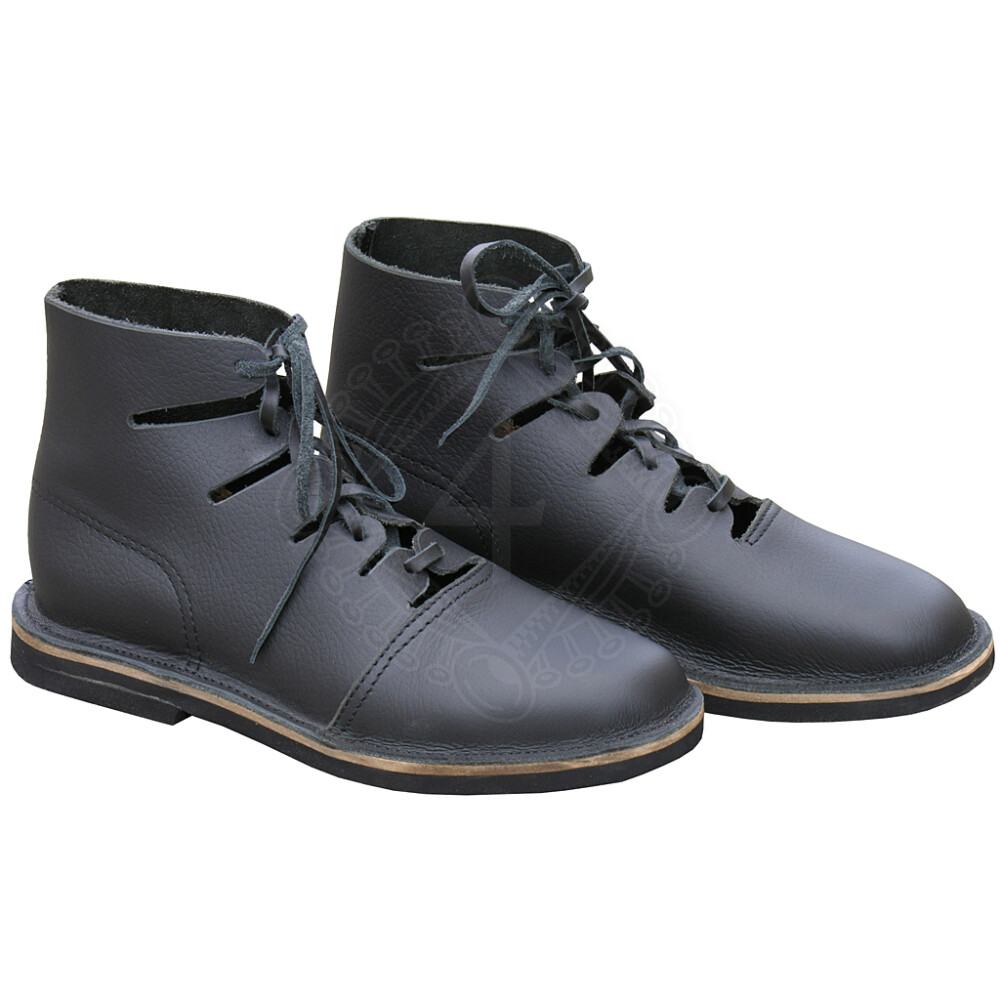
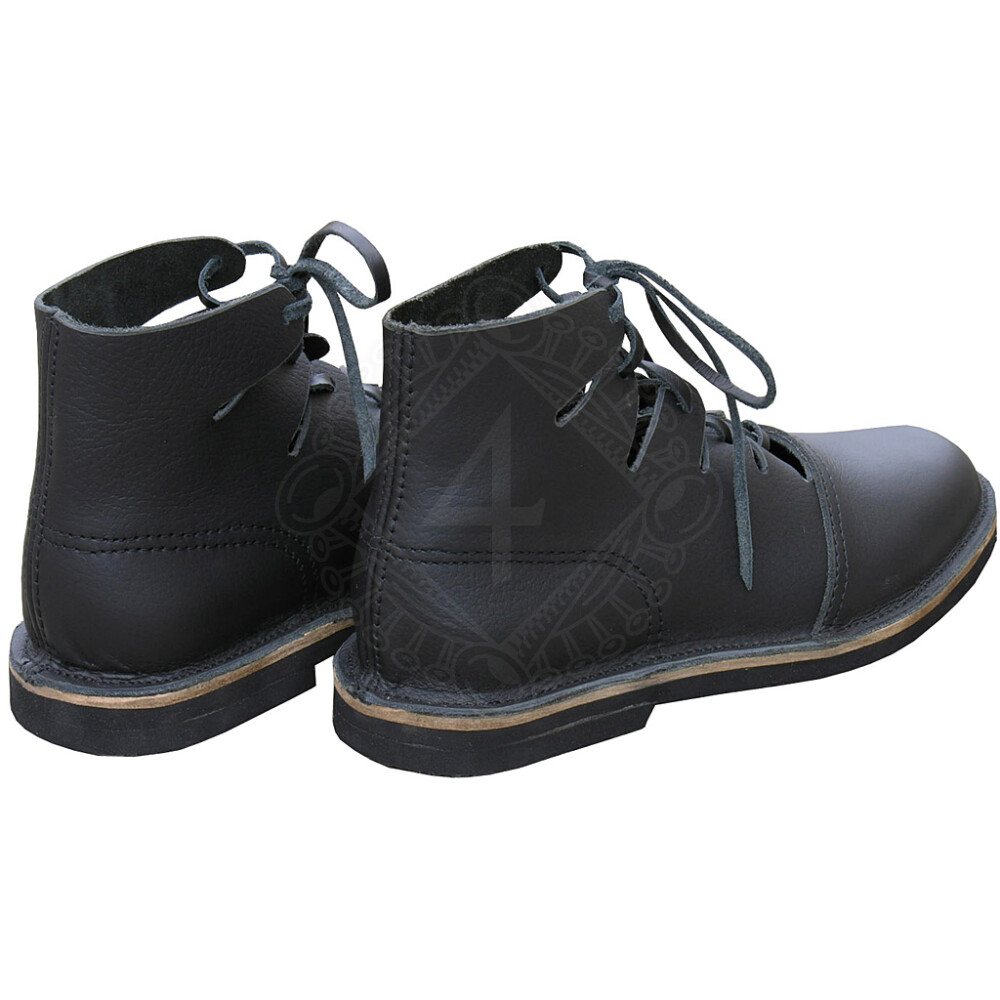
Are you looking for versatile and reliable historical footwear that won't let you down on any expedition into the past? These sturdy leather ankle boots with a rounded toe and an original cut-out lacing across the instep are based on a shoe typology widely worn from the 5th deep into the 16th century. They will provide you with excellent comfort and stability, whether you are preparing for a historical reenactment festival, a LARP, or a medieval town fair. Thanks to the honest craftsmanship and high-quality natural materials, the leather will perfectly adapt to your foot. Complete your period costume with this practical piece that perfectly combines an authentic historical appearance with much-needed durability. Further product information ...

Medieval Ankle Leather Shoes with Cut-Out Lacing and Round Toe
Historical Context and Construction
Simple, closed footwear reaching up to the ankles was the absolute standard for broad sections of the population from the Early Middle Ages through to the Renaissance. A distinctive feature of this model is the absence of metal eyelets for lacing – the leather lace is threaded through longitudinal decorative cut-outs directly in the hide. This is a historically highly accurate detail frequently seen in period footwear. The shoe is designed to provide protection to the entire instep while allowing for a firm tightening around the foot.
Material, Colours, and Modern Features
The upper of the boots is carefully sewn from high-quality cowhide. The sole is fitted with a small heel and a solid bottom layer, which, although representing a slight modern concession, significantly increases your safety. Unlike completely smooth historical leather soles, these medieval shoes present a much lower risk of slipping on wet grass, mud, or modern surfaces such as cobblestones and tarmac.
By default, the leather is available in black, dark brown, and light brown (natural) colours. Other colour shades are achieved by applying a special topcoat dye. Please keep in mind that this topcoat shares the natural properties of patent leathers – over time and due to the stress on the material, small cracks may appear, or the coating may crumble locally (especially in the flex zones of the toe). This is a normal phenomenon, not a defect. However, if you are looking for footwear for one-off celebrations or occasional weekend events, the coated dye will serve you to your full satisfaction.
Care Instructions and Proper Use
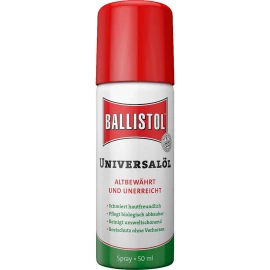
From the workshop, the leather is treated with a beeswax balm that softens, impregnates, and slightly tints it to a darker shade. To maintain a long lifespan and the flexibility of the leather, it is essential to regularly treat the footwear with available leather care products. Waxes, leather oils, or standard shoe polish work excellently, allowing you to easily cover any scuffs from regular wear and marching in the field. Never dry the boots near a direct heat source, such as an open fire or a radiator, as the leather would irreversibly harden and crack.
If you choose the custom-made variant and wear orthotic insoles, it is absolutely necessary to send these insoles to us in advance. They will be precisely fitted directly into the footwear, ensuring the boots fit you like a glove in the end and provide your arches with the necessary support.
Technical Parameters
| Upper Material | Cowhide leather |
| Fastening Method | Centre lacing with a leather string through cut-outs |
| Historical Period | 5th - 16th century (Early Middle Ages to Renaissance) |
| Standard Boot Height | approx. 13 cm (5.1 in) |
| Standard Colour Variants | Black, dark brown, light brown (natural) |
| Factory Treatment | Impregnated with beeswax balm |
With these practical boots, we highly recommend acquiring traditionally knitted woollen socks or linen foot wraps, which excellently absorb sweat and prevent the formation of blisters during long marches.
We are here for you!




.3773623034.1696456237.png.webp)

.3773623034.1696456268.png.webp)
.3773623034.1696456247.png.webp)