
 Čeština
 Deutsch


P220 Sanding Sponge for Armour and Sword Maintenance
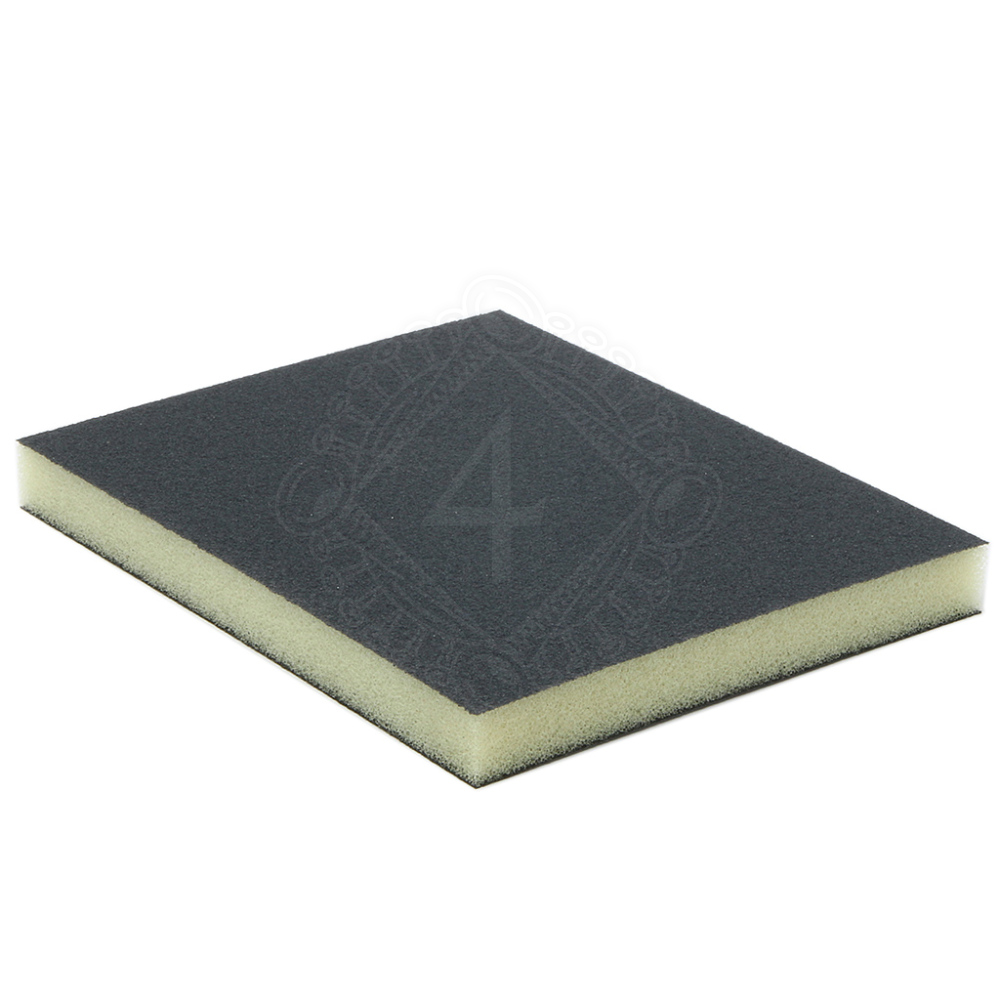
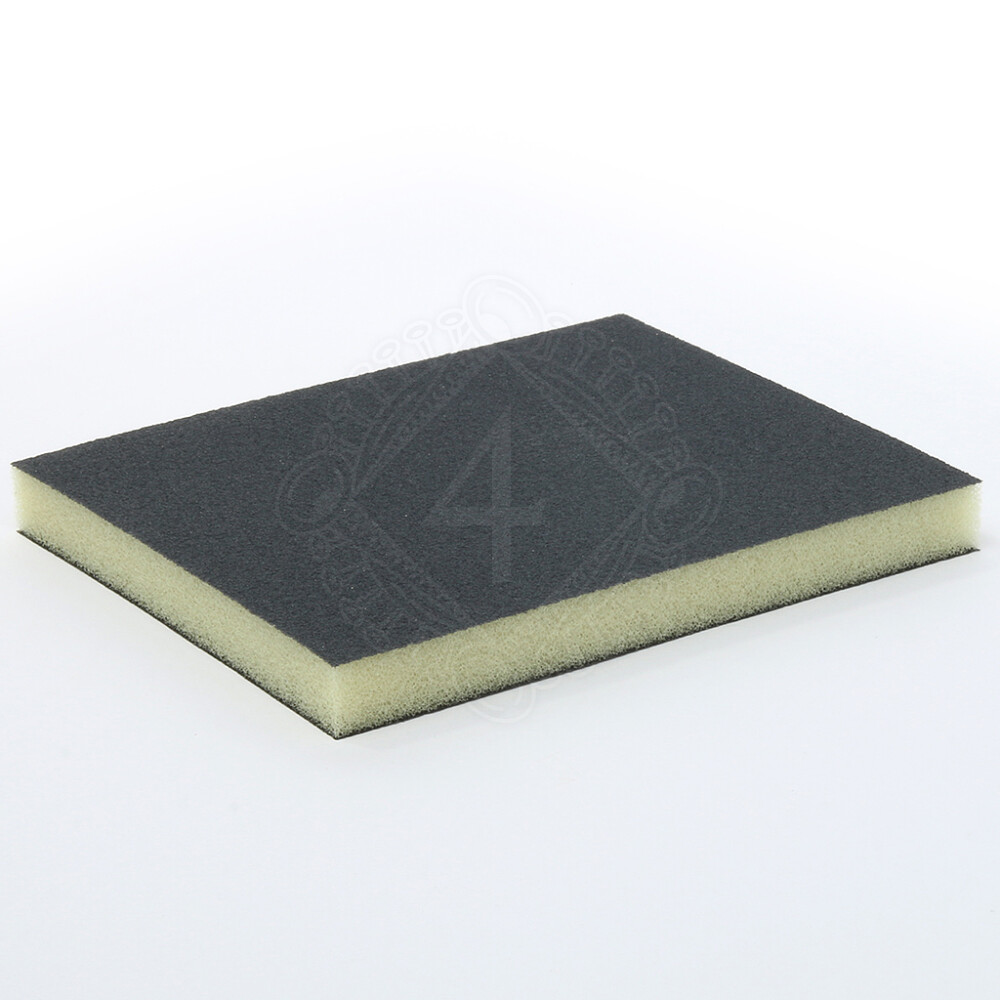
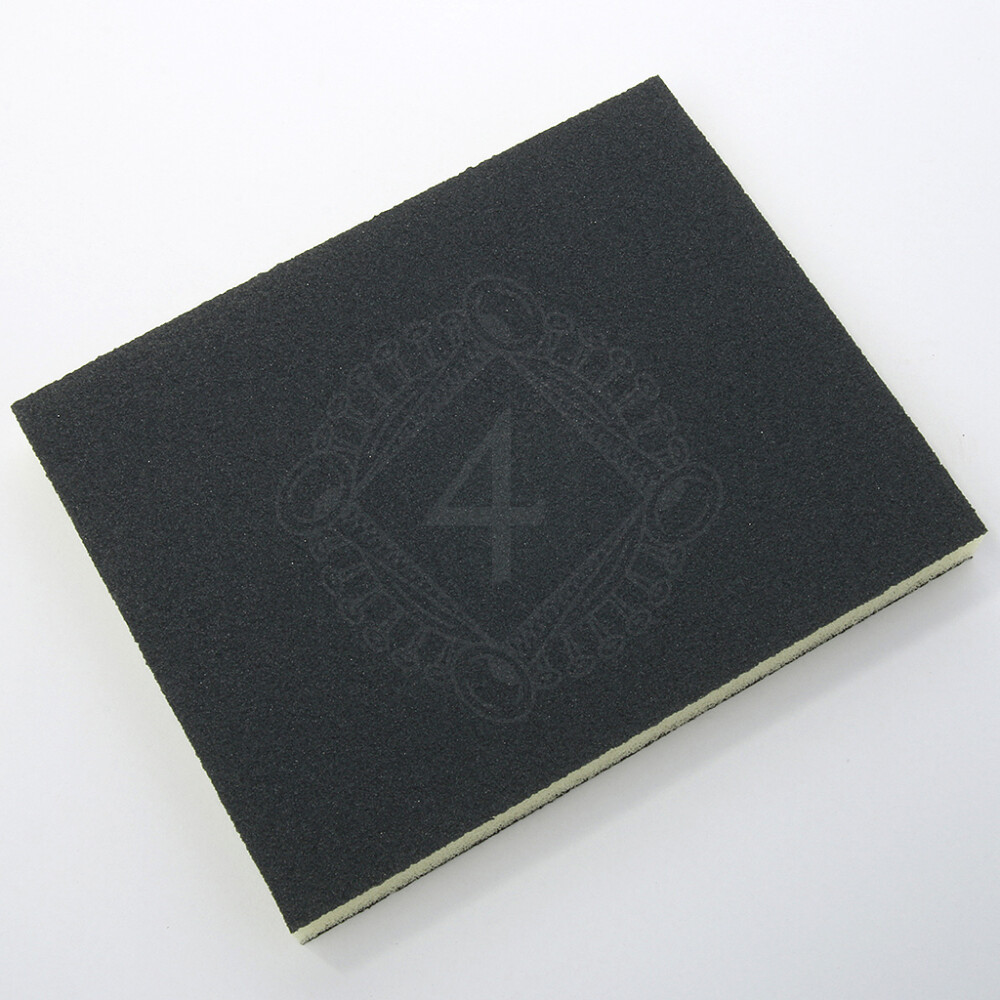
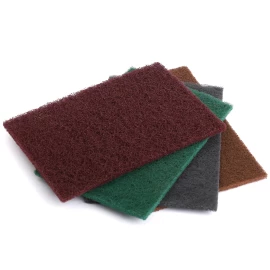
Every seasoned swordsman and reenactor knows that after the battle comes the crucial maintenance of equipment. With this flexible P220 grit sanding sponge, you can easily and quickly remove surface rust from blades, polish your plate armour, or smooth out a wooden axe haft. Its soft foam core perfectly adapts to the curves of your sword or helmet, ensuring you do not miss a single crease. Whether you are dry sanding in a field camp or wet sanding at home in your workshop, this little helper will save you a lot of time and effort in caring for your historical arsenal. Further product information ...

 Delivery options
Flexible P220 Sanding Sponge for Armour and Sword Maintenance
History of Surface Finishes and Modern Solutions
In the Middle Ages and the early modern period, maintaining armour and weapons took an enormous amount of effort. For polishing and sanding metal or smoothing wood, historical craftsmen used pumice, sandstone, dried horsetail, or for luxurious swords, even rough shark skin or ray skin. Today, fortunately, we can make this work significantly easier. This modern sanding sponge works on the principle of synthetic abrasive grains applied to a flexible polyurethane base, combining sanding efficiency with surface care.
How to Work with the Sanding Sponge
Using this tool is highly intuitive and manageable for anyone. You can use the sponge dry for faster and rougher cleaning of rust from chainmail or blades. For a finer sanding effect, unifying the metal surface, and significantly reducing dust, we recommend soaking the sponge in water or fine oil. It is absolutely ideal for removing minor scratches after contact fencing or for the final preparation of wooden weapon parts before applying linseed oil or beeswax.
Product Care and Safety Guidelines
To ensure the sponge lasts as long as possible, it requires proper handling. After wet use, simply rinse the sponge with clean water and let it air dry in a well-ventilated area. Never wring it out by twisting, as this could tear the abrasive layer and destroy the structure of the foam core. If you are removing rust from the sharpened blades of functional sword or knife replicas, exercise extreme caution. Always sand away from the edge towards the blunt spine to prevent nasty cuts to your fingers. Forget about applying heavy pressure when sanding; let the abrasive grain itself do the work.
Recommended Accessories
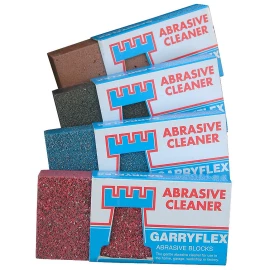
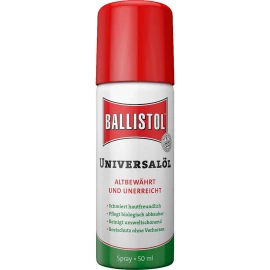
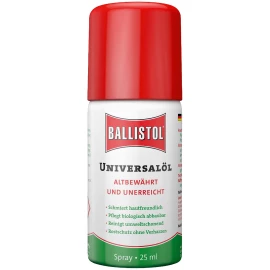
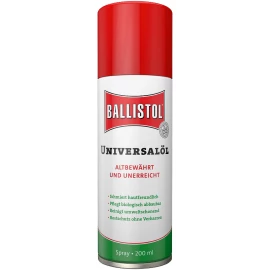
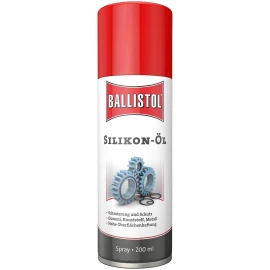
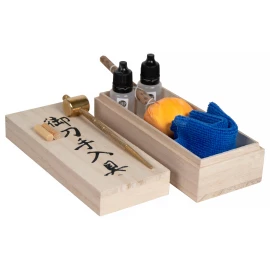
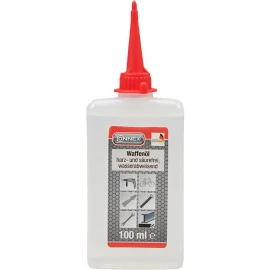
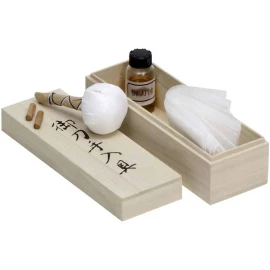
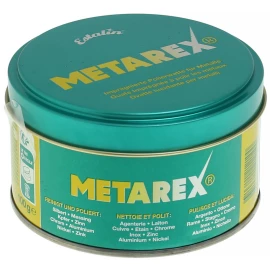
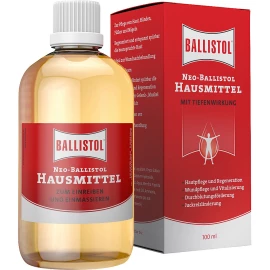
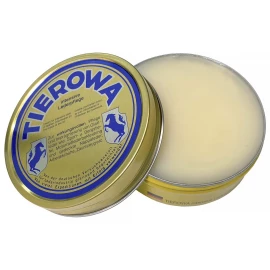
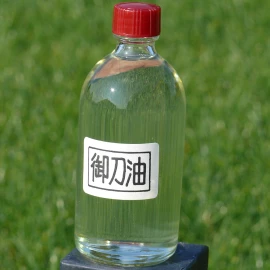
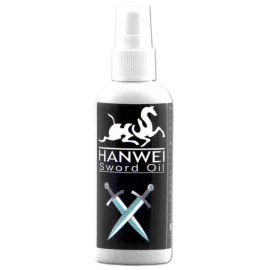
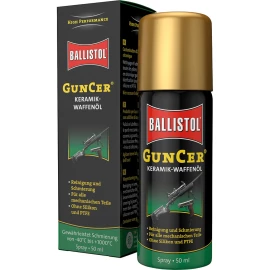
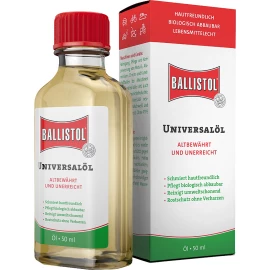
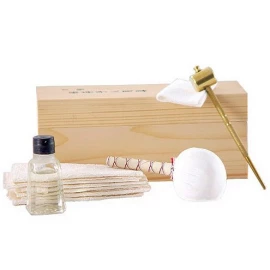
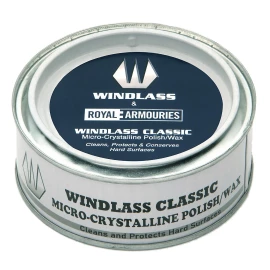
For the perfect and long-term maintenance of your gear, we recommend purchasing a high-quality weapon preservation oil and a metal polishing paste alongside this sanding sponge.
Technical Parameters of the Sanding Sponge
| Main Purpose | Wood, plastics, and metals |
| Method of Use | Dry and wet sanding |
| Length | approx. 125 mm (4.92 inches) |
| Width | approx. 100 mm (3.94 inches) |
| Thickness | approx. 12 mm (0.47 inches) |
| Weight | approx. 8 g (0.28 oz) |
| Grit Size | approx. P220 (fine) |
| Notice | The colour of the foam core may vary from the photographs depending on current stock availability |
We are here for you!









.3773623034.1696456237.png.webp)

.3773623034.1696456268.png.webp)
.3773623034.1696456247.png.webp)