
 Čeština
 Deutsch


Chainmail Voiders – Mild Steel, Flat Ring Round Riveted with Alternate Solid Rings, 8mm 18g
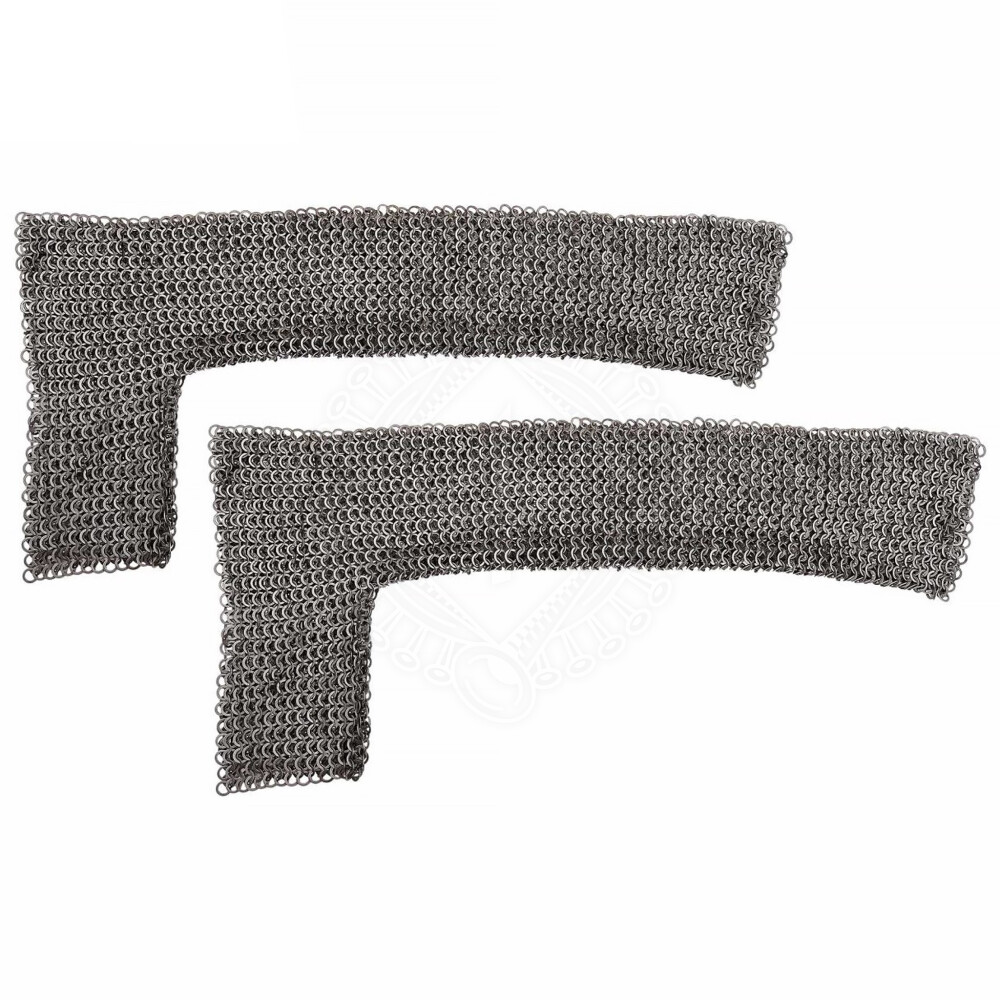
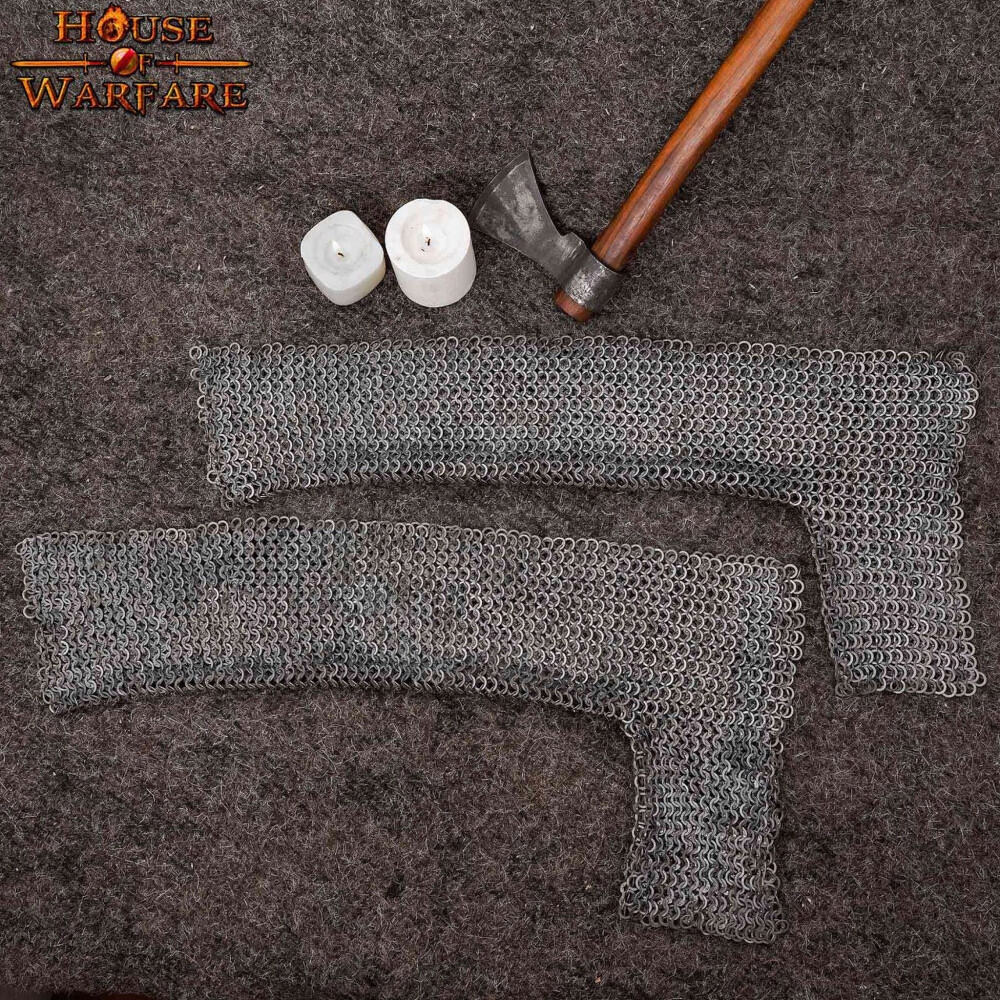
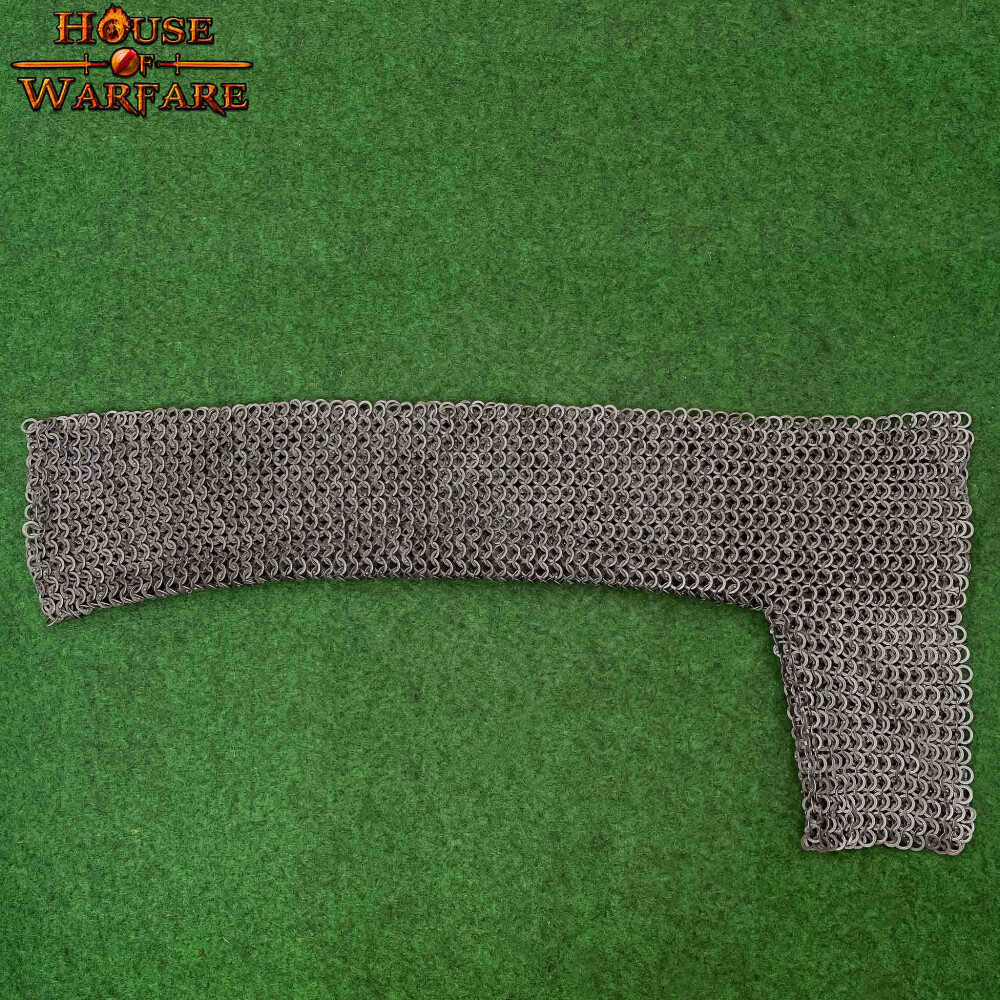

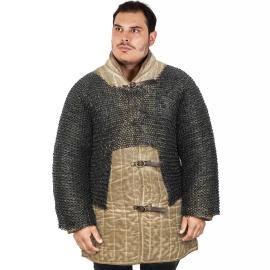
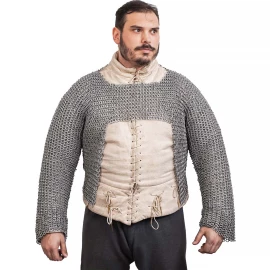
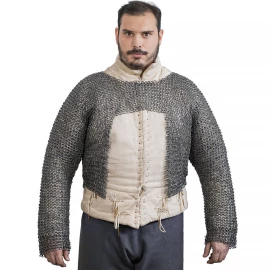
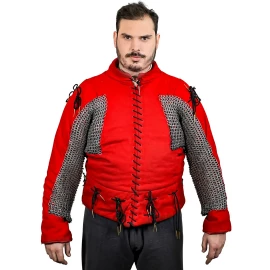
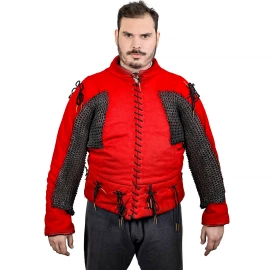
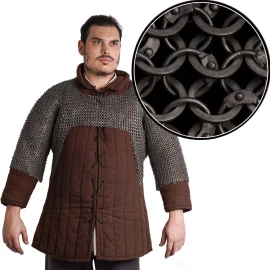
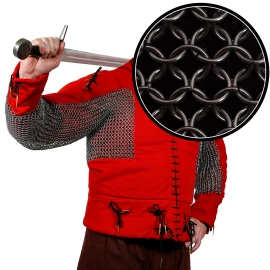
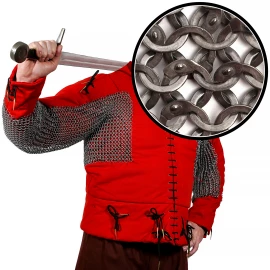
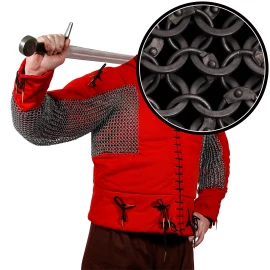
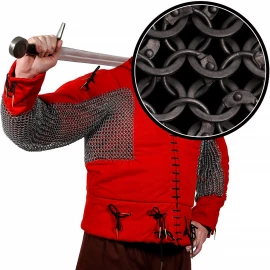
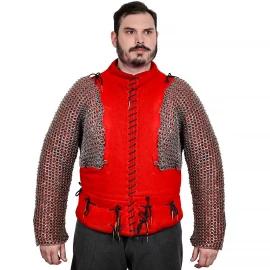
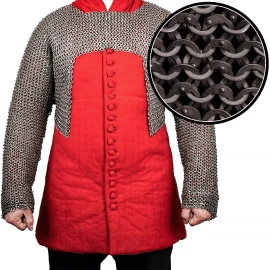
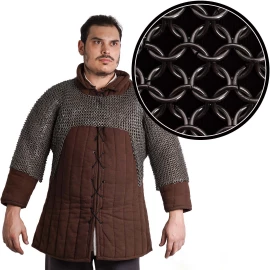
Ensure maximum protection in every battle! These chainmail voiders, also known as mail gussets, are designed to be sewn onto your gambeson or padded jack, providing crucial protection for the flanks and underarms – areas often left vulnerable. They are crafted from strong mild steel flat rings (18 gauge wire, approx. 1.02mm thick) with an 8mm inner diameter. Durability is ensured by a combination of rows of round-riveted rings alternating with rows of solid rings in the traditional 4-in-1 pattern. Further product information ...

 Delivery options
Chainmail Voiders – Mild Steel, Flat Ring Round Riveted with Alternate Solid Rings, 8mm 18g
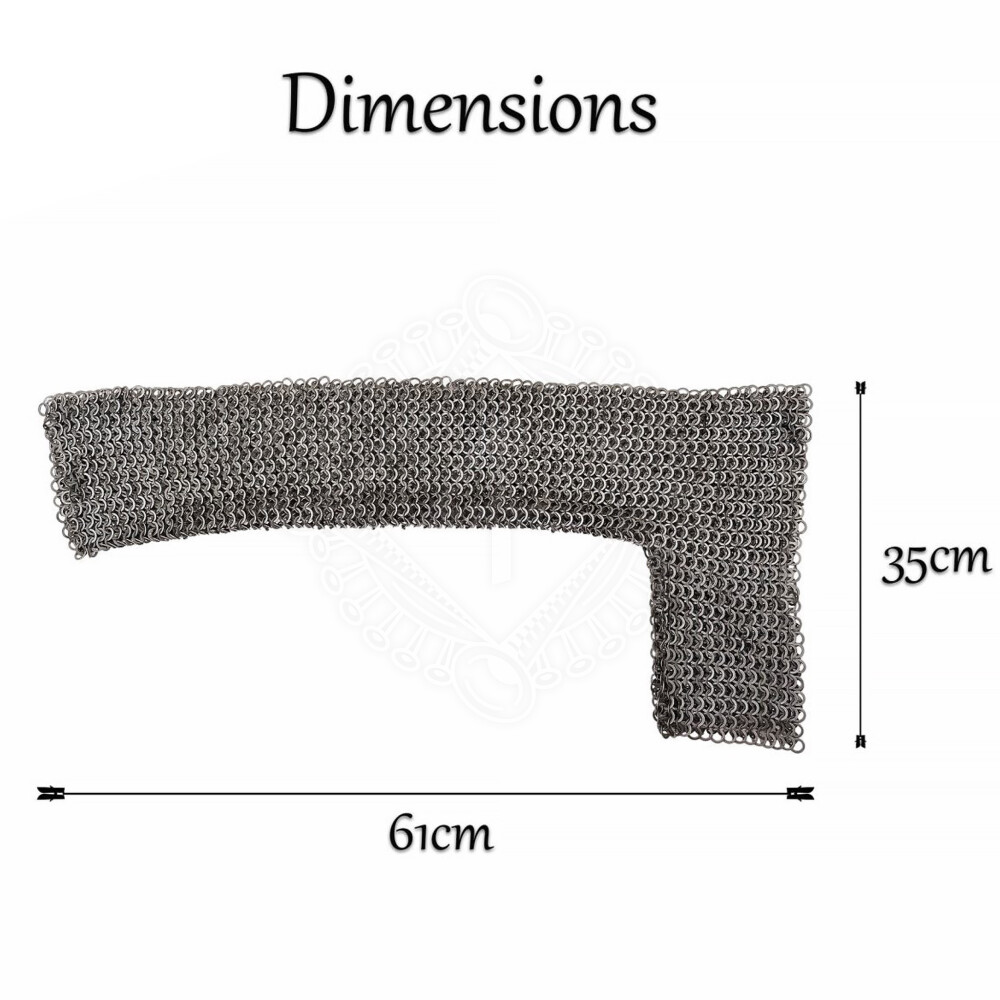
The voiders are supplied as a pair (2 pieces), one for each side of the torso. Each piece has a specific shape (length approx. 61cm / 24 inches, height in the wider part approx. 35cm / 13.8 inches) designed to optimally cover the area from the underarm down the side of the body. The edges of the voiders are unattached and ready to be sewn or otherwise affixed to your padded garment, such as a gambeson, arming jack, or doublet. The total weight of both voiders is approximately 3260g (7.19 lbs).
How to Use Voiders in Your Armour
These chainmail pieces are an invaluable addition for anyone striving for the most comprehensive protection within their historical or fantasy armour setup. Their primary uses include:
- Covering Gaps in Armour: They ideally fill the spaces under the arms and on the sides of the torso that may not be adequately protected by plate armour or a cuirass.
- Enhancing Gambeson Protection: When sewn onto a gambeson, they significantly increase its protective qualities.
- Versatile Addition: Thanks to their design and method of attachment, you can integrate them into many types of medieval and fantasy armours.
- Applications: An excellent choice for LARP, historical reenactment (SCA), medieval fairs, or as part of a costume.
Please note that these voiders must be sewn or otherwise securely attached to a garment to fulfill their protective function.
A Glimpse into History: Mail Filling the Gaps
With the development of plate armour in the 14th and 15th centuries, the need arose to protect areas that plates could not effectively cover while maintaining mobility – typically joints, underarms, and the sides of the torso. This is where "voiders" or "gussets of mail" came into play. These pieces of chainmail were sewn onto an arming doublet or gambeson worn beneath the plate armour. This ensured continuous protection in these exposed areas without significantly restricting the warrior's movement.
Advantages of the Material and Construction
Durable Mild Steel and Resilient Rings
- Material: 18 gauge (approx. 1.024mm) mild steel offers good durability for LARP and reenactment while maintaining a historically authentic appearance.
- Flat Rings: Rings with a flat profile provide denser coverage and better protection against slashing attacks compared to round rings of the same diameter. The inner diameter of the rings is 8mm.
- Round Riveted Alternating with Solid Rings: This method, often referred to as "mail of fence," is one of the strongest and most historically authentic constructions. The mail features rows of rings securely fastened with round rivets, alternating with rows of solid, one-piece rings. This ensures high resistance to tearing.
- 4-in-1 Pattern: The traditional and time-tested method of weaving chainmail, where each ring interlinks with four adjacent rings. This pattern provides an excellent compromise between protection, flexibility, and weight.
An Interesting Historical Fact
Did you know that carefully covering even the smallest gaps in armour could often mean the difference between life and death for a knight? That's precisely why additions like voiders were so important. Warriors were well aware that even a small unprotected area could be a fatal target for an opponent's weapon, especially for thrusting attacks with a sword or dagger.
Caring for Your Chainmail Voiders
To ensure these mild steel voiders serve you reliably for a long time and do not rust, regular maintenance is essential:
- Oil for Preservation: Mild steel is prone to rust. Therefore, it's necessary to regularly treat the voiders with a conservation oil (e.g., WD-40, mineral oil, gun oil).
- After Each Use: If the voiders become damp (from sweat, rain), it's crucial to dry them thoroughly as soon as possible.
- Before Storage: Always dry them completely. Then, wipe off any old oil and apply a thin layer of fresh conservation oil.
- Storage: Keep them in a dry place, ideally wrapped in an oiled cloth or paper, to minimize moisture exposure.
- Staining: Slight staining of undergarments from oil, especially with newly oiled armour, is normal. Consider this when choosing your base clothing.
This quality product from House of Warfare will provide you with reliable protection and an authentic look for your historical or fantasy activities.
We are here for you!






.3773623034.1696456237.png.webp)

.3773623034.1696456268.png.webp)
.3773623034.1696456247.png.webp)