 Čeština
 Deutsch


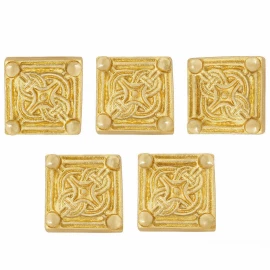
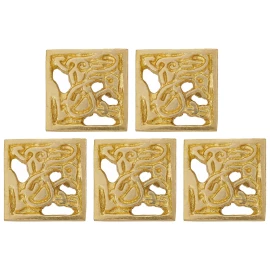
Square Fittings „Four Arrows“ for Roman Cingulum or Balteus, 3pcs - Outlet
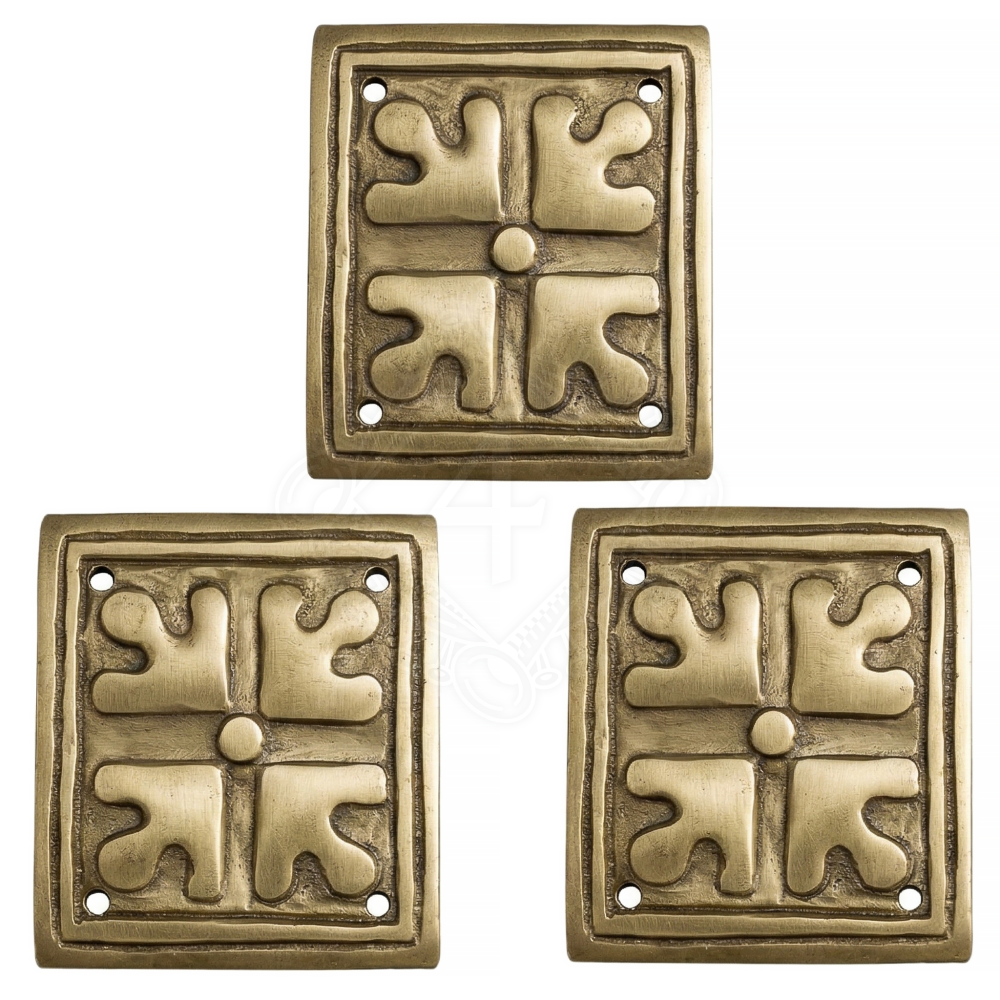
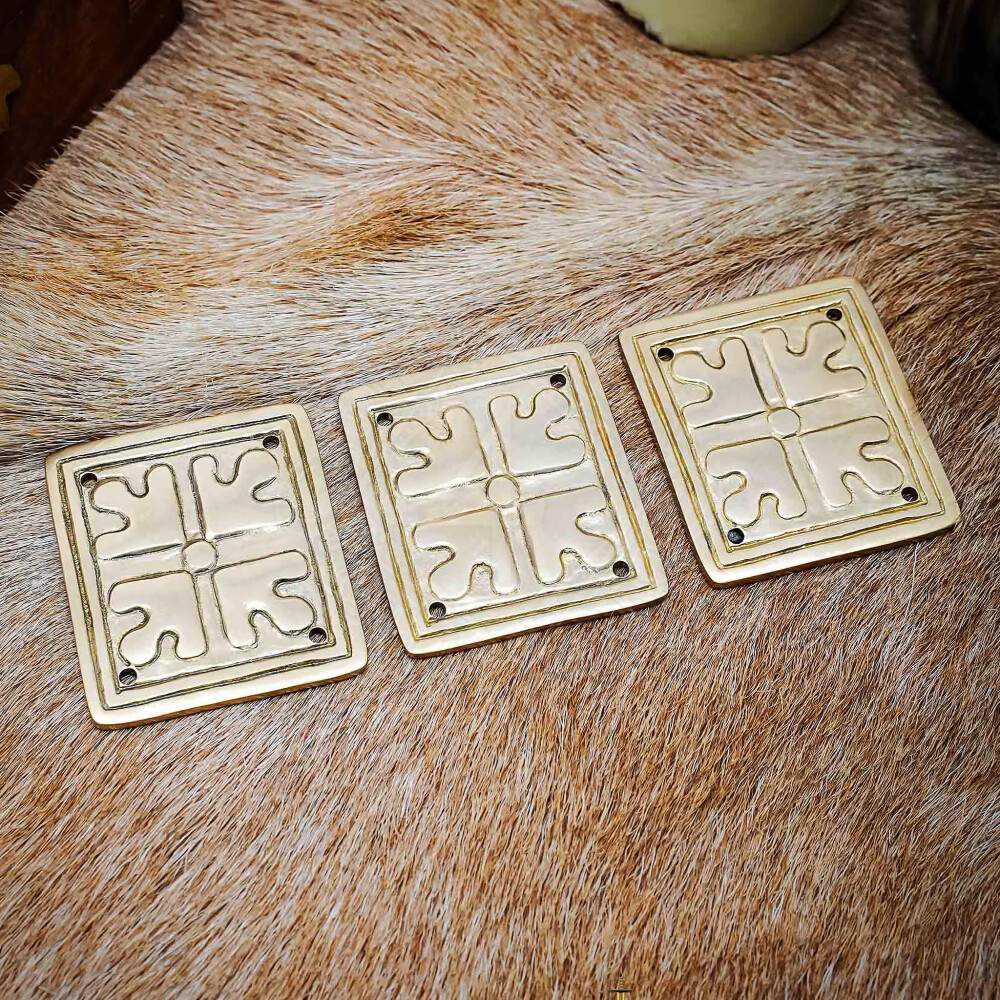

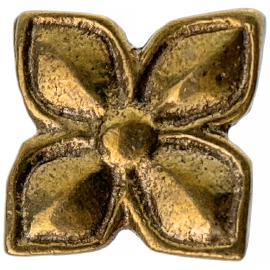
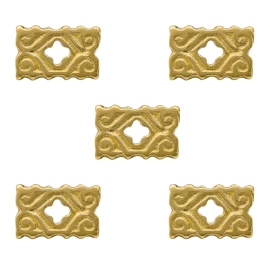
Are you upgrading your Roman legionary armour and looking for the perfect finishing touches? This set of three rectangular brass plaques is exactly what will give your military belt, known as a cingulum militare or balteus, a mark of uncompromising historical authenticity. The belt fittings are precisely cast from solid brass and decorated with a sophisticated relief motif reminiscent of four arrows pointing to the centre. In ancient Rome, the belt was not merely a practical piece of equipment, but above all a proud and visible symbol of military status. With these plates, you will become the centre of attention at any historical festival, LARP, or museum reconstruction, adding a monumental and imposing feel to your attire. Further product information ...

Solid Brass Roman Cingulum Plates with Four Arrows Motif, 3 Pcs
Historical Context and Symbolism
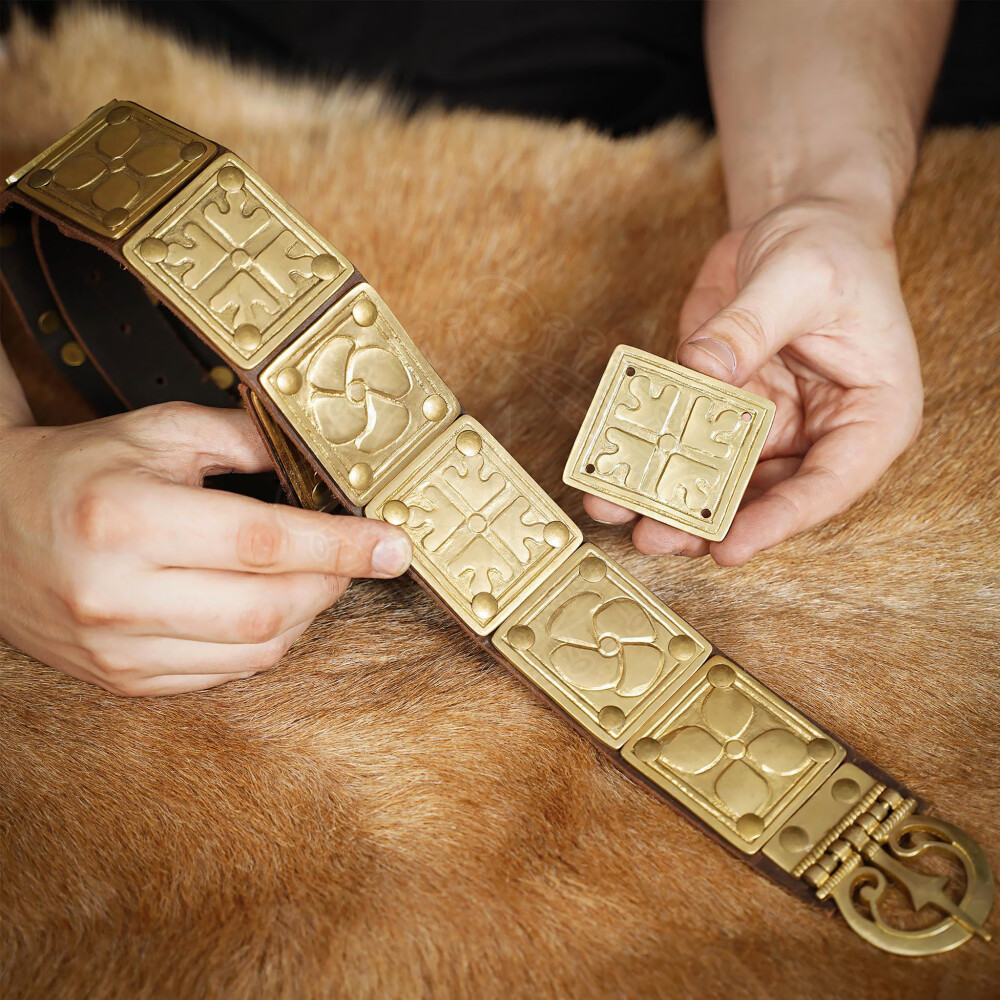
The Roman military belt (cingulum militare) was an essential piece of equipment for every legionary and auxiliary soldier during the Early and High Empire. It was worn tightly over the tunic and frequently supported the pugio dagger. Belts were richly decorated with similar brass, bronze, or silver-plated plaques. The motif on these mounts, often referred to as "four arrows" or a stylised floral pattern (geometrically derived from the pelta shield shape), is a typical element of Roman military art from the 1st to 2nd centuries AD. A heavily decorated belt jingled loudly while walking, clearly signalling to civilians the approach of an imperial soldier.
How to Attach the Fittings Properly
The plaques are designed to be permanently attached to a sturdy leather strap. Each fitting features four pre-drilled holes in the corners. To install them, you will need brass or copper dome-head rivets and washers (not included in the delivery). Carefully punch holes in the leather using a rotary punch or hole punch tool, place the plaque on the grain side, push the rivets through from the flesh side, and gently peen them over on a hard steel anvil using a hammer. We strongly recommend placing a scrap piece of leather over the plaque's face to protect the relief from hammer marks. Ensure the peened ends of the rivets are not too long or sharp, so they do not press uncomfortably into your body while wearing the belt.
Care for Brass Accessories
Solid brass tends to naturally oxidise over time, developing a darker patina. This is favoured by many reenactors as it enhances the authentic, battle-hardened appearance of the gear. However, if you prefer a brilliant shine fit for a triumphal parade in Rome, we recommend occasionally polishing the plates with a specialised brass polishing paste and a soft cloth. Avoid harsh chemicals and always wipe the fittings completely dry after exposure to wet weather or high humidity.
Recommended Accessories
To complement this set of plates, we highly recommend purchasing a high-quality vegetable-tanned leather strap blank at least 6 cm (2.4 in) wide, a historically accurate Roman-style brass buckle, and a replica of a Roman pugio dagger, which was traditionally suspended from the balteus.
Parameter Table
| Material | 100% solid brass |
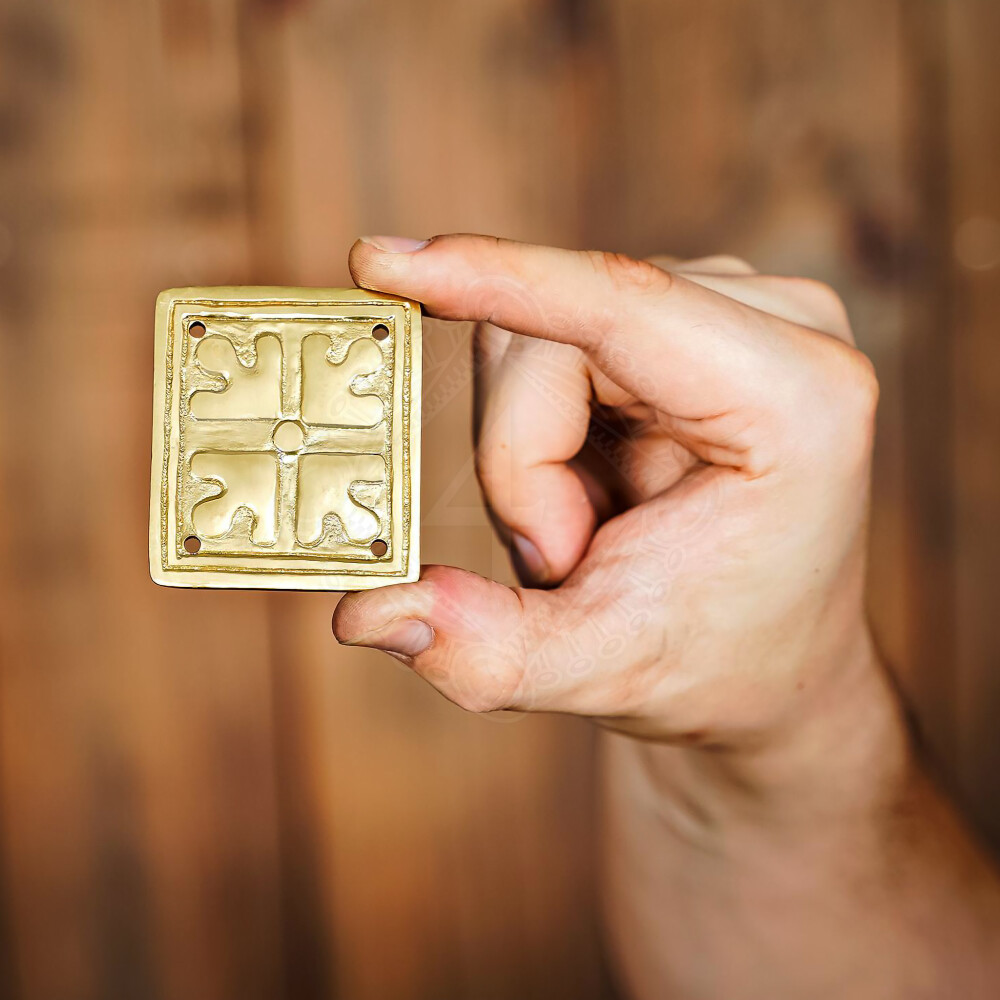
| Plate Length | approx. 5.9 cm (2.32 in) |
| Plate Width | approx. 5.2 cm (2.05 in) |
| Pieces per set | 3 pieces |
| Historical Period | Antiquity (Roman Empire, 1st - 2nd Century AD) |
| Purpose | Decorating military belts (cingulum militare, balteus) |
| Mounting method | 4 holes for riveting (rivets not included) |
We are here for you!