
 Čeština
 Deutsch


Chainmail Sleeves and Shoulders (Voiders), 9mm Butted Spring Steel
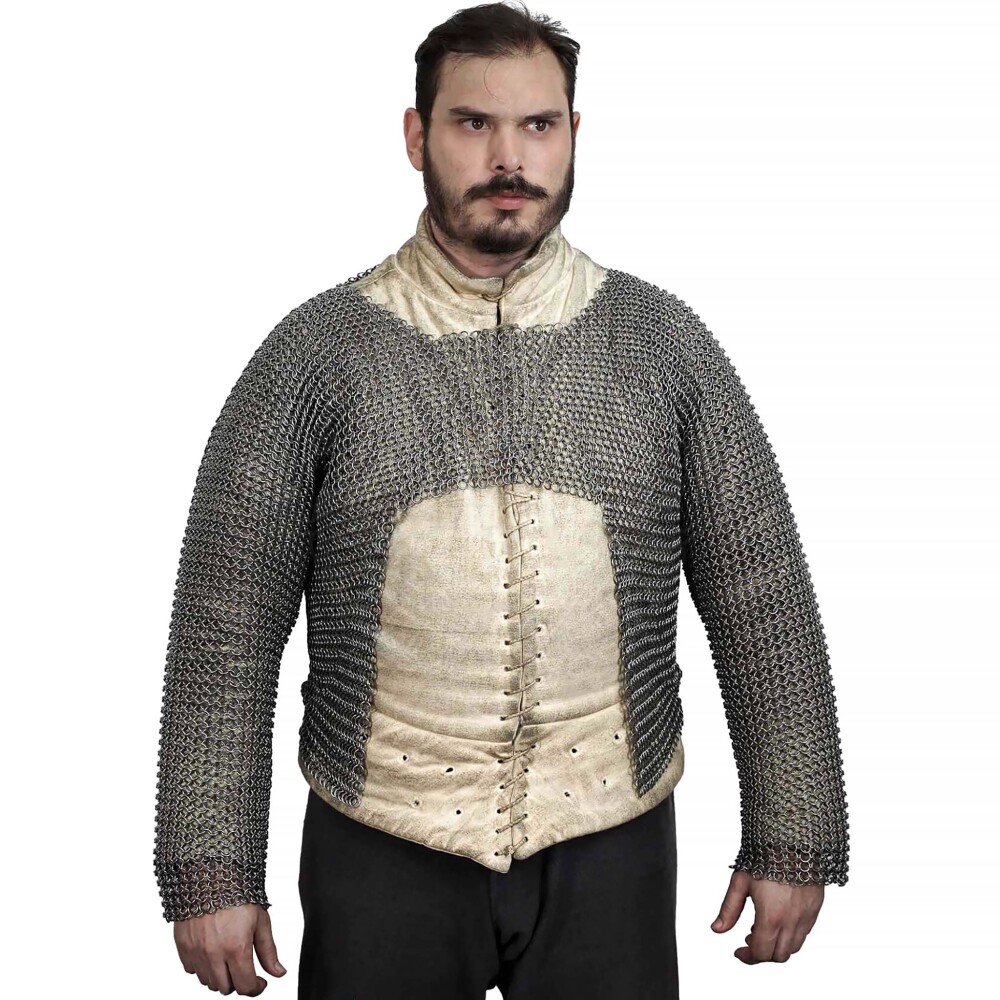
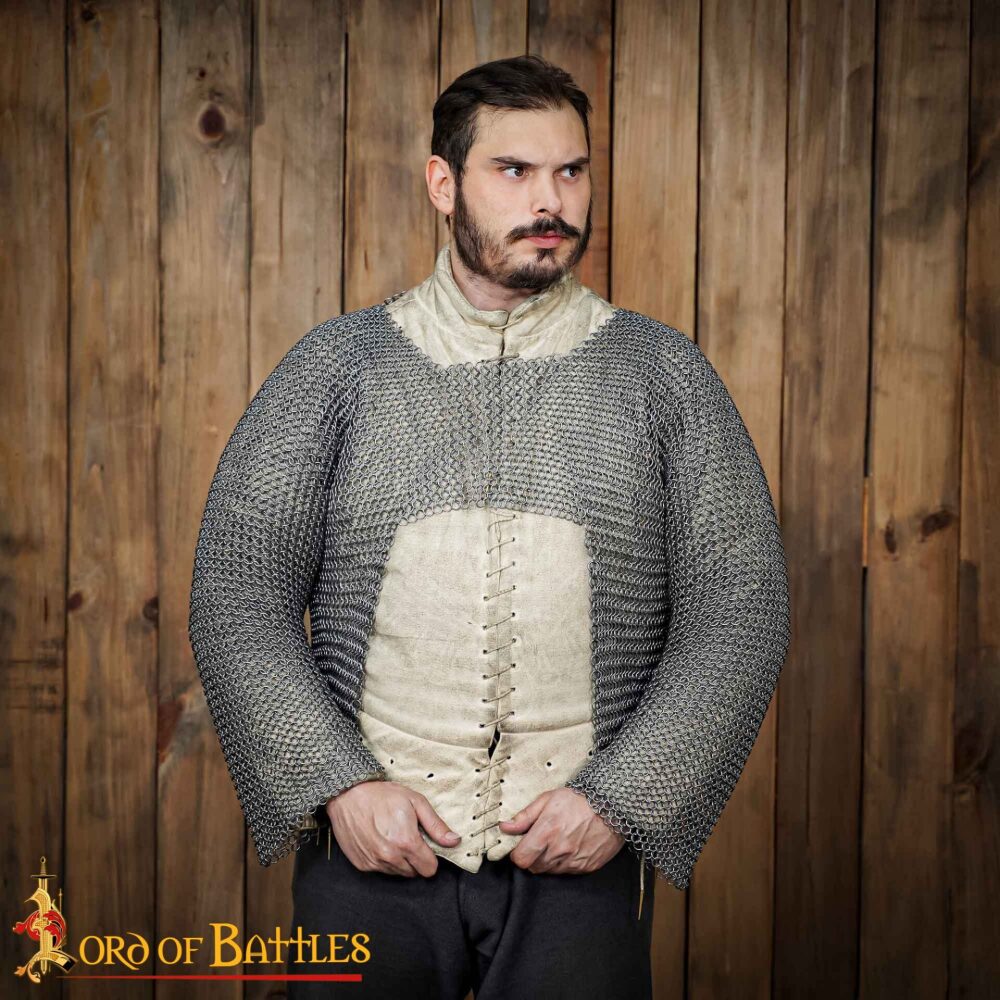
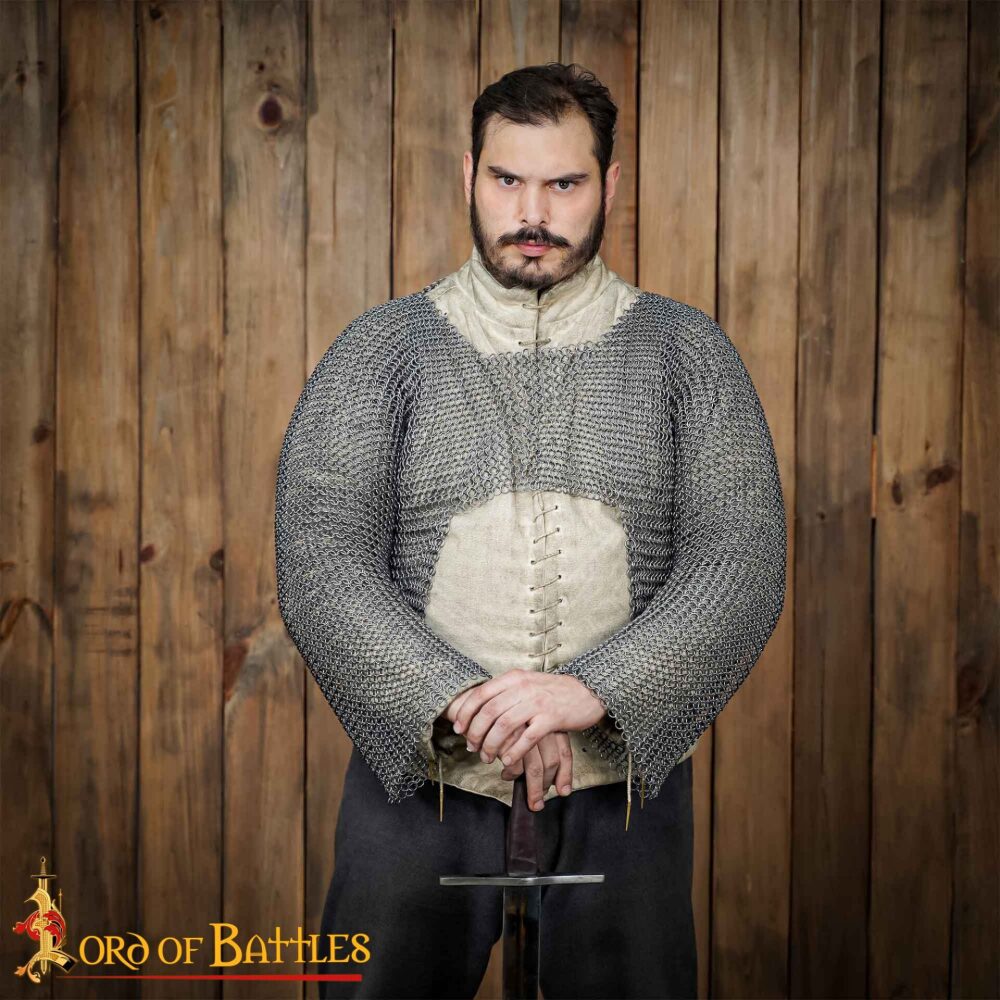
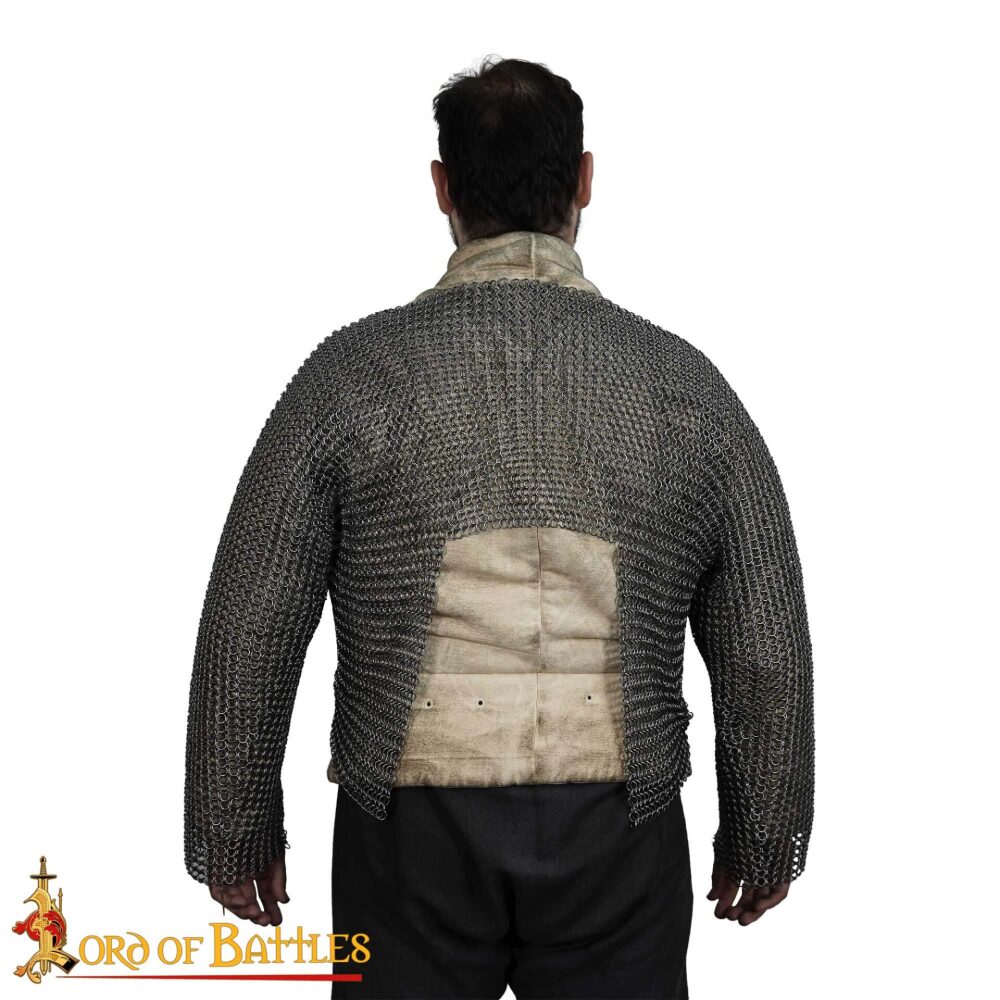


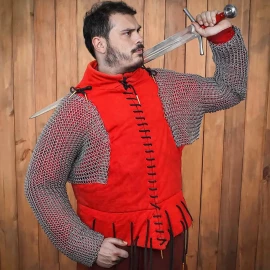
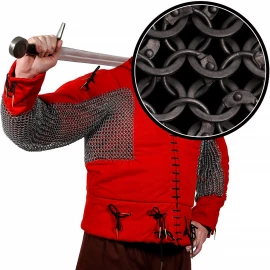
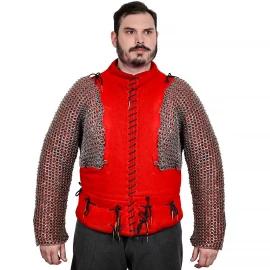
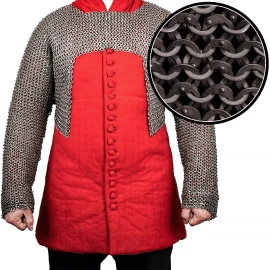
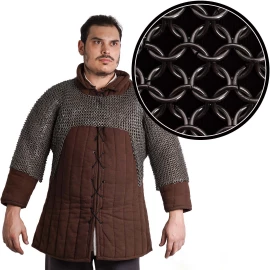
Do you want the arm and shoulder protection of a full hauberk, but without the unnecessary weight and cost of protecting a torso already covered by a breastplate or brigandine? These connected chainmail sleeves are exactly what you're looking for. Made from strong, high-tensile spring steel, they are the ideal armour component for 14th and 15th-century historical reenactment. They provide crucial protection for vulnerable areas while reducing the overall weight of your harness. Further product information ...

 Delivery options
The following variants are currently available:
Chainmail Sleeves and Shoulders (Voiders), 9mm Butted Spring Steel
Detailed Product Description
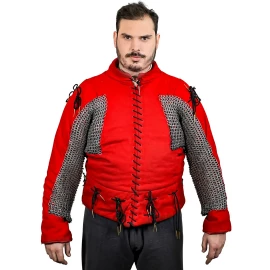
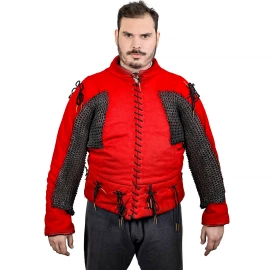
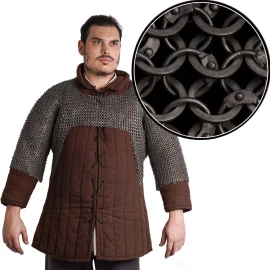
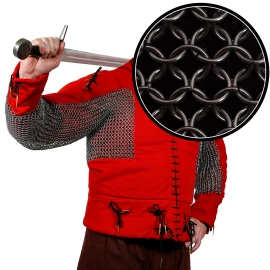
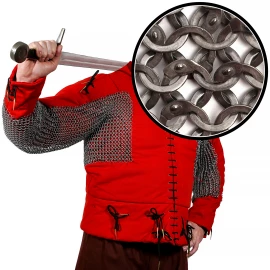
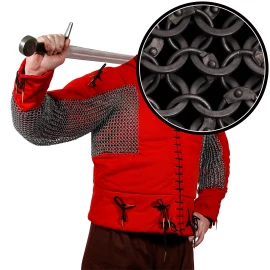
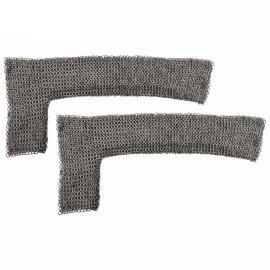
This piece of armour, sometimes called a half-hauberk or voiders, is designed to cover the shoulders, upper chest, upper back, and the entire arms down to the wrist. The central chest and back areas are intentionally left open, allowing for a comfortable fit over a padded gambeson or arming jack and underneath a plate cuirass or brigandine. The armour is woven from thousands of steel rings in the classic 4-in-1 pattern. The rings are butted (not riveted), but by using high-tensile spring steel, they hold their shape and closure much better than standard mild steel. The surface is oiled for rust protection.
Potential Uses
This chainmail piece is ideal for:
- Reenactment and Living History: Perfect for portraying a knight or man-at-arms from the late medieval period.
- LARP and Cosplay: Gives your character a high degree of authenticity and solid protection within LARP safety rules.
- Theatre and Film: Looks fantastic on stage or screen and allows actors more freedom of movement than a full hauberk.
Important Notice on Combat-Readiness
This armour is made from butted rings. Although it uses strong spring steel which significantly increases the rings' resistance to opening, this armour is NOT SUITABLE for full-contact combat sports like HMB, buhurt, or Battle of the Nations. Individual rings may be forced open under extreme, powerful blows. For these activities, we exclusively recommend fully riveted mail.
Size Chart
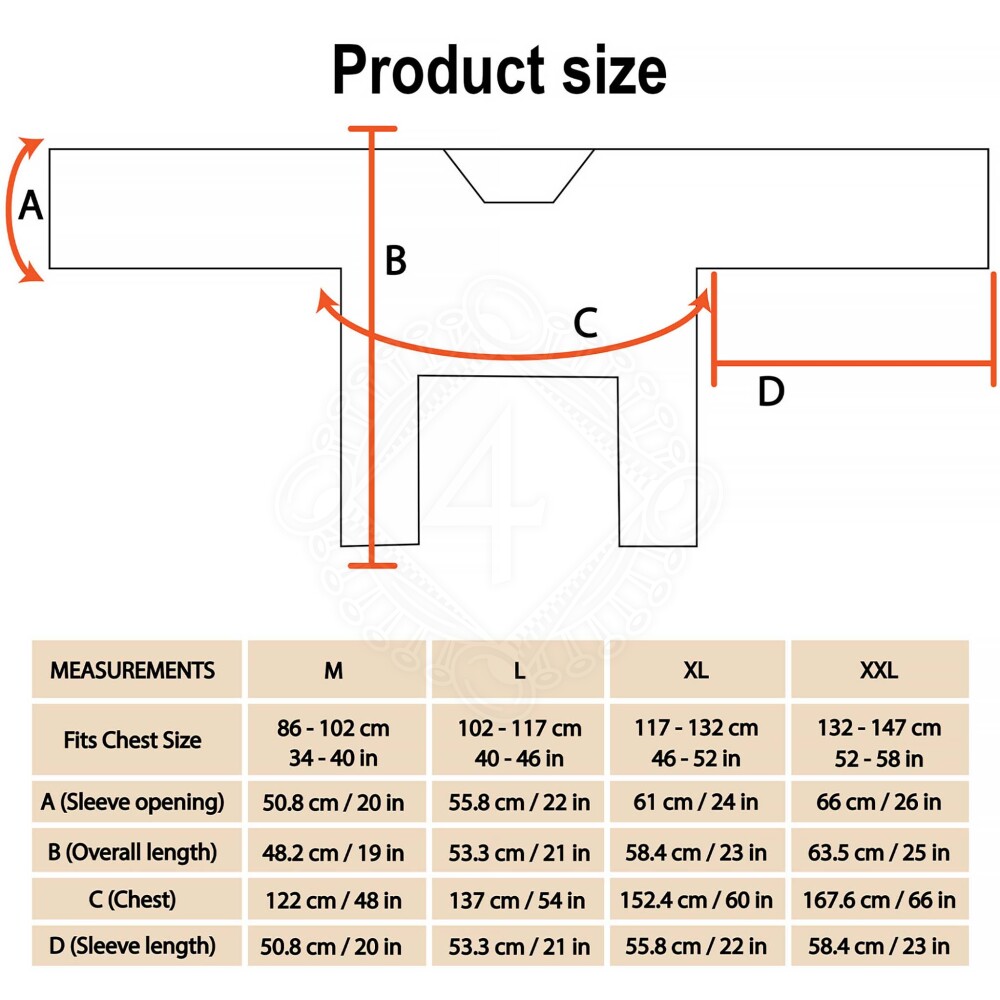
Before selecting a size, please measure yourself carefully over the gambeson or other padding you intend to wear underneath.
| Size | Fits Chest Size | A: Sleeve Opening | B: Overall Length | C: Armour Chest | D: Sleeve Length |
|---|---|---|---|---|---|
| M | 34 - 40 in | 20 in | 19 in | 48 in | 20 in |
| L | 40 - 46 in | 22 in | 21 in | 54 in | 21 in |
| XL | 46 - 52 in | 24 in | 23 in | 60 in | 22 in |
| XXL | 52 - 58 in | 26 in | 25 in | 66 in | 23 in |
Mail Sleeves in History
As plate armour for the torso (cuirasses, brigandines) became widespread in the 14th century, a full hauberk of mail became excessively heavy and redundant. However, warriors still needed to protect the areas that plate didn't cover—primarily the armpits, inner arms, and shoulder joints. This led to the creation of these "mail additions," known as voiders. They were sewn directly onto the padded arming jack, providing targeted protection where it was most needed without the extra burden.
A Note on Terminology
Did you know that the term "chainmail" is a modern pleonasm? The historically correct term was simply "mail," as it was inherently understood to be made of interlocking rings. Today, however, "chainmail" has become the common and universally understood term.
How to Care for Your Armour
Spring steel is durable, but it's still steel. To keep your armour rust-free and in good service, follow these principles:
- After every use, especially in damp conditions, wipe it thoroughly dry.
- Store it in a dry place. For long-term storage, lightly spray it with a preservative oil (like WD-40 or Ballistol) and wrap it in an oiled cloth.
- It is normal for a few rings to open on butted mail during use. Repairs are simple – just close the ring with two pairs of pliers.
We are here for you!




.3773623034.1696456237.png.webp)

.3773623034.1696456268.png.webp)
.3773623034.1696456247.png.webp)