
 Čeština
 Deutsch


Medieval Dining Knife with Bone Handle | Stainless Steel - Outlet
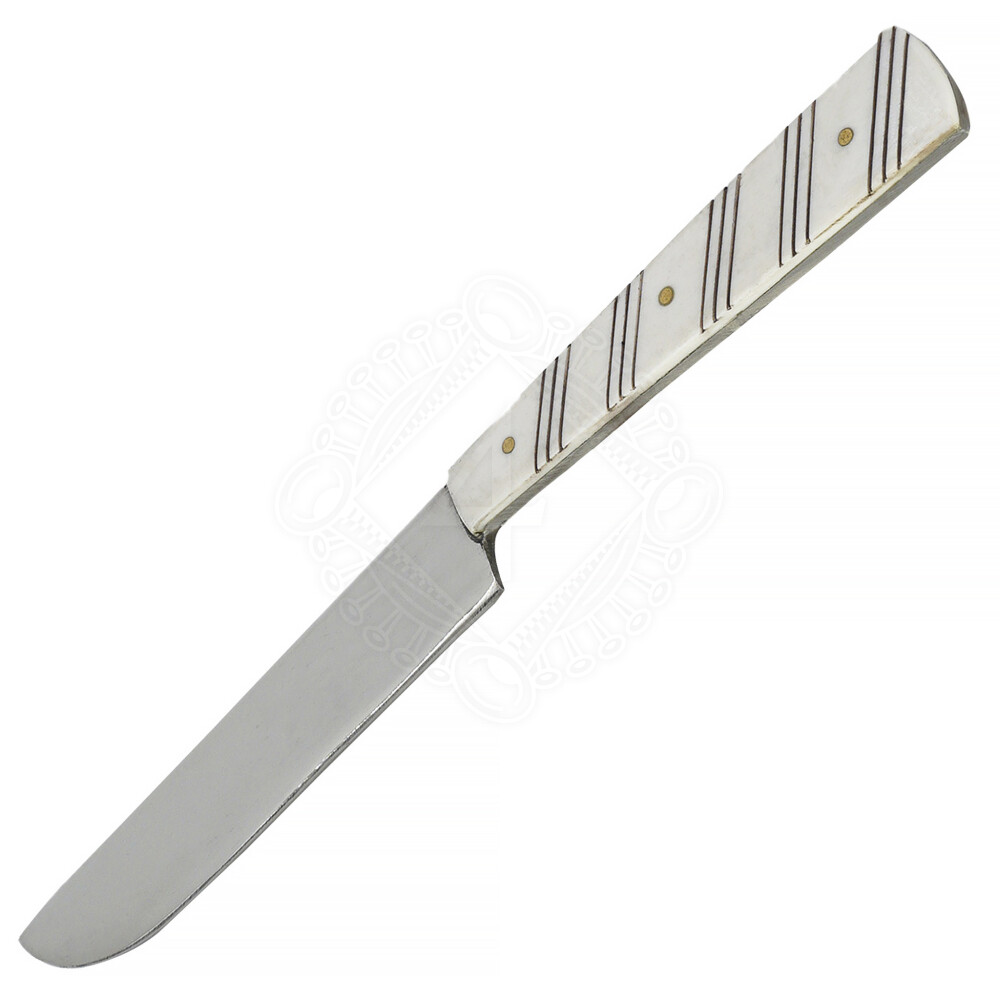
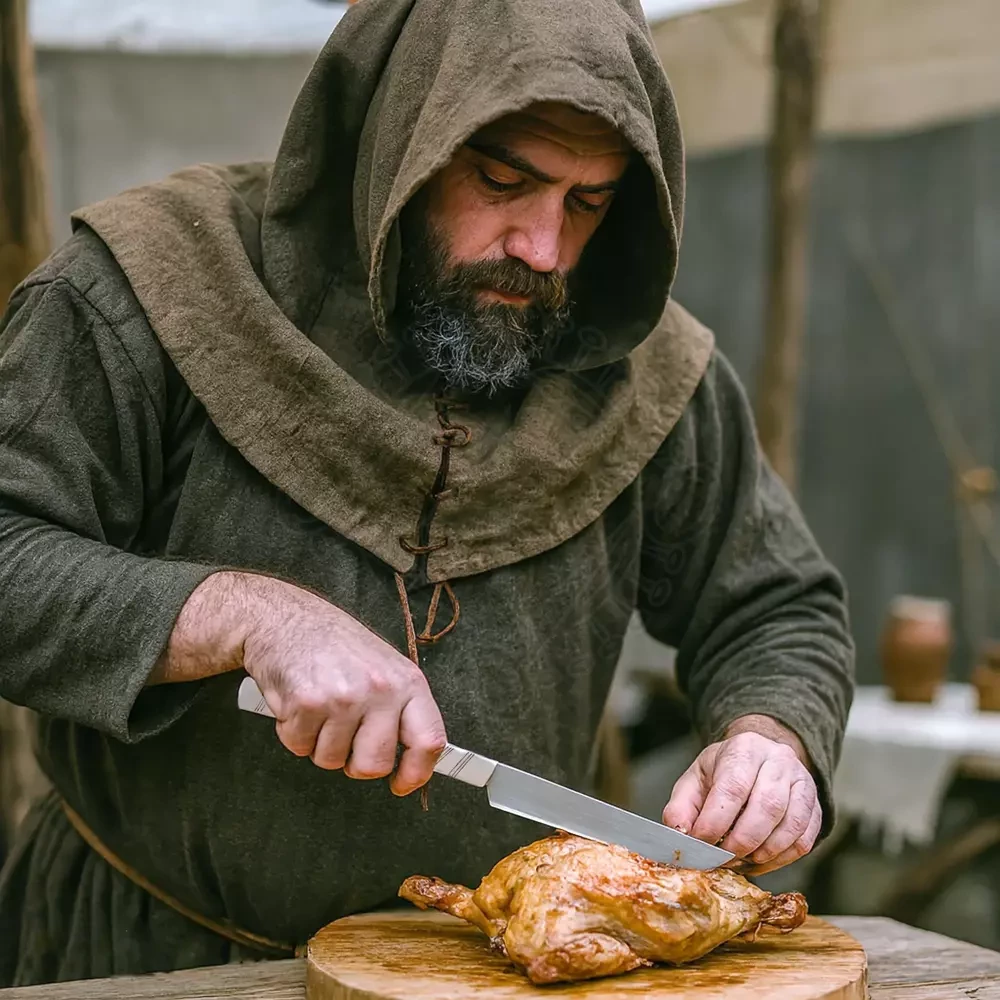
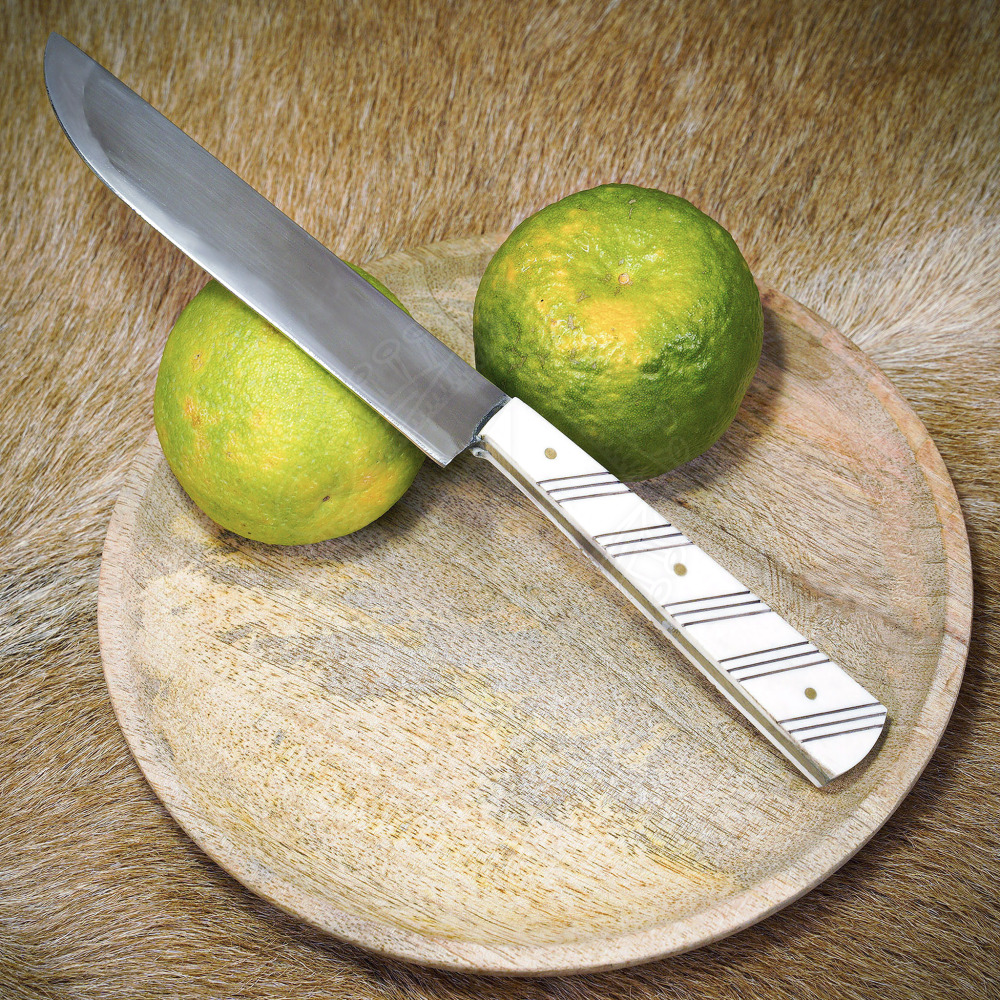
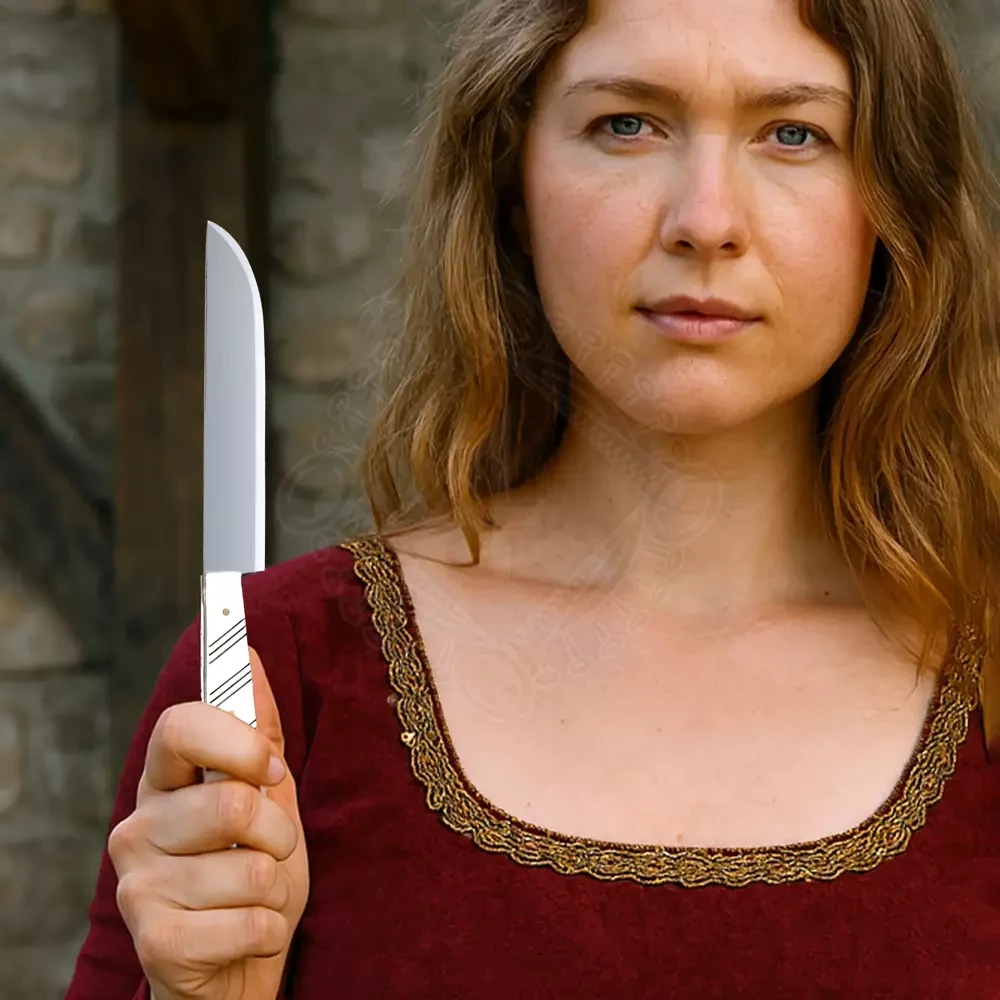
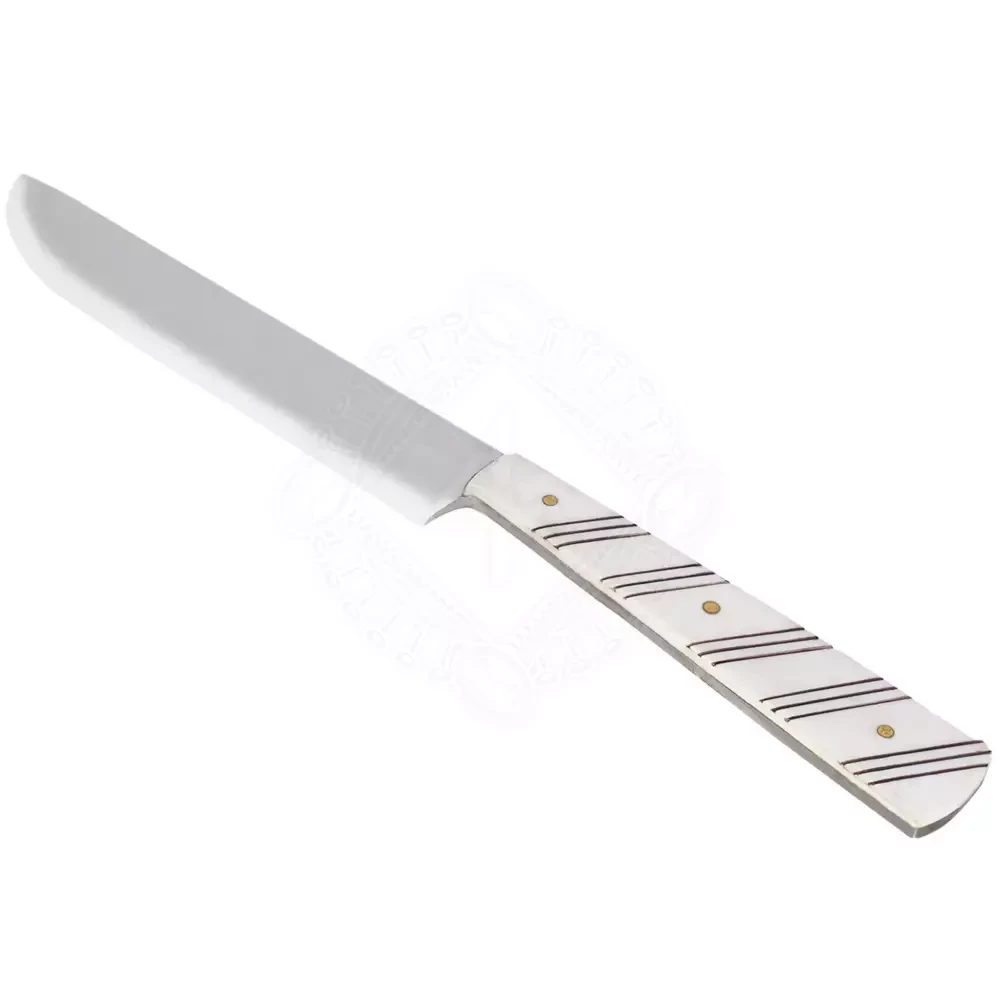

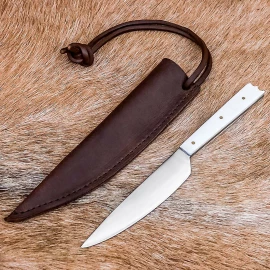
Are you preparing for a feast in the great hall, a camp setup, or just looking for a stylish accessory for your dining table? In the Middle Ages, the rule was simple: he who has a knife, eats. Inns and even lords' tables often did not provide cutlery, so everyone carried their own personal knife at their belt. This medieval dining knife combines an authentic historical look with the practicality of modern materials. Thanks to the stainless steel blade, you don't have to worry about rust after cutting acidic fruits, and maintenance is a breeze. The handle made of genuine bone gives the knife a touch of uniqueness and luxury that you will appreciate at LARP events, re-enactments, or even a BBQ in your garden. Further product information ...

 Delivery options
Medieval Dining Knife with Bone Handle | Stainless Steel
A Blend of Elegance and Utility
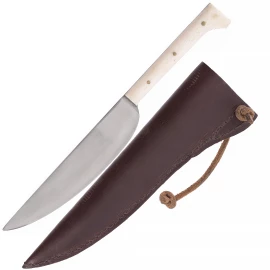
This knife features a full-tang construction, meaning the steel runs through the entire length of the handle, providing high strength and balance. The scales are made from genuine, ethically sourced ox bone, polished to a smooth finish. To ensure the knife doesn't slip in greasy hands while eating, the handle is decorated with engraved diagonal lines, which serve both an aesthetic and practical purpose. The scales are securely fastened to the steel with three brass rivets, creating a beautiful contrast against the white bone.
The blade has a shape typical for knives used from the 13th to the 15th century – it has a slightly rounded tip, which was common for dining knives (used for spearing food but not as aggressive as daggers). Due to the use of stainless steel, the blade has a high shine and is resistant to corrosion, a huge advantage over historical carbon steels that require constant oiling.
History of the Personal Knife
Historically, a personal knife was more than just a tool; it was a status symbol. While a peasant had a simple knife with a wooden handle, a burgher or nobleman prided himself on a decorated knife, often made of bone or horn. This knife's design fits perfectly for portraying wealthy townsfolk, merchants, craftsmen, or lower nobility. It was used for cutting meat, bread, cheese, as well as for small tasks around the camp.
Care for the Bone Handle
Although the blade is stainless, the handle is made of natural material and requires your care to prevent cracking and maintain its appearance:
- Washing: Hand wash the knife only in warm water with mild soap. Never put it in the dishwasher! Aggressive chemicals and high temperatures would ruin the bone.
- Drying: Dry the knife thoroughly immediately after washing. Do not let it soak in water.
- Maintenance: Occasionally treat the bone handle with food-safe oil (e.g., mineral oil for cutting boards) to prevent the bone from drying out and cracking.
Specifications
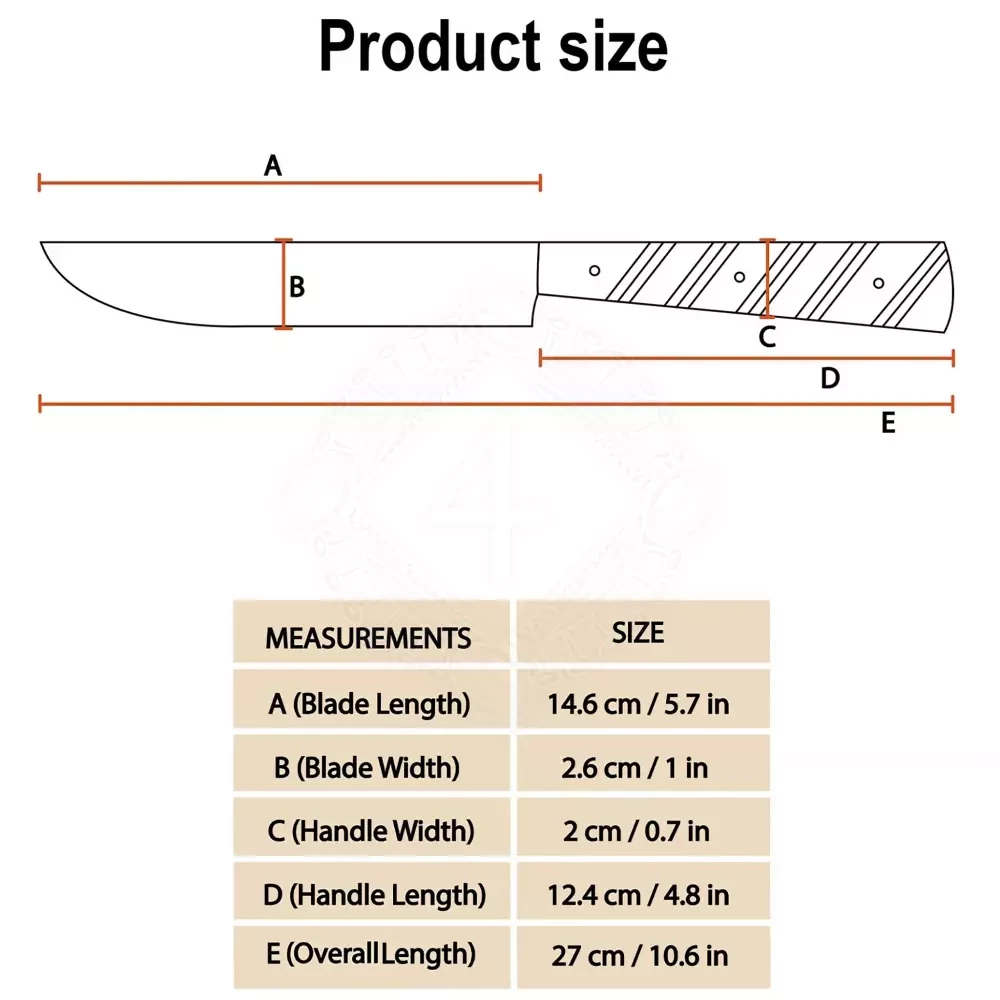
| Overall Length | approx. 10.6 in (27 cm) |
| Blade Length | approx. 5.7 in (14.6 cm) |
| Blade Width | approx. 1 in (2.6 cm) |
| Handle Length | approx. 4.8 in (12.4 cm) |
| Handle Width | approx. 0.7 in (2 cm) |
| Weight | approx. 7 oz (200 g) - varies due to natural material |
| Blade Material | Stainless Steel |
| Handle Material | Genuine Bone, Brass Rivets |
| Manufacturer | Lord Of Battles® |
We are here for you!






.3773623034.1696456237.png.webp)

.3773623034.1696456268.png.webp)
.3773623034.1696456247.png.webp)