 Čeština
 Deutsch


Hand-Forged Penannular Brooch, Viking Fibula, Twisted with Looped Terminals - Outlet
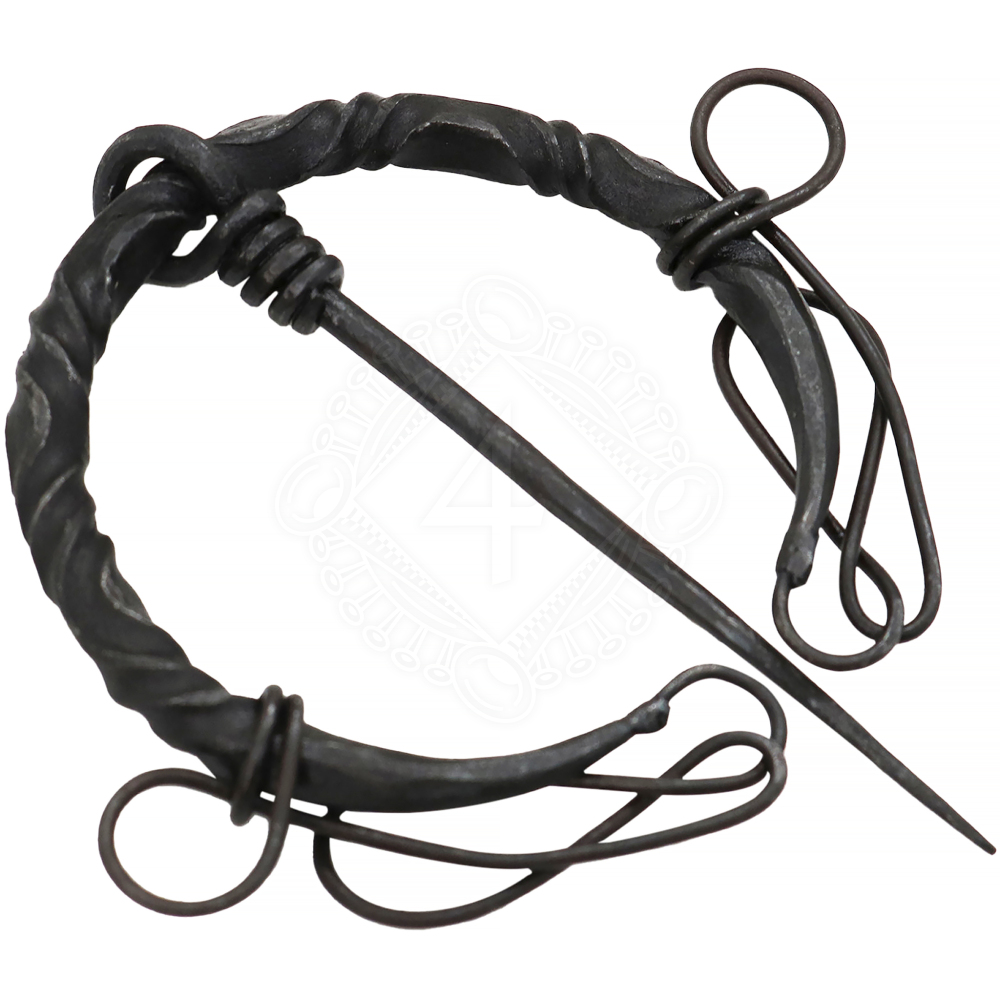
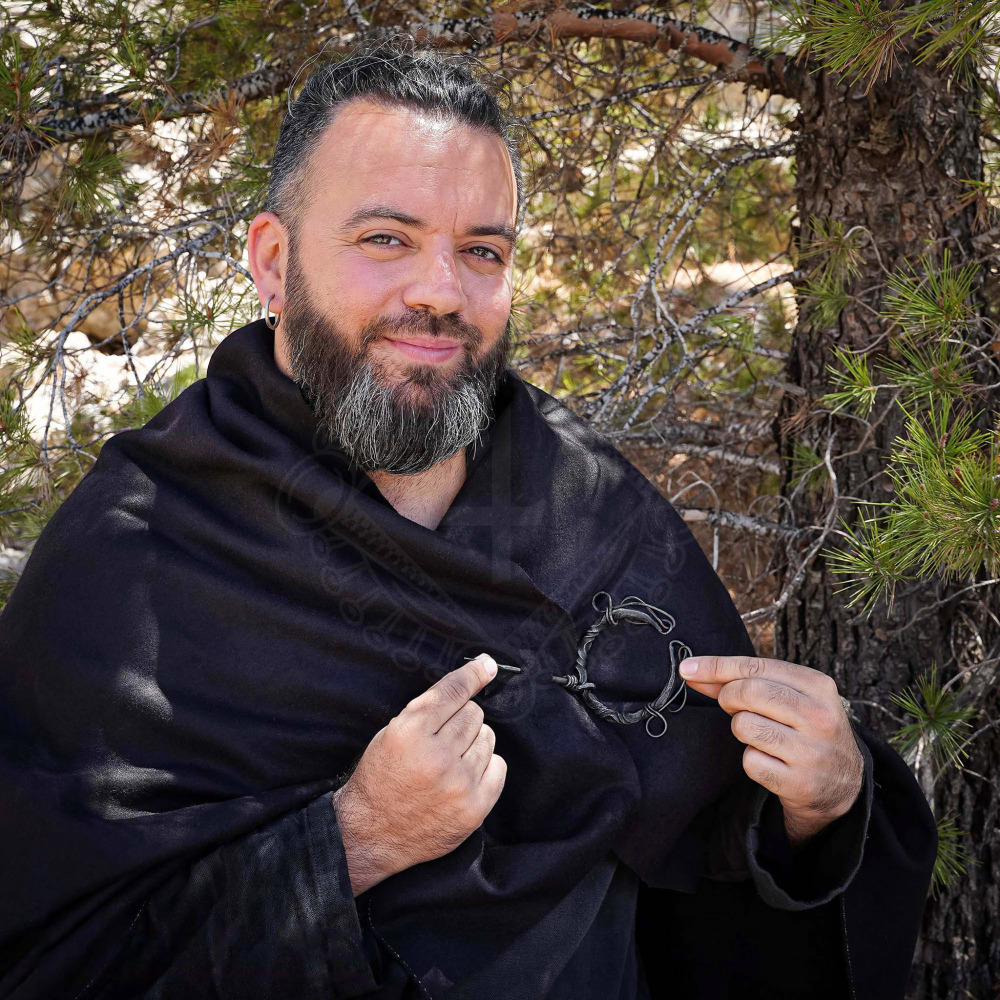
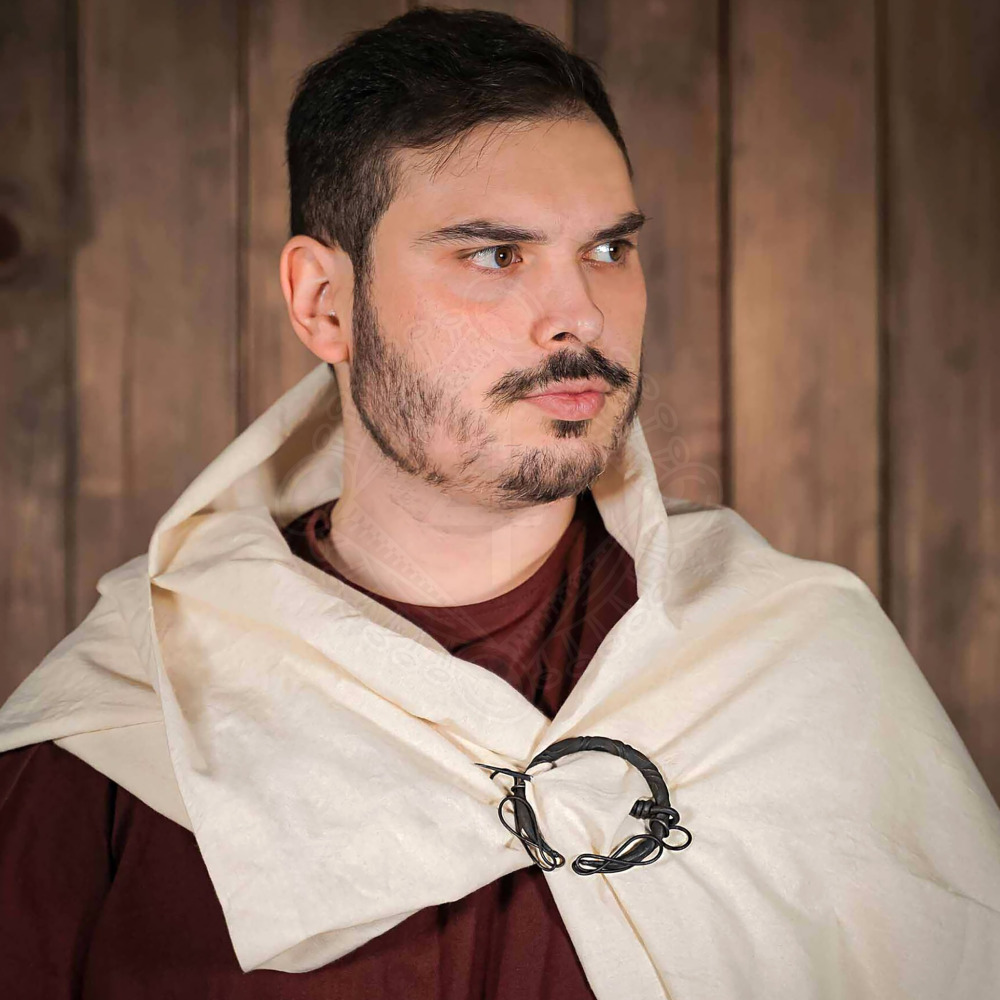

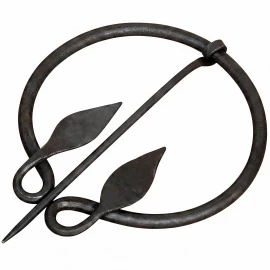
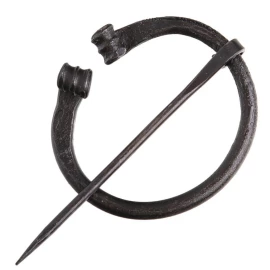
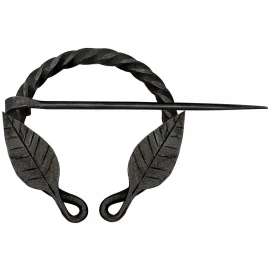
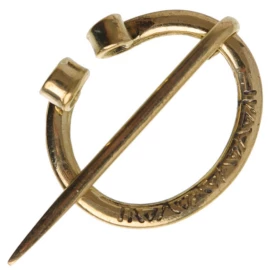
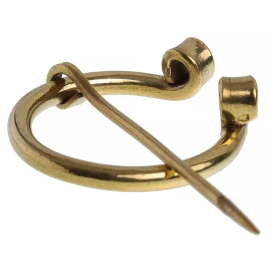
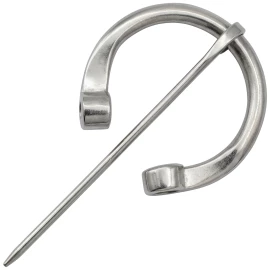
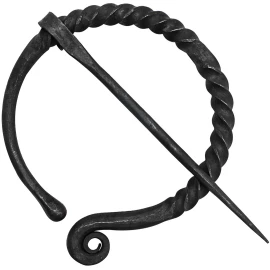
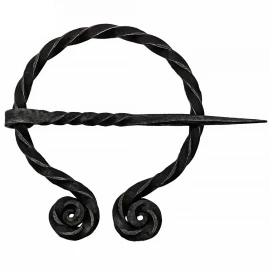
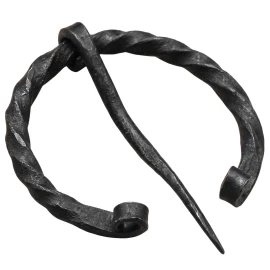
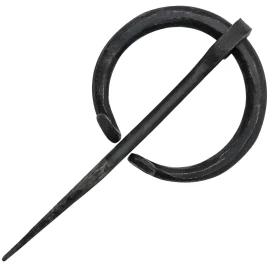
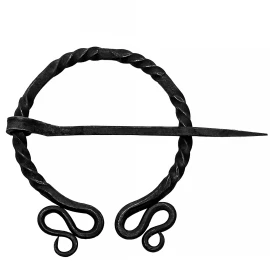
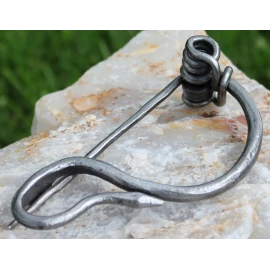
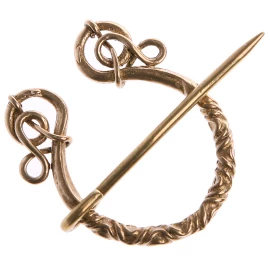
Complete your historical garment with a truly authentic and functional piece! This hand-forged penannular brooch, also known as a fibula, is an indispensable accessory for any enthusiast of the Viking era, Celtic culture, re-enactment, or LARP. Its robust design, inspired by 9th-century archaeological finds, is not just for show – it is designed to securely fasten even a heavy woollen cloak, plaid, or tunic. The body of the brooch is crafted from a single piece of iron, impressively twisted around its circumference, and finished with intricately looped terminals. The long, sharp pin ensures a firm hold in the fabric. This piece of forged jewellery will give your costume a stamp of originality and period accuracy. Further product information ...

Hand-Forged Penannular Brooch, Viking Fibula, Twisted with Looped Terminals
A Stylish and Functional Piece of Viking Age Jewellery
Each brooch is the result of honest craftsmanship, making it a unique original. The surface bears the marks of the forge and has a dark, rustic patina that enhances its historical feel. The twisted design of the ring is not merely decorative; it also adds strength to the brooch. The ornate looped ends, known as terminals, are a characteristic feature of Norse and Celtic craftsmanship and attest to the skill of ancient smiths. This Viking brooch is massive and sturdy, perfect for fastening coarse fabrics without risk of damage.
How to Use a Penannular Brooch Correctly
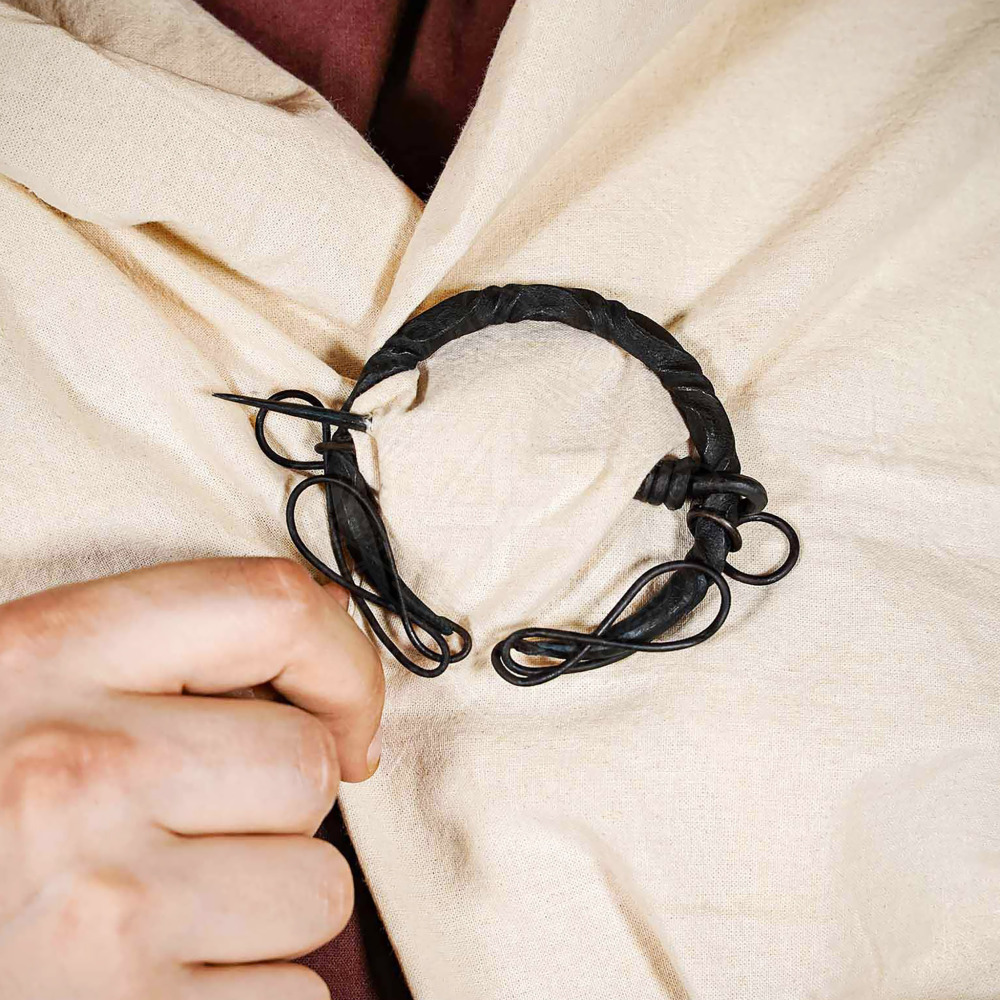
Using the brooch correctly is easy and gentle on your garment. Unlike modern pins, it does not tear the fabric's fibres. Follow these steps:
- Push the pin through the layers of fabric you wish to fasten. Guide the pin in from one side and out again a short distance away.
- Now, pass the tip of the pin through the gap in the brooch's ring.
- Rotate the ring approximately 90 degrees underneath the pin's tip.
- Done! The tension of the fabric will now hold the pin firmly against the ring, and the brooch is securely fastened.
The Brooch as Both Symbol and Necessity
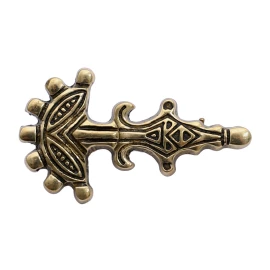
In the Early Middle Ages, before the widespread use of buttons, fibulae and brooches were a key part of clothing. They served not only the practical purpose of fastening cloaks and tunics but were also a significant indicator of the owner's wealth and social status. While common folk wore simple brooches of iron or bronze, the elite flaunted magnificent pieces of silver and gold, often decorated with precious stones and complex ornamentation. This type of twisted brooch with looped terminals was popular across Northern Europe and stands as evidence of the artistic connections between the Viking, Celtic, and Anglo-Saxon cultures.
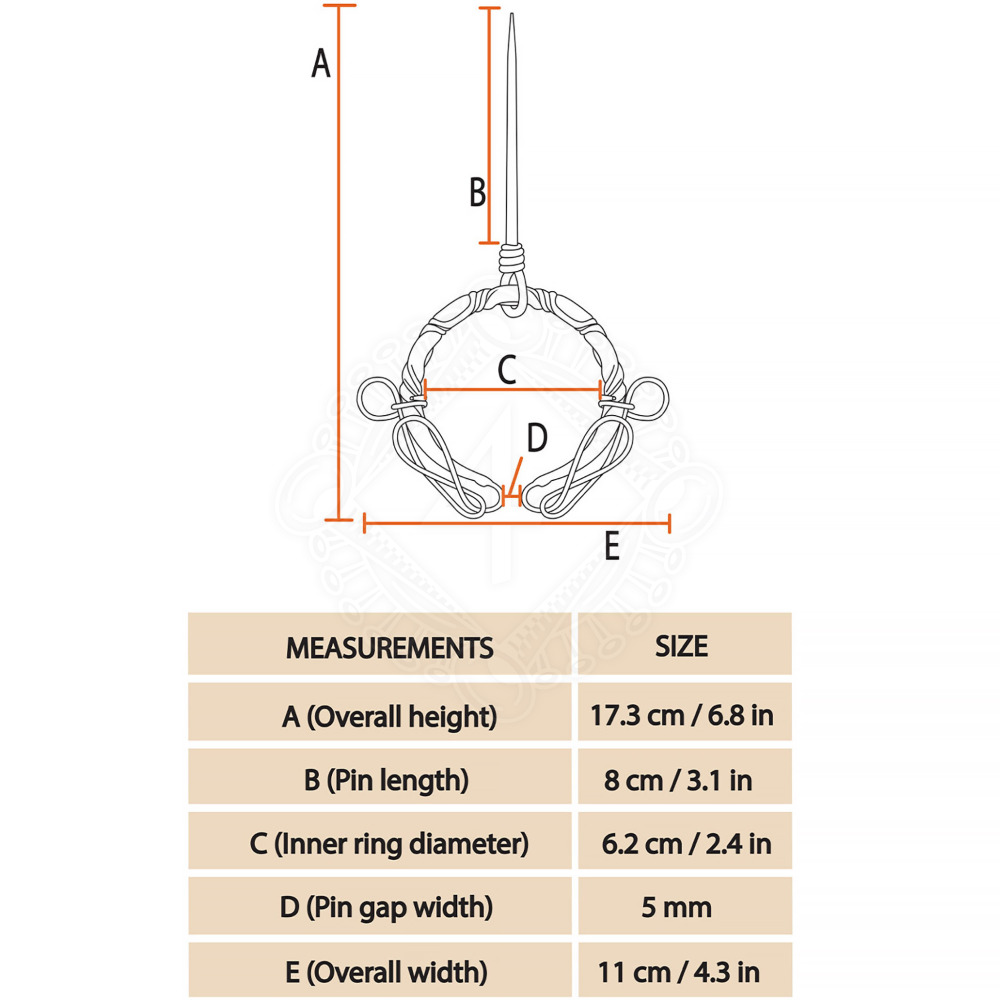
Dimensions and Specifications
| Overall Height (A) | 17.3 cm |
| Pin Length (B) | 8 cm |
| Inner Ring Diameter (C) | 6.2 cm |
| Pin Gap Width (D) | 5 mm |
| Overall Width (E) | 11 cm |
| Material | Hand-forged Iron |
Please note: Due to the manual nature of its creation, dimensions may vary slightly from piece to piece.
Caring for Your Forged Jewellery
As the brooch is made of iron, it is susceptible to rust. To keep it beautiful for many years, please follow these guidelines:
- Keep the brooch dry. After each use, especially in a damp environment, wipe it with a dry cloth.
- Occasionally, apply a light coat of oil (e.g., mineral oil, gun oil, or even natural cooking oil) to preserve the surface.
- Never wash the brooch with soap and water, and protect it from harsh chemicals.
We are here for you!