 Čeština
 Deutsch


More Than Just Decoration: The Hidden Secrets Behind Viking Symbols
 Other information
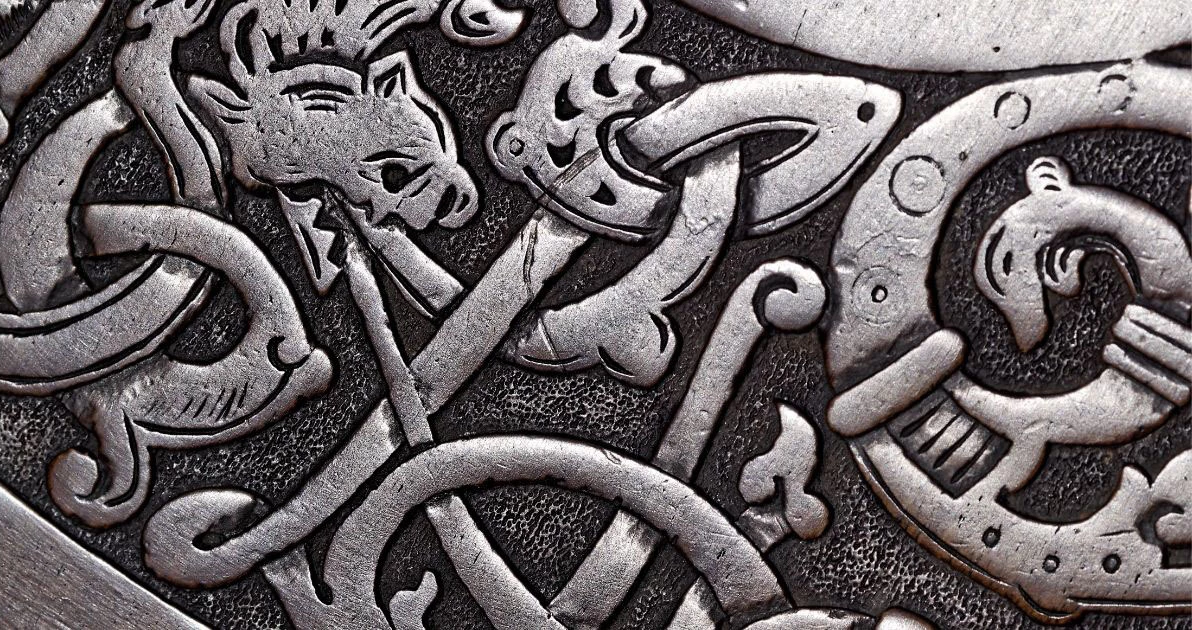
Looking for more than just a cool pendant or an engraving on your new axe? Viking symbols go way beyond aesthetics. For those who know how to read them, they open a door into one of the most fascinating cultures in history. Come with us beneath the surface of the myths and discover what these ancient Viking runes really meant.
Contents
A Legacy of the Ancient World: Viking Symbols and Their Meaning
Recent research has made one thing clear: Vikings were far more than bloodthirsty barbarians. They built an incredibly rich culture – one where symbols and their interpretation played a central role.
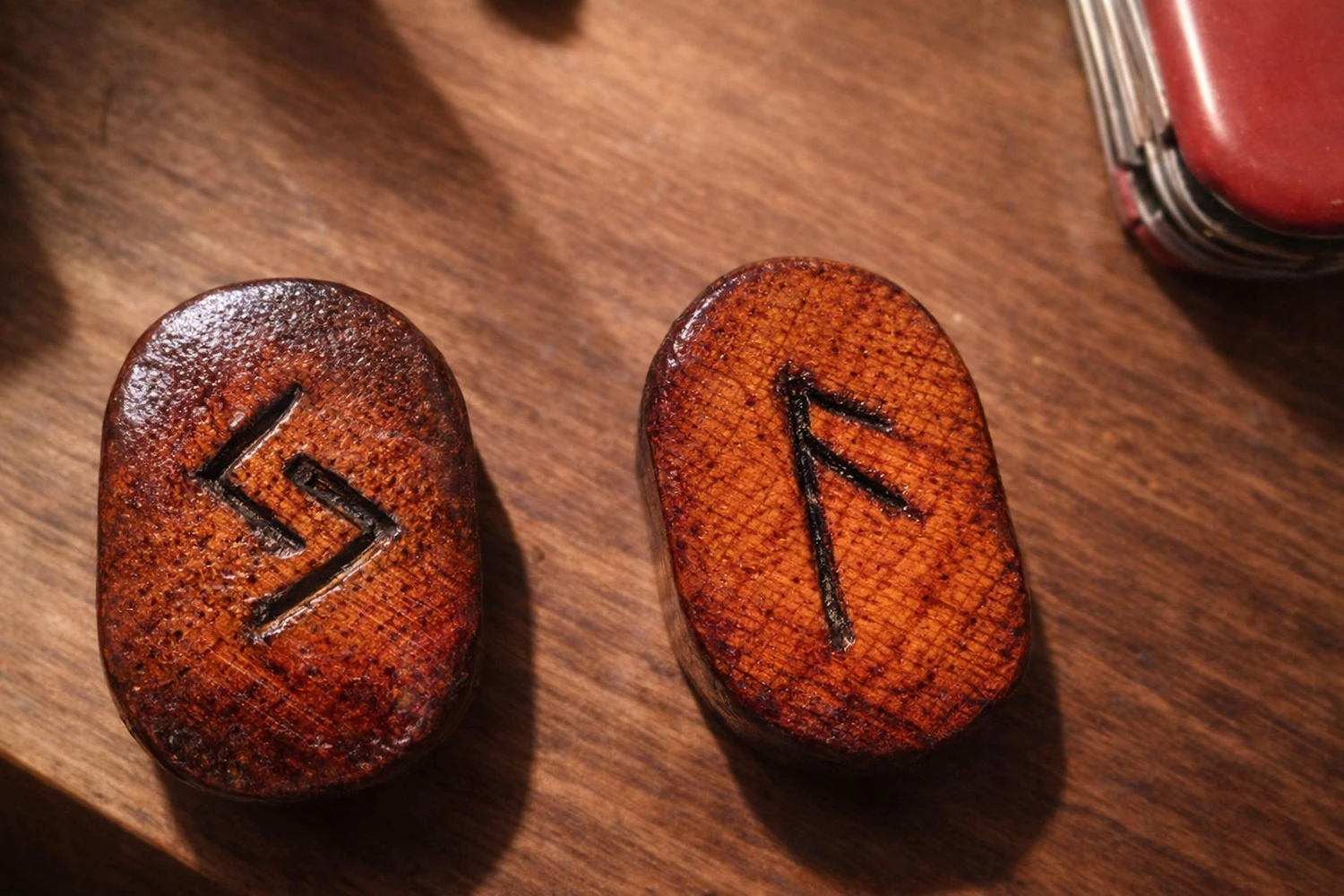
Symbols and runes held enormous importance for the Vikings. They believed certain symbols could bring the wearer good fortune ( hamingja) or shield them from the cruelty of fate ( urðr).
While the true meaning of many Viking symbols is hard to pin down today, interest in them has surged in recent years. They appear in the popular TV series Vikings, in tattoo parlours around the world, and on authentic replicas of historical weapons.
If Viking symbols intrigue you – whether as ink on your skin or as a mysterious pendant around your neck – you need to know their stories. Understanding them is the key to grasping the mindset of the ancient tribes from the North who, at the height of their power, conquered and reshaped large parts of Europe.
1. Valknut
Three interlocking triangles (known as the Valknut) are a symbol that scholars link directly to Odin, the mightiest god of the Norse pantheon.
According to Norse legend, Odin sacrificed himself, and in return, he was granted the power to understand the runes. He later shared this knowledge with elves, giants, dwarves, and humankind.
DID YOU KNOW... the Gotland image stone known as Stora Hammars I depicts warrior and mythological scenes crucial for understanding Viking culture from the 8th to 11th centuries? The Valknut appears right alongside scenes of warrior sacrifice.
The meaning of the Valknut: the name is actually a modern compound word, combining valr (fallen warriors) and knut (knot). Many scholars believe it may represent “Hrungnir’s heart” from the Edda, described as made of hard stone with three sharp corners.
The Valknut is a badge for those who see life as preparation for one final battle. Today, it stands for the courage to face challenges head-on and respect for ancestors who were willing to pay the ultimate price for what they believed in.
2. Mjölnir (Thor’s Hammer)
Where the Valknut is associated with elite warriors and death, Mjölnir is the people’s symbol.
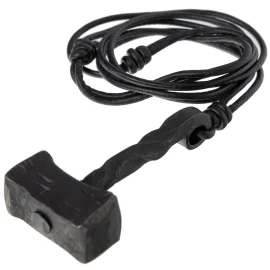
Thor, god of thunder and the strongest of the Æsir, was the sworn enemy of the giants ( jötnar) – beings that embodied the raw forces of chaos. But his hammer wasn’t just a devastating weapon. It was also used to bless weddings and newborn children.
DID YOU KNOW... an amulet found in Købelev, Denmark bears a runic inscription reading "Hmar is x" (This is a hammer)? This find confirmed what historians had long suspected – these pendants really do represent Thor’s weapon.
The meaning of Mjölnir: as Christianity swept across Europe, Mjölnir became a symbol of resistance. While Christians wore the cross, Norse pagans hung a hammer around their necks to declare loyalty to their old gods.
Even today, Mjölnir stands for resilience, endurance, and strength. Wear it as jewellery or a tattoo, and it carries a promise of protection against whatever chaos the modern world throws at you.
3. Aegishjalmur and Vegvísir
These two symbols commonly linked to Viking culture get mixed up constantly in modern pop culture, but they mean very different things.
Aegishjalmur (The Helm of Awe)
The name comes from Old Norse ægis (terror) and translates to “Helm of Awe.” In the Edda, this helm belonged to the dragon Fafnir, and it made him unbeatable.
It’s a symbol of raw power, meant to give its wearer the strength to crush obstacles and conquer impossible challenges. The following video digs deeper into the history of Aegishjalmur:
Vegvísir (The Runic Compass)
If you’re a fan of HEMA or historical TV shows, you’ve probably seen this one. The name literally means “Wayfinder”. According to modern interpretation, it’s an ancient Norse runic compass that guided Vikings safely through unknown seas.
The reality? The Vegvísir doesn’t actually appear until modern Icelandic grimoires, such as the Huld Manuscript from the 19th century.
Its current interpretation only really took hold in pop culture over the last thirty years or so. Today, it’s seen as a symbol that points you toward the right path in life.
Animal Symbolism: Huginn, Muninn, and the Shadow of Wolves
Vikings believed the human soul had an animal twin: a fylgja. That’s why animal motifs show up all over Viking artefacts. Here are the ones that mattered most:
The Ravens (Huginn and Muninn)
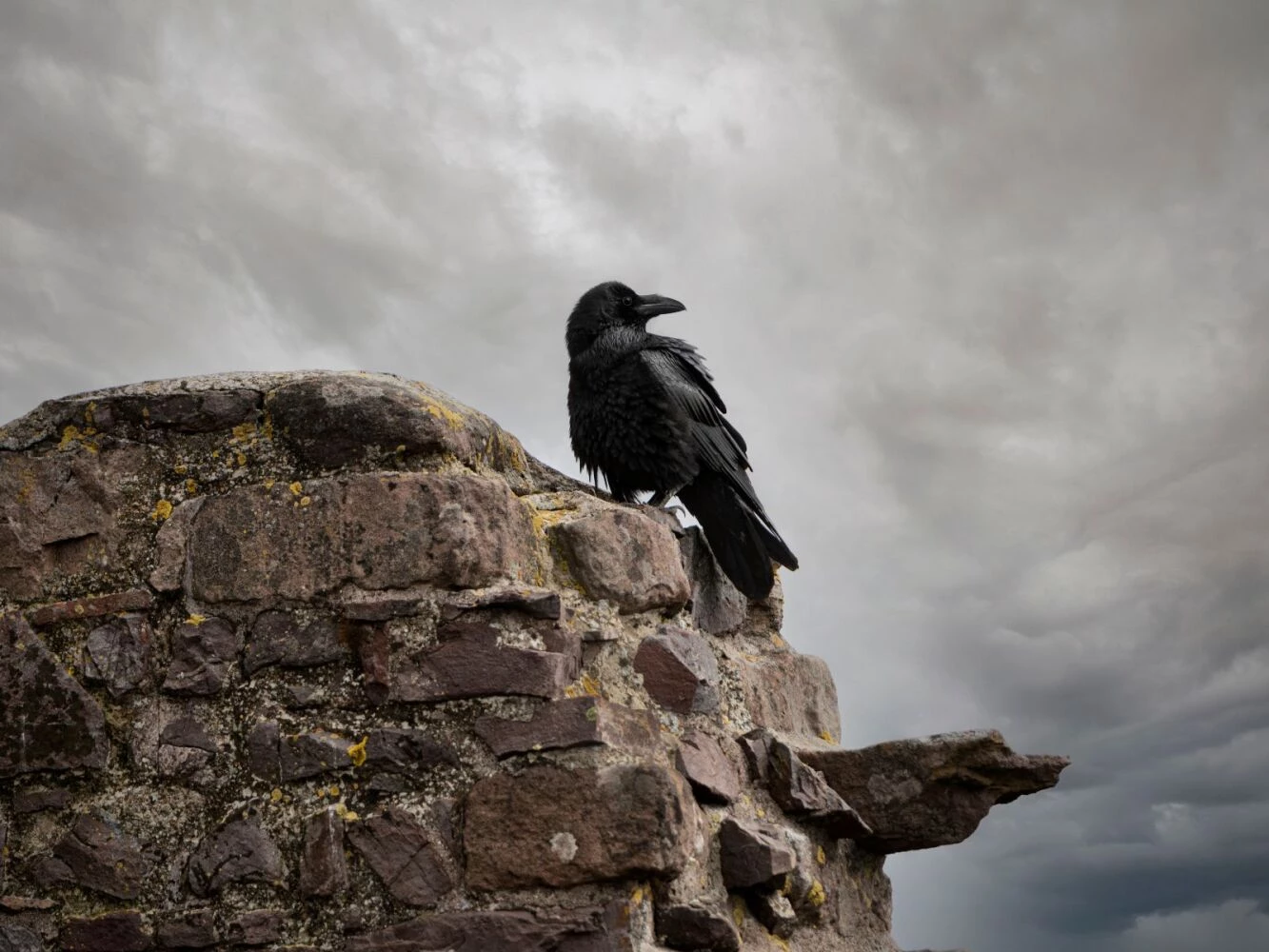
Odin’s faithful feathered companions who followed him everywhere. Their names translate to Thought and Memory. Every day, they flew out across the cosmos and brought back news from every corner of the universe.
They’re living proof that without wisdom and knowledge, even the greatest strength is useless. Vikings considered the raven a sacred bird, and seeing one on the battlefield meant Odin was accepting sacrifices of the fallen.
Today, the raven symbolises balance, inner wisdom, and the drive to achieve something truly great.
The Wolves (Geri, Freki, and Fenrir)
In Viking culture, the wolf embodied untamed power. It could be loyal and useful (like Odin’s wolves, Geri and Freki), or cataclysmically destructive, like Fenrir, who swallows the world at Ragnarök.
Viking symbolism treats the wolf as a reminder: every person carries a beast inside them. If you don’t learn to tame it, it will tame you.
The Legacy of the North in the Modern World
Viking symbols still speak to us a thousand years later, even if we can’t always decode their original meaning. They carry the spirit of an age when personal honour and pride were worth more than a pile of gold.
Looking for a symbol that tells the world you’re ready to face whatever comes your way?
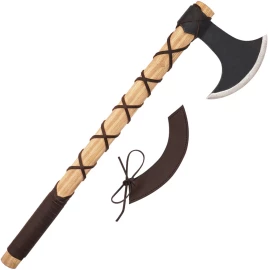
Browse our shop and discover ornate Viking belts, stylish Viking costumes, and finely crafted Viking axe replicas. Make yourself part of a story that began hundreds of years ago, and now continues through you.
 Share
Share
 Share
Share
 Tweet
Tweet
Comments