
 Čeština
 Deutsch


Historical Brass Compass with Leather Belt Pouch
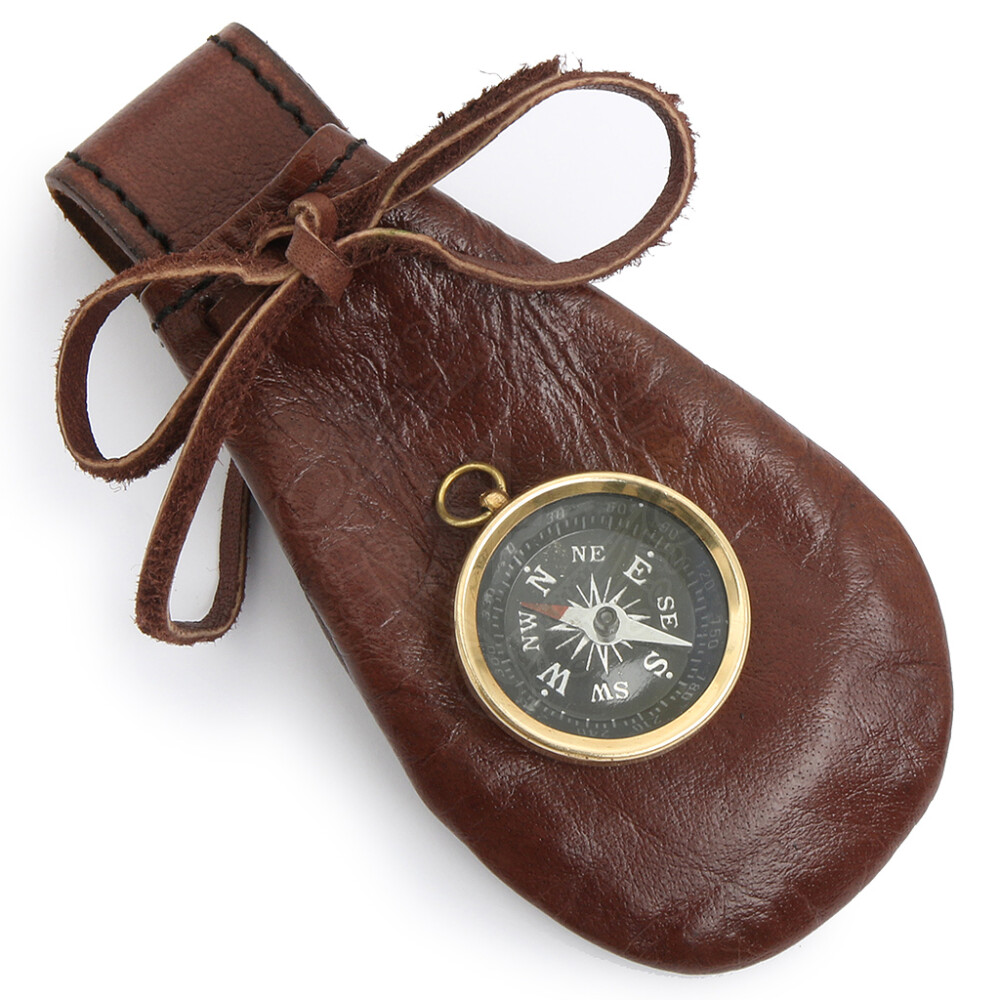
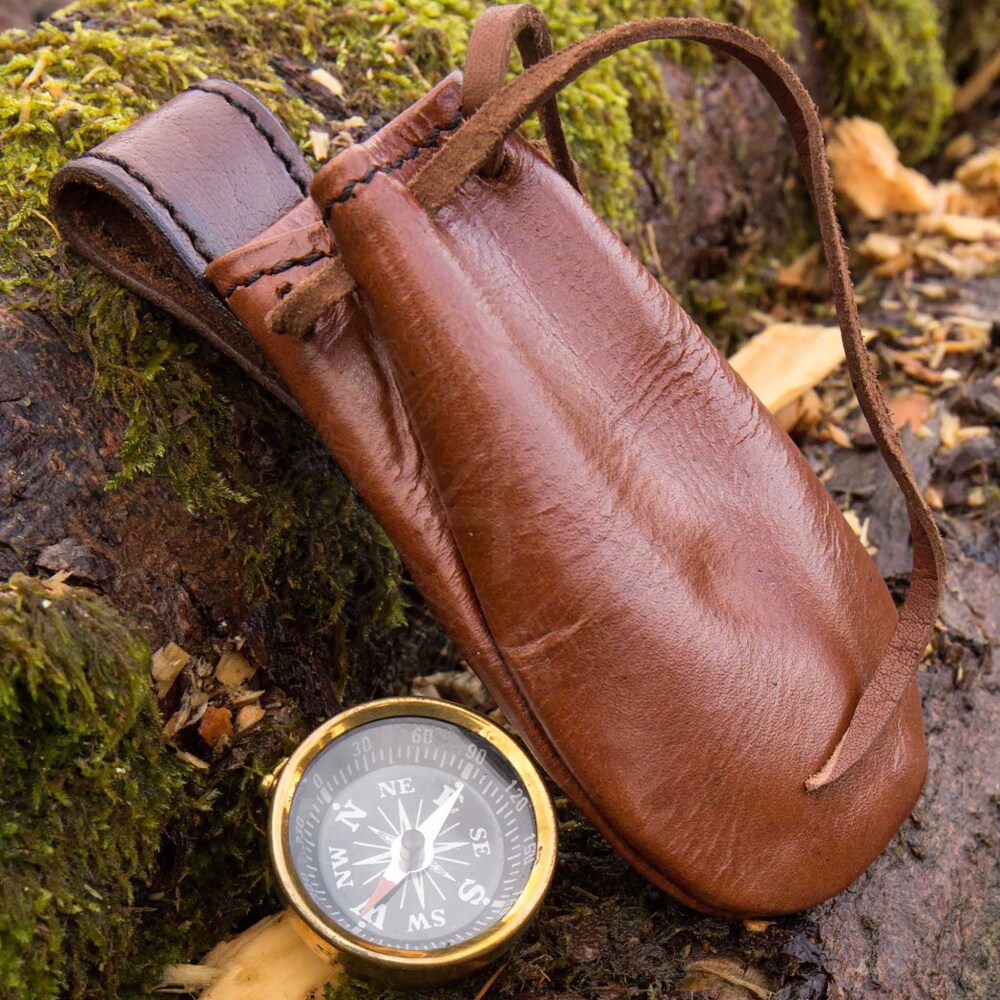
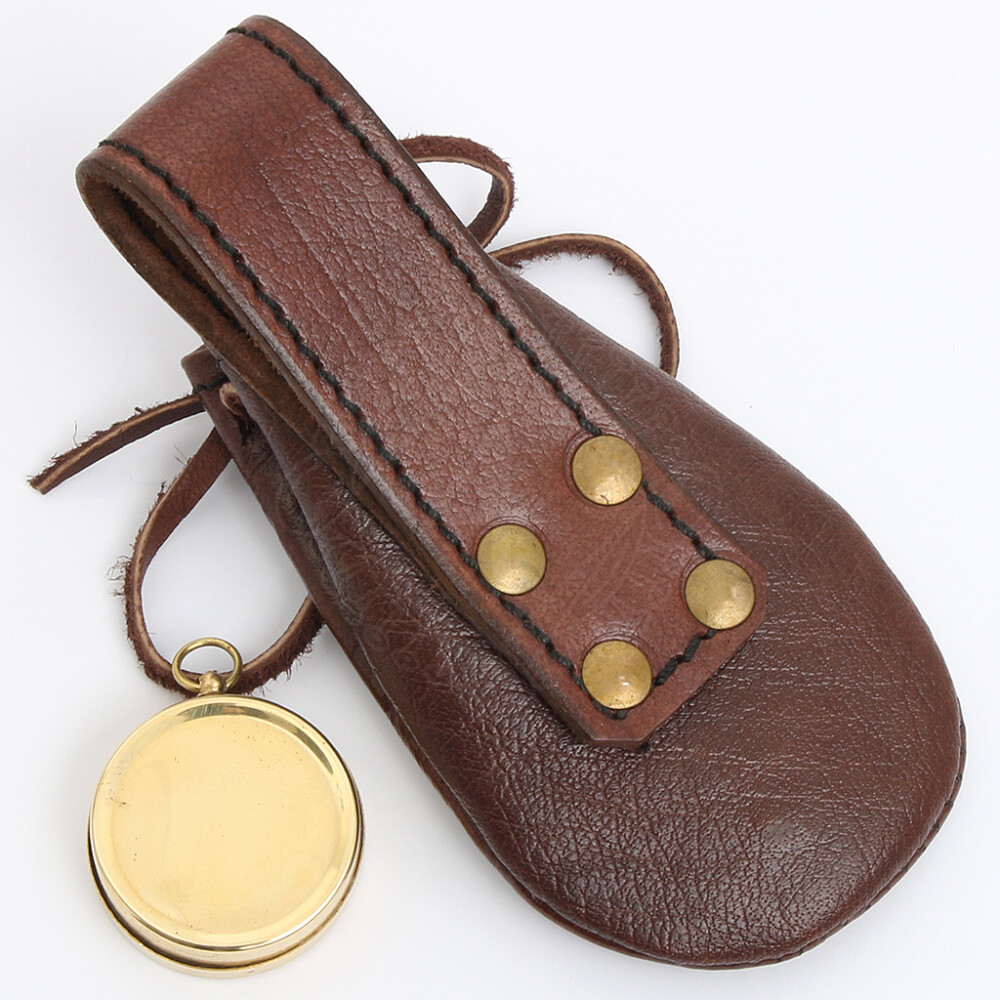
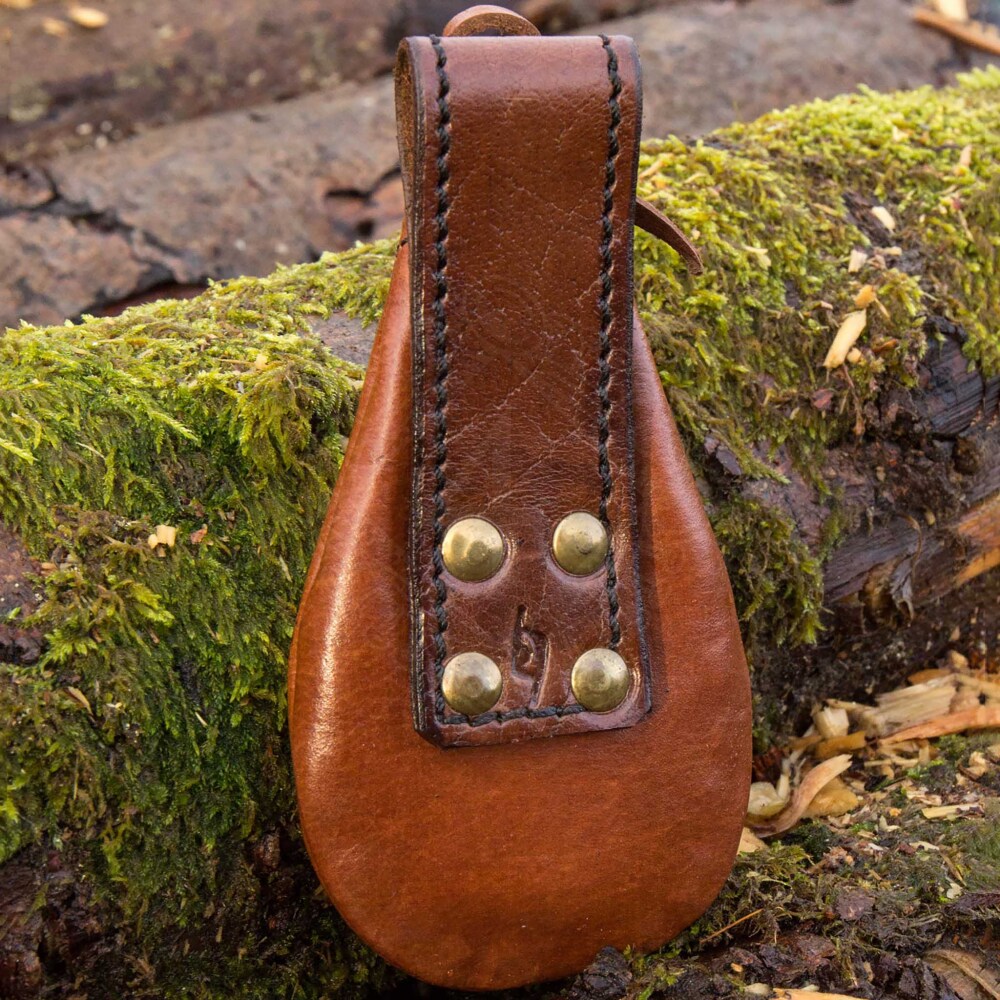
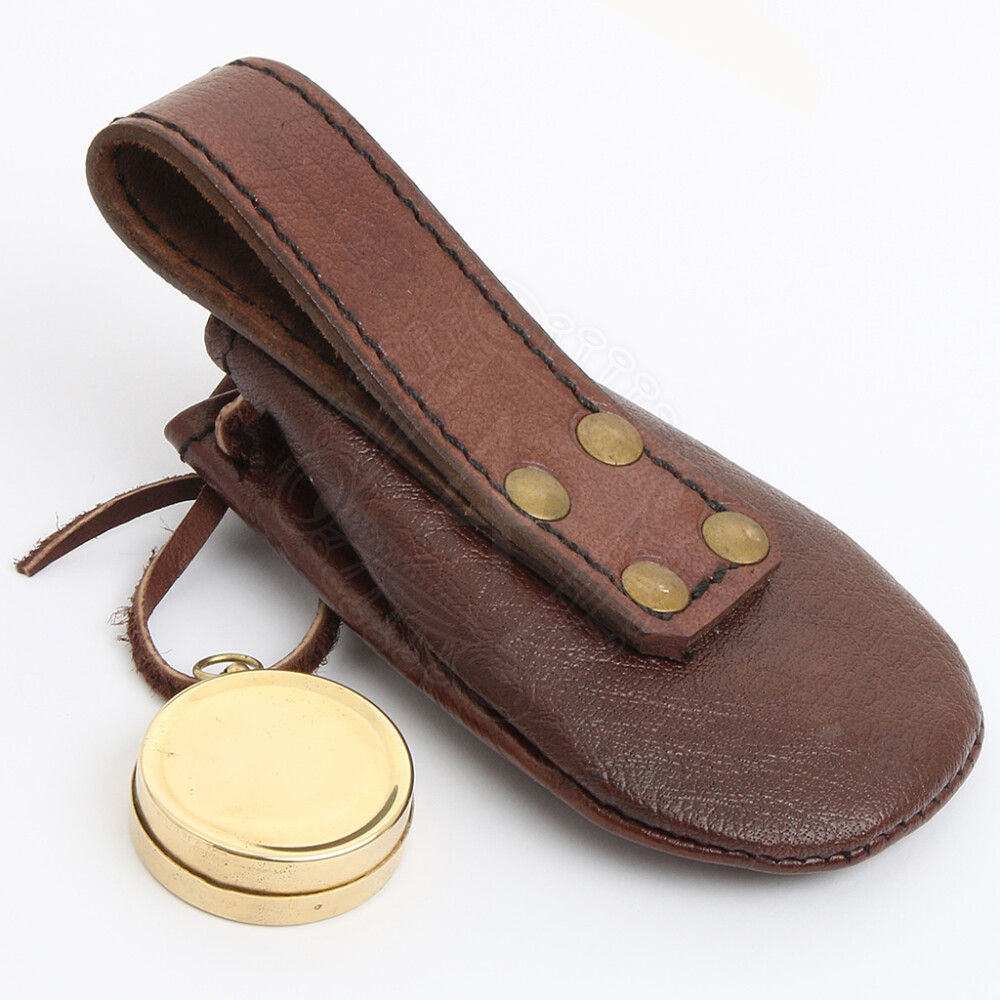
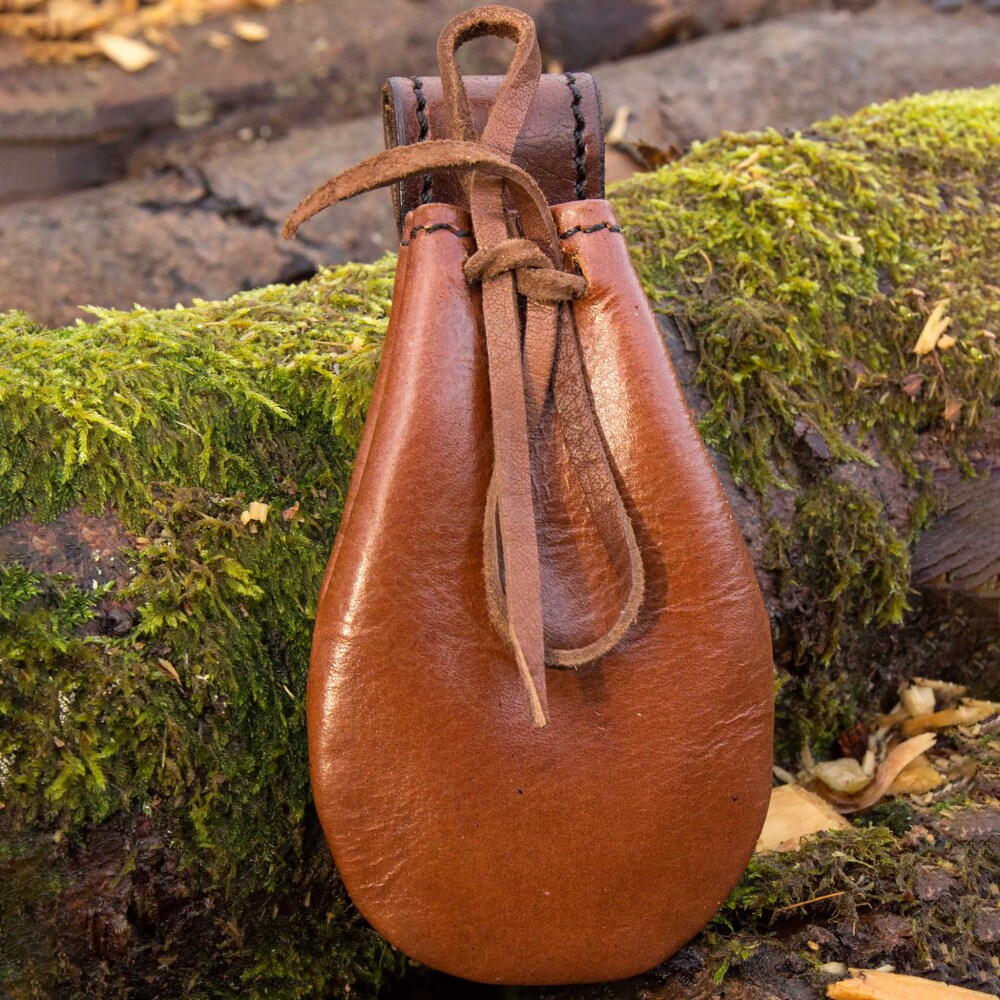
Never lose your way on your grand adventures! This fully functional brass compass, featuring a classic vintage design, is an indispensable companion for any traveller, whether in a fantasy realm or the great outdoors. It is housed in an elegant and durable pouch made from genuine, vegetable-tanned leather, which protects it from damage. Thanks to a sturdy loop on the back, you can easily attach the pouch to your belt, keeping your compass within easy reach at all times. This is the perfect prop for LARP, reenactment, theatre, film, or as a stylish accessory for your costume. Further product information ...

Would you like to be notified as soon as the item is in stock?
You will receive a short e-mail as soon as we have it back in stock.
Historical Brass Compass with Leather Belt Pouch
The Perfect Accessory for Every Adventurer
Whether you portray a seasoned sea dog, a cunning pirate, a wise explorer, or a humble wanderer, this compass adds a touch of authenticity to your gear. The leather pouch is secured with a simple leather drawstring, ensuring your compass stays safely in place. The rear loop is fixed with four sturdy rivets and fits belts up to 5.5 cm (approx. 2.2 inches) wide. The compass itself has a small brass eyelet, allowing you to remove it from the pouch and wear it on a cord around your neck if needed.
A Brief History of the Compass
The compass is one of the most important inventions in human history. Its earliest forms appeared in ancient China during the Han Dynasty (around the 2nd century BC), where it was initially used for divination and harmonizing environments (Feng Shui). It was not until the 11th century that it began to be systematically used for navigation. The compass likely reached Europe via Arab merchants around the 12th-13th centuries and fundamentally changed seafaring. It allowed sailors to leave coastal navigation behind and venture onto the open sea, ushering in the Age of Discovery.
Interesting Fact
Have you ever noticed that North on many historical and modern compasses is marked with a fleur-de-lis? This tradition is attributed to the Italian navigator Flavio Gioja of Amalfi, who is said to have perfected the compass around 1302. To honour Charles of Anjou, the French King of Naples whose coat of arms featured the fleur-de-lis, he began marking North with this symbol.
Care and Maintenance
To ensure this beautiful set serves you for as long as possible, give it a little care.
- Leather Pouch: It is made from vegetable-tanned leather. You can treat it occasionally with a leather balm or wax to maintain its suppleness and resistance to moisture. If it gets wet, allow it to air dry at room temperature.
- Brass Compass: Brass naturally develops a patina over time, which adds to its historical character. If you prefer a shiny finish, you can easily polish it with a soft cloth and a suitable brass cleaner.
Please Note: This item is primarily a stylish prop. Although the compass is functional, for critical, life-or-death navigation, you should always rely on modern, certified equipment. Do not expose the compass to strong magnetic fields (e.g., near speakers or magnets), as this could permanently damage the needle's magnetization. Protect it from drops and heavy impacts.
Technical Specifications
- Material: Vegetable-tanned cowhide leather, Brass
- Pouch Height: approx. 11 cm (4.3 inches)
- Pouch Width: approx. 7 cm (2.8 inches)
- Fits Belts up to: approx. 5.5 cm (2.2 inches) wide
- Compass Diameter: approx. 3.6 cm (1.4 inches)
- Compass Thickness: approx. 1.1 cm (0.4 inches)
- Compass Weight: approx. 14 g (0.5 oz)
- Total Weight: approx. 46 g (1.6 oz)
We are here for you!




.3773623034.1696456237.png.webp)

.3773623034.1696456268.png.webp)
.3773623034.1696456247.png.webp)