
 Čeština
 Deutsch


Hand-forged Medieval War Scythe - Outlet
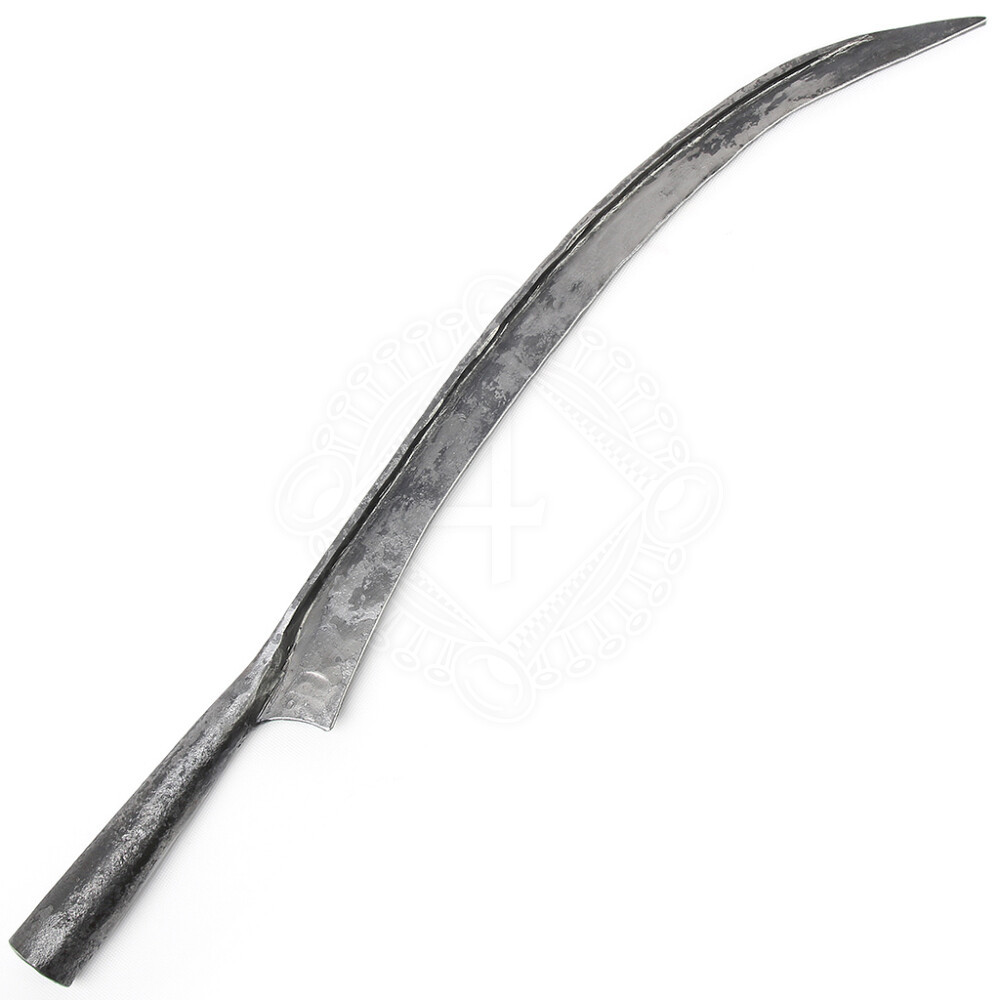
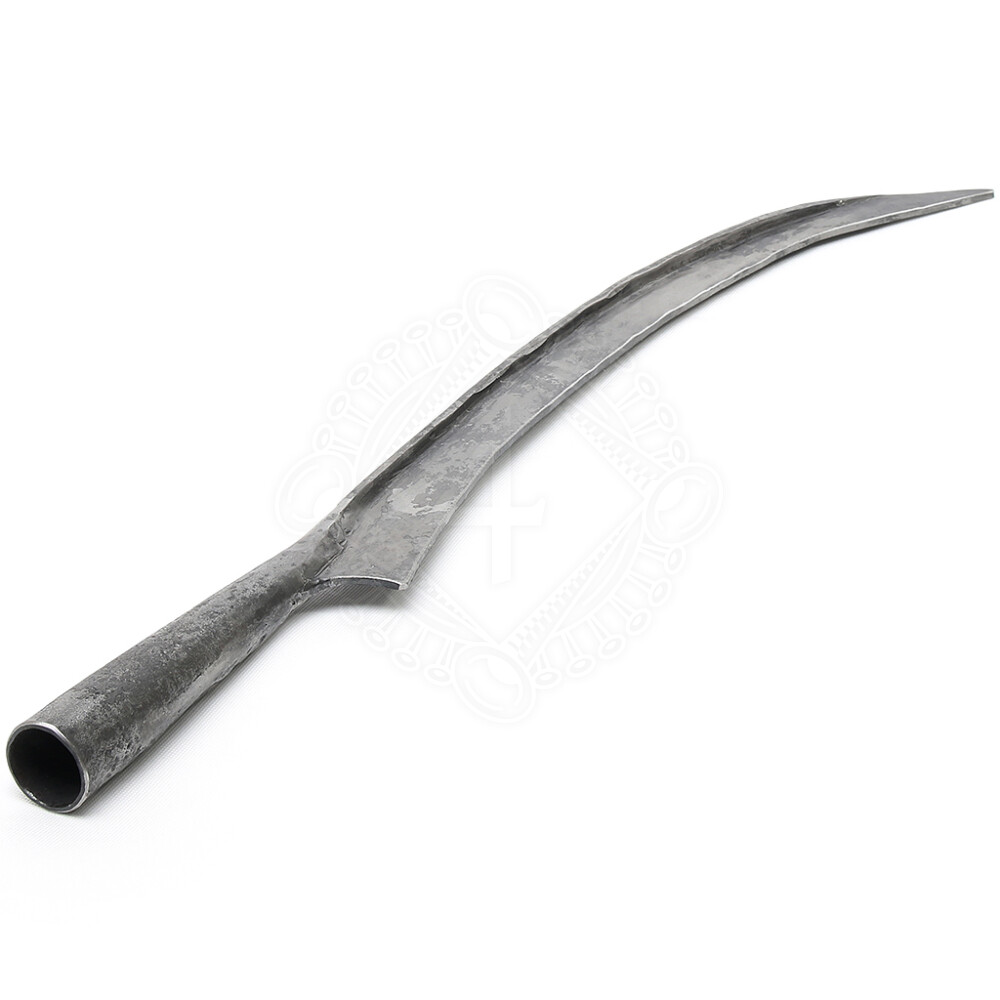
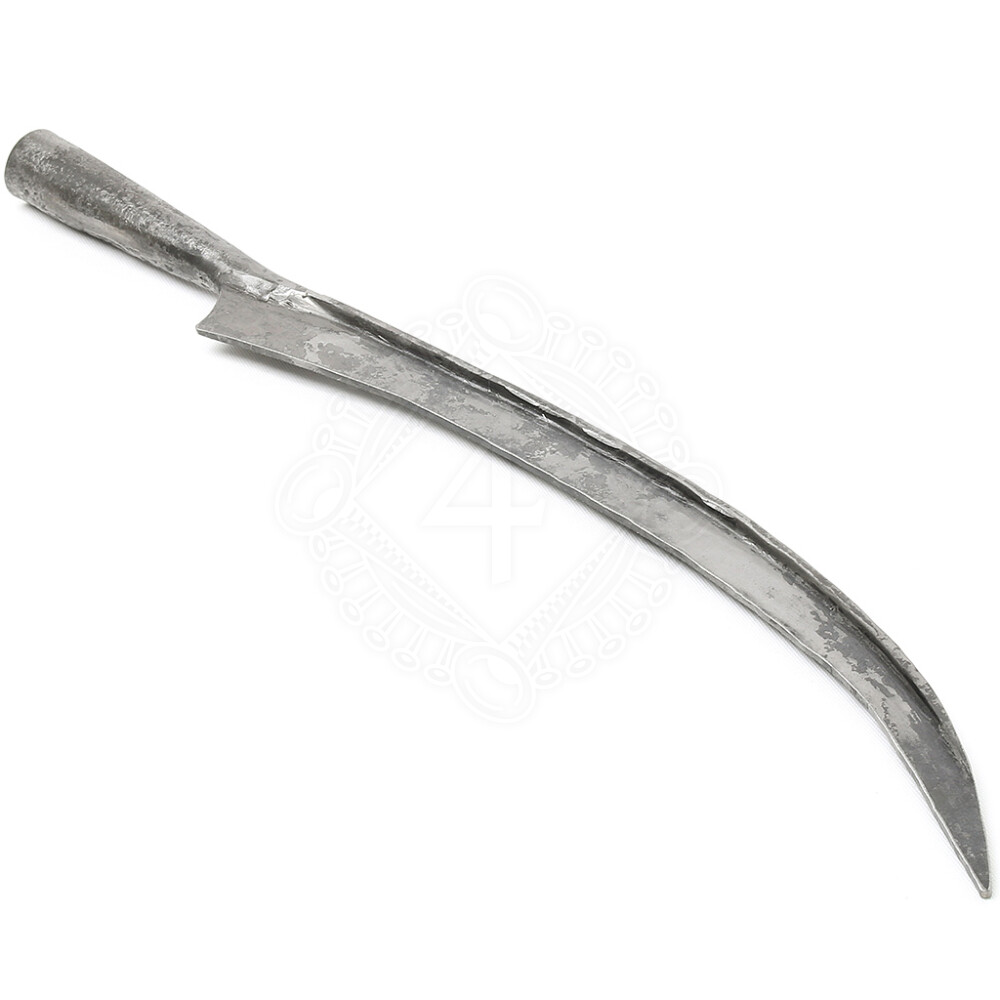
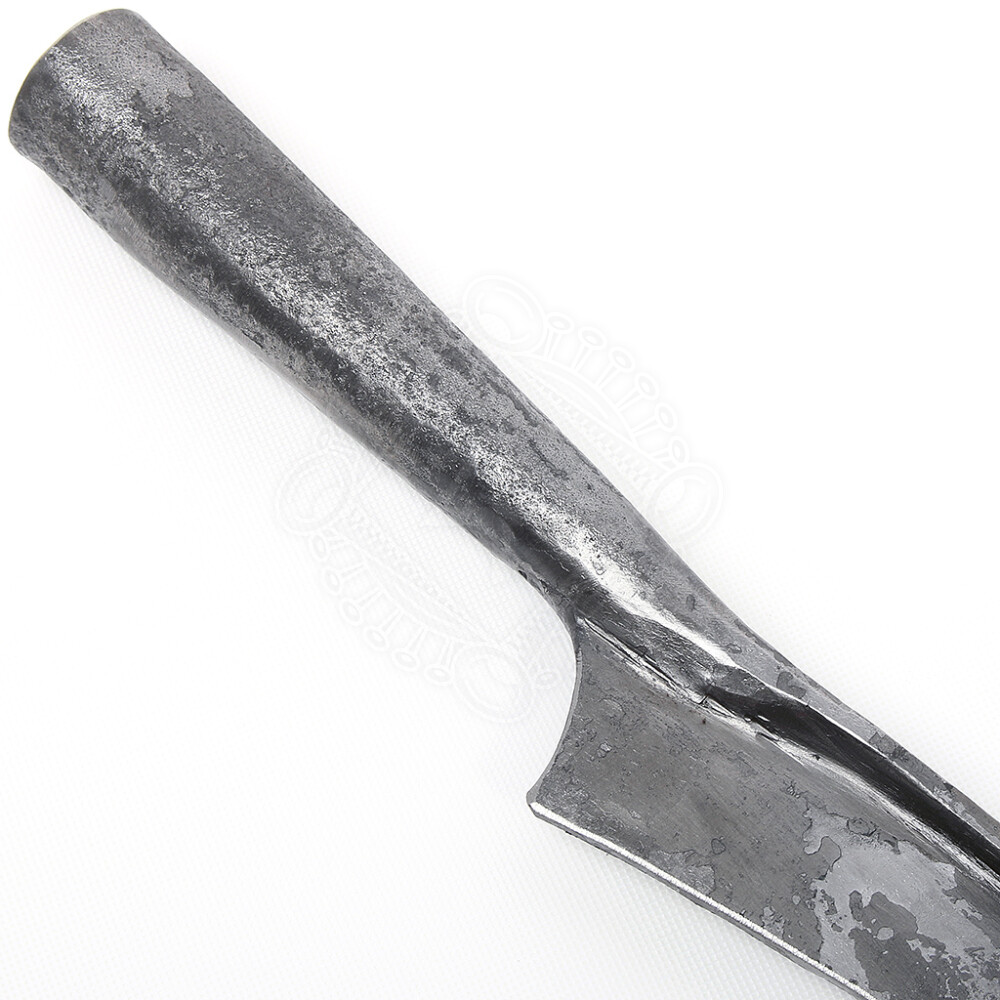


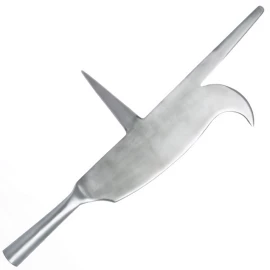
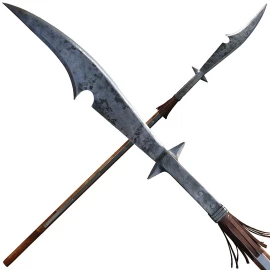
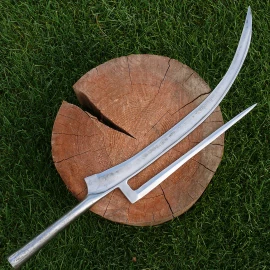
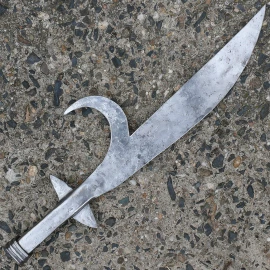
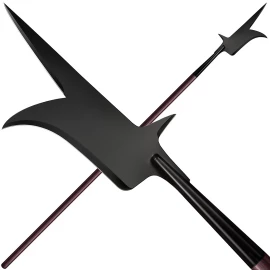
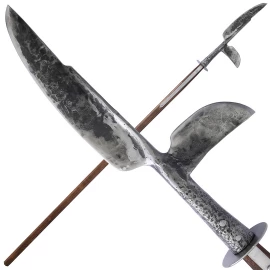
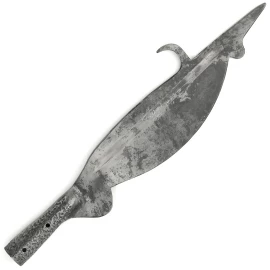
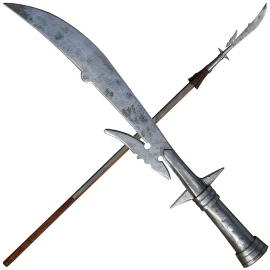
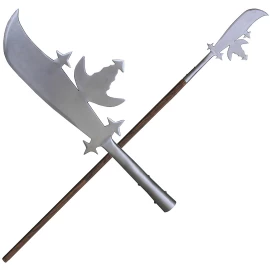
Are you looking for a reliable and authentic polearm for your re-enactment battles, LARP, or HEMA training? We present to you this hand-forged war scythe, faithfully replicating weapons used from the 12th to the 19th century. This fearsome tool, born from a humble agricultural implement, struck terror on many European battlefields, from the Hussite Wars to various peasant uprisings. Its robust blade, smoothly transitioning into a solid socket, is designed to withstand the toughest combat conditions. Whether you are an experienced fencer or a passionate collector, this weapon will enrich your armory with a piece of raw European history. Choose your preferred version and rule the battlefield! Further product information ...

 Delivery options
The following variants are currently available:
Hand-forged Medieval War Scythe with Optional Wooden Shaft
History and Origin of the War Scythe
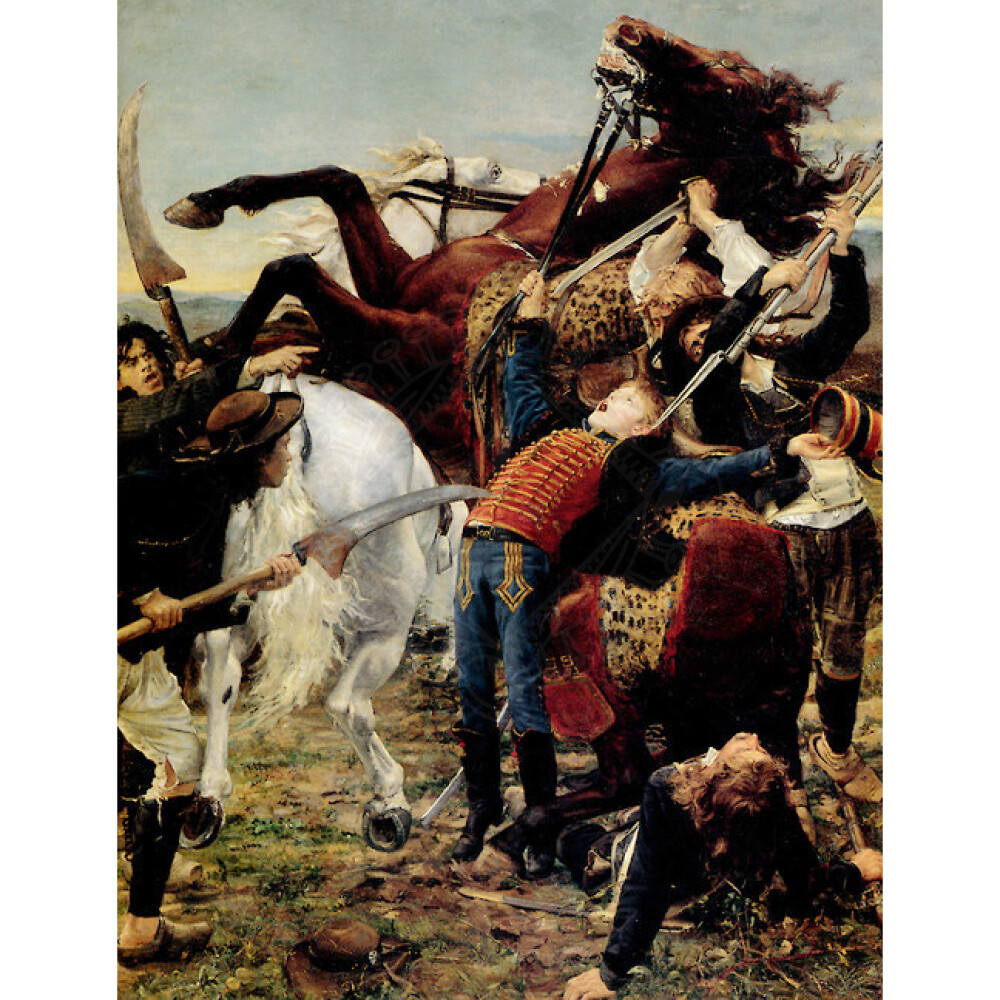
The war scythe represents a fascinating display of medieval improvisation. Originally a standard farming tool, the blade was forged straight by blacksmiths to extend vertically from the pole, creating a heavy weapon visually similar to a glaive or a fauchard. It was extensively used during the Hussite Wars to pierce chainmail and pull knights from their horses. It also gained fame through the Polish peasant volunteers known as kosynierzy during uprisings in the 18th and 19th centuries. It is an iconic weapon of the common people, rebels, and hastily assembled militias.
Usage and Safety Warnings
The weapon is available in several steel variations. The version made of hardened spring steel with a blunt edge can be used for contact historical fencing and stage combat. If you choose the version with a sharp blade, be warned that for safety reasons, it is absolutely not intended for contact fencing or man-to-man combat. The sharp version is solely for cutting tests or decoration, and its use is strictly at your own risk! The version manufactured from unhardened mild steel is primarily a decorative product or theatre prop, unsuitable for practical combat use due to safety limitations.
Weapon Assembly Instructions
The original polearm possessed a formidable reach. Please note that because the total length exceeds the maximum shipping length limits allowed by couriers (approx. 198 cm / 78 inches), we will deliver the weapon in a disassembled state if ordered with a shaft. The package will include the wooden pole and the top metal part. You will need to assemble and securely fit the replica yourself upon receipt. All necessary connecting materials, shaft metal fittings, and decorative leather fringes are included in the delivery.
Parameters and Technical Specifications
| Blade Material (optional) | Unhardened mild steel / Hardened spring steel |
| Edge (optional) | Blunt (for fencing) / Sharp (for cutting tests) |
| Length of the metal part | approx. 73 cm (28.7 inches) |
| Weight of the metal part | approx. 1350 g (2.98 lbs) - applies to the blunt version |
| Length of the shaft (optional) | approx. 198 cm (78 inches) |
| Manufacturing method | Hand-forged product |
Maintenance and Care
To ensure this historical weapon serves you well for a long time, it requires proper care. The steel surface is not rust-proof. We recommend thoroughly wiping the blade with a dry cloth after every use and treating it with a suitable gun oil to prevent corrosion. Periodically treat the wooden shaft with linseed oil to prevent the wood from drying out and cracking.
Recommended Accessories
For safe fencing practice and proper maintenance, we recommend purchasing thick leather gauntlets and a high-quality anti-corrosion weapon oil to complete your gear.
We are here for you!


.3773623034.1696456237.png.webp)

.3773623034.1696456247.png.webp)