
 Čeština
 Deutsch


Bushido Grip for Katana Swords
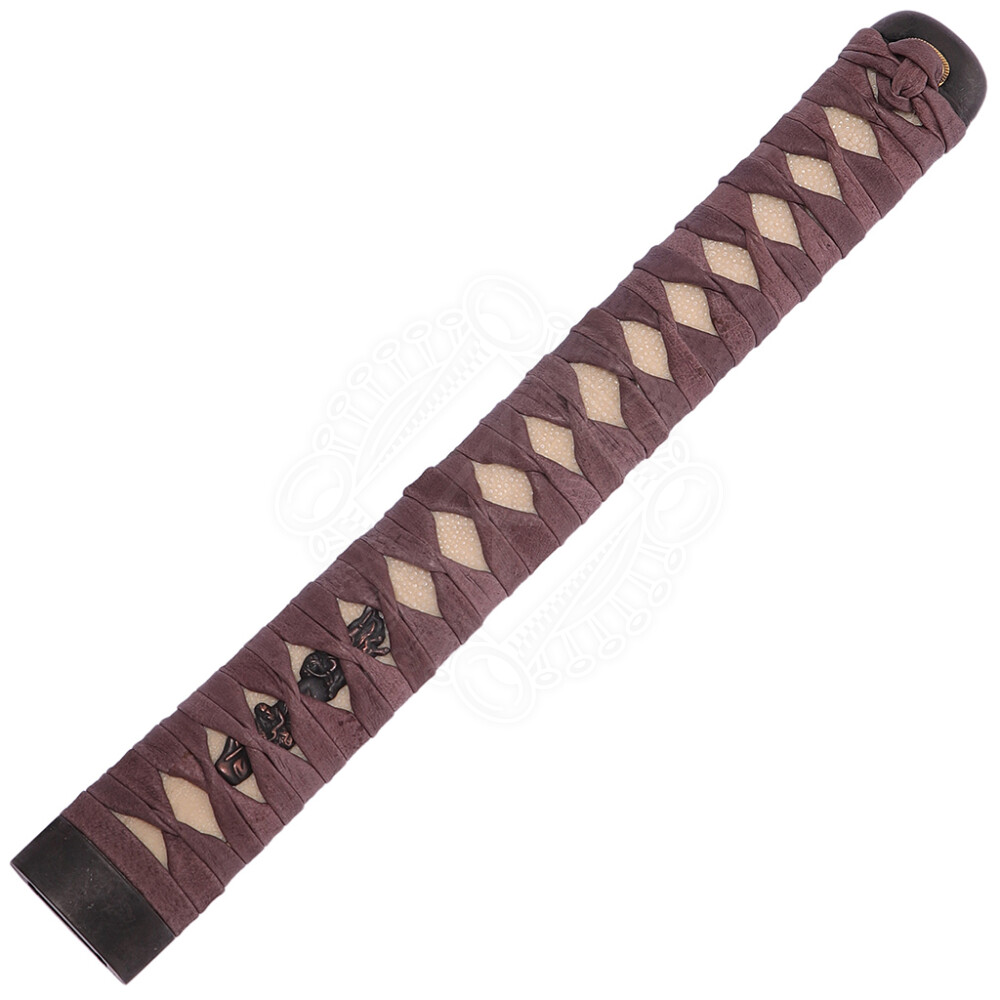
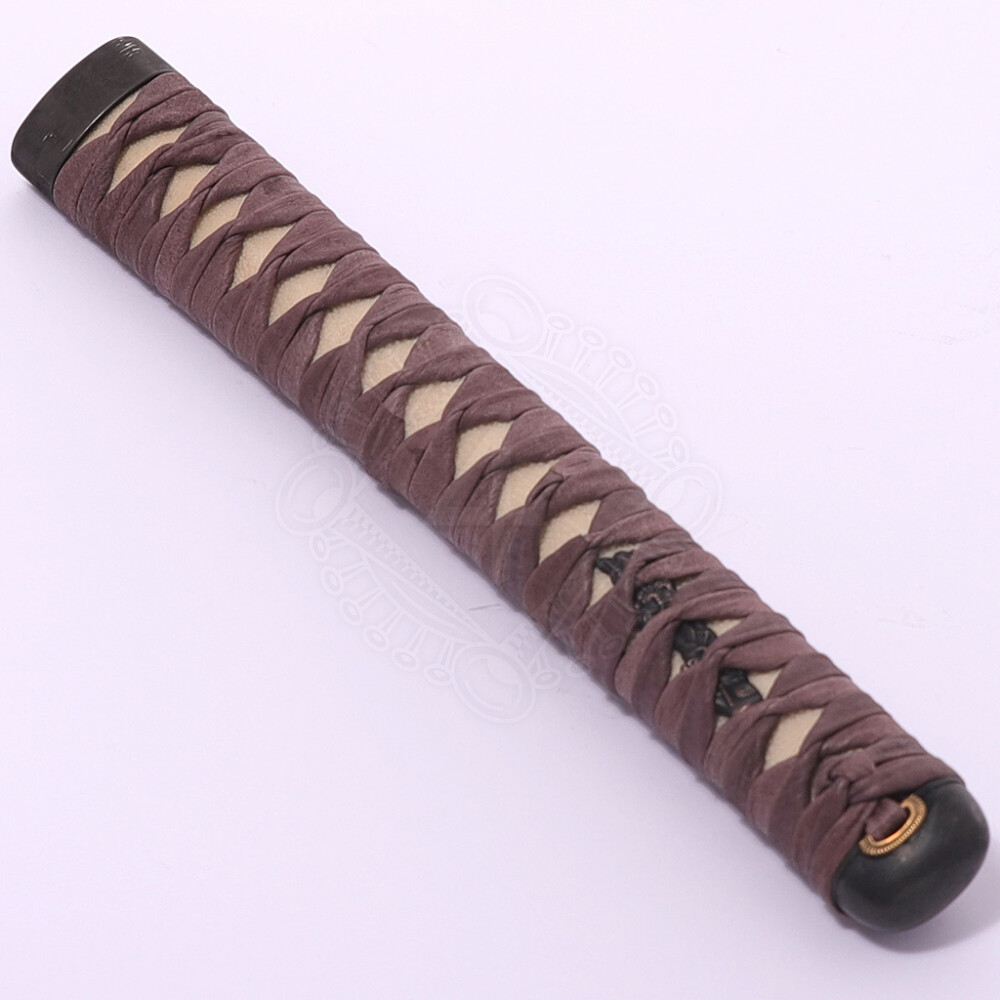
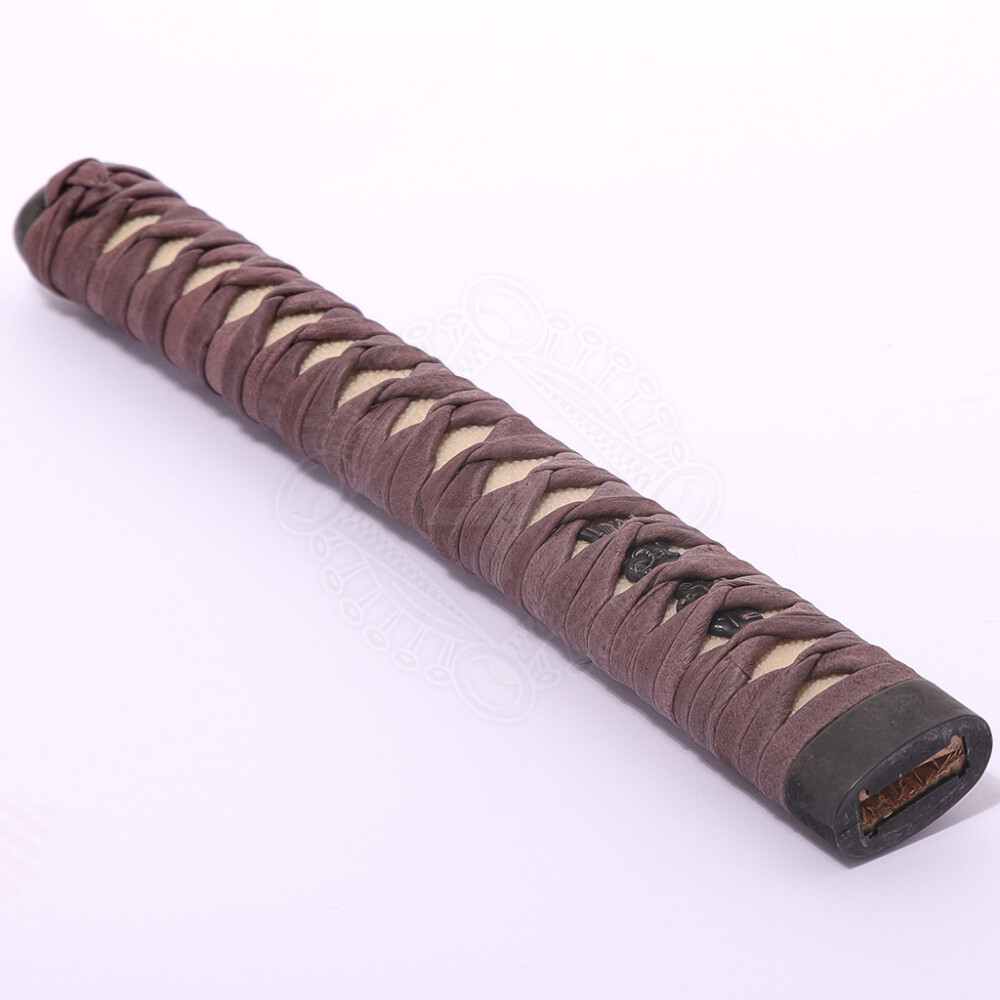
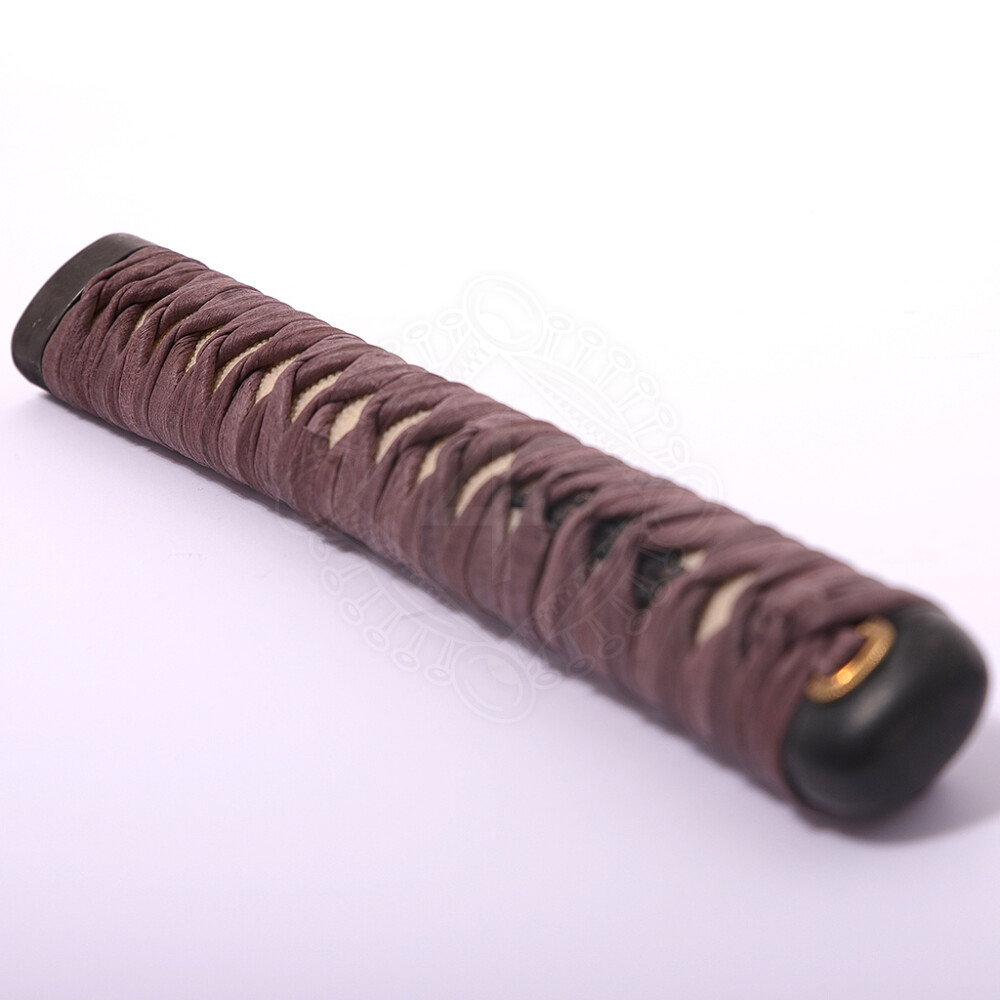
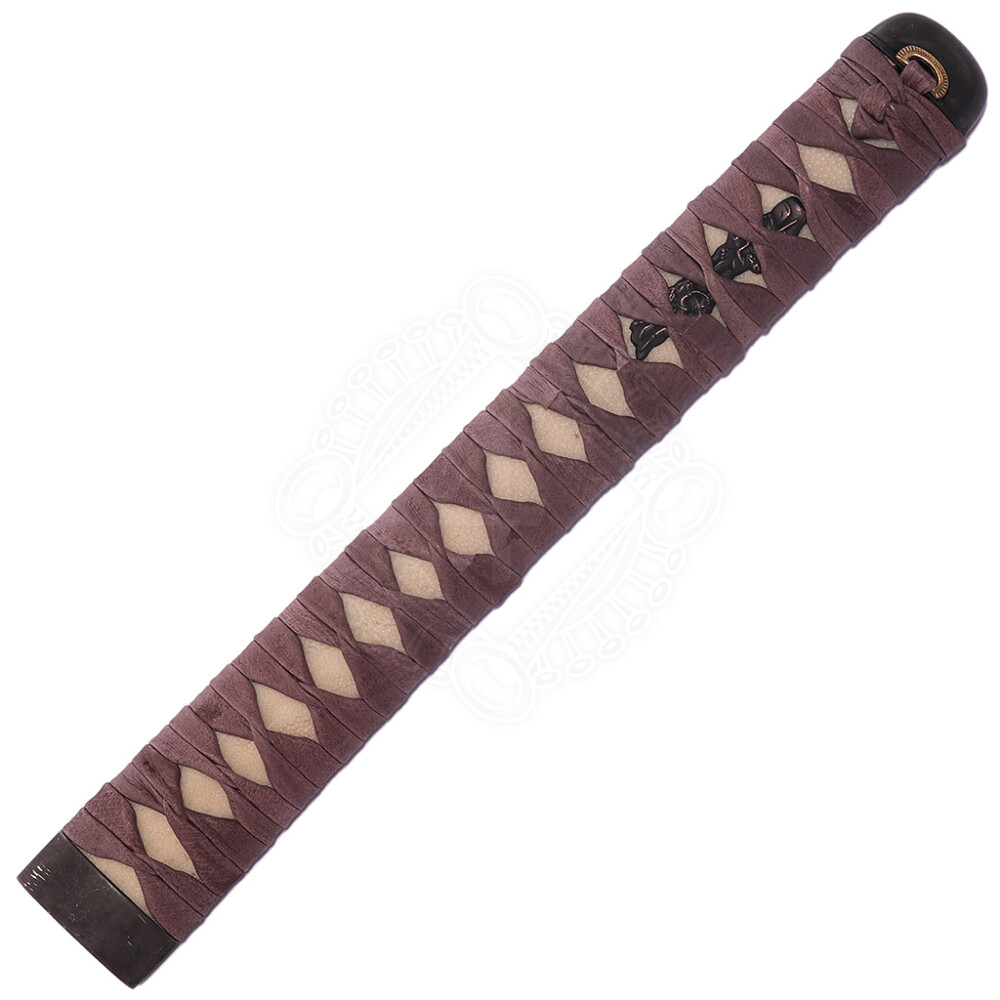

Are you looking for a way to restore your sword to its former glory or build your own piece with a touch of authenticity? This complete Japanese sword handle (Tsuka) from the renowned manufacturer John Lee is exactly the component that will give your Katana a professional look and excellent ergonomics. It is made from traditional materials that Japanese swordsmiths have proven over centuries, combining aesthetic beauty with functional durability. Further product information ...

 Delivery options
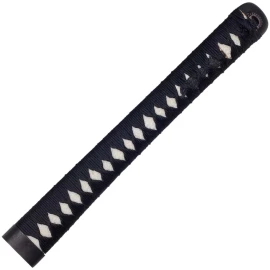
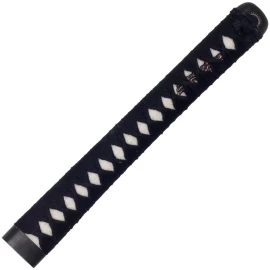
Bushido Grip for Katana Swords with Brown Leather Wrap
The base of the handle is a core made of Japanese Magnolia wood (Ho), covered with two plates of genuine rayskin (Same). Over this layer, a brown leather wrap (Tsuka-Ito) is precisely tied, ensuring a firm and secure grip even during intense training. The handle is already factory-fitted with complete hardware: the Fuchi collar, Kashira pommel, and a pair of decorative Menuki ornaments under the wrap.
Technical Specifications and Dimensions
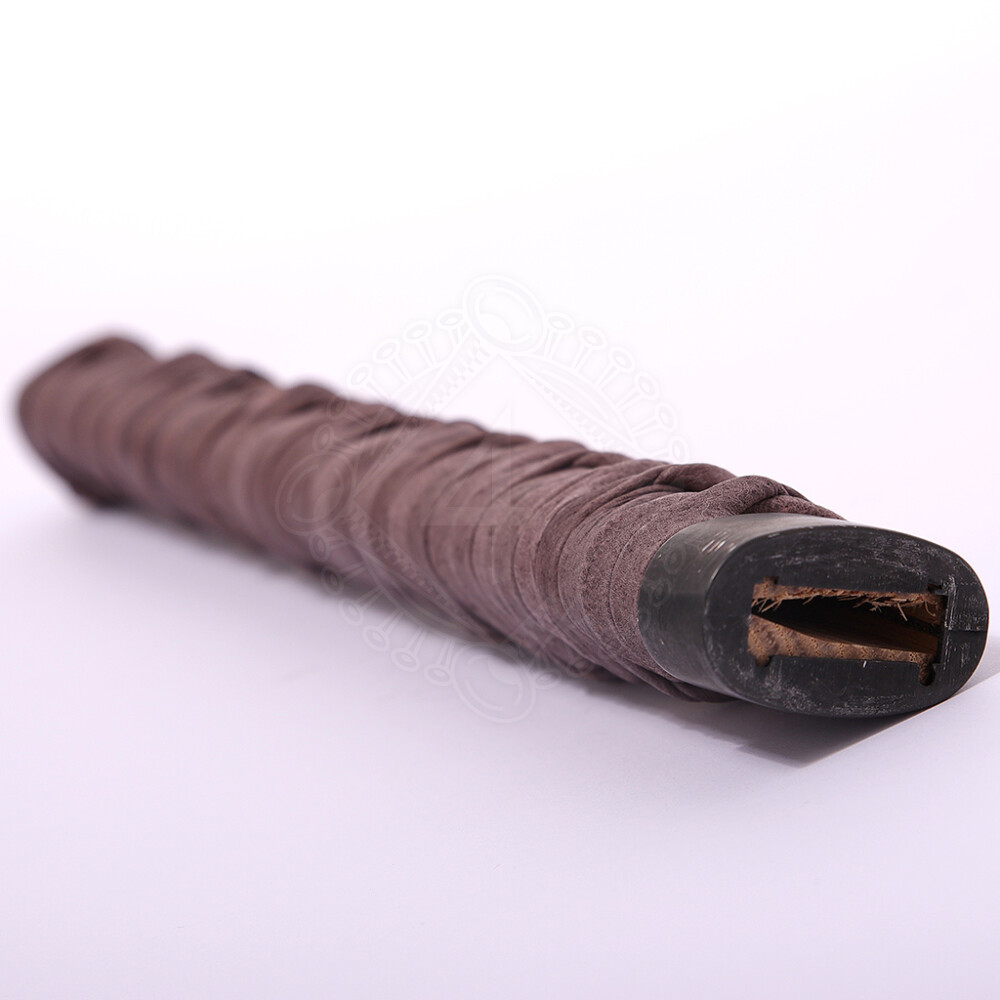
The handle is designed as a universal replacement part suitable for most John Lee brand swords. Please check the dimensions of your tang (Nakago) against the opening in the handle before purchasing.
| Total Length | approx. 12.2" (311 mm) |
| Wrap Material | Brown leather |
| Underlay | Genuine rayskin (Same) |
| Hardware (Fuchi/Kashira) | Iron castings |
| Internal Opening for Tang | approx. 1.1" x 0.24" (28 x 6.2 mm) |
| Weight | approx. 0.37 lbs (166 g) |
Installation on Your Sword
This handle is supplied in an authentic state without pre-drilled holes for the Mekugi retaining pins. This is a crucial advantage as it allows you to drill the holes exactly where the holes (Mekugi-Ana) are located on the tang of your specific blade. Follow these steps:
- Slide the handle onto the blade tang until it reaches the guard.
- Carefully measure the position of the holes on the tang relative to the handle.
- Drill the holes through the wooden core and rayskin.
- Secure the handle with Mekugi bamboo pins (not included), which firmly connect the handle to the blade.
History and Significance of the Components
In the days of the samurai, the hilt was not just an aesthetic accessory, but a vital safety feature. Rayskin (Same) was valued for its rough surface, which, thanks to small bony protrusions, prevented the wrap from shifting. Menuki, small ornaments under the leather, were originally intended to hide the pins but later evolved into ergonomic bumps that help correctly fill the warrior's palm and intuitively guide the direction of the edge.
Caring for the Handle
Leather is a natural material that changes over time. To ensure the handle serves you for a long time:
- Keep the leather clean: After practice, wipe the leather wrap with a dry cloth to remove sweat, which can dry out the leather.
- Hardware protection: The iron parts (Fuchi/Kashira) can be occasionally wiped with a microscopic layer of oil (e.g., camellia oil) to prevent oxidation.
- Avoid moisture: Never soak the handle. Moisture can cause the wooden core to swell or the wrap to loosen.
- Safety: Regularly check the tightness of the Mekugi pins. If the pins are loose or damaged, do not use the sword, as the blade could come loose and cause serious injury.
For complete maintenance of your sword, we recommend purchasing a traditional sword cleaning kit and replacement Mekugi bamboo pins.
We are here for you!





.3773623034.1696456237.png.webp)

.3773623034.1696456268.png.webp)
.3773623034.1696456247.png.webp)