 Čeština
 Deutsch


Golden Crane Dance Tsuba
1x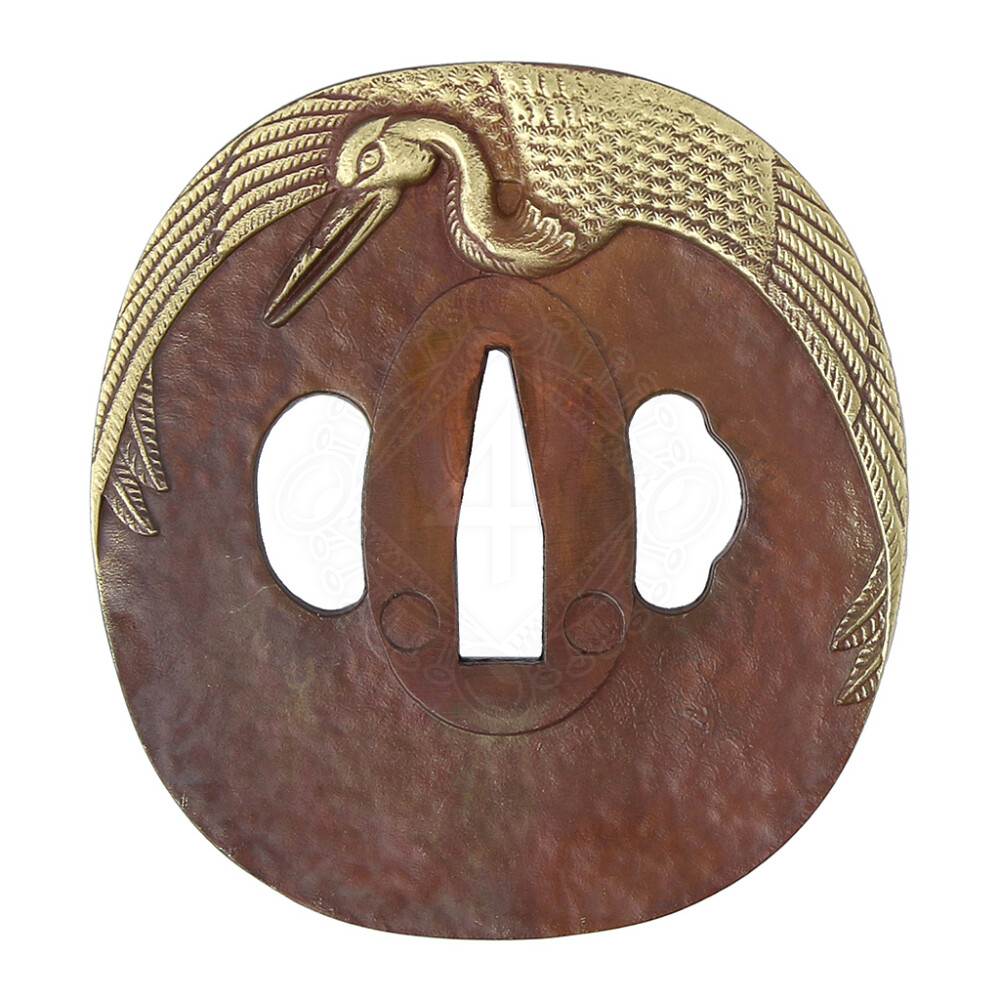
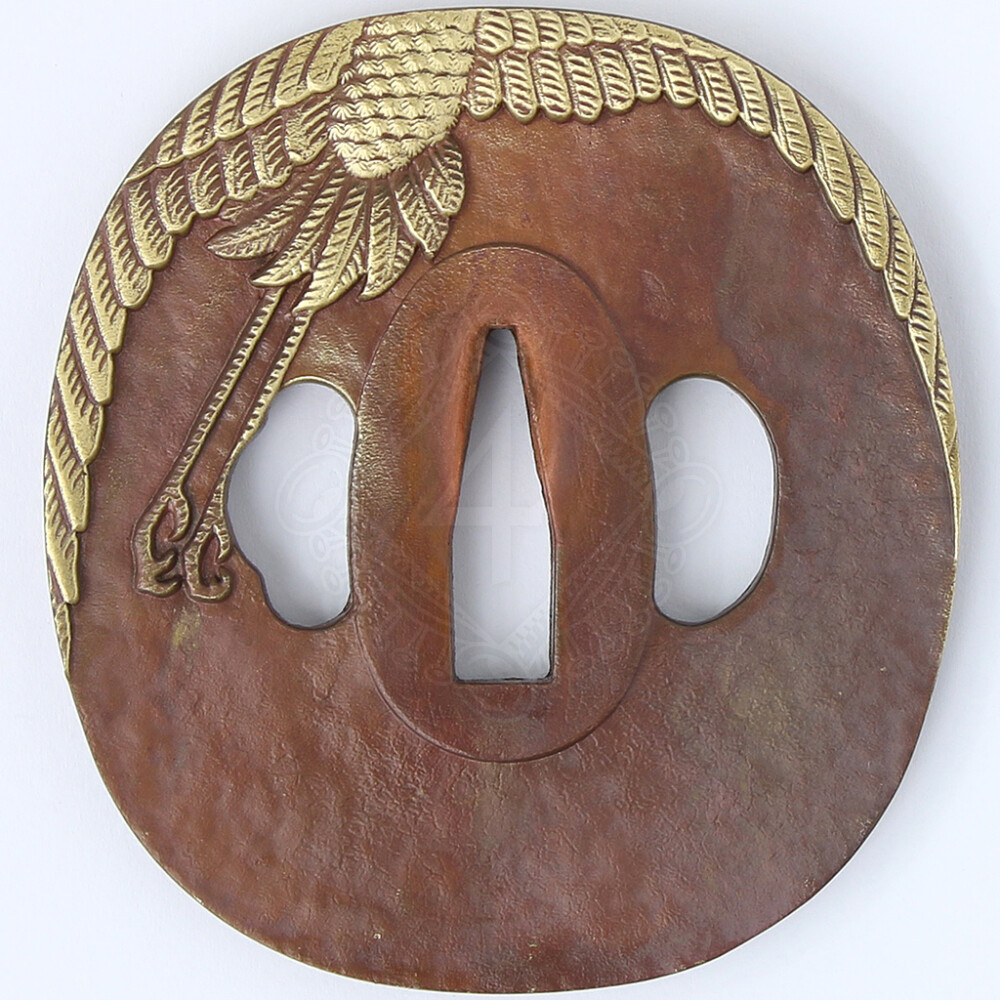

Are you looking for an accessory for your sword that carries a deep story and traditional Japanese aesthetics? This solidly constructed Crane Tsuba is not just a functional element of your weapon, but above all a powerful symbol. In Japanese culture, the crane (tancho) is revered as a harbinger of good fortune and a symbol of longevity. This artistic replica captures the elegance of the bird's body spread along the edge of the guard, with the golden contrast of the feathers against the dark background giving your sword a visual dominance. It is an ideal choice for anyone wanting to enrich their katana with a piece of living history and legend. Further product information ...
Would you like to be notified as soon as the item is in stock?
You will receive a short e-mail as soon as we have it back in stock.
Golden Crane Dance Tsuba, Symbol of Longevity Artisan Replica
Artistic Craftsmanship and Symbolism
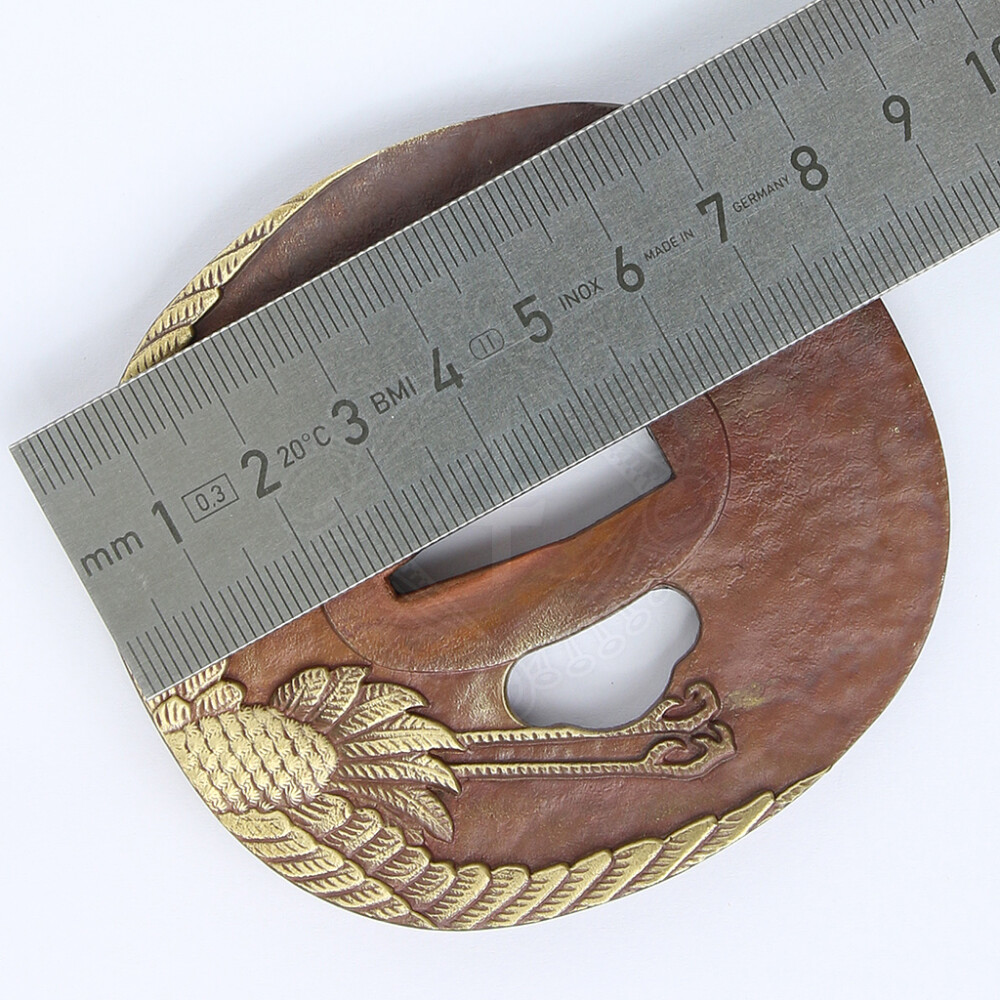
The Tsuba design utilizes the circular Maru-gata shape, decorated with a detailed sculpture of a crane with outstretched wings. The bird is depicted so that its long neck and wings form the natural frame of the guard, while its legs are finely detailed on the reverse side. This motif recalls the moving story of young Sadako from Hiroshima, who believed that folding a thousand paper cranes would restore her health. The Tsuba features hicogane openings, which historically served for passing through the auxiliary knife kozuka and the needle kogai.
Technical Specifications
| Material | Cast steel with patina and golden decor |
| Shape | Maru-gata (circular) |
| Height | approx. 80 mm / 3.15" |
| Width | approx. 77 mm / 3.03" |
| Opening Size (nakago-ana) | approx. 25 mm / 0.98" height |
| Package Includes | 1x Tsuba |
History and Usage
In the age of the Samurai, a tsuba was not merely protection for the hand against slipping onto the blade or an opponent's strike; it also served to perfectly balance the sword. The crane motif became especially popular during the Edo period, when emphasis was placed on decorativeness and the spiritual significance of ornamentation. Warriors believed that lucky symbols would ensure the favor of fate in battle and beyond. This tsuba is suitable for collectors or for mounting on training swords intended for drawing practice (iaido).
Maintenance and Safety Guide
To keep your tsuba looking like new, follow these basic care steps:
- Surface Protection: After each handling, wipe the tsuba with a dry cloth and occasionally apply a thin layer of mineral oil (e.g., camellia oil) to prevent corrosion of the steel body.
- Mounting: When installing on the sword tang (nakago), ensure the guard sits firmly. If the opening is too loose, use copper inserts (sekigane); never use brute force, which could damage the decoration.
- Step-By-Step Instructions: How to Disassemble (and Assemble) a Katana?
- Warning: The tsuba is not intended as a standalone weapon. When practicing with a sword, ensure it is properly secured with the mekugi peg to prevent loosening and subsequent injury.
I recommend purchasing matching seppa spacers and stylish bird-themed menuki to complete your sword into one harmonious piece.
Would you like me to help you choose a suitable katana that this tsuba would fit best on?
We are here for you!