
 Čeština
 Deutsch


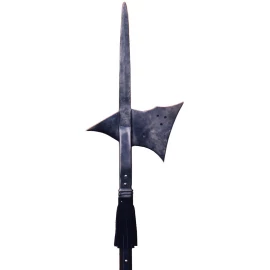
Voulge / Bill Head – Medieval Polearm (14th–15th Century)
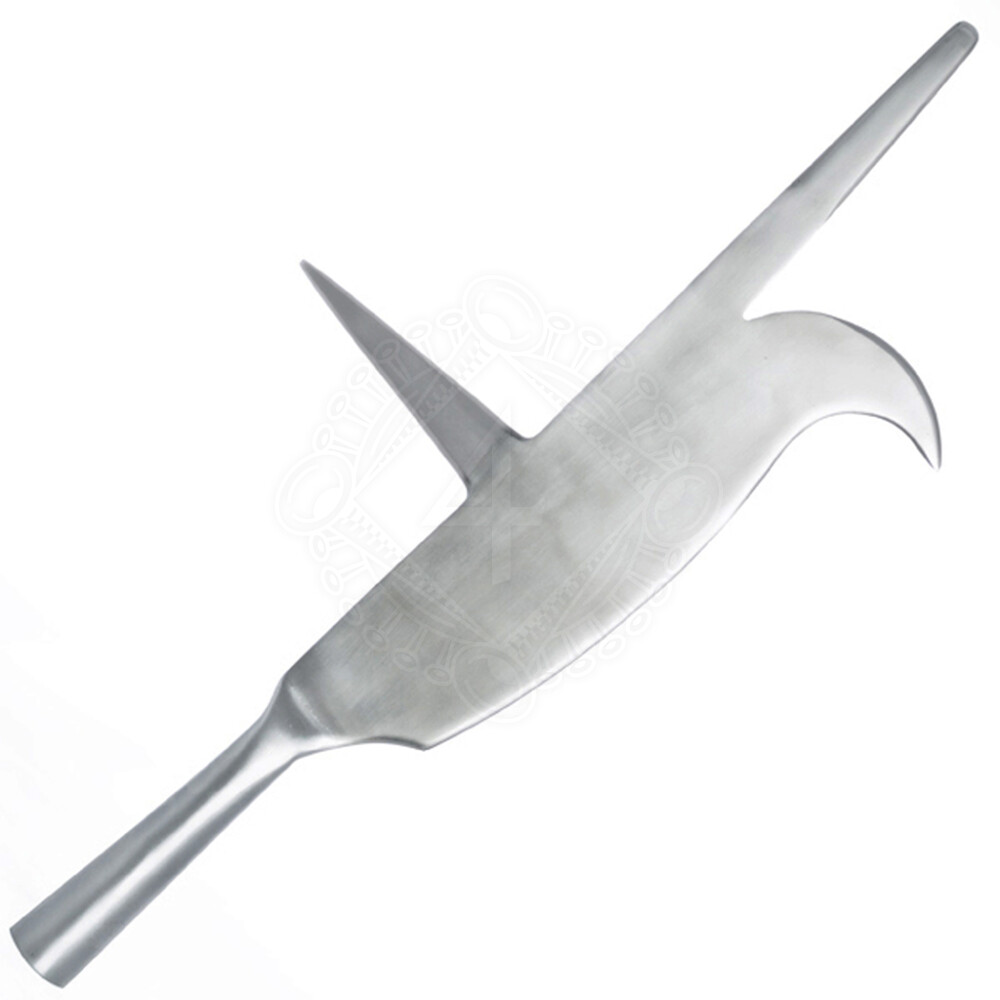
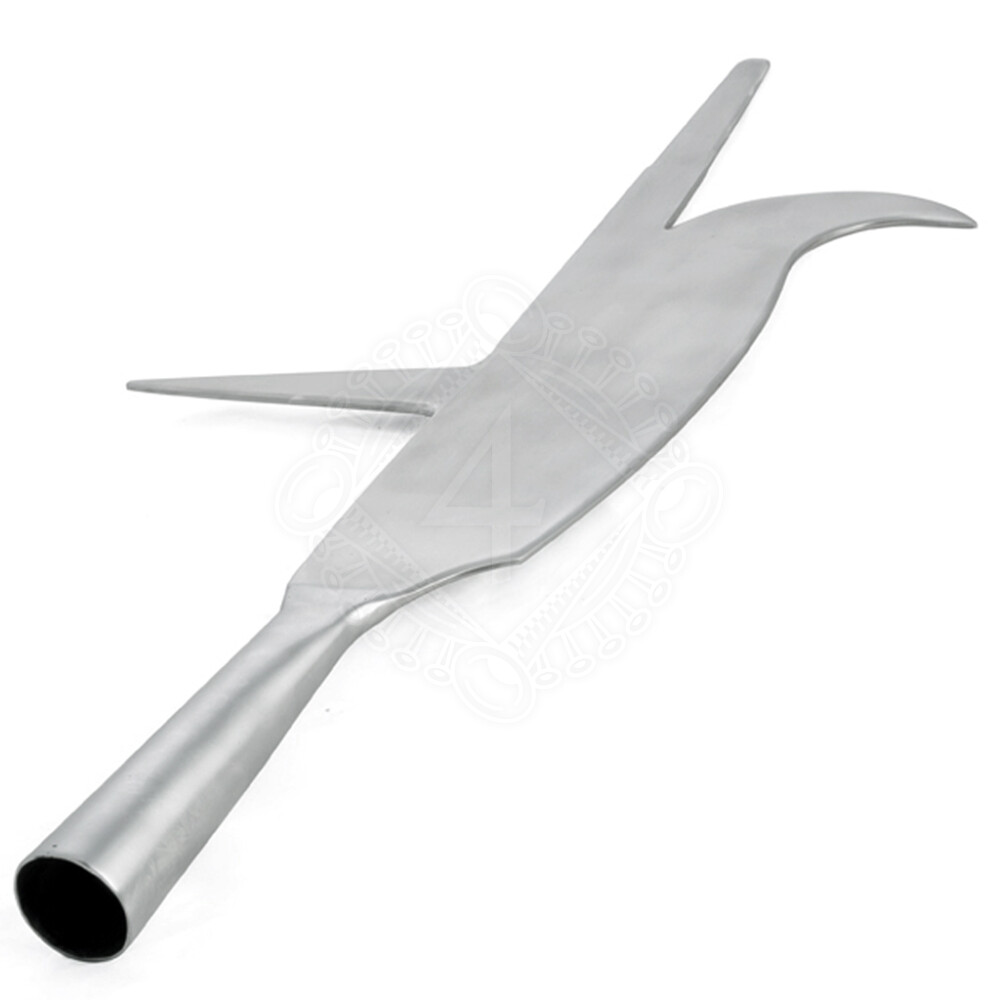

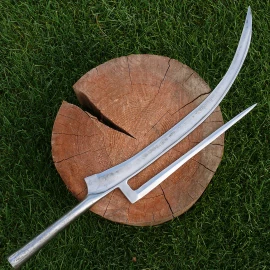
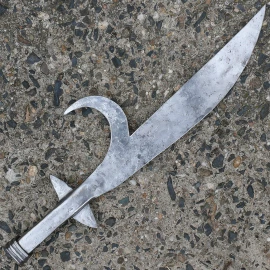
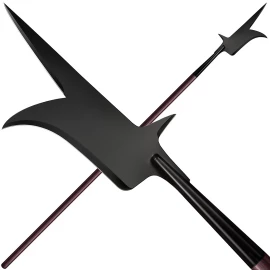
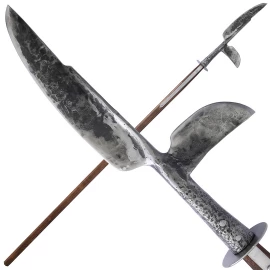
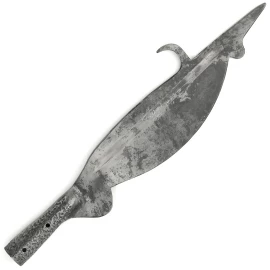
Are you looking for a weapon that combines the brutality of a butcher's tool with the reach of a spear? This replica of a medieval polearm head, known as a Voulge or Bill, is exactly what you need for your infantry kit. Its design is based on originally agricultural tools that were modified for war in the 14th and 15th centuries. This type of weapon was the terror of knightly cavalry, as its hook could pull riders from their saddles and its massive blade could crush armour. Whether you are building a costume of an English longbowman needing a backup weapon, or a member of a French militia, this piece of steel will add authenticity to your character. Further product information ...

 Delivery options
Voulge / Bill Head – Medieval Polearm (14th–15th Century)
Construction and Function
This head is made of carbon steel and offers three functional elements in one. The dominant feature is the long cutting blade, which transitions into a distinct hook on the back – ideal for catching an opponent's weapon, shield, or armour parts. The top of the weapon is finished with a long thrusting spike, allowing for effective stabbing attacks even at a greater distance.
The head is mounted on a wooden shaft using a conical socket. Given the larger diameter of the socket (approx. 32 – 35 mm / 1.25 – 1.38 inches), we recommend using a thick and durable shaft that can withstand the weight and leverage of this massive weapon.
Historical Context: From Field to Battlefield
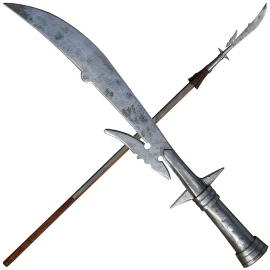
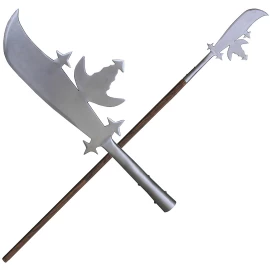
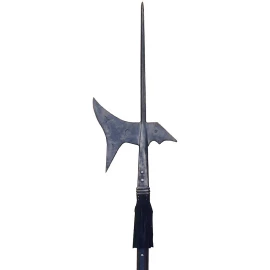
The Voulge (or Bill) is a classic example of the evolution of weapons from tools. Originally, it was a tool for pruning trees and shrubs (billhook). However, during the Hundred Years' War and the Wars of the Roses, they became a widely used infantry weapon. The English "billmen" were as important a part of armies as the famous archers. The weapon was cheap to produce, but lethal in the hands of a trained soldier – capable of facing even the best-armoured opponents.
Technical Specifications
| Total Length | approx. 60.8 cm (23.9 inches) |
| Maximum Width | approx. 22.4 cm (8.8 inches) |
| Socket Inner Diameter | approx. 32 – 35 mm (1.25 – 1.38 inches) |
| Material | Carbon steel (untreated) |
| Manufacturer | Marshal Historical |
Safety and Classification
Class C according to fencing weapon classification – Product without warranty!
This product is intended by the manufacturer as a decorative replica. Although the materials and construction may meet the requirements for stage combat, the manufacturer does not provide a warranty against breakage or damage during practical use. We do not recommend it for full-contact combat (buhurt, HEMA). More information on weapon classification can be found here.
Assembly and Maintenance
To complete the weapon, you will need an ash shaft, which needs to be adapted to the conical shape of the socket and secured with a rivet or screw. The metal is carbon steel, which naturally succumbs to corrosion. To preserve its appearance:
- Regularly preserve the steel with oil (WD-40, Ballistol, or mineral oil).
- Store the weapon in a dry place.
- Minor traces of rust (which may be present upon delivery) can be easily removed with an abrasive pad or fine sandpaper.
We are here for you!



.3773623034.1696456237.png.webp)

.3773623034.1696456247.png.webp)