
 Čeština
 Deutsch


Mushroom Knife "Forager"
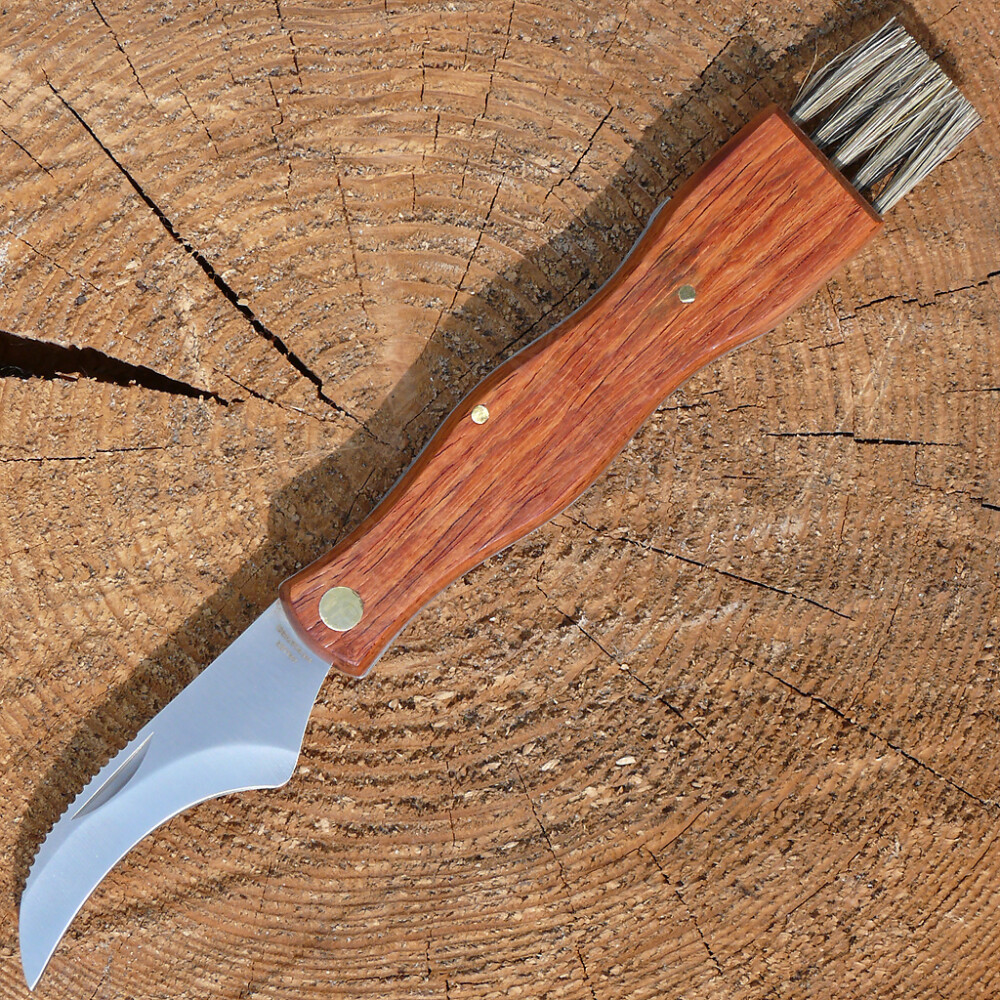
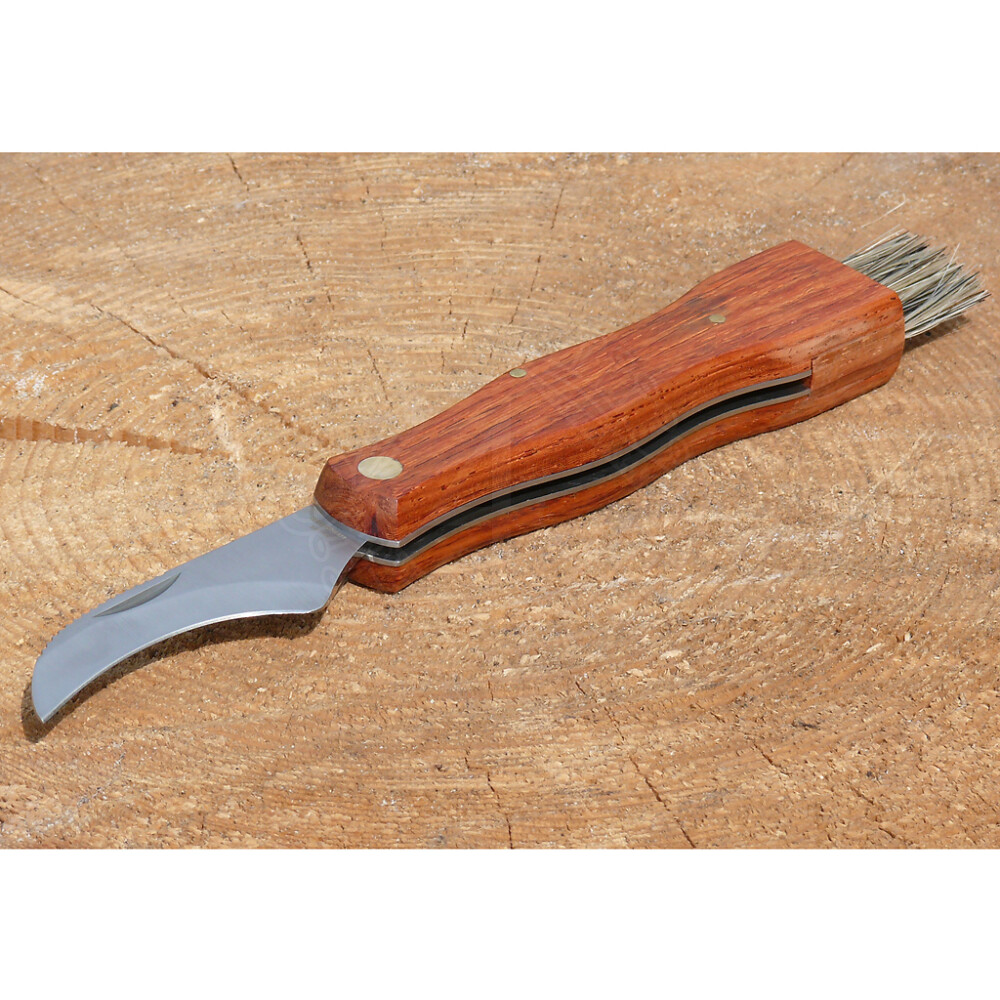
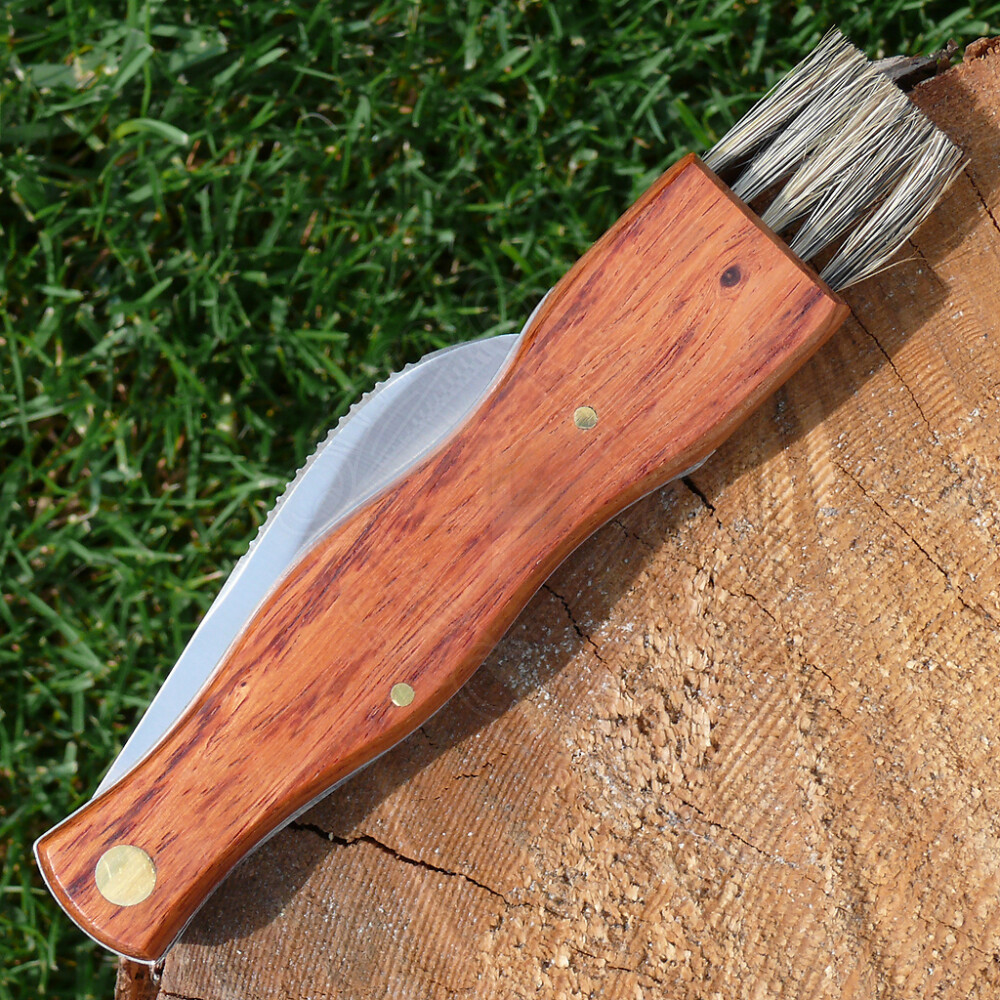
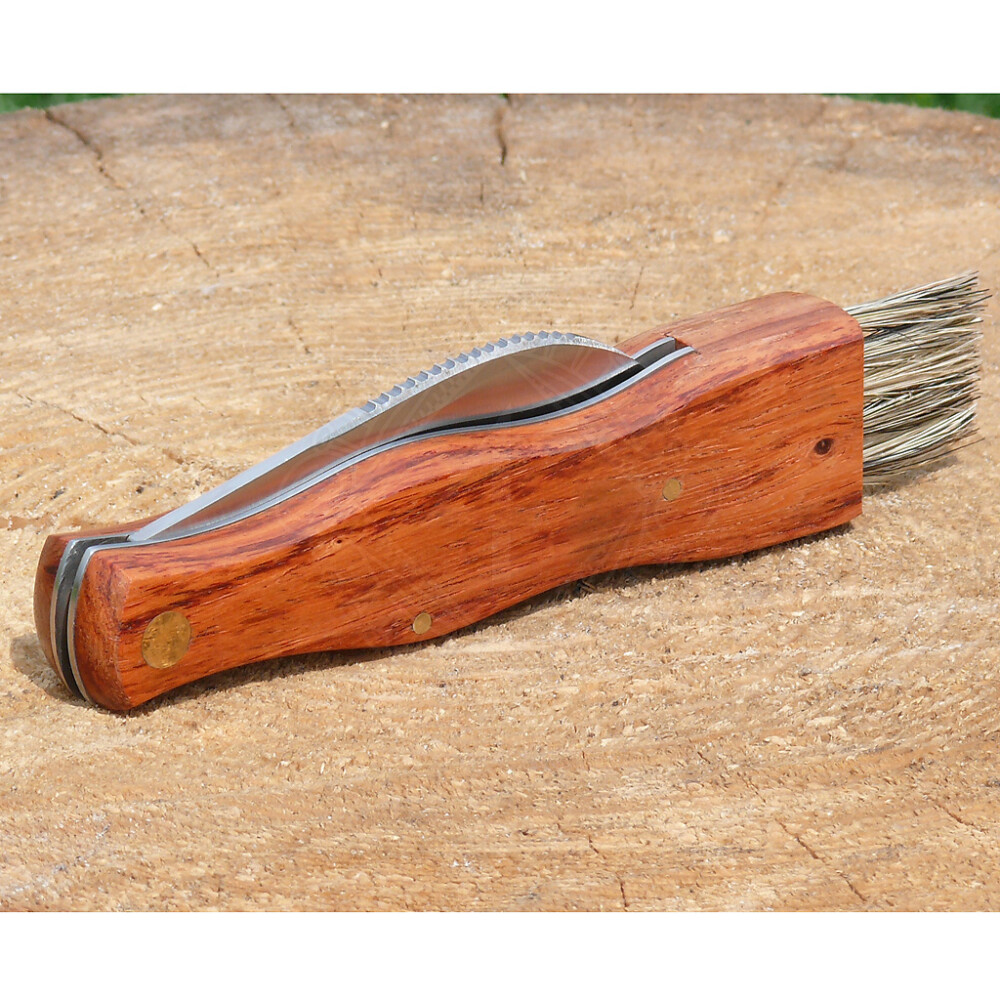
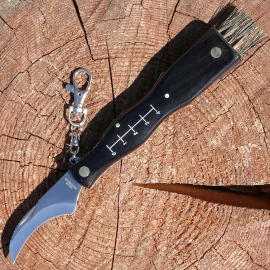
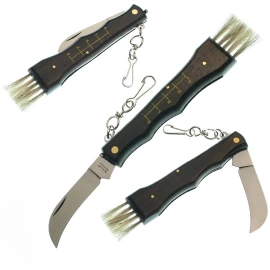
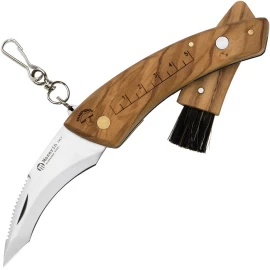
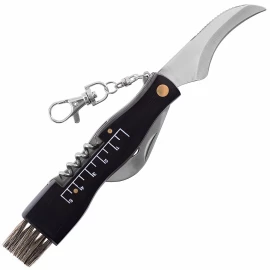
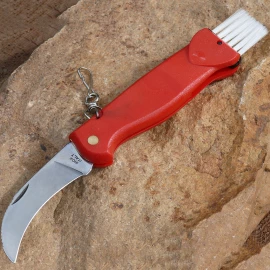
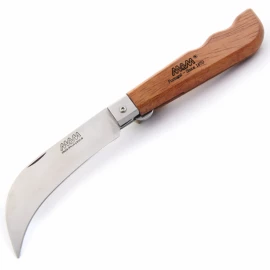
Are you a lover of forest silence and the scent of pine needles? Then you surely know that for a successful hunt for porcini, chanterelles, or parasol mushrooms, a keen eye is not enough—you also need the right equipment. This classic mushroom knife with a reddish-brown hardwood handle is not only a practical tool but also an elegant accessory for every proper forager. Thanks to the integrated brush, you bring your catch home clean and ready for processing, rather than carrying a pile of soil and needles. It is the ideal gift for anyone who has fallen for the passion of mushroom foraging. Further product information ...

 Delivery options
Mushroom Knife "Forager" with Hardwood Handle and Boar Bristle Brush
The Perfect Tool for a Clean Cut
This folding knife has been designed with an emphasis on functionality and tradition. Its heart is a blade made of 420 stainless steel, shaped into a specific curve (known as a sickle or hawkbill shape). This curvature is not arbitrary—it aids in the precise cutting of the mushroom stem by contouring its shape, which is gentler on the mycelium than using a straight knife.
On the spine of the blade, you will find serrated jimping. This serves to scrape off coarse dirt from the cap or stem of the mushroom without dulling the sharp edge. The handle is crafted from quality hardwood with a beautiful grain, ergonomically shaped so that the knife won't slip even from a damp hand. The entire construction is reinforced with brass rivets, giving the knife a rustic appearance.
Firmly set into the end of the handle is a cleaning brush made of natural bristles. This is invaluable for the final cleaning of your find right in the forest. By doing this, you prevent dirt from one mushroom spreading to the others in your basket.
Product Parameters
| Blade Length | approx. 80 mm (3.15 inches) |
| Weight | approx. 120 g (4.23 oz) |
| Blade Material | 420 Stainless Steel |
| Handle Material | Hardwood, Brass rivets |
| Features | Plain edge, spine scraper, cleaning brush |
History and Tradition of Foraging
Mushroom picking has deep roots in Europe and is considered a national hobby in many regions. Historically, mushrooms were seen as "meat for the poor," but over time they became a sought-after delicacy in high gastronomy. Specialized mushroom knives began to appear when people realized that pulling out fruiting bodies or cutting them carelessly could damage the mycelium and reduce the harvest in subsequent years. The brush at the end of the knife is an invention of practicality—an old rule says that a mushroom should be cleaned in the forest so that the spores return to the soil and dirt does not cause spoilage in the basket.
Knife Care
To ensure this beauty serves you for many seasons, it deserves a little of your attention:
- Cleaning: Wipe the knife with a damp cloth after each use and dry it. Never wash the wooden handle or the brush in a dishwasher; this would cause permanent damage.
- Wood Maintenance: Occasionally treat the wooden handle with linseed oil or beeswax. The wood will reward you with a beautiful appearance and resistance to moisture.
- Edge and Pivot: Occasionally apply a drop of oil to the pivot where the blade rotates to ensure smooth operation. Keep the edge sharp using a whetstone or honing steel.
What to Watch Out For
Although the blade is made of stainless steel, do not leave the knife in damp conditions for prolonged periods. Use the knife exclusively for cutting mushrooms and soft materials. It is not intended for prying, throwing, or chopping hard wood. Watch your fingers when closing the knife, as the slipjoint spring can snap shut firmly.
A traditional wicker basket would be an excellent companion to this knife, ensuring your finds can breathe and stay fresh on the way home.
We are here for you!




.3773623034.1696456237.png.webp)

.3773623034.1696456268.png.webp)
.3773623034.1696456247.png.webp)