
 Čeština
 Deutsch


Set of Tyrian Shekel Replicas (10 or 100 pcs), Judas's 30 Pieces of Silver (Tin,23,9 mm)

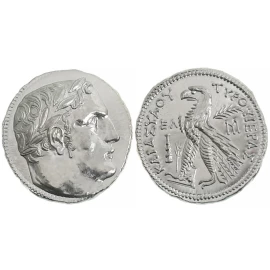
You are holding a set of replicas of a coin that is one of the most powerful symbols in history. The Tyrian Shekel, minted in Phoenician Tyre, was the standard of quality and silver purity in its time. For this very reason, despite its pagan imagery, it was the only coin that the Jewish priests would accept for payment of the sacred Temple tax in Jerusalem. At the same time, however, it became a symbol of the ultimate betrayal – it was with these coins, the "thirty pieces of silver," that Judas Iscariot was paid to betray Jesus Christ. This faithful tin replica is therefore not only a fascinating piece for collectors and re-enactors of the ancient period but also a powerful educational tool and prop for Passion plays and historical productions. This product is sold in sets of 10 or 100 pieces. Further product information ...

 Delivery options
The following variants are currently available:
Set of Tyrian Shekel Replicas (10 or 100 pcs), Judas's 30 Pieces of Silver (Tin,23,9 mm)
A Coin of Two Faces: Sacred and Treacherous
Each side of this heavy coin tells part of its contradictory story – a story of sanctity and wealth on one side, and of betrayal and guilt on the other.
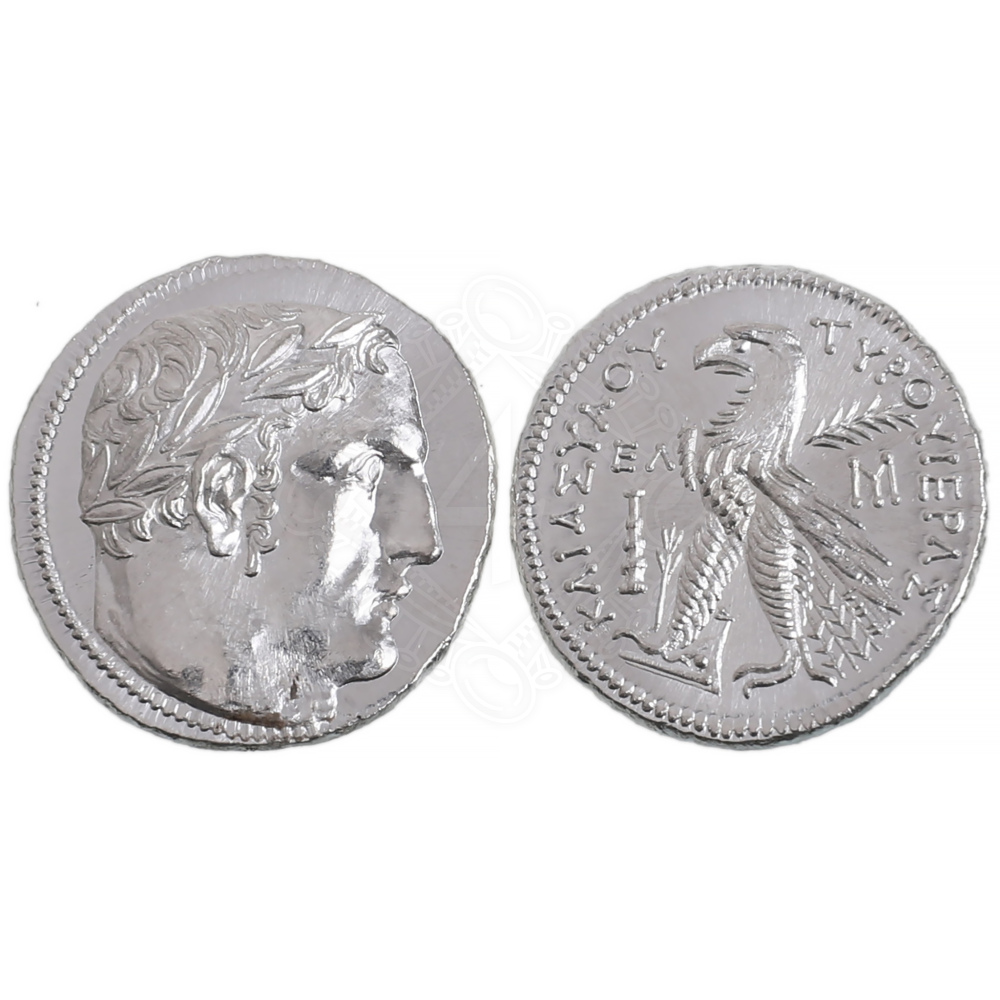
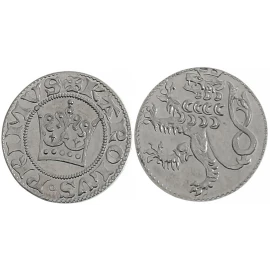
- Obverse (The Eagle of Tyre): The front depicts an eagle standing on the prow of a ship, a symbol of the power and maritime dominance of the city of Tyre. It is encircled by the Greek inscription ΤΥΡΟΥ ΙΕΡΑΣ ΚΑΙ ΑΣΥΛΟΥ, which means "(Coin) of Tyre, the Holy and Inviolable". It was this status and its guaranteed silver quality that made the coin acceptable even in the Jerusalem Temple.
- Reverse (The God Melqart-Heracles): The back bears a portrait of the chief deity of Tyre, the Phoenician god Melqart, with a laurel wreath. The Greeks and Romans identified this god with their hero Heracles (Hercules). It is an irony of fate that a coin depicting a pagan god became crucial for the functioning of the Jewish Temple.
The Temple Tax and the 30 Pieces of Silver
The story of this coin is inextricably linked with Jerusalem in the time of Jesus Christ. According to the Torah, every adult Jewish male was required to pay an annual Temple tax of a half-shekel for the maintenance of the Second Temple. The high priests approved only Tyrian shekels for this purpose due to their consistently high silver purity. The money changers in the Temple court, whom Jesus drove out, would exchange Roman and other currencies specifically for these shekels.
However, the darkest chapter in the shekel's history is written in the New Testament. When Judas Iscariot decided to betray Jesus, he asked the chief priests, "What are you willing to give me if I deliver him to you?" So they counted out for him thirty pieces of silver. (Matthew 26:15). Historians agree that these pieces of silver were almost certainly Tyrian shekels, as they were the standard high-value silver currency in the region at the time.
A Set for Collectors and Larger Groups
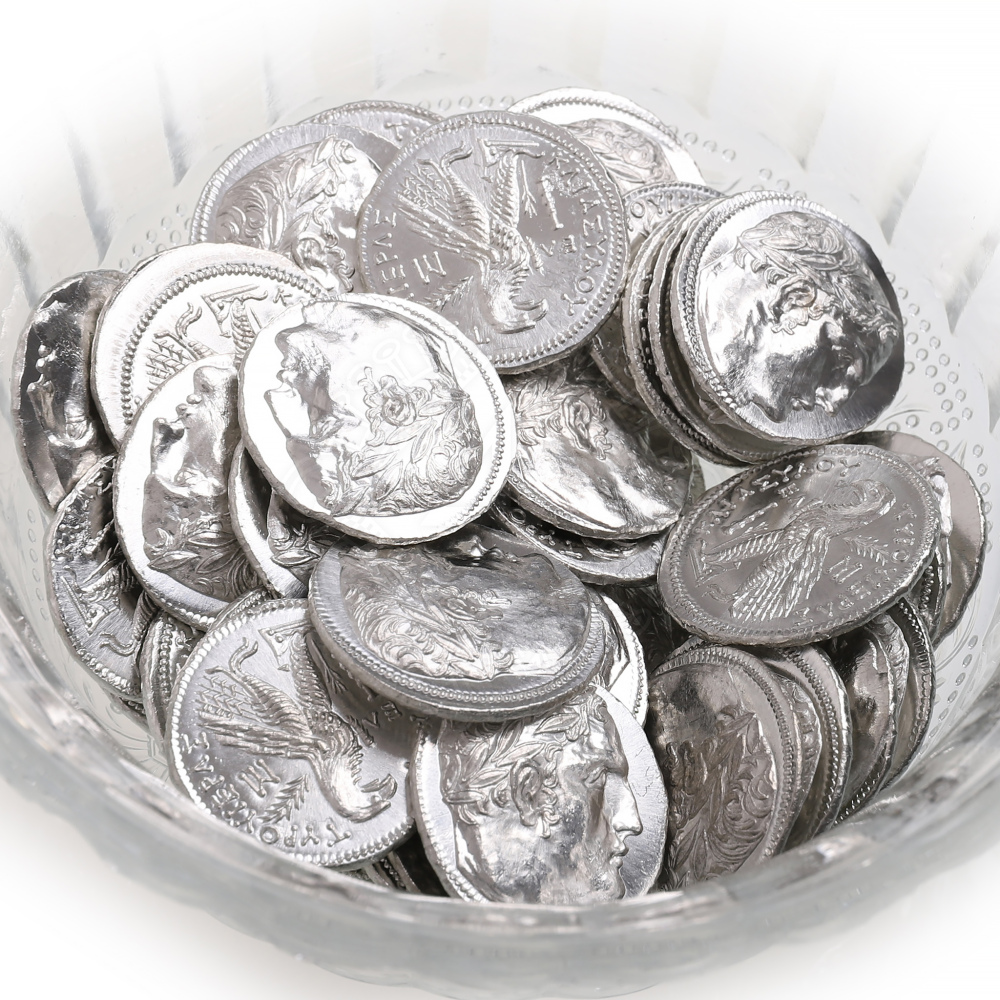
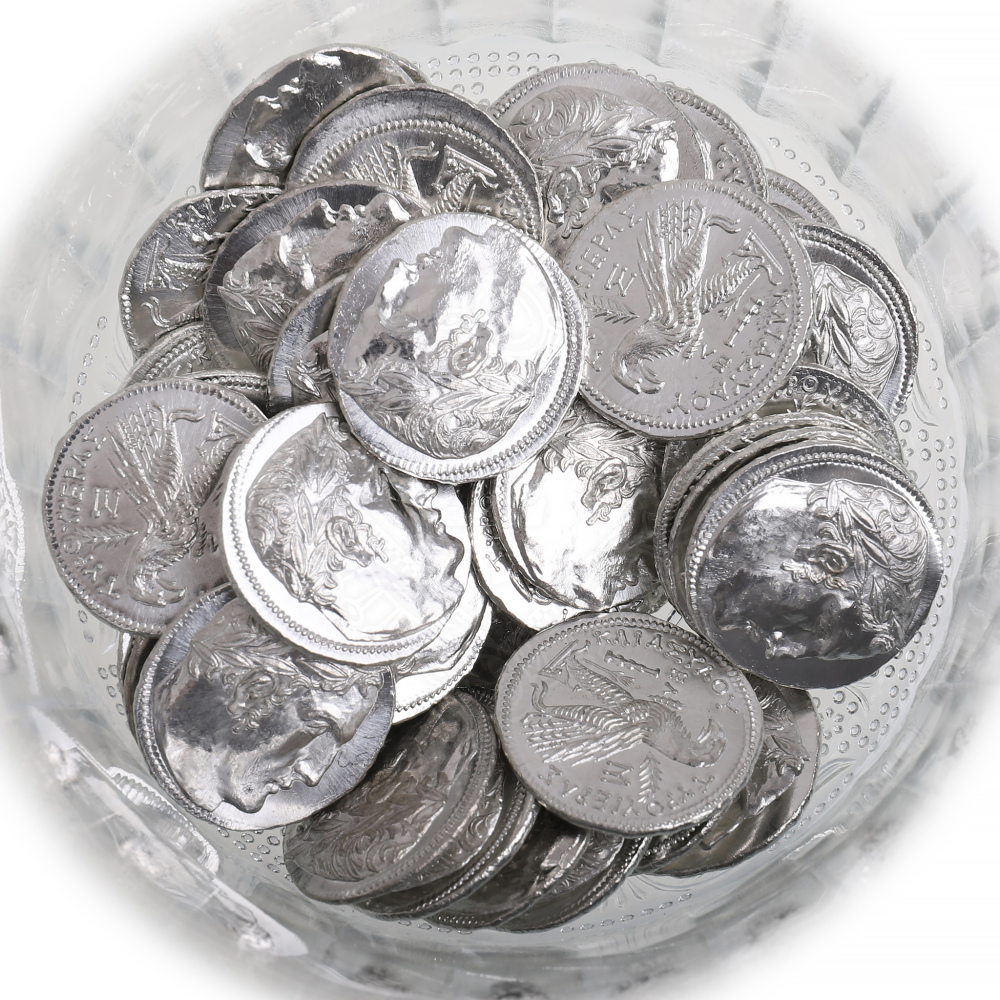
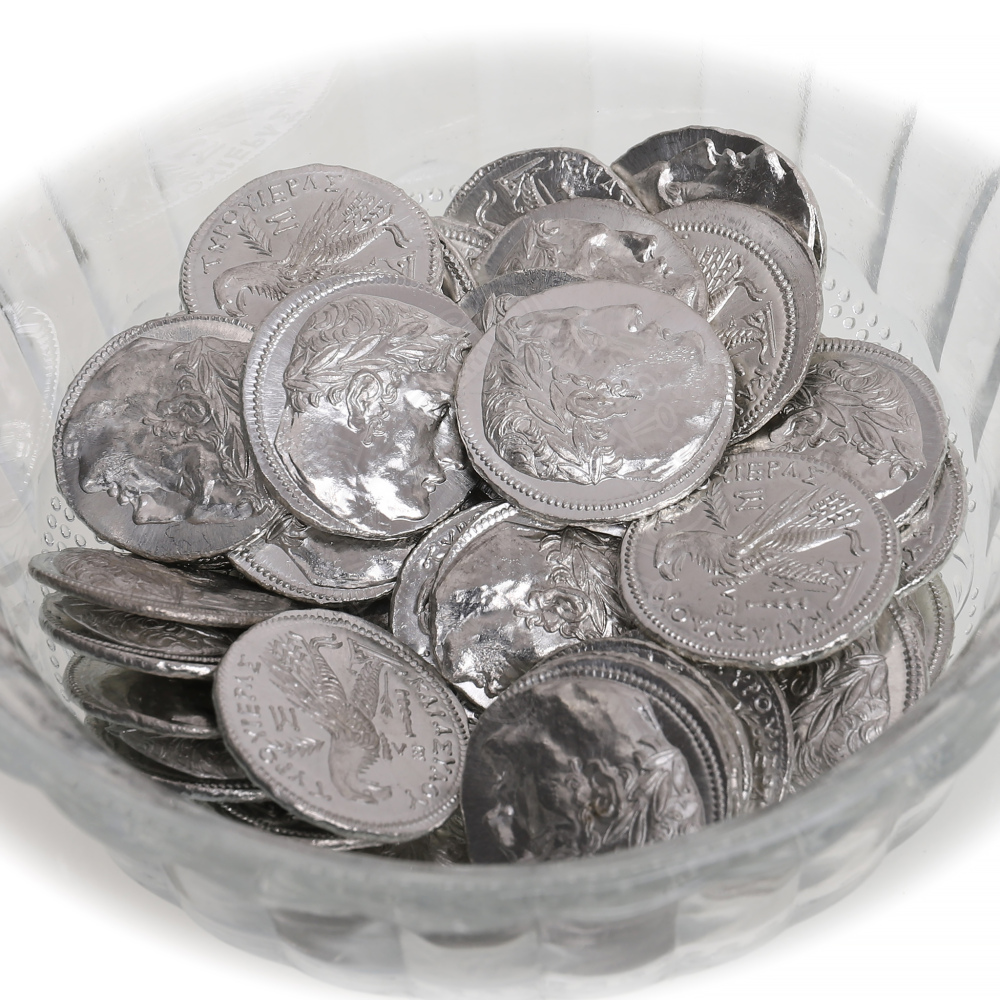
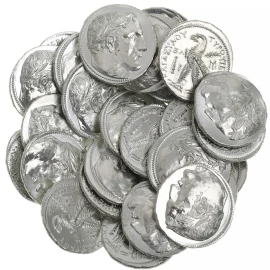
This product is supplied as a set containing 10 or 100 coins (you can select the quantity in the menu). The larger pack is ideal for groups, theatre companies, churches for Passion plays, or for creating a truly large and impressive treasure hoard.
A Faithful Ancient Replica
This replica was struck in 2016 at the Mincovna Dukát mint. It is the work of medallist Vojtěch Dařbujan, who hand-engraved the dies based on historical originals. The minting in tin faithfully imitates the look and feel of the original silver coins.
Replica's Technical Specifications:
| Material | Tin |
| Diameter | approx. 23.9 mm |
| Thickness | approx. 3.1 mm |
| Weight | approx. 6 g |
How to Care for Your Shekel
The replica is made of tin, which is softer than silver. Protect it from scratches and drops. For cleaning, use only a dry, soft cloth. Store in a dry place. Warning: This product is not suitable for children under 3 years of age.
We are here for you!






.3773623034.1696456237.png.webp)

.3773623034.1696456268.png.webp)
.3773623034.1696456247.png.webp)