 Čeština
 Deutsch


11th–12th Century Inscribed Bronze Ring
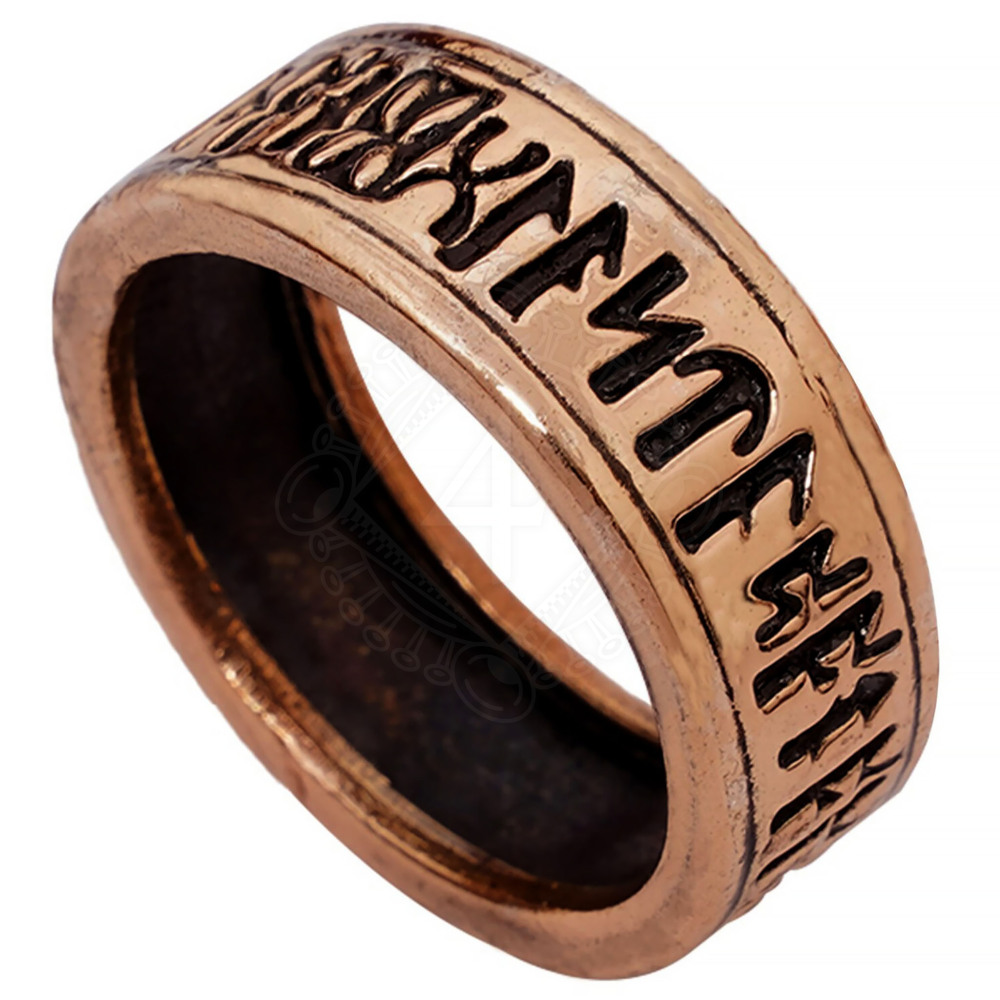
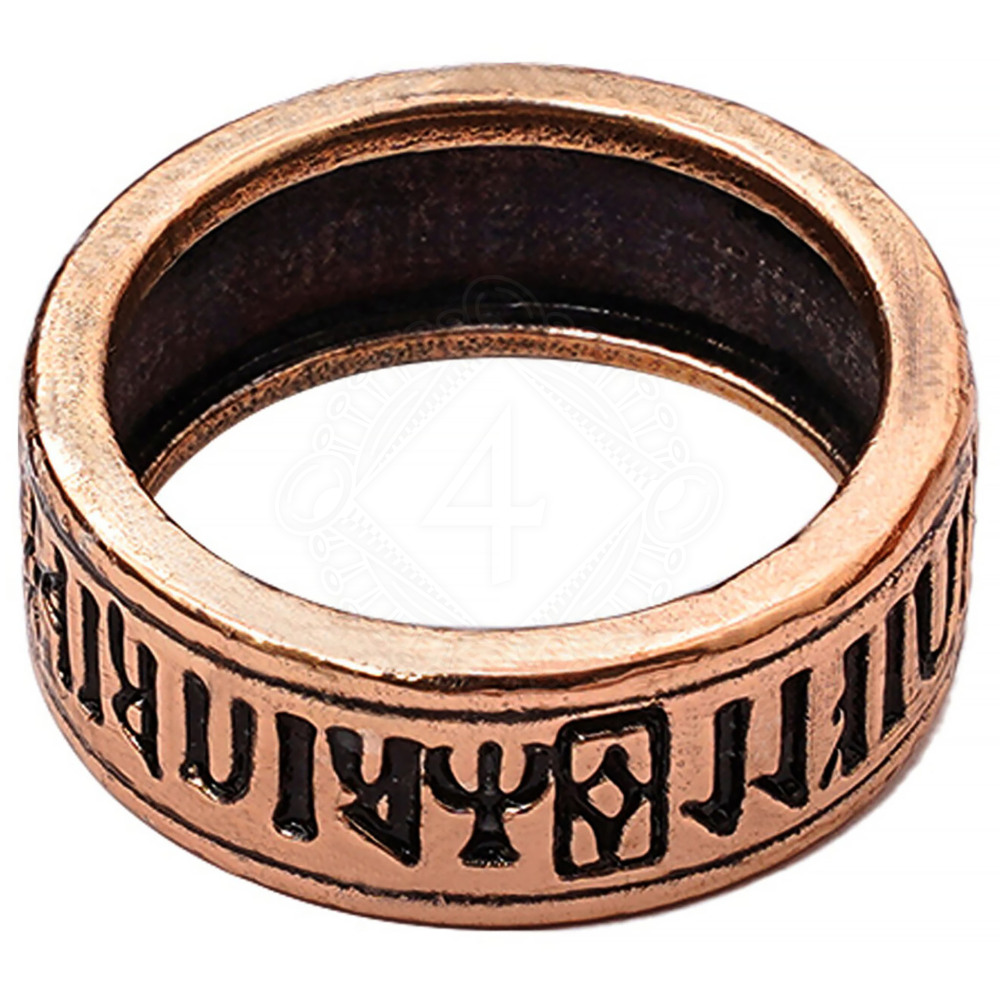
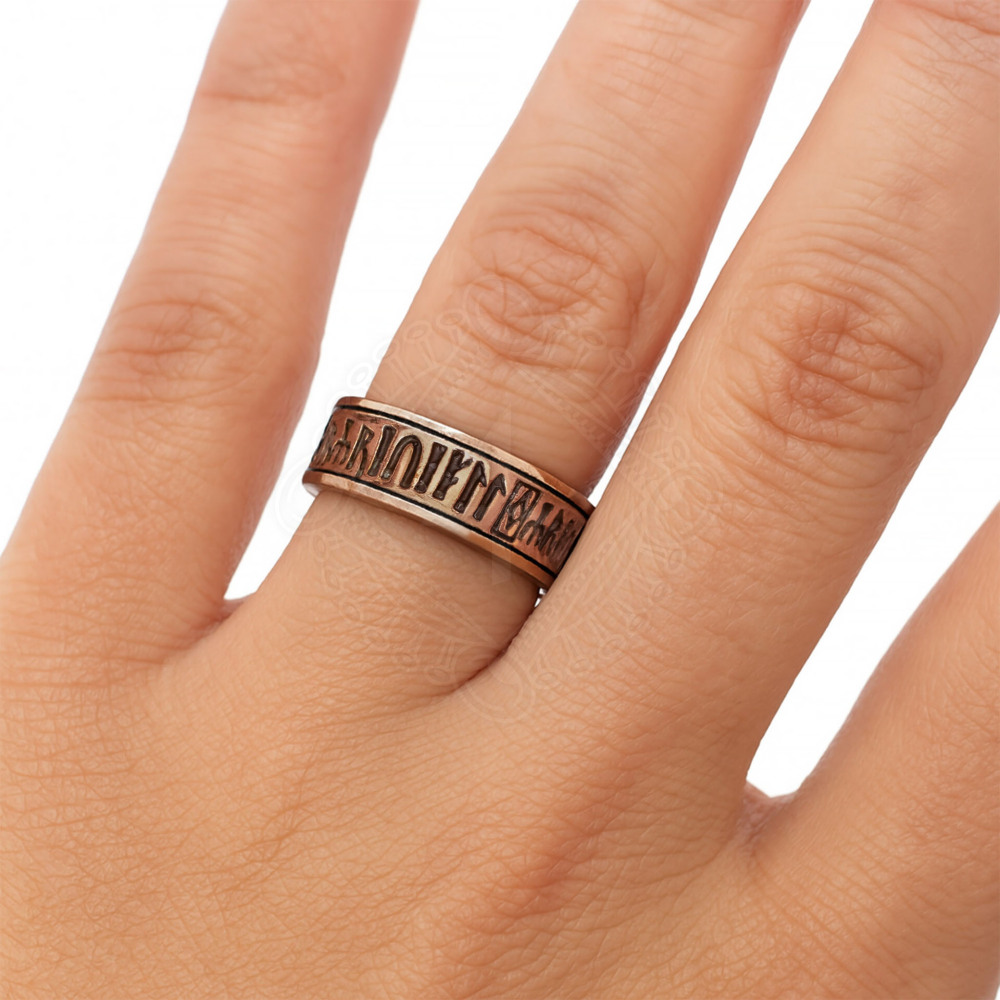
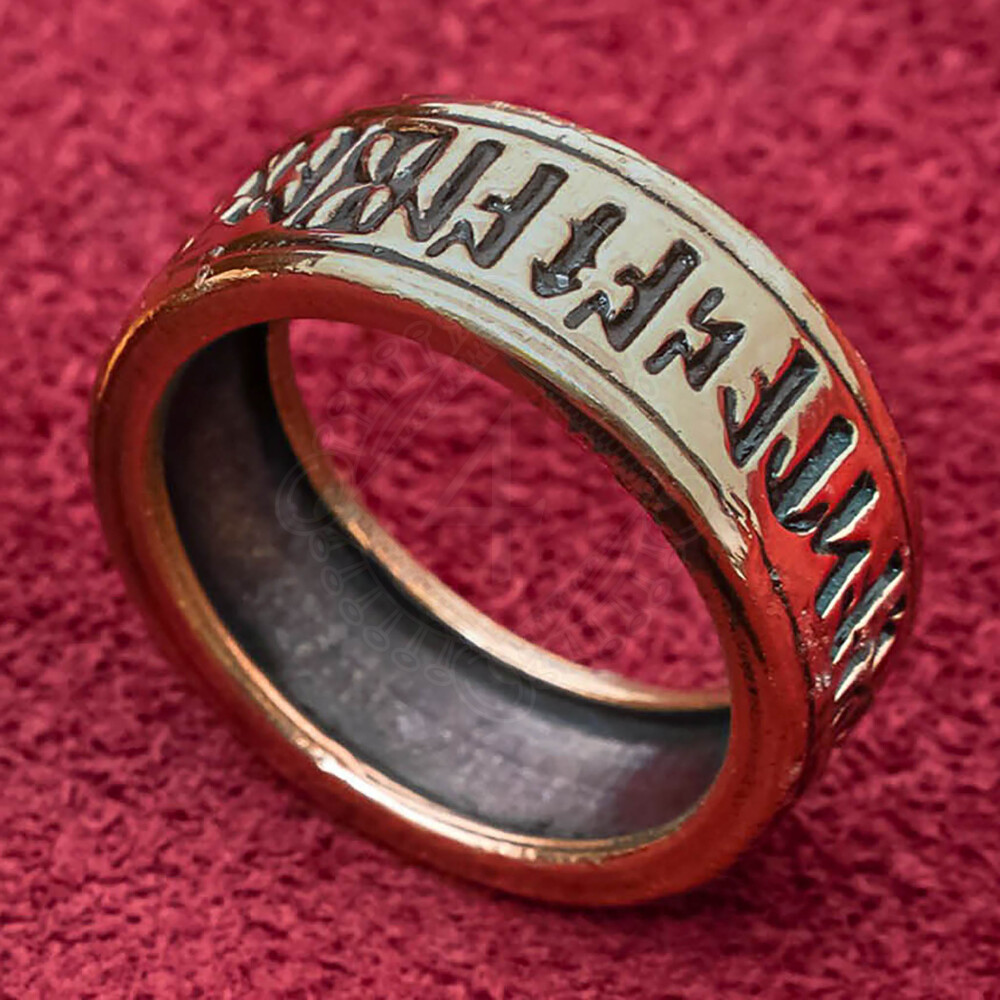

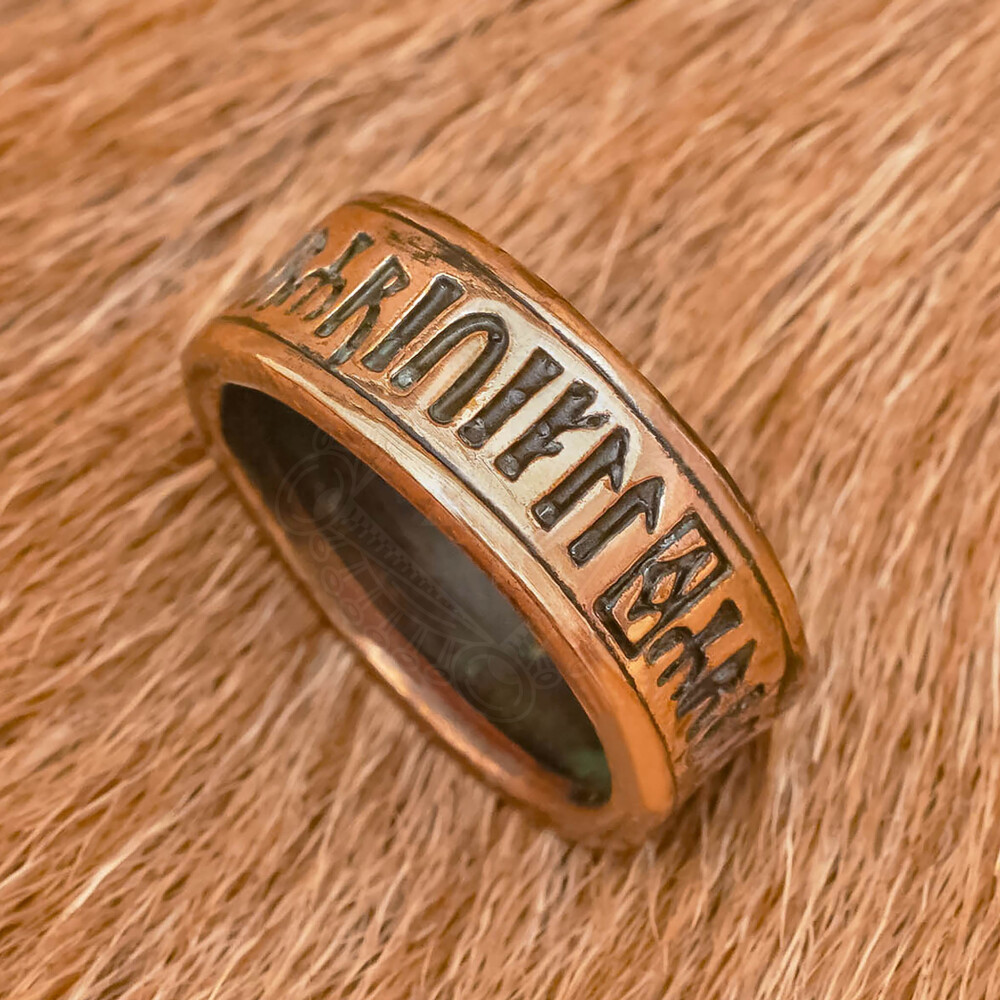

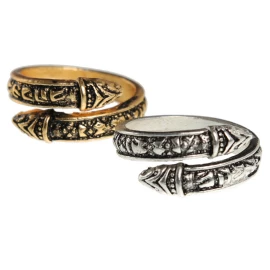
Adorn your finger with an authentic piece of history. This solid bronze ring is a faithful reproduction of jewellery from the High Middle Ages, specifically the 11th to 12th centuries. Its design is inspired by Western European styles, where similar rings were worn by monks, nobles, and scholars as a symbol of their faith, loyalty, or lineage. Each piece is unique, thanks to the traditional lost-wax casting method. Further product information ...

11th–12th Century Inscribed Bronze Ring
A Design Steeped in Mystery and History
At first glance, the ring captivates with its substantial and wide band, which lends it a sense of gravitas and historical authenticity. An inscription in a raised, early Gothic script encircles its entire circumference, its precise meaning remaining a mystery. The letters are meticulously crafted and stand proud from the surface, a characteristic result of the lost-wax casting (cire perdue) method. This ancient technique ensures that every ring has unique, minor textural variations. The surface is finished with a natural patina that accentuates the details of the script and gives the ring an antiqued appearance. In contrast, the inner wall is perfectly smooth, ensuring maximum comfort when worn.
A Symbol of Power, Faith, and Loyalty
In the Middle Ages, rings were more than mere decoration; they were powerful symbols. Pieces like this served as ceremonial or devotional rings. The inscriptions often featured prayers, the names of saints, or personal mottos intended to protect the wearer or remind them of their vows. They could also function as oath rings, affirming a promise or allegiance to a lord, or as a sign of belonging to a particular family or fraternity. By wearing this ring, you connect with an ancient tradition where jewellery was a vessel for profound personal or spiritual meaning.
A Glimpse into History
Did you know that in the High Middle Ages, inscribed rings were immensely popular across all social classes? While gold and silver rings with intricate engravings were the preserve of the nobility and clergy, bronze and pewter versions were also accessible to wealthier townspeople and artisans. They often bore Latin phrases such as "Amor Vincit Omnia" (Love Conquers All) or "In Nomine Patris" (In the Name of the Father), attesting to the deep piety of the society at the time.
How to Wear and Care for Your Ring
This ring is a striking accessory that will perfectly complement a historical costume, but it also looks superb as an original piece of jewellery for everyday wear. To preserve its beauty for as long as possible, please follow a few simple guidelines.
- Cleaning: Only clean the ring with a soft, dry cloth.
- Storage: When not in use, store it in a cloth pouch or jewellery box to prevent scratches.
- Please Note: Under no circumstances should you use aggressive chemical cleaners, polishing pastes, or abrasive materials. Doing so would destroy the valuable patina that gives the ring its historical character. You should also protect it from prolonged contact with water, soap, or acids.
Product Specifications
| Material | Solid Bronze |
| Crafting Technique | Lost-wax casting (cire perdue) |
| Era | 11th – 12th Century (High Middle Ages) |
| Inner Diameter | 2.2 cm |
| Band Width | Approx. 10.35 mm |
| Finish | Natural patina |
We are here for you!


.2152382459.1712908906.jpg.webp)