 Čeština
 Deutsch


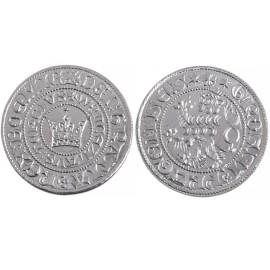
Joachimsthaler Quarter Thaler: A Replica Coin with an Antique Finish, 28,3 mm
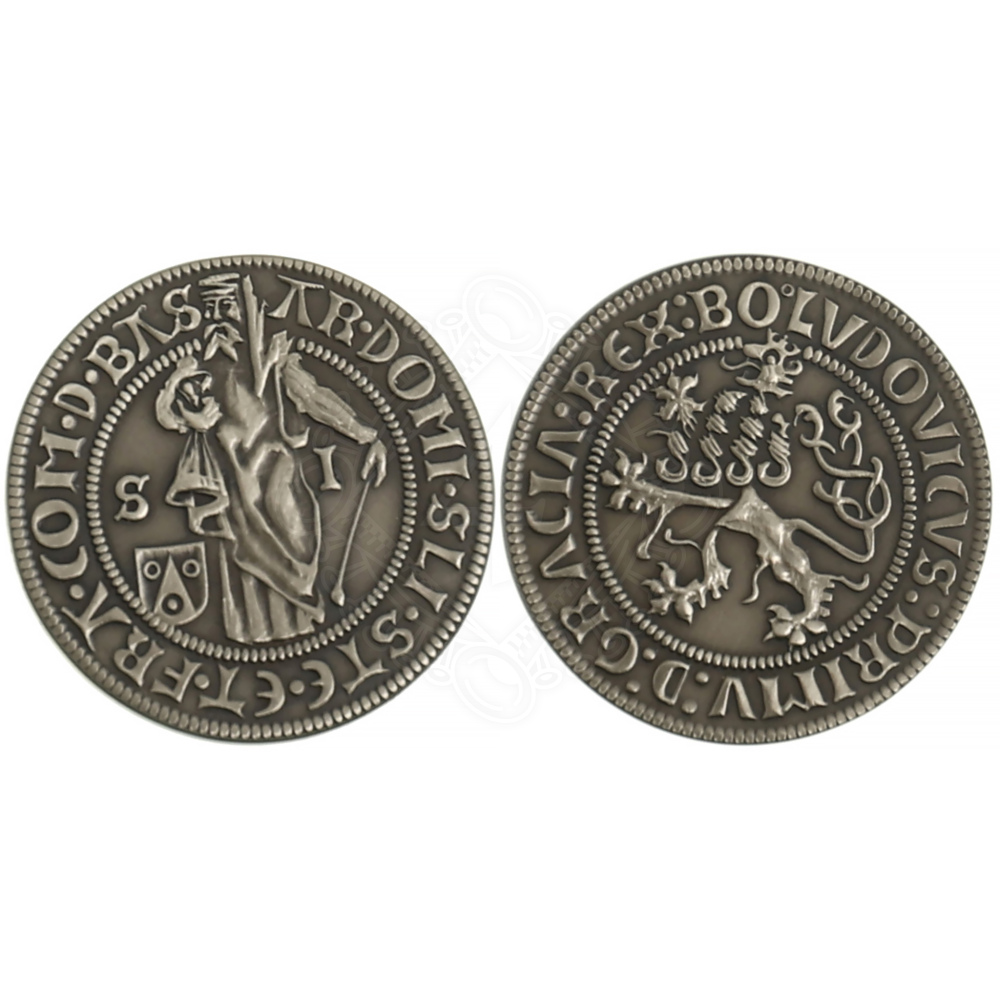
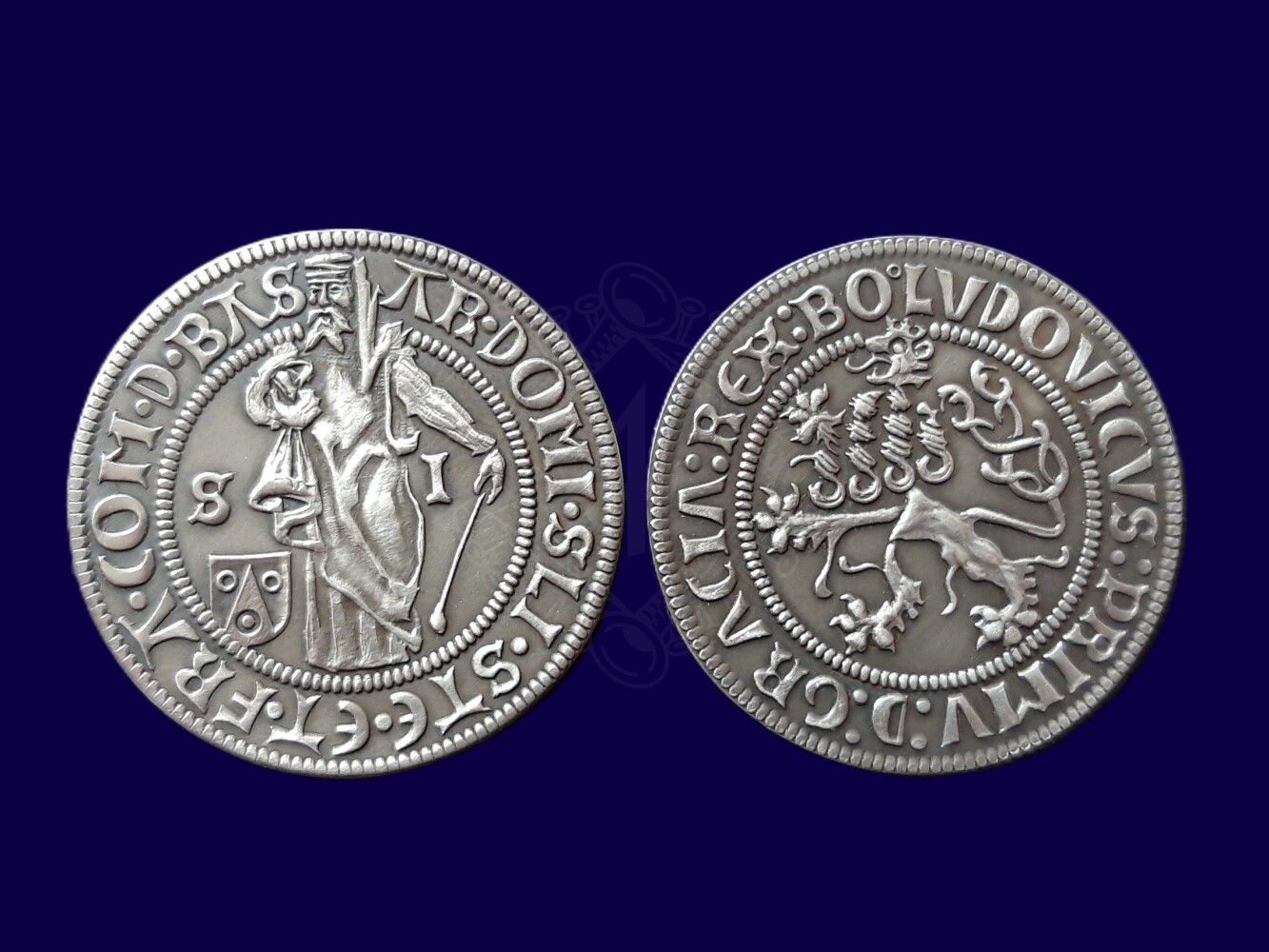
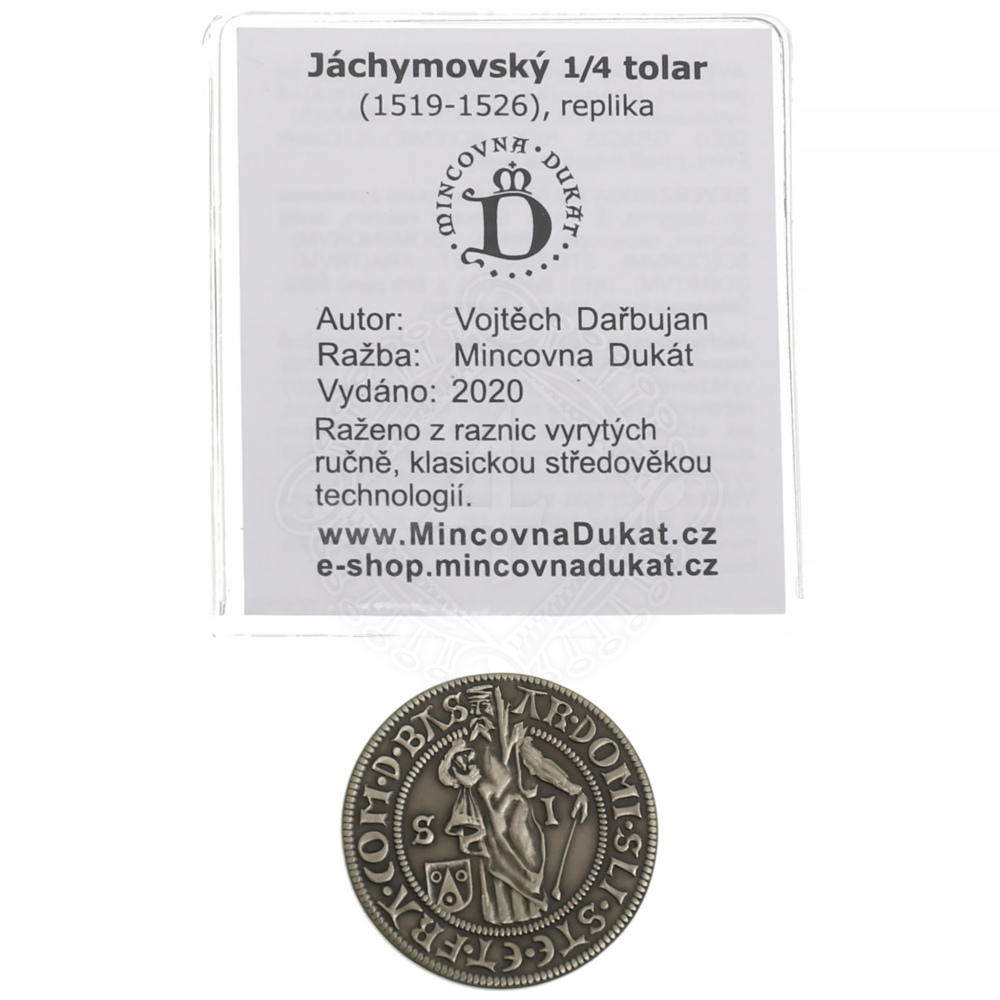
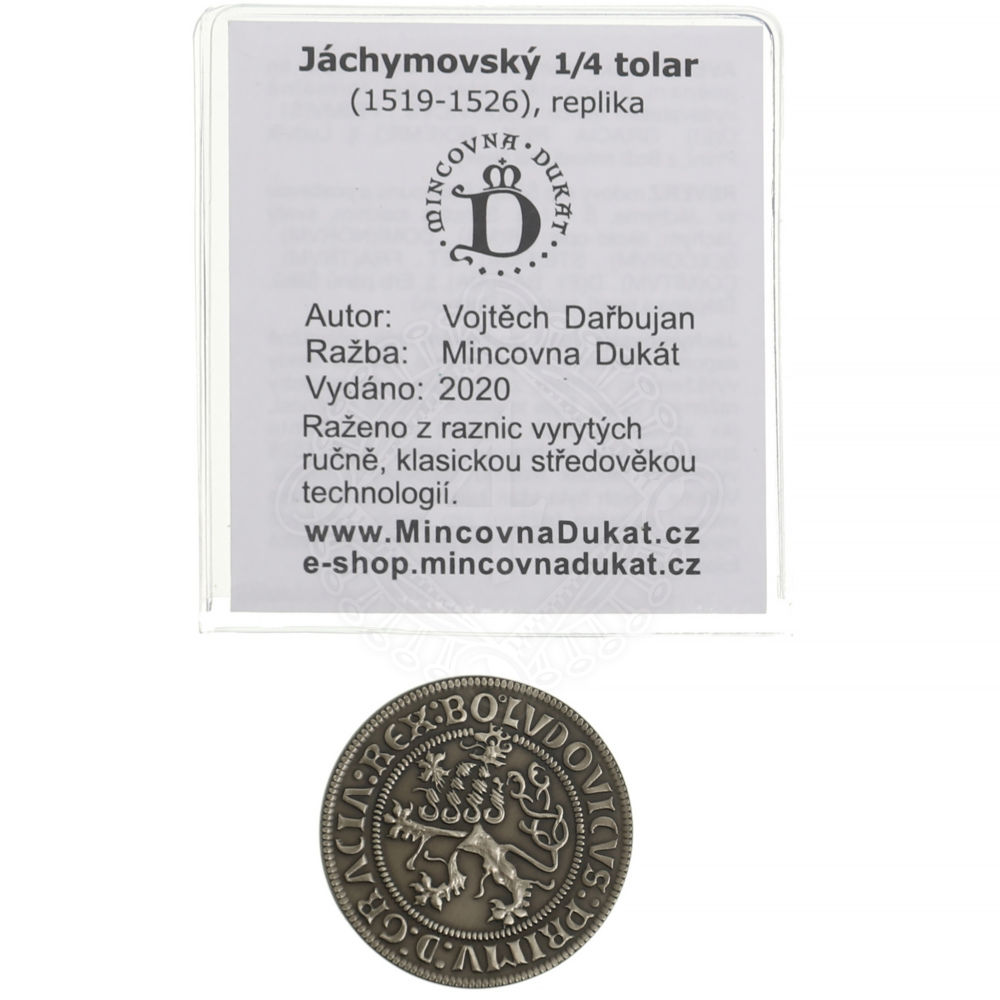

Do you want a pouch full of coins that look like they just fell out of a Renaissance merchant's chest? This high-quality replica of the Joachimsthaler Quarter Thaler is made from German silver (alpaca) and features a hand-applied patina, giving it an incredibly authentic, old-silver appearance. This is a coin with a story that changed the world—the story of how the "dollar" got its name. Further product information ...

Joachimsthaler Quarter Thaler: A Replica Coin with an Antique Finish (The Ancestor of the Dollar), 28,3 mm
Authentic Old-Silver Look for LARP and Reenactment
Unlike shiny, modern restrikes, this reproduction coin is crafted for maximum historical accuracy. It's struck using traditional techniques from hand-engraved dies into German silver (also known as alpaca silver), an alloy of copper, nickel, and zinc that has a similar color and weight to real silver. Each piece is then hand-patinated to achieve a believable, antiqued look. The final surface is treated with a varnish to protect the patina.
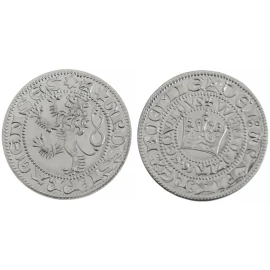
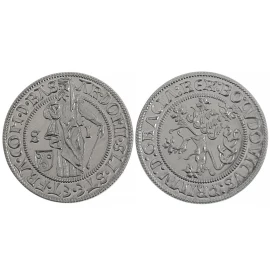
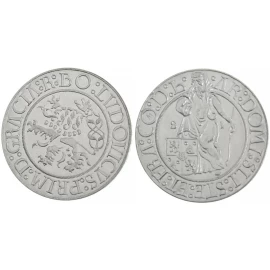
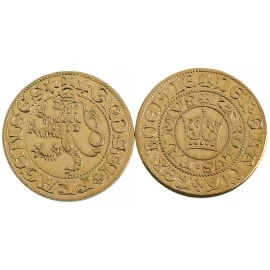
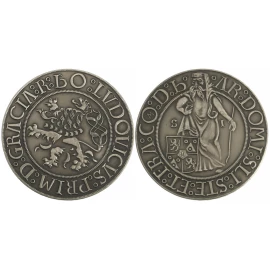
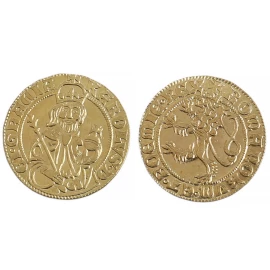
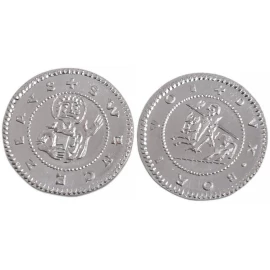
- Obverse (Front): Features the Bohemian coat of arms—a lion—and the inscription with the name of the coin's formal issuer: LUDOVICVS PRIMVS DEI GRACIA REX BOEMIE (Louis I, by the Grace of God, King of Bohemia).
- Reverse (Back): Depicts Saint Joachim, the patron saint of miners, holding the coat of arms of the House of Schlick, the family behind both the discovery of the silver and the minting of the thalers. The inscription reads: ARMA DOMINORVM SLICORVM STEFANI ET FRATRVM COMITVM DE BASAIA (Coat of arms of the Lords of Schlick, Stephen and his brothers, Counts of Bassano).
A Prop Coin with a Story to Tell
Thanks to its antiqued finish, the coin looks like a genuine historical artifact that has passed through many hands. It is therefore the perfect accessory for LARP (Live Action Role-Playing) and historical reenactment, where authenticity and a believable costume are paramount. It also serves brilliantly as a prop for film and theater or as a unique collector's item that doesn't feel like a cheap trinket.
The Coin That Gave the Dollar Its Name
At the beginning of the 16th century, the Counts of Schlick discovered a fantastically rich silver deposit in the Ore Mountains near Joachimsthal (Czech: Jáchymov). They obtained minting rights from King Louis II of Hungary and Bohemia (1516–1526) and began to strike large silver coins of exceptional quality. These coins, called "Joachimsthalers," quickly gained fame throughout Europe. Their name was soon shortened to **"Thaler,"** which became a generic term for any large silver coin. Centuries later, this name evolved into the American "Dollar."
Coin Specifications
| Ruler | Louis II (formally) |
| Issuer | House of Schlick |
| Period of Minting | Based on original from 1519–1526 |
| Denomination | Joachimsthaler 1/4 Thaler |
| Material | German Silver (Alpaca Silver) |
| Finish | Hand-applied patina, varnished |
| Diameter | approx. 28,3 mm |
| Weight | approx. 10,0 g |
| Thickness | approx. 2 mm |
| Availability | 1 piece |
How to Care for Your Patinated Coin
This coin is sealed with a clear varnish to protect the hand-applied patina. Therefore, never polish the coin with metal cleaners! Doing so would remove not only the protective varnish but also the patina, destroying its unique, time-worn appearance. For routine cleaning, simply wipe off dust or dirt with a dry or slightly damp soft cloth.
Disclaimer
This is an artistic reproduction coin, not legal tender. The coin is not intended for consumption. Due to its small size, this product is not suitable for children under 3 years of age due to the risk of inhalation or swallowing.
We are here for you!