
 Čeština
 Deutsch


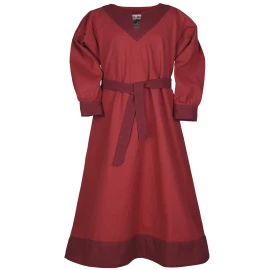
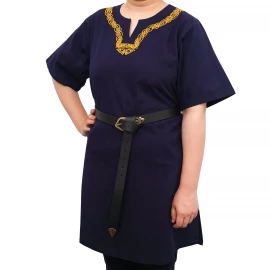
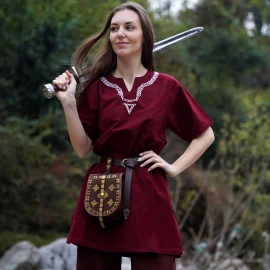
Viking Tunic 'Ragnar' with Celtic Embroidery, Cotton
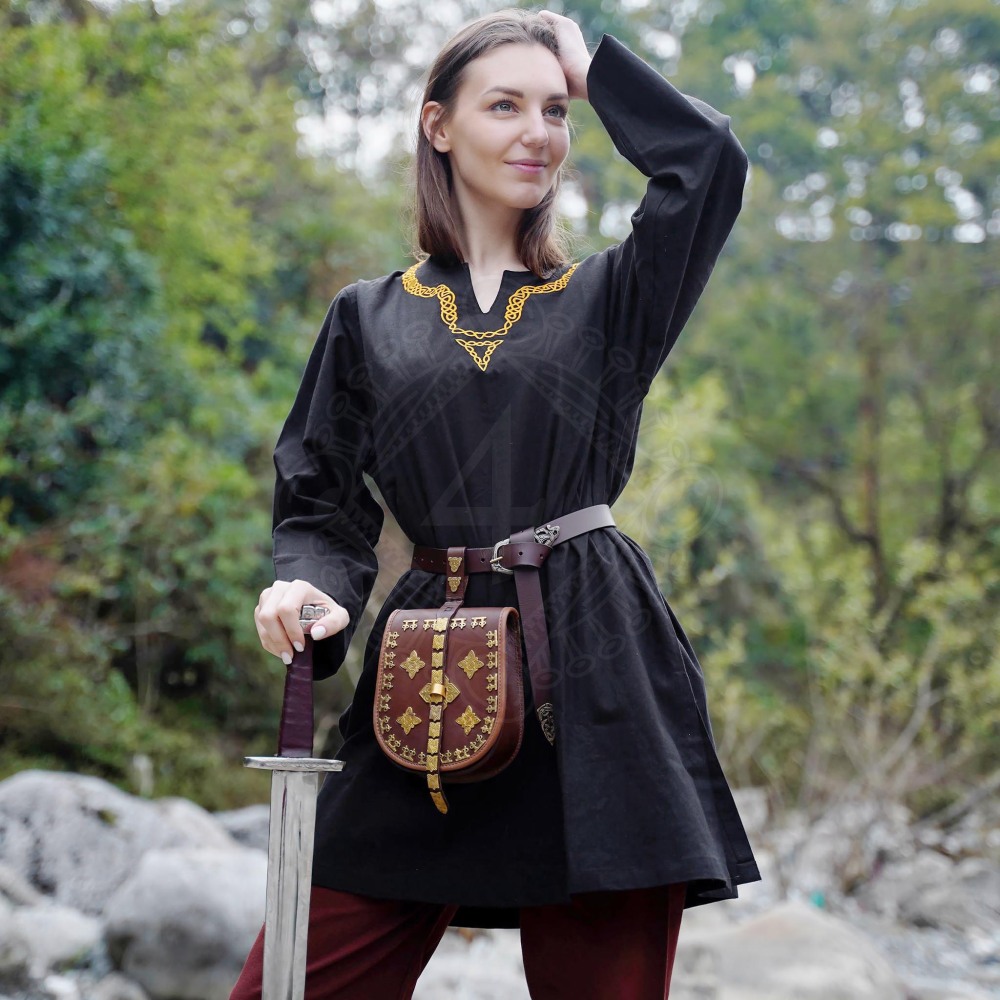
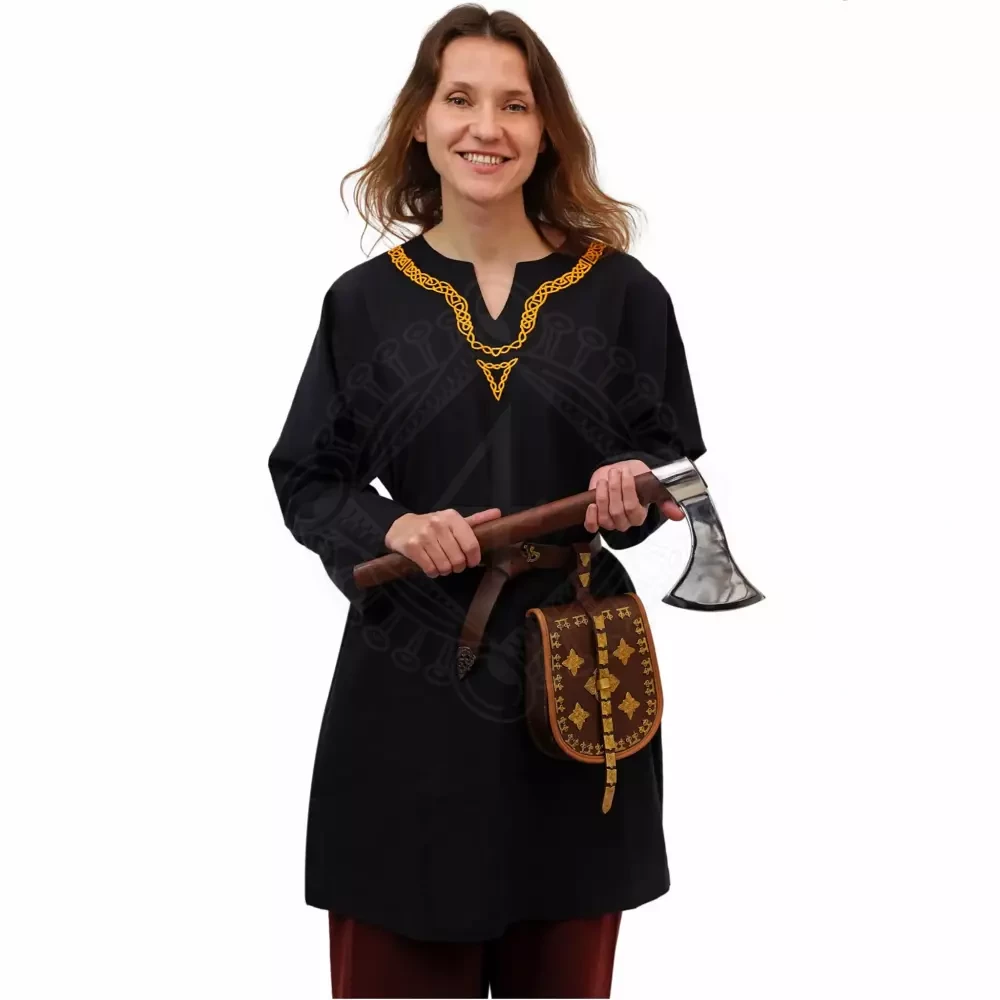
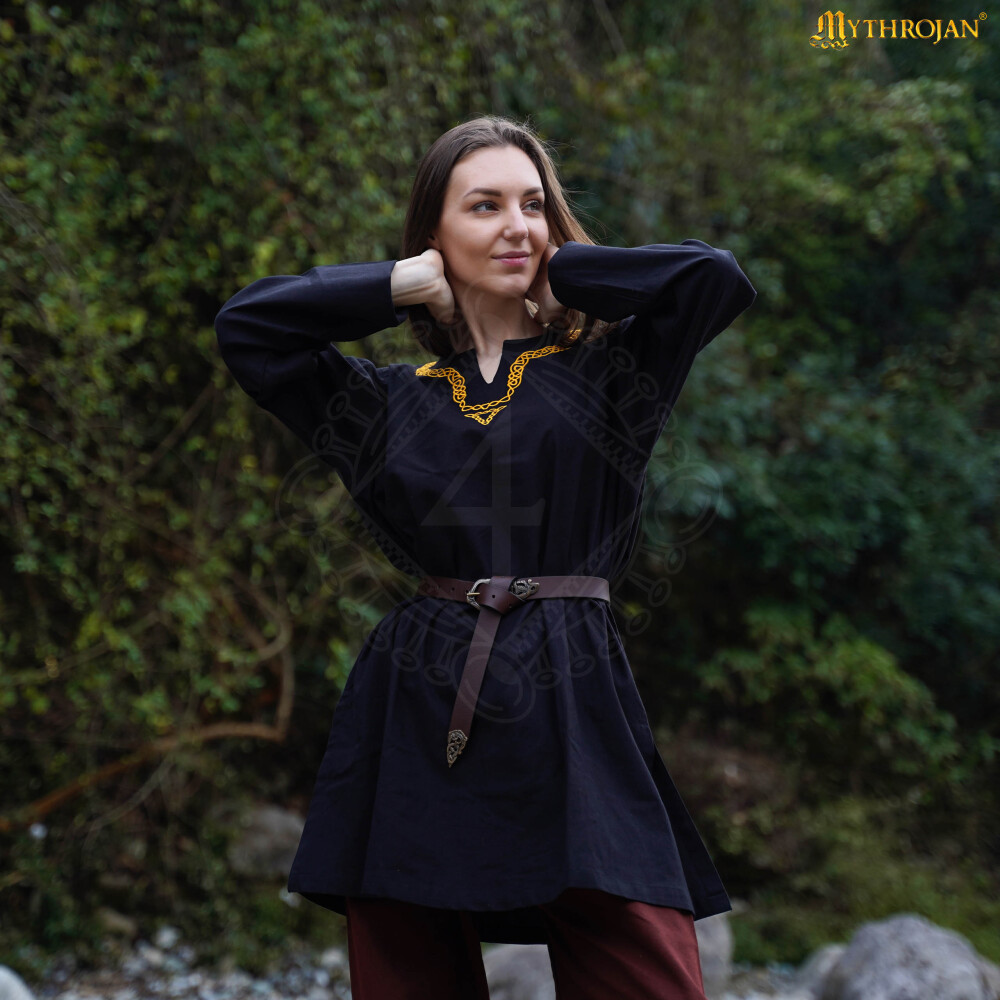
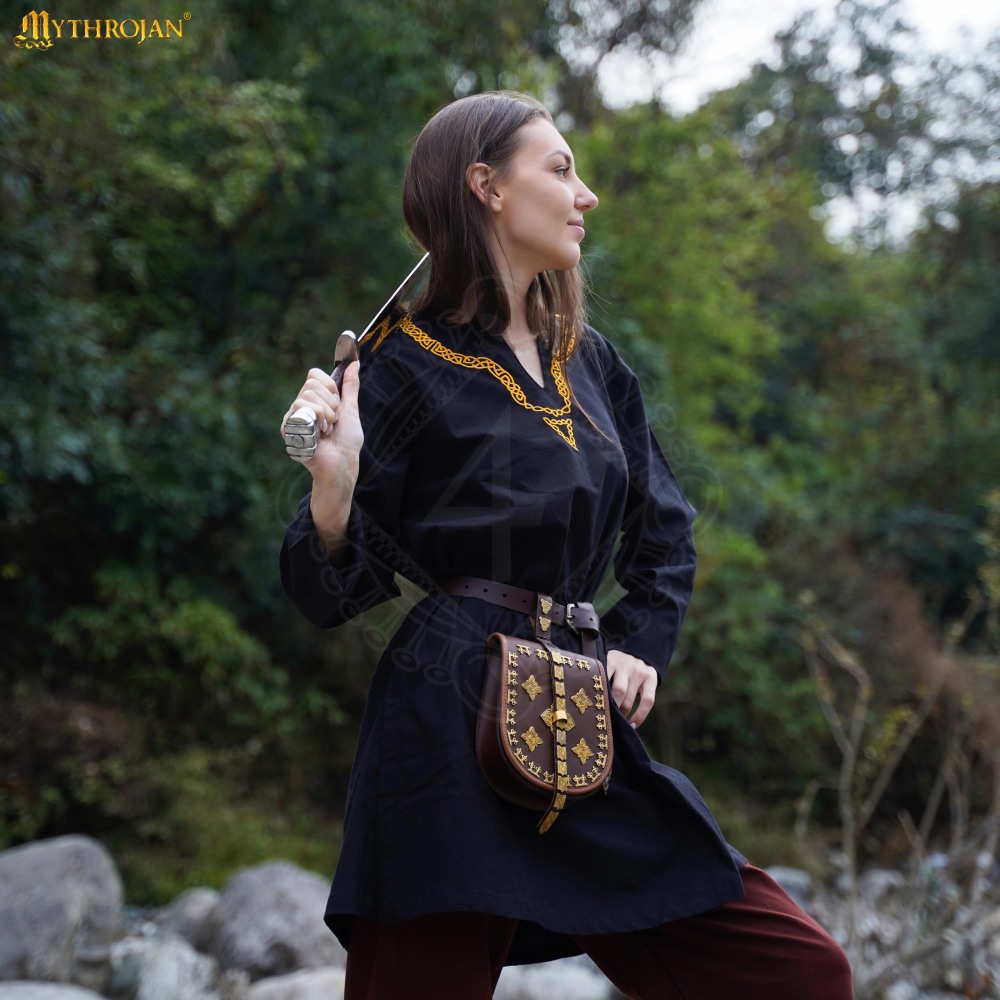
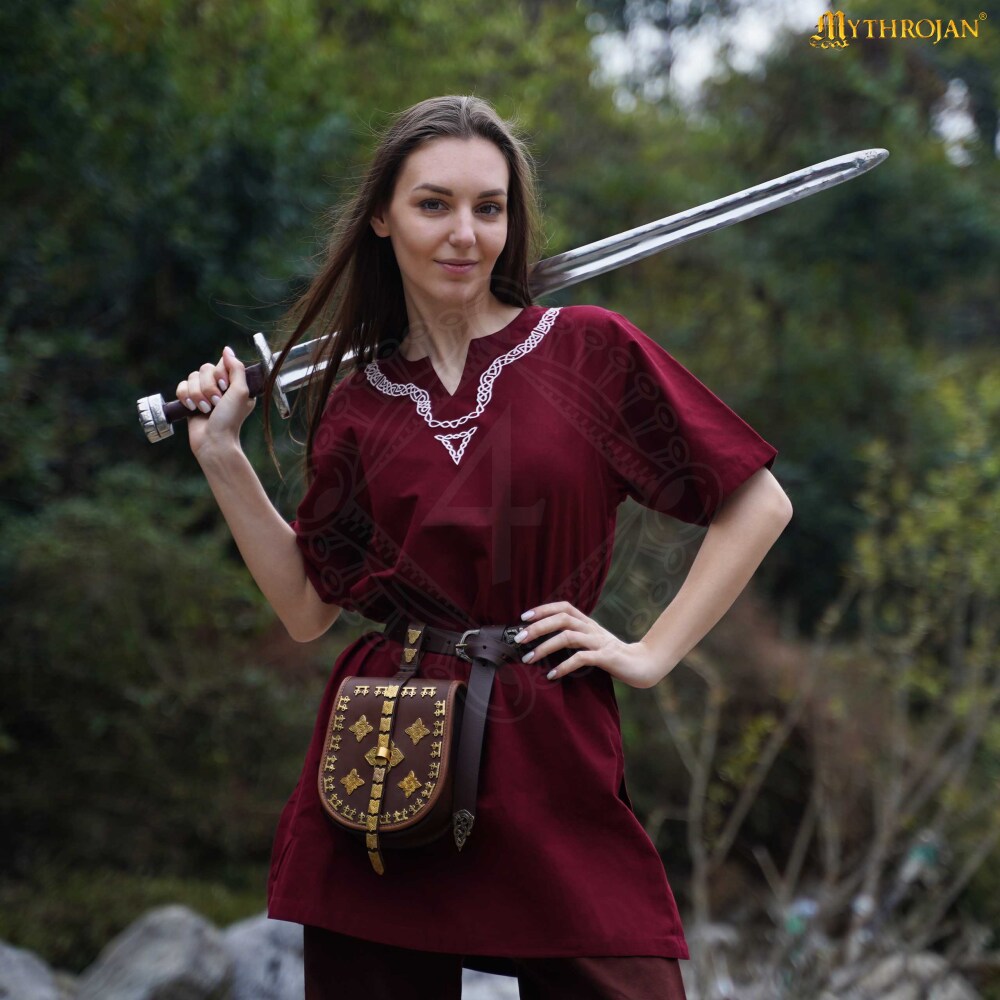

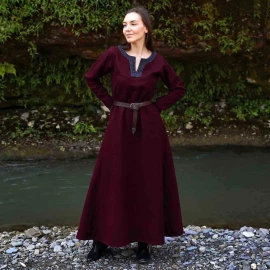
Step into the world of ancient Norse warriors and heroes with this stylish and comfortable Viking tunic. Made from high-quality, soft-to-the-touch cotton, it is adorned with intricate embroidery featuring a Celtic knot motif around the elegant V-neck. Whether you're heading to a historical festival, a LARP event, a reenactment, or simply looking for a unique piece for your wardrobe, this tunic is the ideal choice, combining an authentic look with modern comfort for all-day wear. Further product information ...

 Delivery options
The following variants are currently available:
Viking Tunic 'Ragnar' with Celtic Embroidery, Cotton
The Perfect Foundation for Your Historical Costume
This medieval tunic is incredibly versatile and serves as an excellent base for the costume of a Viking warrior, a Norman raider, an Anglo-Saxon thegn, or a Slavic nobleman. You can perfectly pair it with period trousers, a belt with a pouch, and leg wraps. Wear it on its own on warmer days, or as a base layer under a woollen tunic, gambeson, or chainmail in colder weather. It is an excellent choice for:
- LARP (Live Action Role Play) and Cosplay
- Historical and medieval festivals and fairs
- Reenactment and SCA (Society for Creative Anachronism) events
- Theatrical and film productions
- Themed parties and celebrations
Who Wore Tunics in History?
For centuries, from antiquity to the High Middle Ages, the tunic was an absolutely essential garment across all cultures and social classes throughout Europe. Germanic tribes, Vikings, Slavs, Normans, and Anglo-Saxons all wore various forms of tunics. Their length, material, and decoration varied according to status, wealth, and regional customs. While common people wore simple, undyed tunics of linen or coarse wool, the rich and powerful could afford garments made from fine fabrics like silk or imported wool, dyed with expensive pigments and decorated with complex embroidery and woven braids.
A Fun Fact from the Viking Age
Did you know that the colour and decoration of a tunic could reveal a great deal about its wearer at a glance? For instance, the deep red colour, one of the options for this tunic, was a sign of wealth and high status in the Viking era. It was obtained from safflower or the rarer madder root, which was costly. Embroidery, like that on this tunic, not only enhanced the aesthetic value of the garment but often contained symbolic motifs intended to bring the wearer luck in battle or protect them from evil.
Product Details
| Material | 100% Cotton |
| Embroidery | Machine embroidery (Celtic/Viking motif) |
| Available Colours | Burgundy Red, Black |
| Brand | Mythrojan® |
| Origin | Designed in the USA, made in Nepal |
Size Chart
Please measure your chest carefully and choose the correct size from the table below to ensure the tunic fits you perfectly.
| Size | Your Chest (in) | Your Chest (cm) | Sleeve Length (cm) | Total Length (cm) |
|---|---|---|---|---|
| S | 36 - 38 | 91.5 - 96.5 | 63.5 | 87.6 |
| M | 38 - 40 | 96.5 - 101.5 | 63.5 | 88.2 |
| L | 40 - 43.5 | 101.5 - 110.5 | 63.5 | 88.9 |
| XL | 43.5 - 47 | 110.5 - 119 | 64.7 | 91.4 |
| XXL | 47 - 51 | 119 - 129.5 | 64.7 | 93.9 |
How to Care for Your Tunic?
To ensure this beautiful cotton tunic serves you for as long as possible while retaining its original appearance, colours, and the shape of the embroidery, please follow these recommendations:
- Washing: It's best to wash it by hand or on a gentle cycle in the washing machine at a temperature up to 30°C (86°F). Use mild detergents for coloured fabrics.
- What to Avoid: Avoid aggressive spinning cycles, which could damage the embroidery. Never use chemical bleaches.
- Drying: Do not tumble dry! Dry it by hanging it loosely on a hanger, away from direct sunlight and heat sources, to prevent colours from fading and the material from shrinking.
- Ironing: Iron on the reverse side at a medium temperature (cotton setting). Be especially careful when ironing the embroidered area, ideally by placing another thin cloth over it to prevent damage.
We are here for you!





.3773623034.1696456237.png.webp)

.3773623034.1696456268.png.webp)
.3773623034.1696456247.png.webp)