 Čeština
 Deutsch


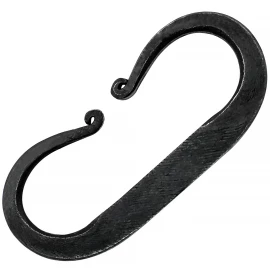
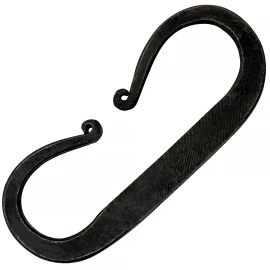
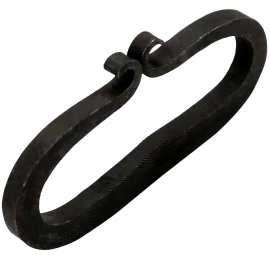
Hand-Forged Medieval High-Carbon Fire Steel
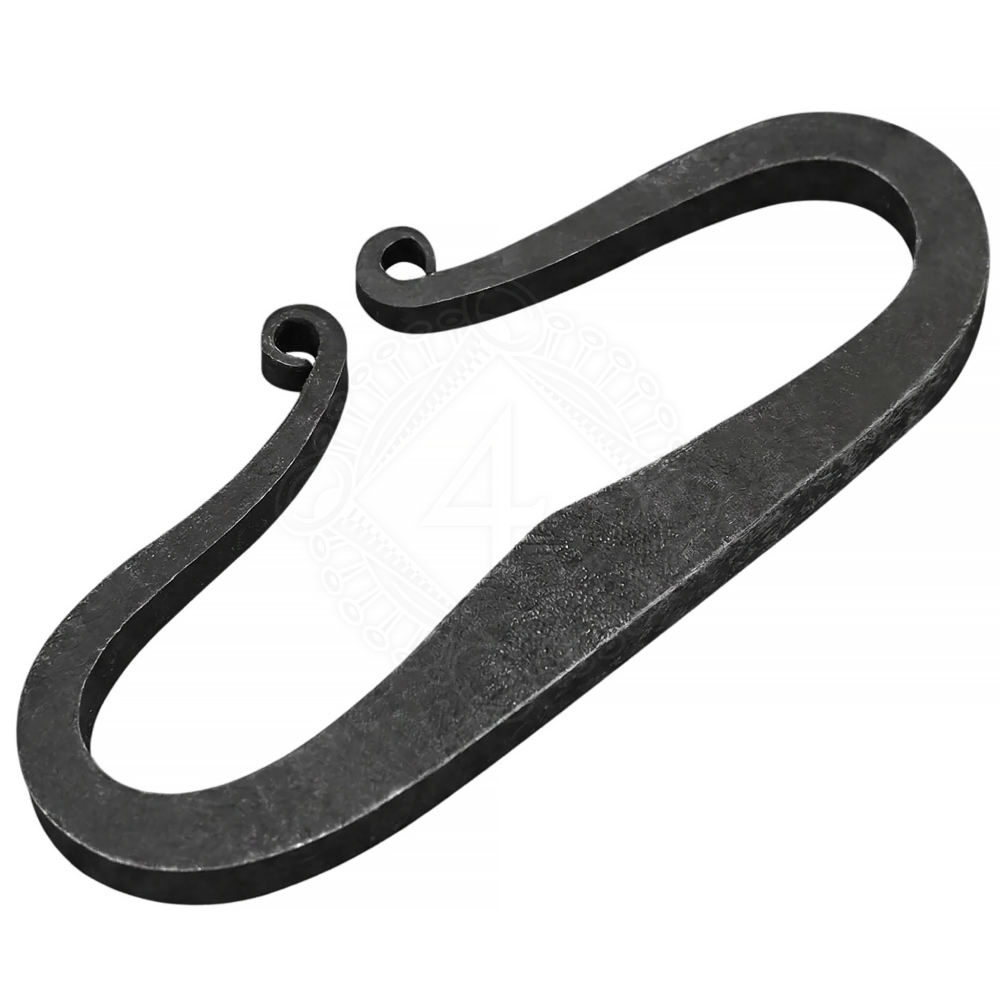
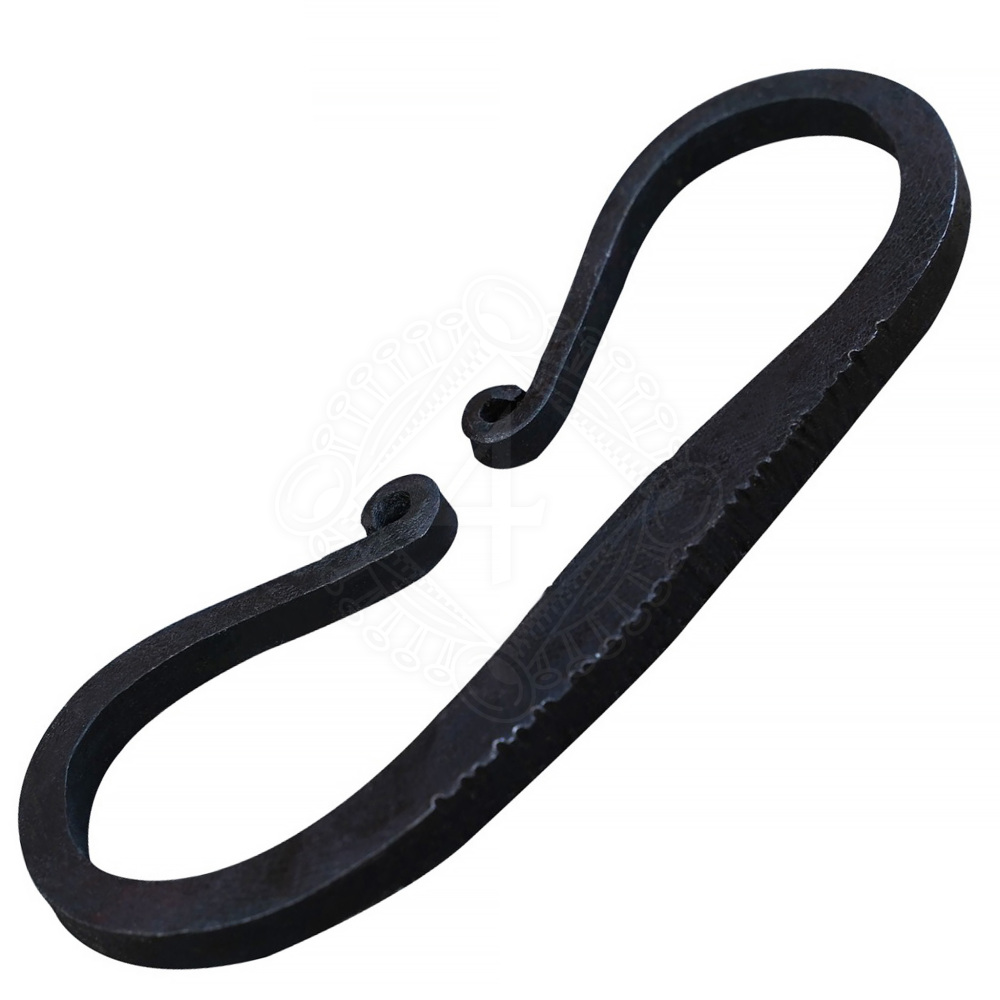
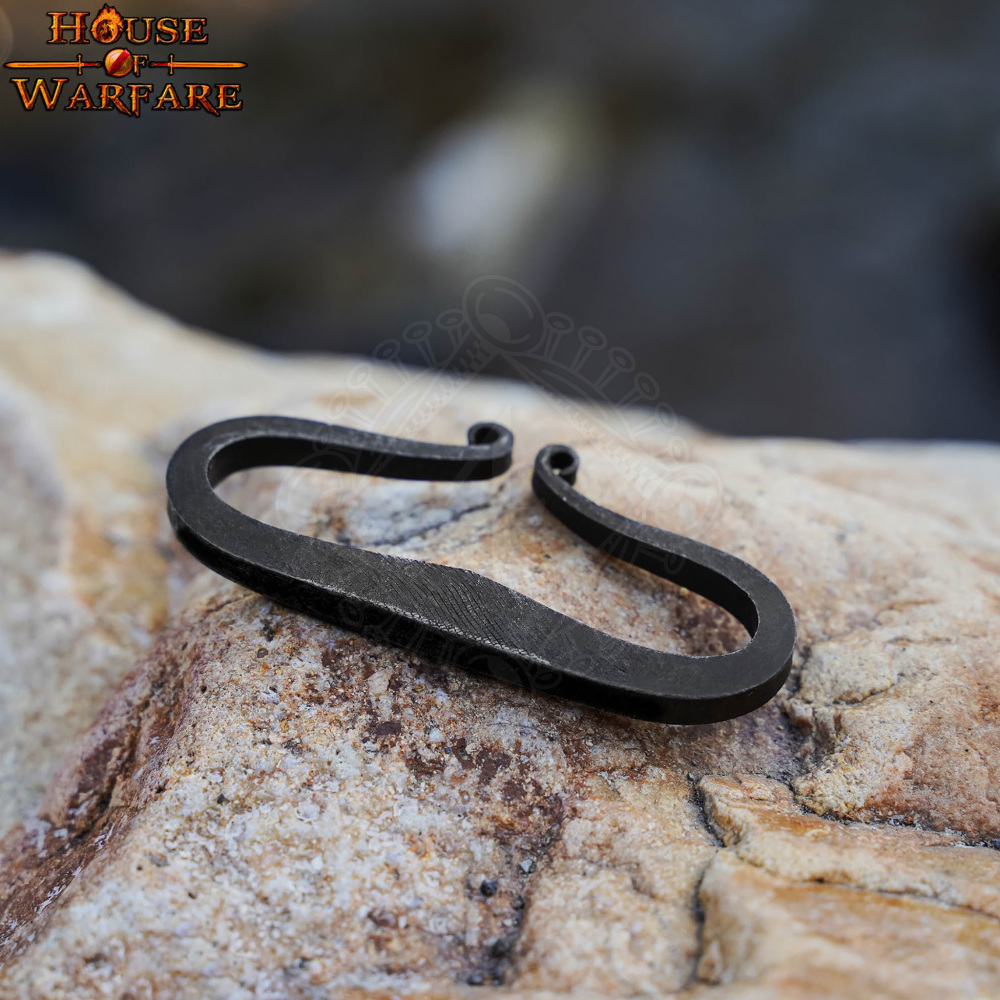
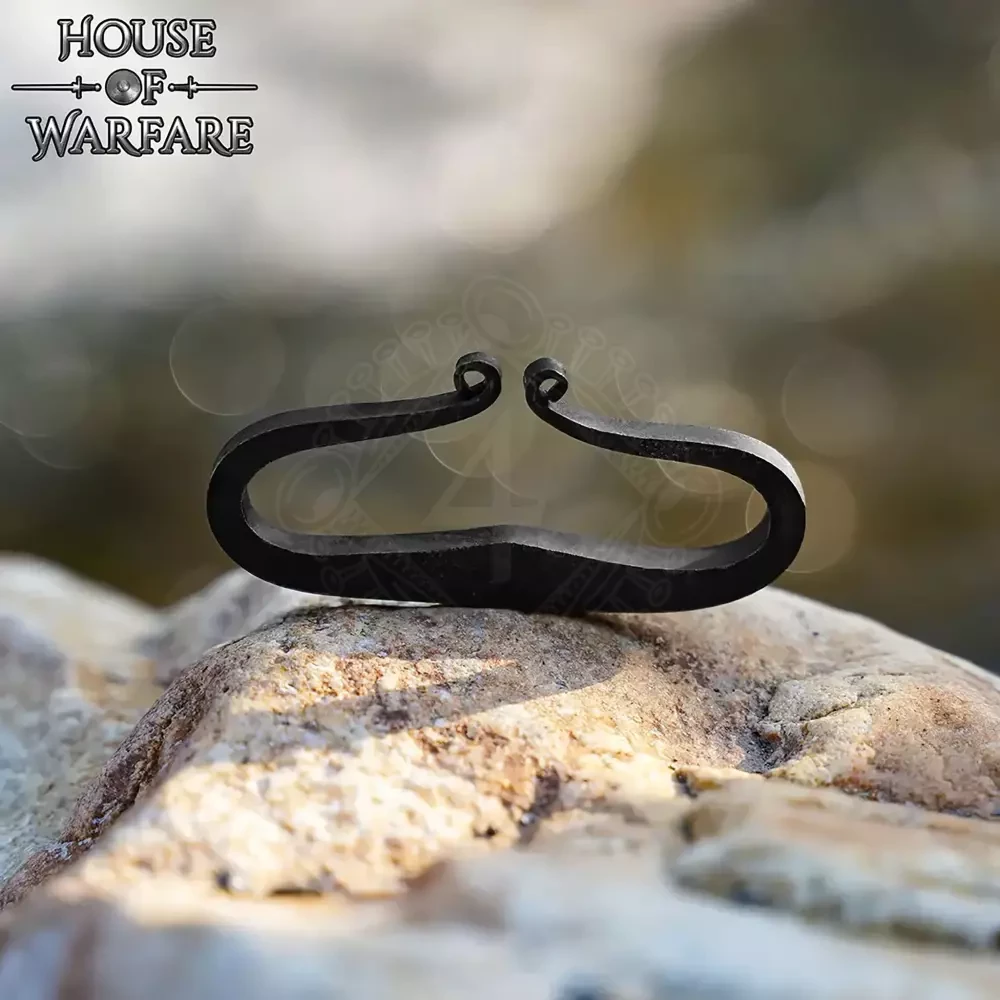
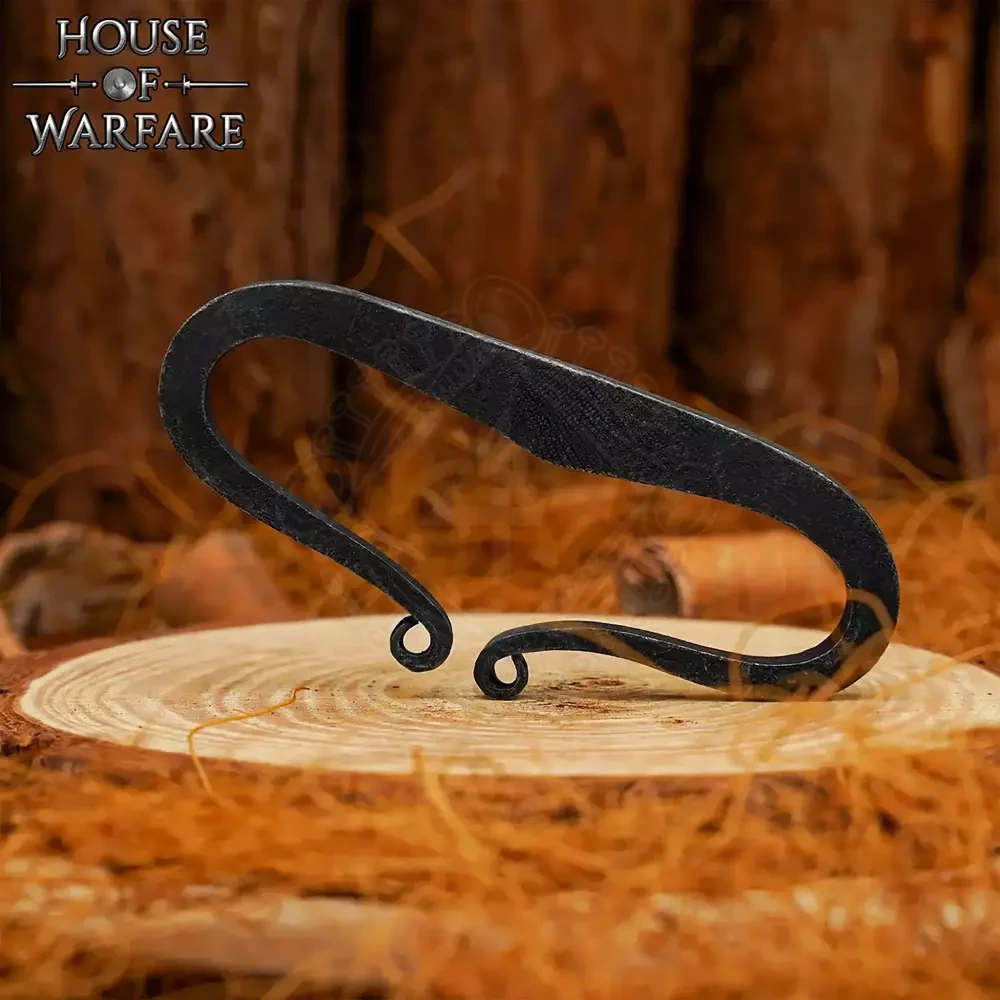

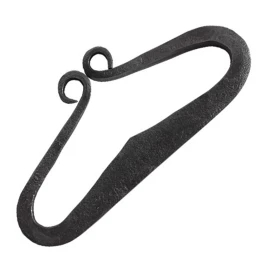
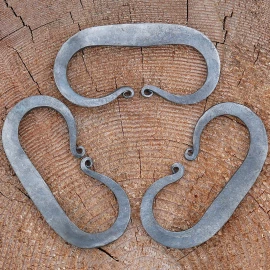
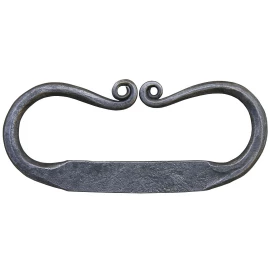
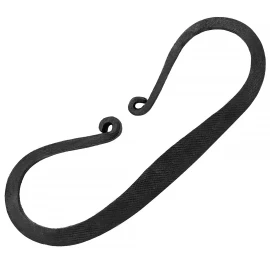
Do you want to experience the primal satisfaction of making fire exactly as our ancient ancestors did? This hand-forged fire striker is an absolute essential piece of kit for any serious historical reenactor, bushcraft enthusiast, and lover of living history. The classic medieval design with its elegantly curled ends not only looks perfectly authentic but also safely protects your fingers from sharp edges while striking. Crafted from carefully heat-treated high-carbon steel, this tool throws an impressive shower of hot sparks that will quickly and easily ignite your prepared tinder. Whether you are heading out to a weekend LARP event, a medieval historical festival, or setting up a wild camp in the deep woods, this reliable fire steel ensures you will never be left shivering in the dark. Further product information ...
Would you like to be notified as soon as the item is in stock?
You will receive a short e-mail as soon as we have it back in stock.
Hand-Forged Medieval High-Carbon Fire Steel for Authentic Fire Making
Historical Context and How It Works
The knowledge of making fire using a steel striker and flint was absolutely crucial for survival from the Iron Age right up until the mid-19th century, when modern friction matches became widely available. During the Middle Ages and the early modern period, nearly every man and woman carried a small leather pouch attached to their belt, containing a piece of hard stone, dry tinder, and a steel striker. The specific shape of this model, often referred to as a "lyre" or "C-striker", was widely used across Europe. The secret to generating sparks lies entirely in the material: while modern mild steel or stainless steel will not produce sparks, high-carbon steel is hard enough, yet brittle enough, to work. When struck aggressively against the sharp edge of a piece of flint, microscopic shavings of the steel are sheared off. The intense friction heats these tiny steel particles to their ignition temperature, creating the hot sparks necessary to catch a flame.
Instructions for Proper Use
Striking a fire requires a bit of practice and technique, but once you master the motion, it becomes an incredibly rewarding ritual. Follow these steps:
- Take a piece of hard, sharp rock (preferably flint, chert, or quartz) in one hand. Place a small piece of completely dry tinder (such as char cloth or a slice of amadou fungus) flat against the top surface of the stone, positioning the edge of the tinder right near the sharp edge of the rock.
- Grip the fire steel in your other hand, ensuring your knuckles are safely positioned behind the curled defensive ends of the steel.
- Using a swift, glancing, downward motion, strike the flat face of the steel against the sharp edge of the stone. The movement should feel more like "shaving" the steel off the rock rather than bludgeoning it.
- As soon as a hot spark lands on the tinder, it will begin to glow and smoulder. Carefully transfer the smouldering tinder into a pre-prepared tinder bundle (a "nest" made of dry grass, jute twine, or very fine wood shavings) and blow steadily and gently until it bursts into flames.
Technical Specifications
| Material | High-Carbon Steel (hardened for sparking) |
| Finish | Blacksmith's blackened finish (rust resistant) |
| Manufacturing Method | Hand-forged |
| Dimensions (L x W) | approx. 89 x 37 mm / 3.5 x 1.45 inches |
| Material Thickness | approx. 6.5 mm / 0.25 inches |
| Weight | 51 g / 1.8 oz |
Care Instructions and Safety Guidelines
Because this product is forged from steel with a high carbon content, it has a natural tendency to develop surface rust if exposed to atmospheric moisture. To ensure a lifetime of reliable use, always store your fire steel in a dry place. After returning from a damp environment, we highly recommend wiping the steel clean with a dry cloth and lightly coating it with a thin layer of gun oil, mineral oil, or beeswax to preserve it. Before your next fire-lighting session, simply wipe the oil off the striking surface.
Always exercise caution when making fire. Striking the steel against a hard stone can cause tiny, razor-sharp shards of flint to fly off; therefore, protecting your eyes is advised. Furthermore, the hot sparks can easily melt holes in modern synthetic outdoor clothing, so we strongly recommend practicing your fire-making skills while wearing traditional, natural garments made of wool, heavy linen, or leather.
We are here for you!