 Čeština
 Deutsch


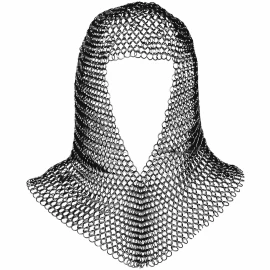
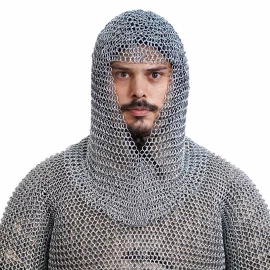
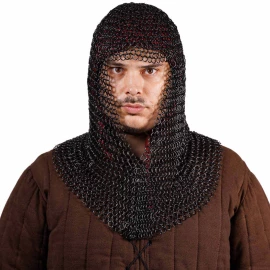
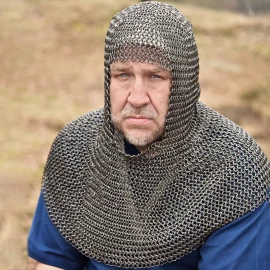
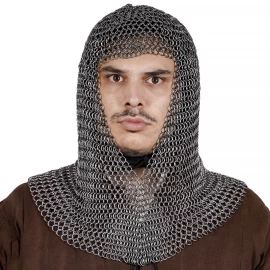
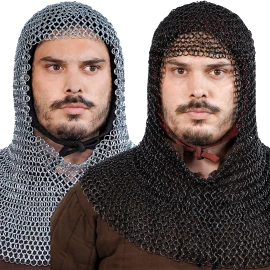
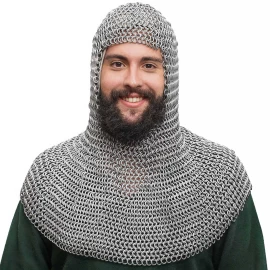
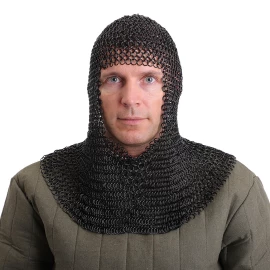
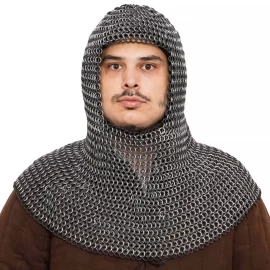
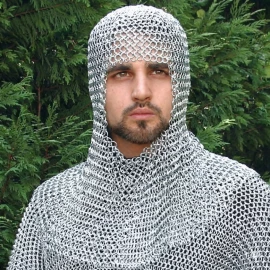
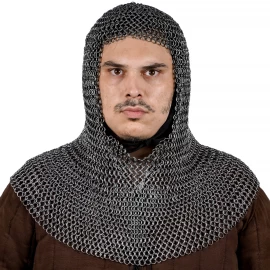
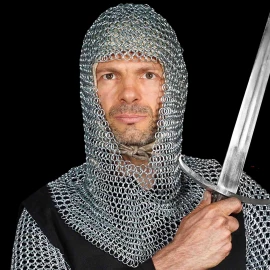
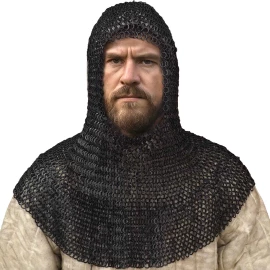
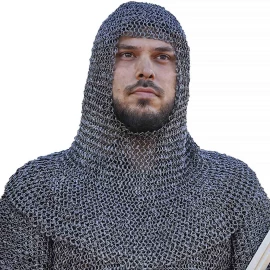
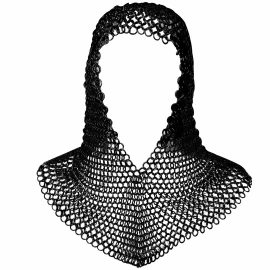
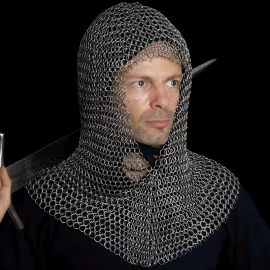
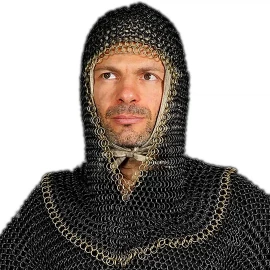
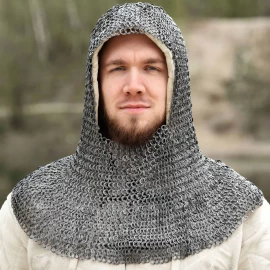
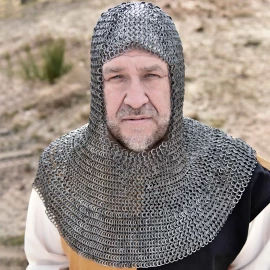
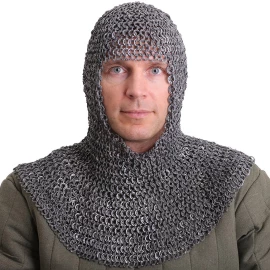
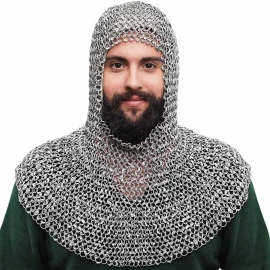
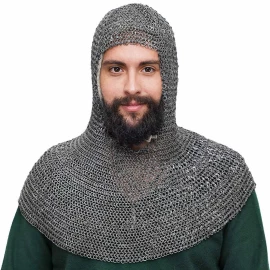
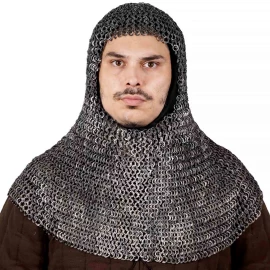
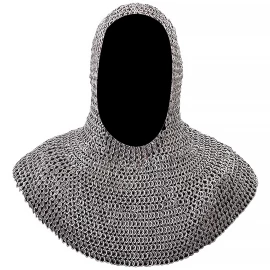
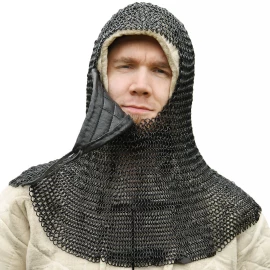
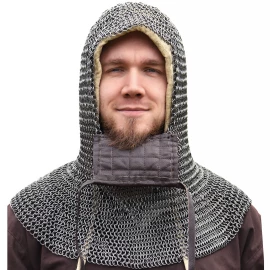
Chainmail Coif, 9 mm Flat Riveted/Solid Rings, Dome Rivets, Steel
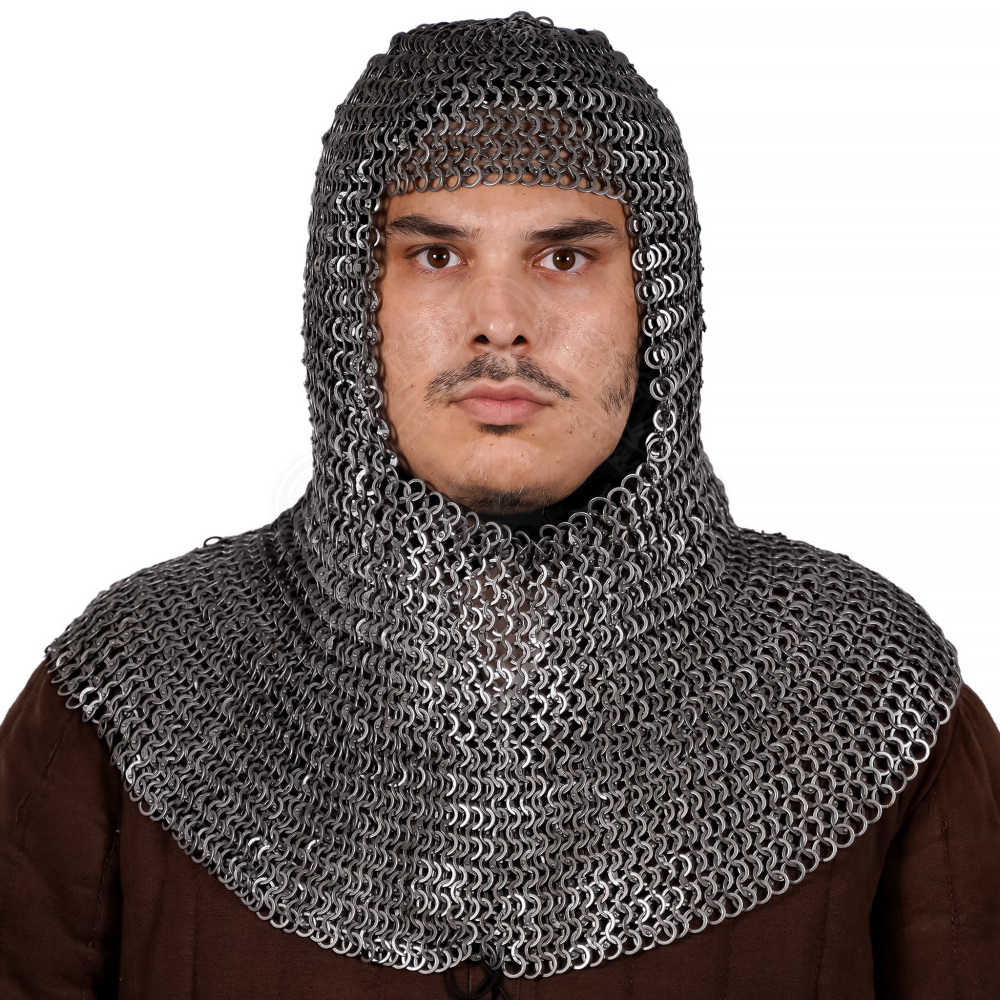
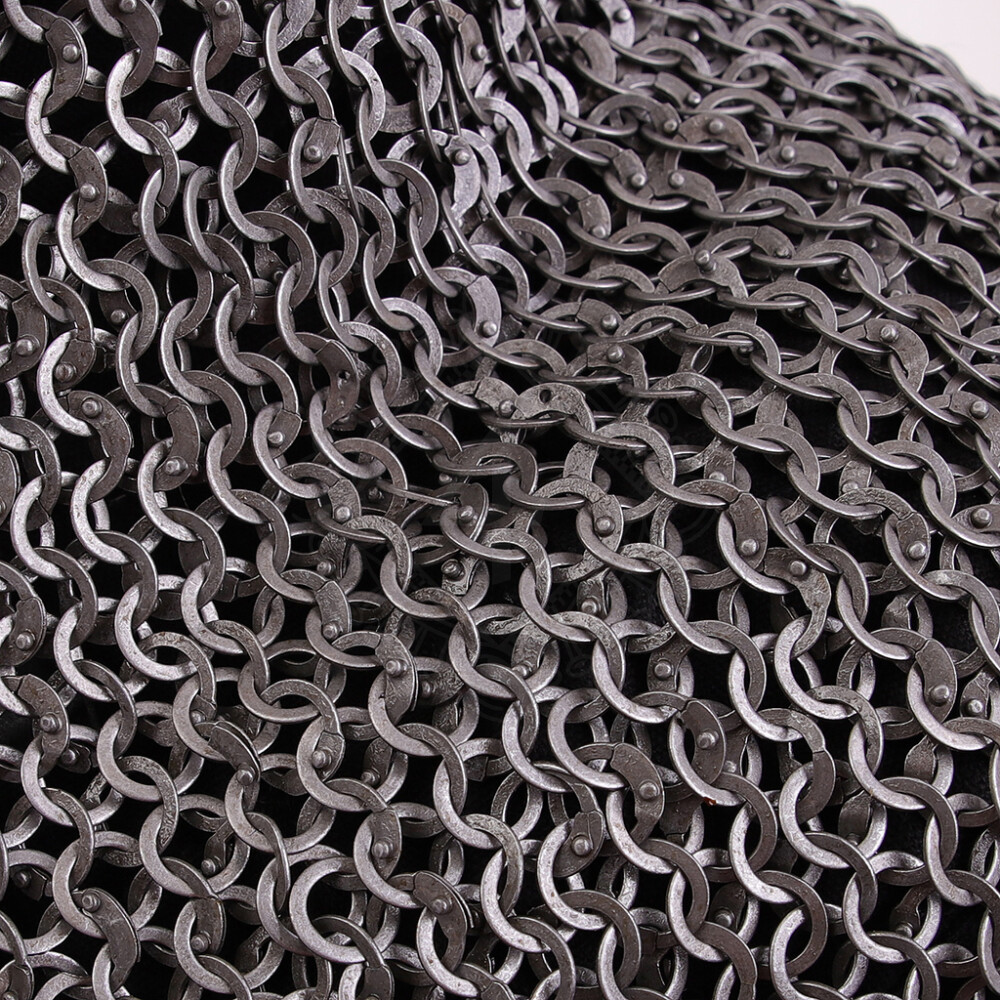
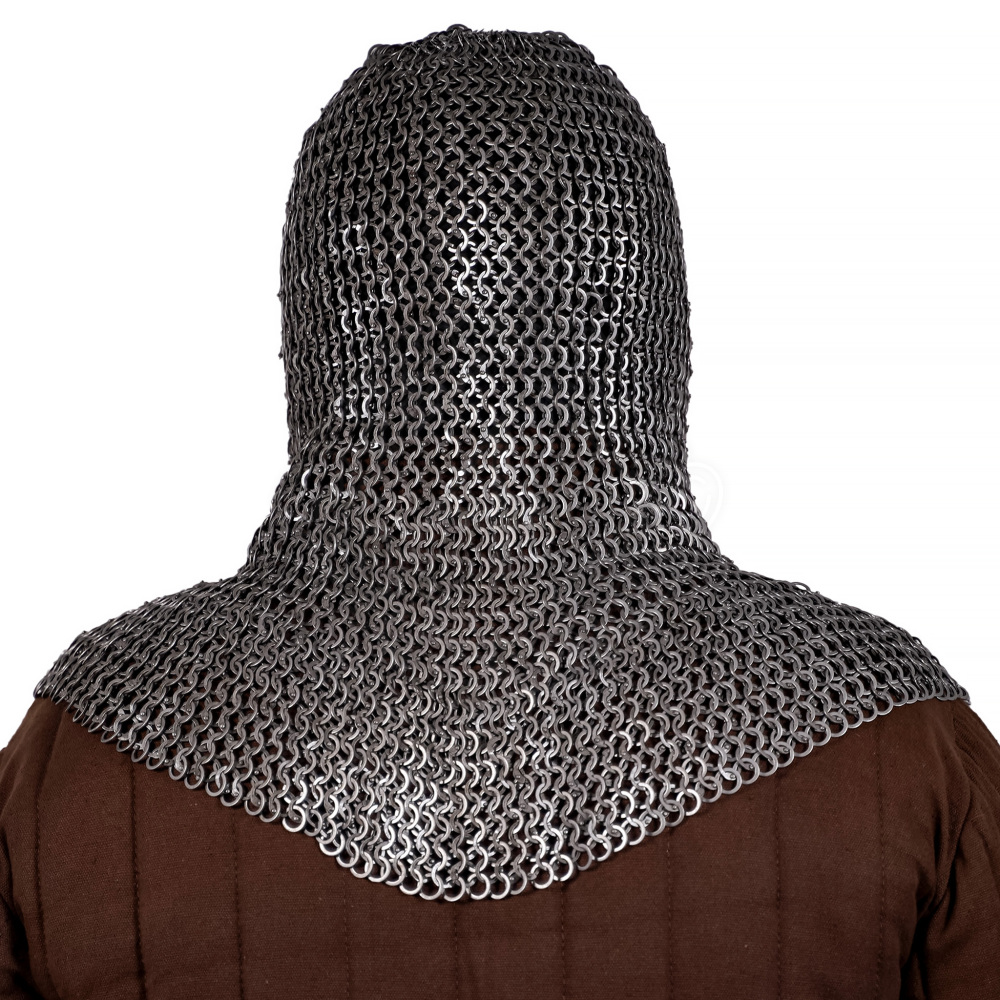
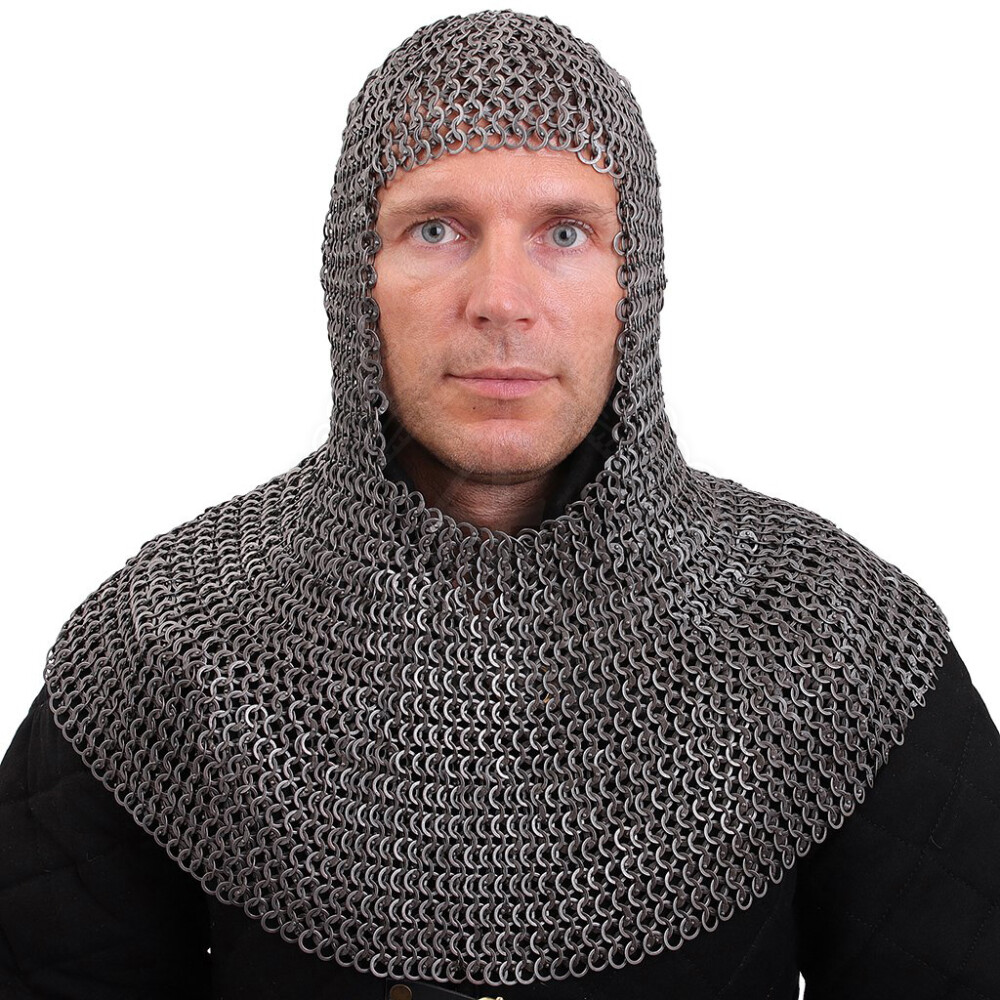
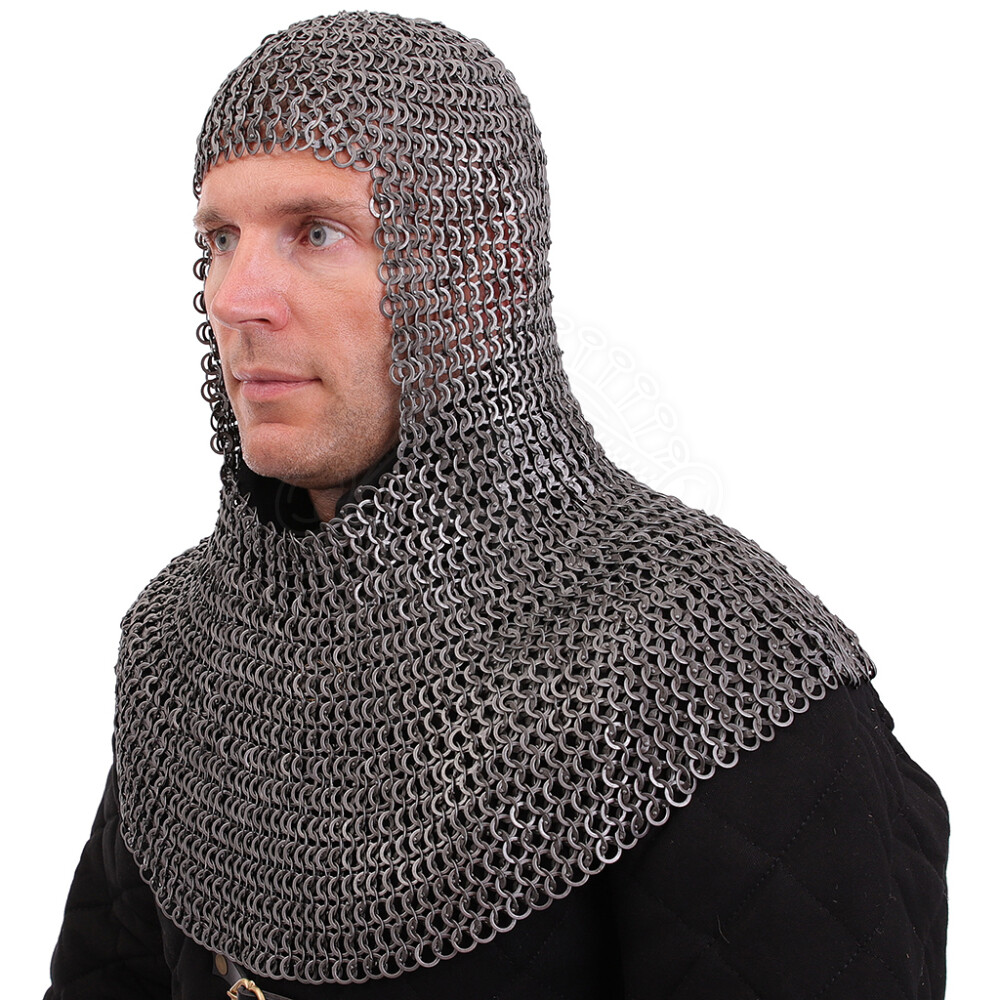

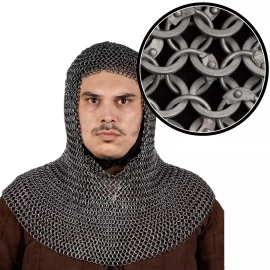
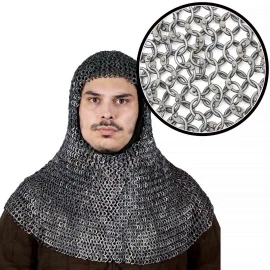
Encase your head in steel and become a Norman, a Crusader, or a knight from the age when chainmail ruled the battlefield. This chainmail coif is crafted with an emphasis on historical accuracy and maximum durability. Its mail is constructed from alternating rows of flat rings fastened with strong dome rivets, and rows of flat solid (punched) rings. This premium construction creates a dense and nearly impenetrable barrier, offering incomparably higher protection than common butted mail. Further product information ...
Would you like to be notified as soon as the item is in stock?
You will receive a short e-mail as soon as we have it back in stock.
Chainmail Coif, 9 mm Flat Riveted/Solid Rings, Dome Rivets, Steel
The Universal Head Protection for a Warrior
The chainmail coif was the primary piece of head protection for hundreds of years. You can wear it on its own for maximum flexibility, as many foot soldiers did, or as supplementary protection under a helmet—be it a Norman helm, a great helm, or a kettle hat. The coif protects not only the skull but also the neck and shoulders. It is ideal for Historical European Martial Arts (HEMA), reenactments of 12th to 14th-century battles, and for any character that demands reliable and authentic armour.
Why Choose Riveted and Solid Flat Rings?
This method of construction represents the pinnacle of the mail-maker's craft. Why?
- Resistance to Separation: Strong dome rivets prevent the rings from being pulled open by a powerful cut or blow.
- Thrust Resistance: Solid, punched rings have no seam and thus no weak point. They perfectly complement the riveted rows, protecting against arrowheads and spear points.
- Dense & Strong Weave: Flat rings lie closer together, creating a denser mesh with smaller gaps and superior protective coverage.
- Historical Authenticity: This is precisely how high-quality mail armour of European knights and nobility was made.
The Chainmail Coif: An Iconic Piece of the Middle Ages
From the Battle of Hastings in 1066 to the Battle of Crécy in 1346, the chainmail coif was an inseparable part of nearly every soldier's panoply. It provided the best protection available at the time while allowing for good peripheral vision and hearing, which were critical for survival in the chaos of battle. It was a truly universal piece of armour that defined the look of the warrior for generations.
A Point of Historical Interest: The Evolution of the Face Opening
Early chainmail coifs often covered the entire face, leaving only small openings for the eyes and breath, sometimes supplemented by a flap called a "ventail" that could be tied up or down. This model, with its larger, fixed square opening for the face, became popular in the 12th and 13th centuries. It allowed for better breathing and communication, relying on the fact that a knight would also be wearing a helmet for full facial protection.
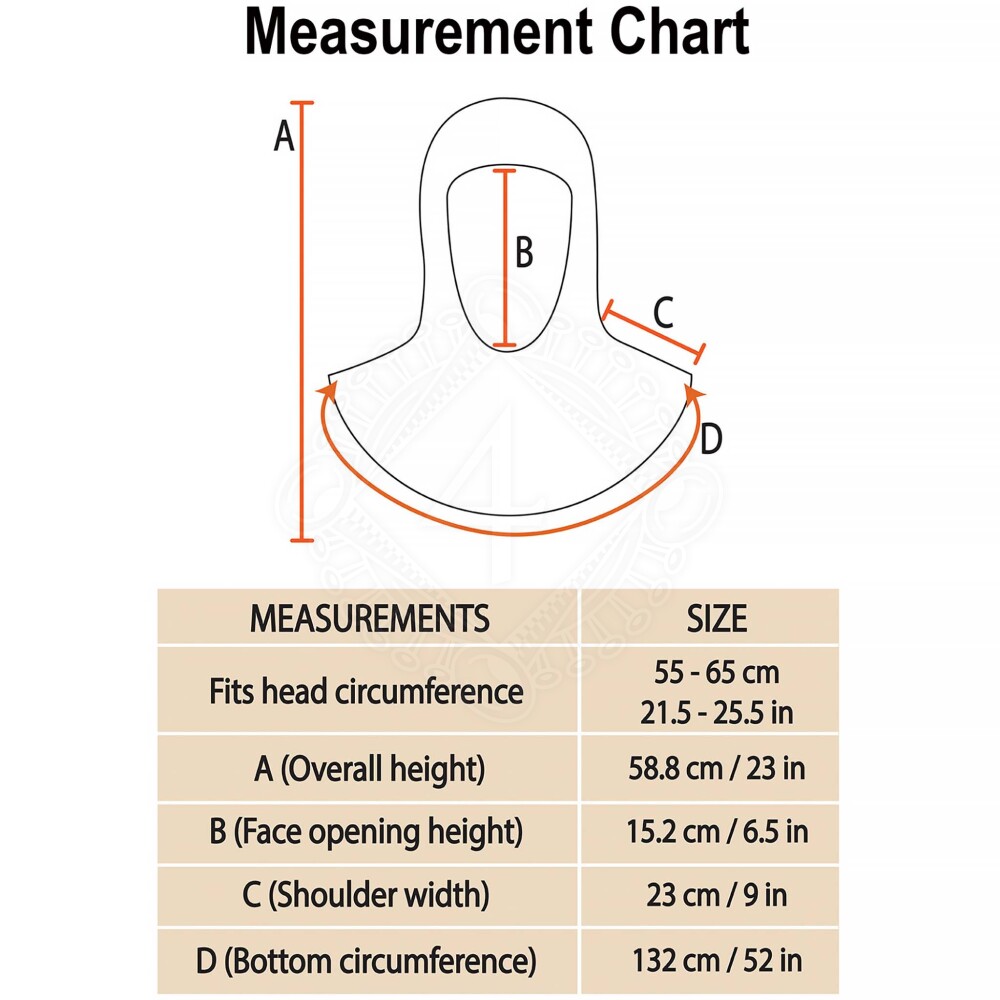
Measurement Chart
This chainmail coif is made in a universal size that will fit most heads. Please check the measurements to be sure.
| Parameter | Value |
|---|---|
| Fits Head Circumference | 21.5 - 25.5 in (55 - 65 cm) |
| A - Overall Height | 23 in (58.8 cm) |
| B - Face Opening Height | 6.5 in (15.2 cm) |
| C - Shoulder Width | 9 in (23 cm) |
| D - Bottom Circumference | 52 in (132 cm) |
| Weight | Approx. 6.2 - 7.3 lbs (2.8 - 3.3 kg) |
Caring for Your New Coif
As this coif is made from oiled mild steel, it requires regular maintenance to serve you for as long as possible.
- Fighting Rust: Keep the coif dry at all times. After every use, especially if it has become damp with sweat or rain, dry it thoroughly and apply a light coat of conservation oil.
- Storage: Store it in a dry, airy place. Never leave it wet in a closed bag.
- Please Note: Oiled steel can leave marks on clothing. Always wear a padded arming cap or other liner underneath the coif.
We are here for you!