
 Čeština
 Deutsch


Petticoats
Filter products


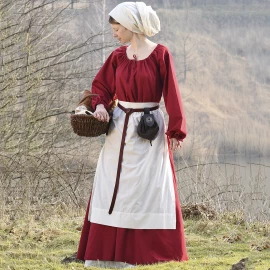
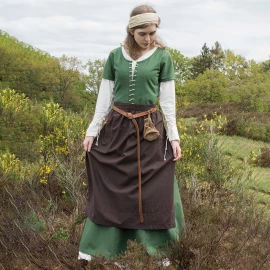


 Historical costumes and footwear
For some, fabrics are a symbol of social status. For others, they are a means of keeping warm on a freezing night. Today, fabrics like leather, linen and cashmere feel like essentials – and yet, their journey into our wardrobes was anything but…

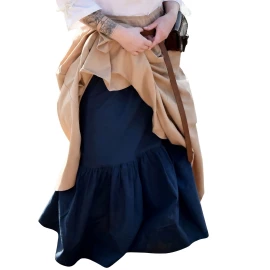


Chemise
The chemise seems to have been developed from the Roman tunica and first became popular in the European Middle Ages. Women wore shifts or chemises underneath their gowns or robes; men wore chemises with their trousers or braies, and covered the chemises with garments such as doublets, robes, etc. In those times, it was usually the only piece of clothing that was washed regularly. In Western countries, women's shirts did not fall out of fashion until the early 20th century, when they were generally replaced by brassieres, girdles, and full slips.