
 Čeština
 Deutsch


Secrets of the North: What Did Vikings Really Look Like?
 Interesting facts of the past
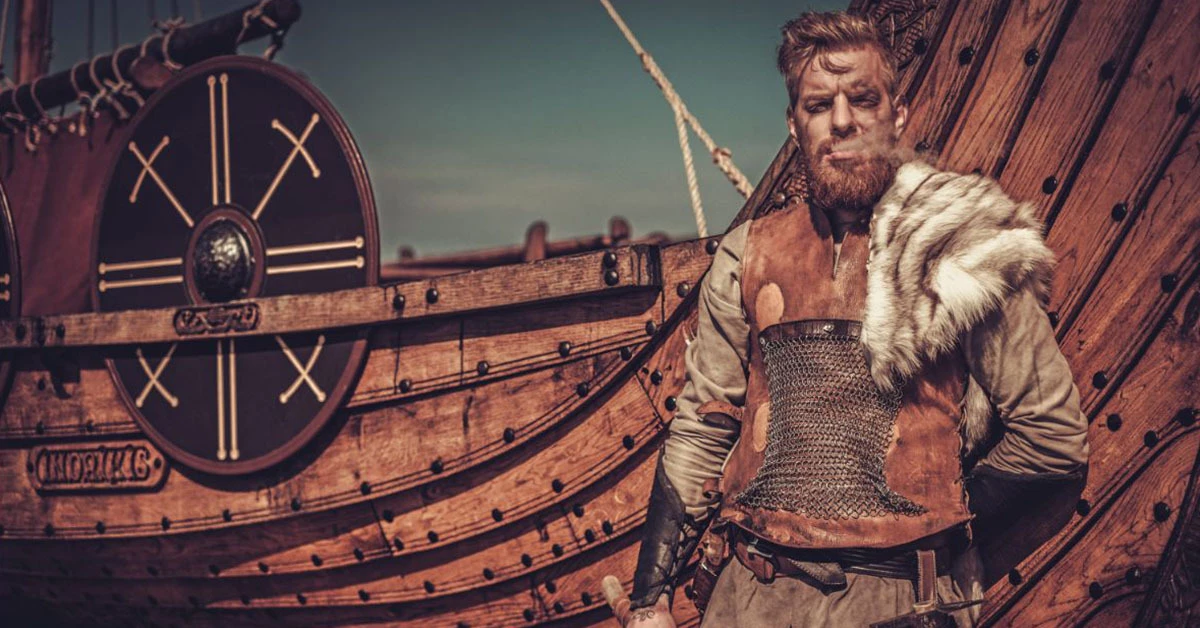
When we picture a Viking, this is what probably comes to mind: a tall, burly, unwashed warrior with wild hair... But archaeological finds suggest that the real Vikings were quite far from that stereotype. They were surprisingly clean, well-groomed, and even a bit… stylish. What do we (not) know about their appearance?
Contents
What Did Vikings Really Look Like?
Forget the Hollywood image of tall, blonde warriors with icy-blue eyes. Recent DNA studies paint a much more colourful picture. Viking communities were a melting pot. Some had brown or red hair, darker skin, and varied builds.
On average, Viking men were around 172 cm (5'8") tall, and women about 160 cm (5'3") tall. This is a bit taller and stronger than most Europeans of their time, thanks to hard work and endless sailing.
But here’s the twist: recent research shows that Vikings were anything but filthy. In fact, they took a very good care of their appearance. Archaeologists have uncovered tweezers, razors, nail cleaners, and other grooming tools in Viking graves – the medieval equivalent of a self-care kit.
Hair That Meant Power
For Vikings, hair wasn’t just hair, it was and indicator of identity, pride, and social status. Men wore long locks braided into intricate styles, ponytails, buns, or knots.
They took great pride in their hair and combed it regularly. Men's Viking hairstyles varied with territory and function:
- Warriors often went for hairstyles with shaved sides and longer hair on top. Another popular style featured a shaved back of the head and a longer fringe that fell forward over the forehead. They also liked to braid or shape their beards into small braids or pointed ends.
- Chieftains went full glam: long, decorated hair and beards that screamed authority.
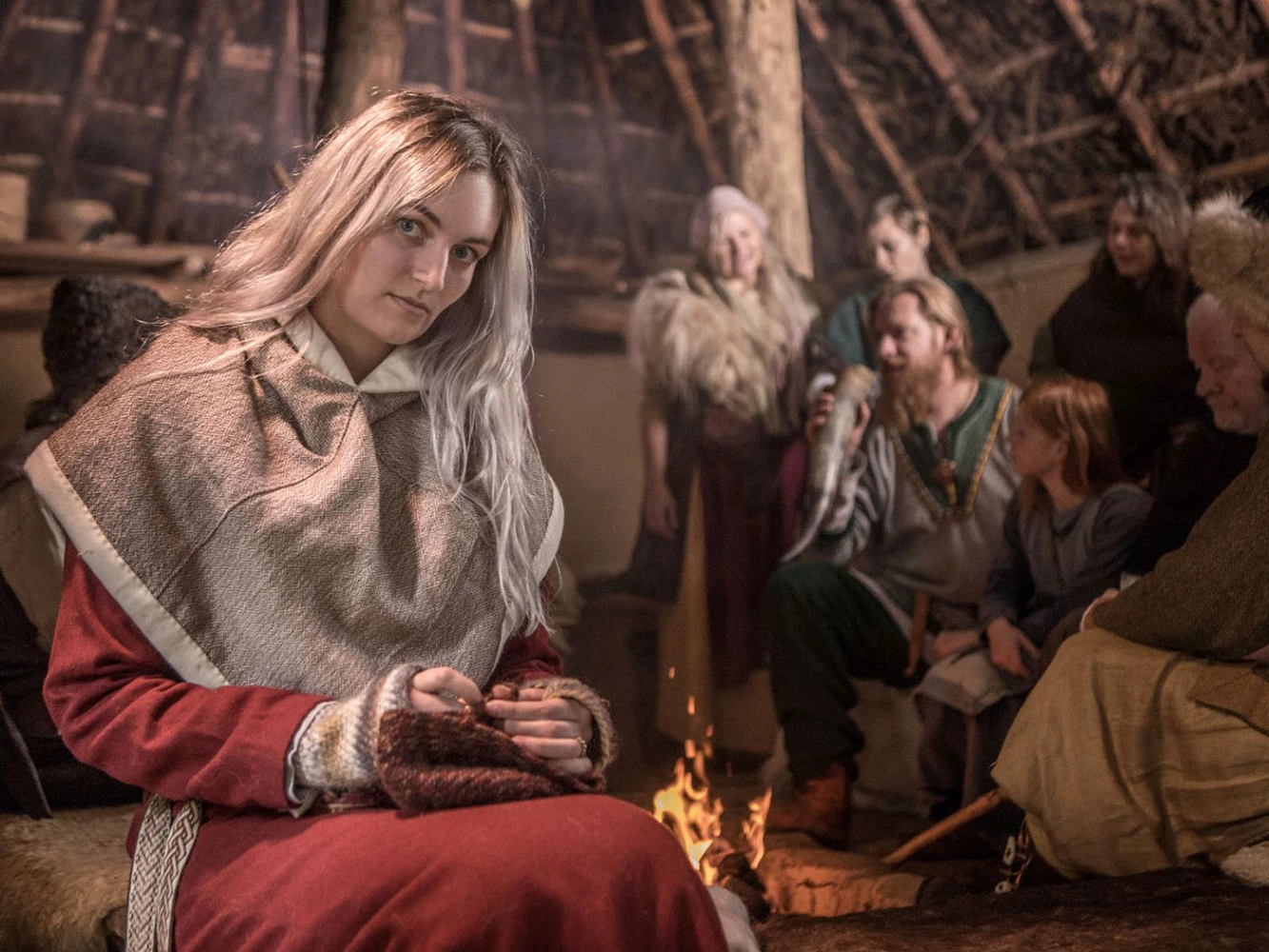
Viking women had their own sense of style – long, neatly braided hair adorned with pins or bronze rings.
- Women wore long, neatly braided hair adorned with pins or bronze rings.
- A tidy braid wasn’t just beautiful, it was also a symbol of honour and family heritage.
The Secret of the Viking Beauty Routine
Archaeologists have discovered that Vikings used a wide range of tools to style their hair.
They brushed their hair daily using combs made of bone, antler, or wood (often beautifully carved). Combs were part of valuable personal belongings that people were often buried with.
Vikings also washed their hair regularly, using soap made from animal fat and wood ash.
Interestingly, this kind of soap could lighten hair colour, and because blonde hair was considered the ideal, many Viking men bleached their locks to match the beauty standard of the day.
Viking Hygiene: Body Care
Cleanliness wasn’t optional, it was an important part of their daily routine. Vikings used tweezers, razors, and even nail files.
DID YOU KNOW... Vikings bathed weekly, usually on Saturdays. The Old Norse word for Saturday, laugardagr, literally meant “washing day” or “bath day.” The modern Icelandic word laugardagur still keeps that meaning today.
To fight off the brutal Nordic wind, they used animal fats and herbal balms (thyme and juniper) as early moisturizers.
The Vikings’ meticulous care for their appearance didn’t go unnoticed: a medieval English chronicler once complained that Viking men were too attractive. Apparently, local Saxon women couldn’t resist them.
Vikings and Makeup
Archaeologists have found traces of cosmetics, especially black pigments like charcoal or galena, that Vikings applied around their eyes.
It wasn’t just for looks. The dark pigment protected their eyes from the sun, wind, and sea salt, while adding to their attractiveness.
Women likely used natural dyes, ochre, or soot to add colour both for rituals and to express status. Tiny brushes found in Viking graves might have been their version of makeup tools.
The Tattoo Mystery: Did Vikings have tattoos?
We don’t really know if Vikings wore tattoos or not. Skin doesn’t preserve well, and the Vikings likely had no chroniclers of their own.
However, we do have an account from the 10th-century Arab traveller Ibn Fadlan, who described Viking men as being “covered in tattoos from their nails to their necks.”
Was he exaggerating? Maybe. But it’s fair to assume some form of body art was common. After all, almost every ancient culture had its own version of ink. Unfortunately, we do not have any other accounts and reports available, and convincing evidence is missing.
DIY Viking Look (video)
Want to unleash your inner Viking hero or shield-maiden? You only need a few ingredients and a bit of imagination. Follow the instructions below:
- Style your hair in the Viking style. For men, a braid on top with shaved sides; for women, two long braids.
- Add a touch of earthy pigment or charcoal around the eyes (no shimmer, keep it matte and fierce).
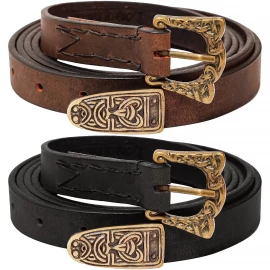
- Add a few accessories: metal pins, beads and rings, or leather bracelets. That alone should be enough to help you conquer the next costume party and stand out from the crowd.
If you prefer a video, here is one for you:
Conclusion: Warriors and Style Icons
History books often paint Vikings as brutal raiders, but the truth is much more complex. They were sailors, craftsmen, and lovers of good grooming, skilled at using a wide variety of tools beyond just axes.
Every new archaeological find brings us closer to understanding the fascinating nature of the Vikings: ruthless on the battlefield, elegant in daily life. So if the northern wind ever calls your name, slip into a Viking costume, braid your hair, and channel your inner seafarer. Just… maybe skip the pillaging part!
 Share
Share
 Share
Share
 Tweet
Tweet
Comments