
 Čeština
 Deutsch


Life in the Middle Ages: Was it a Fairy-tale or a Nightmare?
 Interesting facts of the past
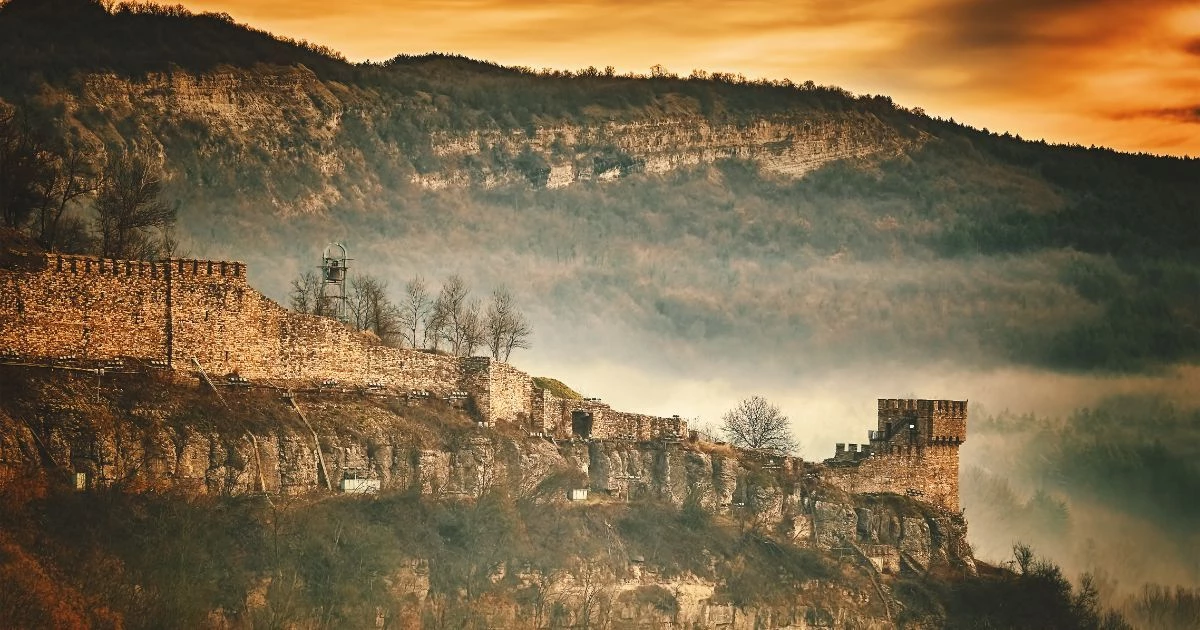
For the common folk – the broad peasant masses – medieval life was anything but easy. It meant long days of back-breaking labour in the fields, often from sunrise to sunset. Higher up the ladder, the nobility, clergy, and later the wealthy townsfolk could afford a far more privileged life. In the Middle Ages, the quality of your life almost entirely depended on the social class you were born into.
Contents
- Everyday life in the Middle Ages? Neither the rosy romance of fairy tales nor the gloomy ‘dark ages’ cliché
- Everyday life in the Middle Ages – not for the faint of heart
- Food as a marker of status
- Role církve ve středověkém svě tě
- Women in medieval society
- Prepare for your next journey into the Middle Ages!
Everyday life in the Middle Ages? Neither the rosy romance of fairy tales nor the gloomy ‘dark ages’ cliché
Picture this: you’re sitting by a hearth or open fire in the middle of a one-room house, squeezed in together with several family members, and in the dead of winter, possibly even with the livestock you owned. Simple homes built of wood, clay, or stone were damp and drafty, hardly the snug cottages of modern imagination.
There was no running water, no indoor plumbing. If thirst struck or nature called the options were the field, the dung heap, or the nearest patch of woods. And out there, wild animals, bandits, and other hazards were a constant threat.
This, in many ways, was the reality of ordinary medieval life, so it’s understandable that the Middle Ages became known as the “Dark Age”.
The Italian scholar Francesco Petrarch was the first to use the term back in the 14th century, but historians today tend to leave that expression behind. Because while the fall of the Roman Empire did plunge Europe into chaos, marked by invasions, instability, and decline – the medieval world was also a time of breakthroughs and innovation. Think of the printing press, the compass, and the watermill, or the rise of striking new architectural styles – most notably the Gothic architecture.
DID YOU KNOW… Estimates suggest that Europe is home to tens of thousands of surviving castles, with Germany alone accounting for more than 20,000 sites – including ruins, manor houses, and fortified structures.
Everyday life in the Middle Ages – not for the faint of heart
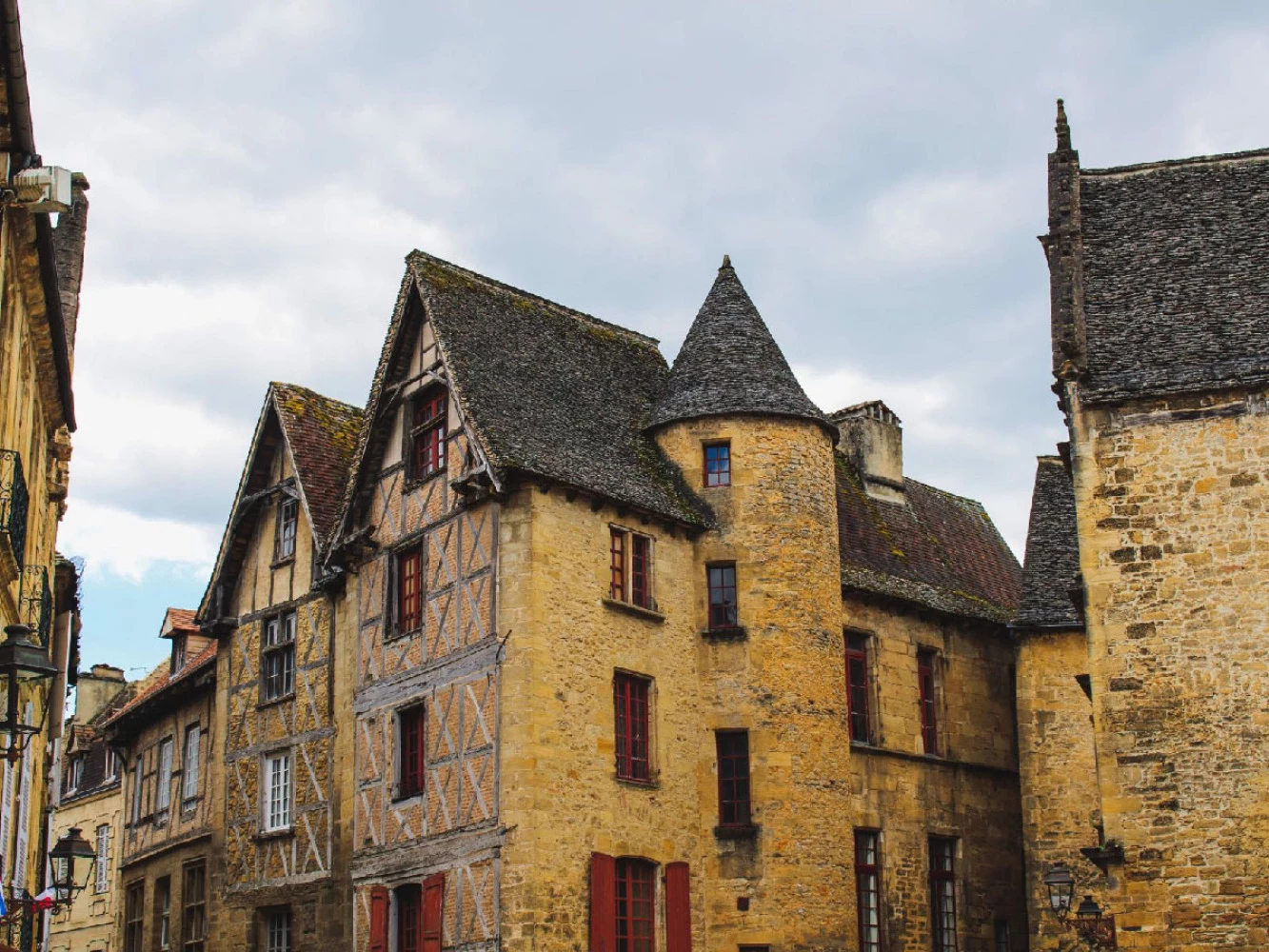
Ordinary people didn’t live in fairy-tale castles. The poorest often slept on the ground or on straw-stuffed mattresses covered with rags.
Housing was simple, usually small wooden, clay, or stone huts, sometimes partly dug into the earth.
It wasn’t unusual for 8 to 12 people to share a single room – often with livestock during a bitter winter.
City life wasn’t much sweeter. Chamber pots were emptied straight into the street, and the stench could be unbearable. Hygiene was virtually non-existent, creating the perfect breeding ground for parasites and diseases.
Worms and tapeworms were common among medieval folk – regardless of whether they were peasants or lords.
DID YOU KNOW… Some medieval castles were fitted with garderobes – small chambers built on the outside of the walls. Waste simply dropped down the chute, sometimes into the moat. During a siege, this “feature” wasn’t just for convenience – it could also be an extra line of defence!
Food as a marker of status
As you might recall from history class, society was divided into three main classes:
- Nobility
- Clergy
- Peasantry
This hierarchy was considered divinely ordained, and social mobility was rare. Your diet reflected your social rank as much as your clothes or your home.
We’ll take a closer look at medieval food in our next article. For the common folk, meals were plain and repetitive:
- Porridge or coarse bread made from wheat, barley, or oats, peas, beans, and onions.
- Meat was scarce, often reserved for feast days or eaten in cheaper cuts. The wealthy, meanwhile, could indulge in better-quality meat, spices, and wine.
The role of the Church
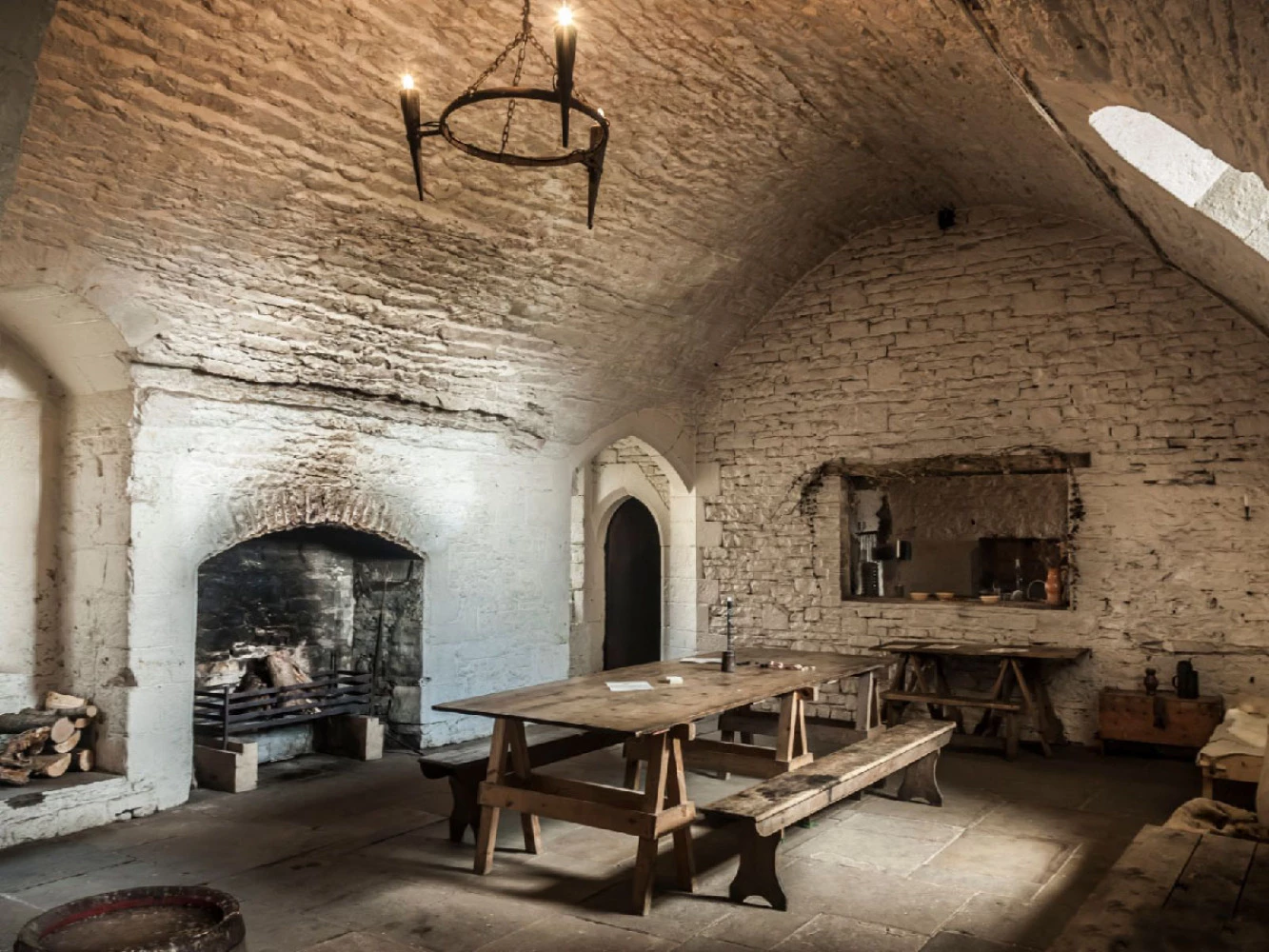
The medieval Church wasn’t just about prayer and spirituality – it was a powerhouse of politics, wealth, and education.
Monasteries were hubs of learning and production, their daily life shaped by the ora et labora – pray and work. Monks divided their days between prayer, study, and labour, from tending gardens to copying manuscripts.
DID YOU KNOW… By the 13th century, monasteries had become some of Europe’s biggest landowners. In England alone, nearly a quarter of all farmland was controlled by the Church before Henry VIII’s famous Dissolution.
The Church also had a great influence in education, which, however, was only reserved for the chosen few. The vast majority of Europeans were illiterate, including many nobles.
Women in medieval society
The position of women varied with time and class. The Church preached that women should be obedient wives and mothers, portraying them as morally weaker and prone to sin.
Still, marriage politics made women powerful pawns – or players – in alliances between families.
While most women lived in the shadow of husbands and fathers, some rose far beyond their domestic sphere.
Queens, abbesses, and noblewomen could wield considerable influence, shaping dynasties and even leading armies.
DID YOU KNOW… Sexuality was a delicate topic in the Middle Ages. Sexual intercourse was often forbidden on religious feast days, and even on Thursdays or Fridays, when people were meant to prepare themselves for Sunday communion. The intimate lives of medieval people have been explored in depth by historians, such as Jacques Le Goff, in his book The Medieval Imagination – revealing a world of rules, rituals, and societal expectations around love and desire.
Prepare for your next journey into the Middle Ages!
Life in the Middle Ages was far from the idyllic picture painted by Romantic-era writers. Yet the same era gave rise to the ideals of knights in their shiny armour and the development of crafts and trades that have left a lasting mark on our culture.
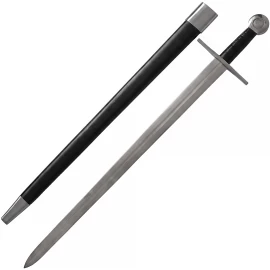
Are you a fan of medieval swords and other handcrafted treasures?
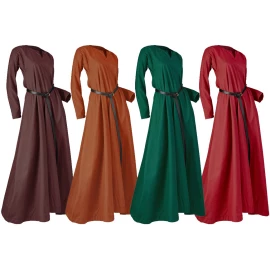
Browse our shop for beautifully forged medieval weapons or choose between our medieval costumes that will turn heads at any historical event – whether you want to dress up as a devout monk, a fearsome Viking, or a graceful noblewoman.

 Share
Share
 Share
Share
 Tweet
Tweet
Comments