 Čeština
 Deutsch


Steel Elbow Cops, Pair

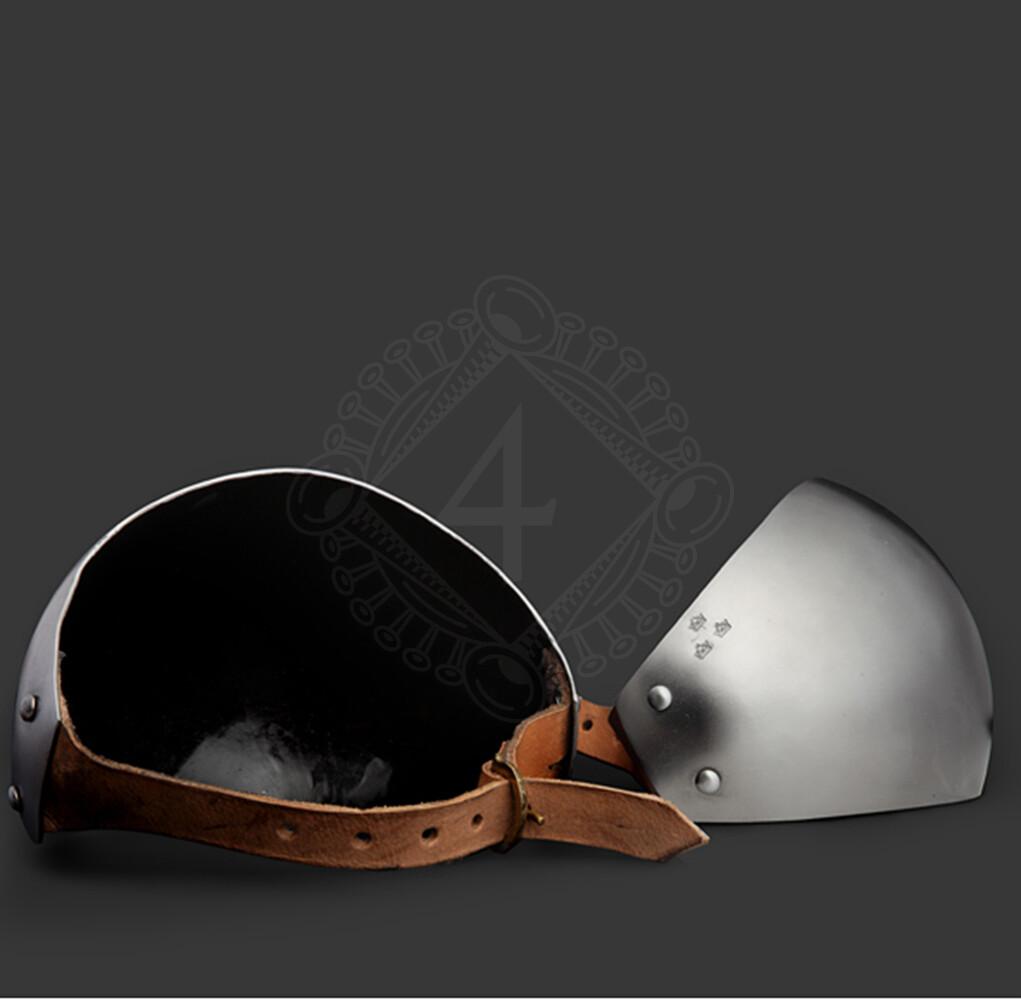

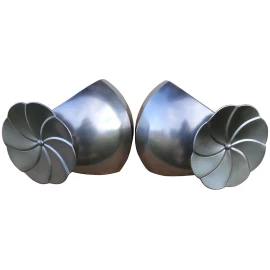
Complete your medieval armour with these steel elbow cops, also known as couters, inspired by historical components of European plate armour. Their smooth, rounded shape covers the elbow joint, while the understated design makes them easy to combine with other pieces of medieval equipment. Made from 1.6 mm (0.063-inch) steel plate, the cops are fastened using leather straps with buckles. They come in a single universal size, approximately XL, intended for an elbow circumference of up to 42 cm (16.5 inches). One complete pair is supplied, allowing you to equip both arms. They make an attractive addition to historical costumes, reenactment equipment and LARP outfits. Further product information ...

Would you like to be notified as soon as the item is in stock?
You will receive a short e-mail as soon as we have it back in stock.
Medieval Steel Elbow Cops, Pair
Simple Shape and Practical Fastening
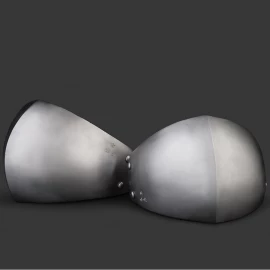
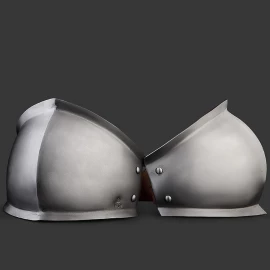
Each elbow cop consists of a deeply domed steel shell with a smooth, rounded surface and a silvery-grey metallic finish. The exterior is free from elaborate ornamental decoration. This restrained appearance makes the pair suitable for equipment representing both medieval foot soldiers and armoured knights.
The open shells are positioned over the elbows. Brown leather straps with metal buckles are attached at the sides, allowing the fit to be adjusted. The interior surfaces have a dark, smooth-looking finish. The photographs also show the rivets securing the straps to the steel components.
The uncomplicated design has no additional side wings, forearm plates or integrated padding. This allows the elbow cops to be worn over appropriately padded gambeson sleeves.
Historical Background: Elbow Protection in Medieval Armour
Elbow cops, historically known as couters or cowters, were early forms and later integral components of elbow protection in European plate armour. Their development was connected with the increasing use of metal limb armour during the 13th and 14th centuries.
Throughout the 14th century, plate elbow protection became an increasingly common component of higher-quality armour. It protected a vulnerable and highly mobile joint. As armour-making techniques developed, more elaborate designs appeared, featuring lateral wings and articulated plates for greater coverage while maintaining mobility.
Interestingly, the German term for this component is Ellbogenkachel. Both the English and German historical terms remain widely used by armour researchers, collectors and craftspeople producing historical reproductions.
The simple, hemispherical appearance of this model is reminiscent of earlier standalone elbow cops. However, it is not documented as an exact reproduction of a specific surviving historical original.
How to Fit the Elbow Cops
For improved comfort, we recommend wearing suitable padded clothing underneath, such as a gambeson or padded arming jacket.
- Put on your gambeson or another suitably padded garment first.
- Position the domed shell over the elbow so that it covers the joint.
- Pass the leather strap through the buckle and adjust it to fit your arm circumference.
- Attach the second elbow cop in the same way.
- Bend and straighten both arms to check the fit and freedom of movement. The cops should neither slip out of position nor cause uncomfortable pressure.
Overtightening the straps may restrict circulation, while leaving them too loose can cause the armour to shift. Before wearing the cops, inspect the leather straps, buckles and riveted connections.
Technical Specifications
| Feature | Specification |
|---|---|
| Product type | Medieval steel elbow cops / couters |
| Material | Steel plate |
| Steel thickness | 1.6 mm (0.063 inches) |
| Exterior finish | Smooth, silvery-grey |
| Interior finish | Dark surface finish |
| Fastening | Leather straps with buckles |
| Strap colour | Brown |
| Size | One size, approximately XL |
| Maximum elbow circumference | Approx. 42 cm (16.5 inches) |
| Historical inspiration | Medieval plate elbow protection, particularly the 14th century |
| Quantity supplied | 2 elbow cops, one pair |
| Manufacturer | Marshal Historical |
The stated maximum circumference is approximate. When assessing the fit, remember to allow for the thickness of the gambeson or other padded clothing worn underneath.
Care and Maintenance
After each use, wipe the steel components with a dry cloth and remove any moisture or dirt. If necessary, apply a thin coating of suitable protective oil to the exterior steel surfaces to help prevent corrosion. Keep the oil away from the leather straps.
Inspect the leather components regularly and treat them with a suitable leather conditioner when necessary. Store the elbow cops in a dry, well-ventilated environment. Prolonged storage in damp conditions can cause the steel to rust and the leather to lose flexibility.
Avoid aggressive cleaning chemicals and coarse abrasive materials that could damage the surface finish.
Safety and Limitations
These elbow cops are not explicitly rated as protective armour for full-contact combat disciplines such as buhurt, Battle of the Nations or similar activities. A steel thickness of 1.6 mm (0.063 inches) alone does not guarantee adequate protection against powerful strikes.
We recommend them primarily for historical costumes, reenactment, LARP and staged performances, subject to the relevant organiser's rules. For contact sword fighting, use only protective equipment that meets the requirements of the particular discipline.
The shells have no integrated padding. A sufficiently padded underlayer is therefore recommended for comfort. Before each use, inspect the steel edges, rivets and fastening straps. Damaged or loose components may cause injury or lead to fastening failure.
Recommended Accessories
We recommend pairing these elbow cops with a padded gambeson or arming jacket inspired by 14th-century equipment, matching forearm and upper-arm plates, mail armour or period-style gauntlets. To complete your medieval equipment, consider a suitable helmet, padded arming cap and other armour components appropriate to the historical period you wish to portray.
We are here for you!