 Čeština
 Deutsch


Viking Trefoil Brooch, Bronze Fibula, 8th-11th Century - Outlet
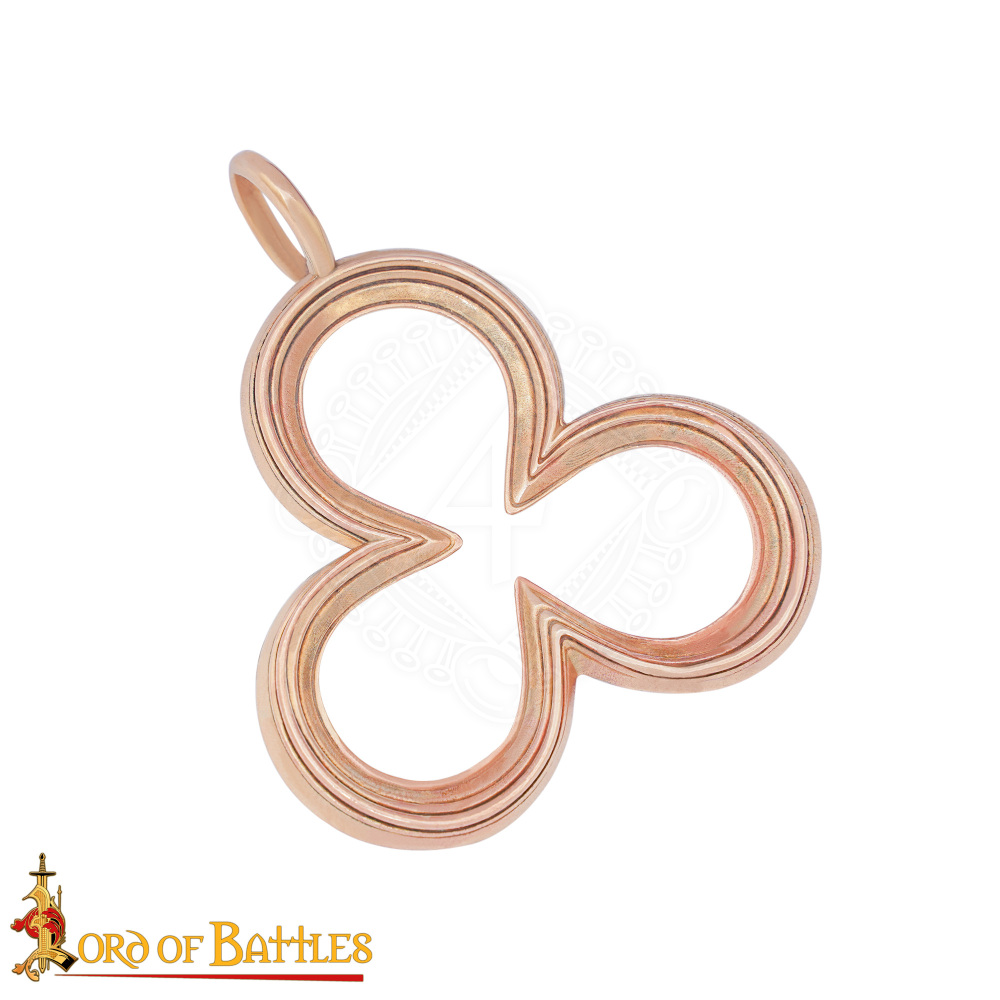
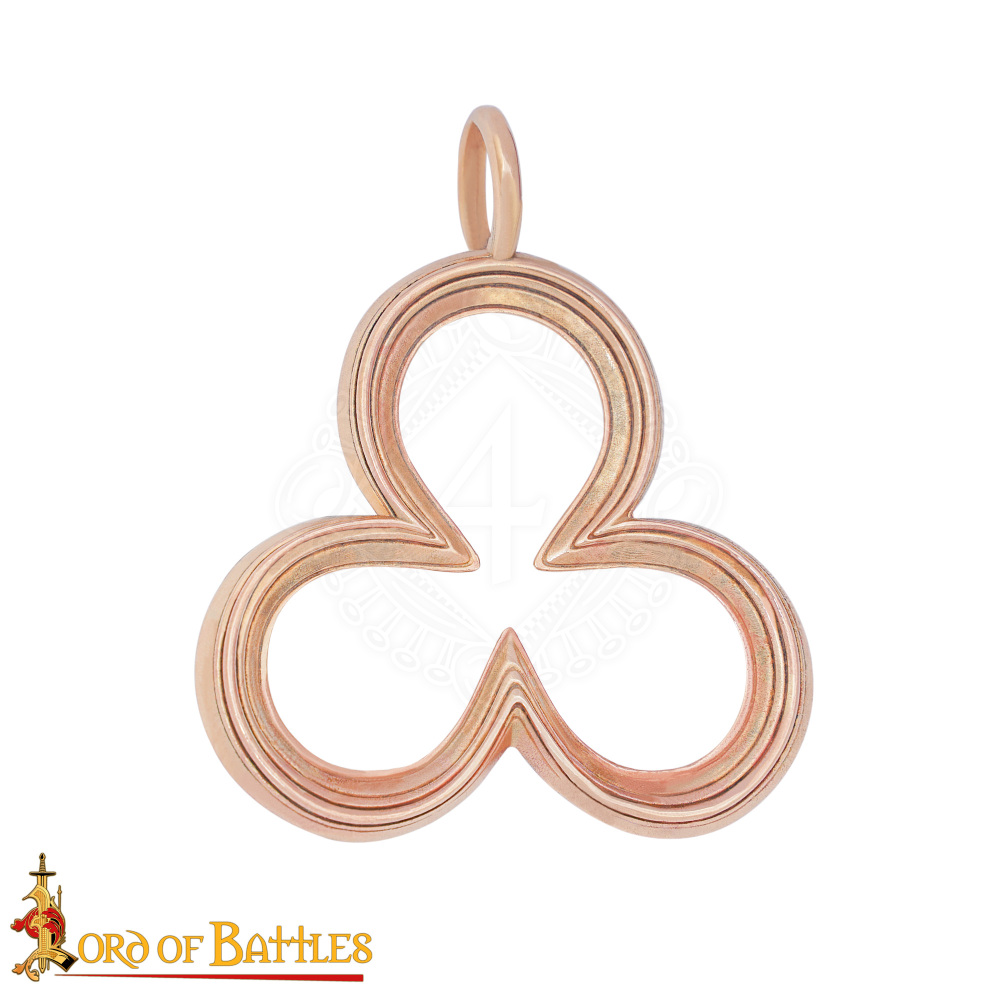



This solid bronze trefoil brooch is a precise replica of a historic piece of jewellery that adorned the garments of elite women in the Early Middle Ages. Its design, originating in the Frankish Empire, was especially embraced by Viking women, for whom it became a symbol of wealth and exquisite taste. This is not just a simple pendant, but a fully functional fibula (or cloak pin) that served as both a practical accessory and an unmistakable sign of high social status. Crafted using the lost-wax casting method, which guarantees a high level of detail and historical authenticity. Further product information ...

Viking Trefoil Brooch, Bronze Fibula, 8th-11th Century
How You Can Use This Brooch
Thanks to its solid construction and historic design, this fibula is a versatile accessory. Here are a few ways you can wear and use it:
- Historical Garments: Ideal for historical reenactment and living history. Use it exactly as women did in the Early Middle Ages—to fasten a cloak on the chest, a shawl, or the neckline of a tunic. It perfectly complements the attire of a wealthy Viking or Frankish noblewoman.
- LARP and Fantasy: Whether you're portraying a noble, a sorceress, or a shaman, this brooch will add weight and authenticity to your costume. It can symbolise clan affiliation or magical power.
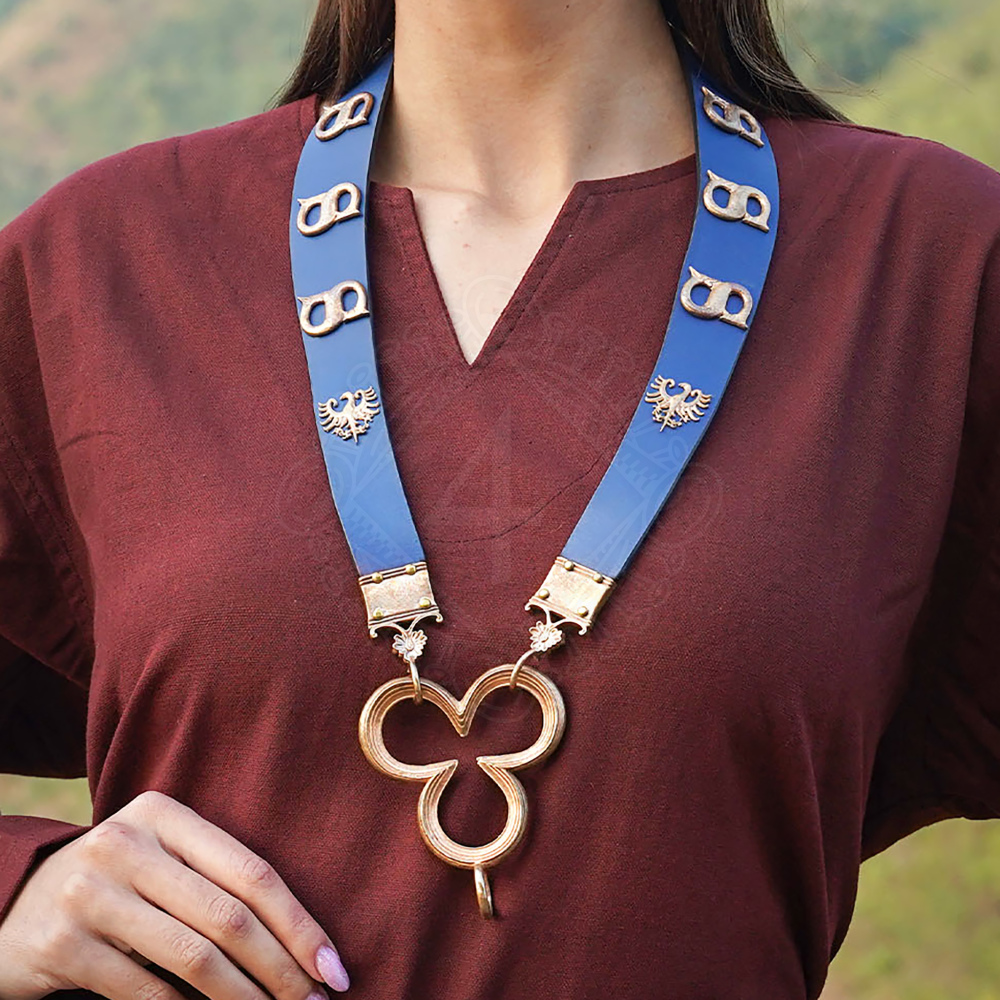
- As a Unique Pendant: Despite its size, it can be worn on a thick leather cord as a striking statement necklace that will make even a modern outfit stand out.
- As a Decorative Element: You can use it as a stylish clasp for a curtain, a banner, or as a unique element in your home decor.
Product Specifications
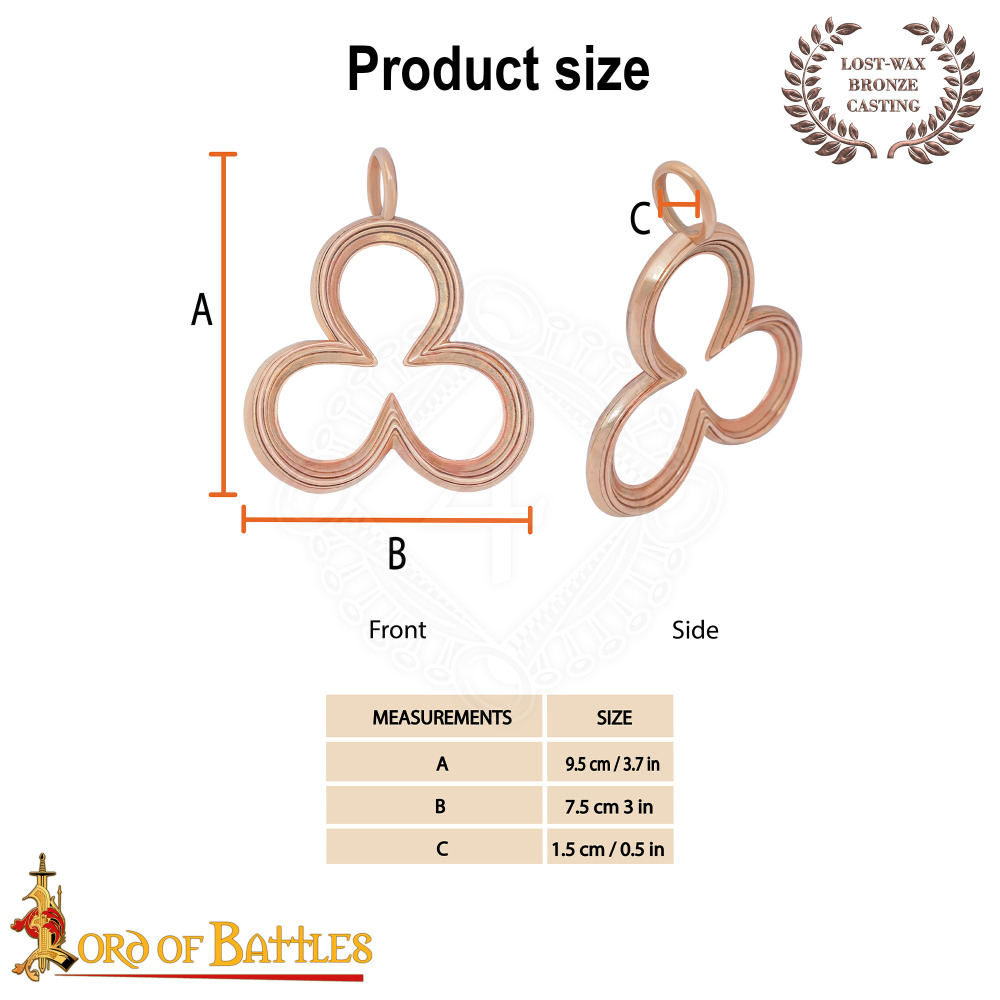
| Parameter | Value |
|---|---|
| Height (A) | 9.5 cm / 3.7 inches |
| Width (B) | 7.5 cm / 3.0 inches |
| Thickness (C) | 1.5 cm / 0.5 inches |
| Weight | approx. 70 g |
| Material | Skin-friendly Bronze |
| Manufacturing Method | Lost-Wax Casting |
Please note: The delivery includes the brooch only, not the blue collar shown in the photo, which serves as an example of use.
History and Symbolism of the Viking Brooch
The Jewellery of Wealthy Women
From the 8th to the 11th century, this brooch was a luxury accessory and a clear sign of high status. Its owners belonged to the elite of society at the time. The fibula also had an important practical function—it held together the heavy woollen fabrics of cloaks and dresses, keeping the garment securely in place.
The Dual Meaning of the Trefoil
The symbolism of the brooch is fascinating because it changed depending on the culture that adopted it. Originally, in the Frankish Empire, the trefoil shape represented the Christian Holy Trinity. For the Vikings who later adopted the design, however, the religious meaning was not significant. To them, the brooch was a symbol of wealth, prestige, and contact with foreign cultures. It thus became a purely aesthetic and status symbol.
A Point of Interest: The Vikings as Trendsetters
The fact that a Christian symbol became an iconic piece of jewellery for the "pagan" Vikings perfectly illustrates their character. They were not just raiders, but also skilled traders and people with a sense of fashion. They not only imported these brooches but soon began to produce them in large quantities themselves, adapting them with their own typical ornamentation, such as the "gripping beast" style. This brooch is therefore a living testament to the cultural exchange and adaptation in Early Medieval Europe.
Care and Use of Your Bronze Jewellery
How to Care for Your Brooch
Bronze is a durable material that develops a characteristic patina over time, which adds to its historical appearance. However, if you wish to maintain its original shine, follow these tips:
- Cleaning: A soft cloth is sufficient for regular cleaning. For heavier soiling, you can use lukewarm water with a mild soap and then dry the jewellery thoroughly.
- Storage: When not wearing the brooch, store it in a dry, dark place, ideally in a fabric pouch or jewellery box. This will slow down oxidation.
- Avoid Chemicals: Protect the jewellery from contact with perfumes, creams, chlorine, and other aggressive substances that could damage its surface.
Important Note: We recommend not bathing, swimming, or sleeping while wearing the brooch. It could be damaged or get caught on clothing or bedding.
We are here for you!