 Čeština
 Deutsch


Seppa for samurai swords
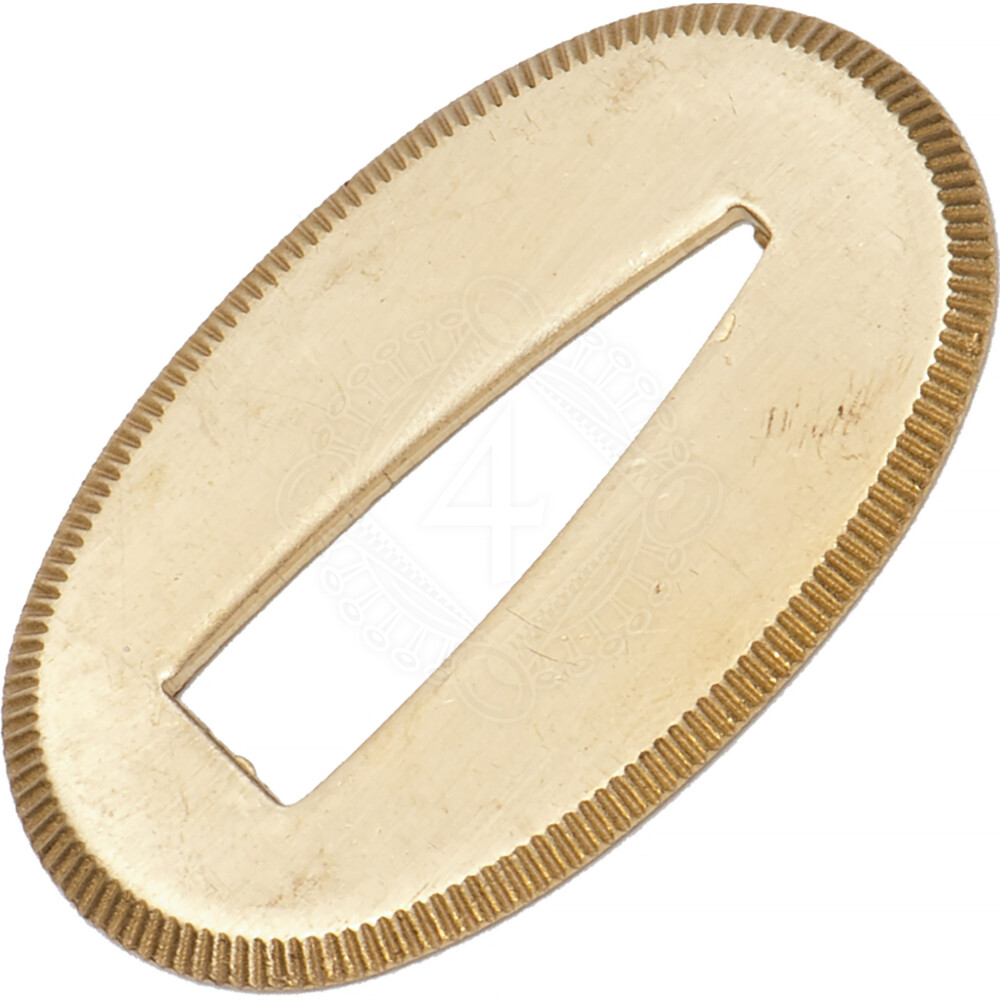
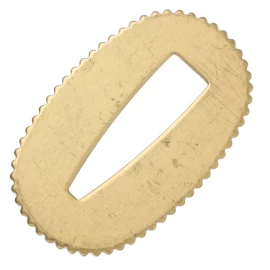
Are you building your own katana, restoring an older favourite piece, and have noticed that the fittings are rattling unpleasantly? This high-quality brass washer, traditionally called a seppa, is exactly the small but absolutely critical component you need for your project. Its detailed ribbed edge adds a subtle historical accent to the weapon, while the solid metal material guarantees a perfect fit between the guard and the handle. Whether you are an enthusiastic practitioner of Japanese martial arts or a meticulous collector, your samurai sword simply cannot do without a properly fitted seppa. Fine-tune your weapon to absolute perfection and ensure its longevity. Further product information ...

Brass Seppa Washer with Ribbed Edge for Samurai Swords
Function and Correct Installation on the Sword
The seppa (切羽) functions as a spacer and shock-absorbing washer. On a Japanese sword, two pieces are standardly used. The first seppa is slipped onto the tang (nakago) of the blade so that it rests directly against the blade collar (habaki). This is followed by the guard (tsuba), and behind it, the second seppa is placed, which in turn rests against the collar (fuchi) of the handle (tsuka) itself. With this sandwich arrangement, once the retaining peg (mekugi) is driven in, the entire mounting is pulled together completely tight. This specific washer features a traditional oval shape with a wedge-shaped central hole that exactly follows the profile of the blade's tang.
Historical Context and Significance
In the history of Japanese swordsmithing, the seppa played an irreplaceable role. Samurai knew that even the slightest play in the fittings could lead to a fatal failure of the weapon in combat. Furthermore, a rattling tsuba would give away its wearer and was a sign of negligence. For this reason, seppas were made from softer metals, such as copper or brass, so that they would yield slightly under pressure during assembly and perfectly seal any irregularities between the hard steel guard and the wooden handle. The fine ribbing around the perimeter, also known from period coins, served not only an aesthetic but also a practical function, as it made handling easier when dismantling the sword.
Safety Guidelines and Maintenance
From a safety perspective, we must strongly emphasize that a tightly fitted sword is the absolute fundamental requirement for any practical use. If you use your katana for cutting practice (tameshigiri) or forms (iaido), regularly check if the fittings show any play. If they do, replacing or adding a seppa is a necessity. A loose blade can fly out of the handle and cause fatal injury to you or those around you. The brass washer itself does not require complex maintenance. If it develops a natural patina over time and you wish to restore its original golden shine, simply polish it gently with special polishing wadding or brass paste. However, avoid rough abrasive sponges that could erase the ribbed decoration.
Recommended Accessories for Assembly
If you are completely replacing the fittings on your sword, we highly recommend purchasing a new tsuba guard and securing bamboo mekugi pegs, in addition to the required number of seppa washers. For the safe and correct disassembly of the handle, a traditional wooden mallet and a mekugi-nuki (peg punch) will also be extremely useful.
Step-By-Step Instructions: How to Disassemble (and Assemble) a Katana?
Technical Specifications of the Washer
| Product Type | Japanese sword accessory |
| Fitting Type | Seppa (Washer) |
| Intended For | Katana, Wakizashi, Tanto |
| Material | Brass (golden finish) |
| Decoration | Ribbed edge |
| Weight | approx. 10 g (0.35 oz) |
We are here for you!