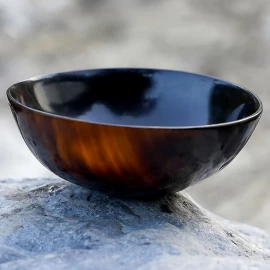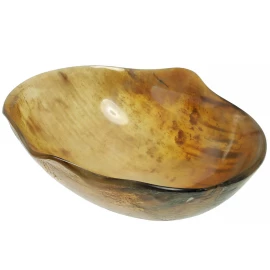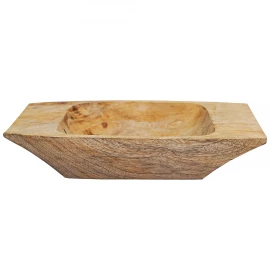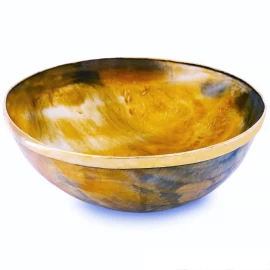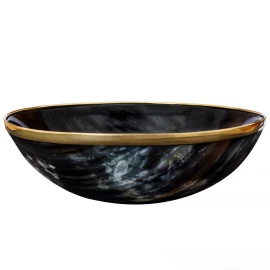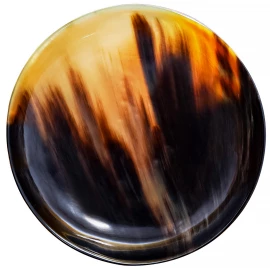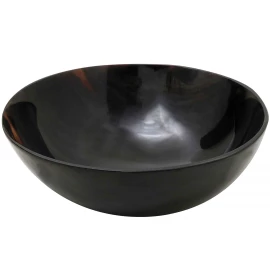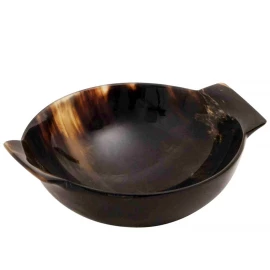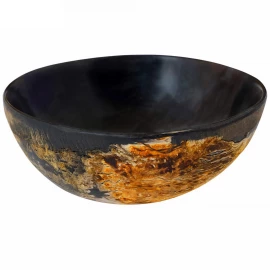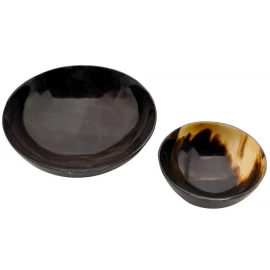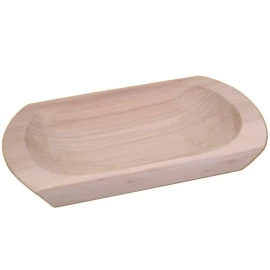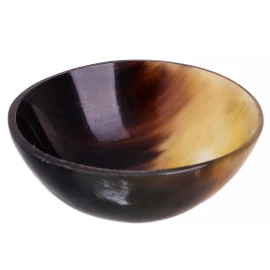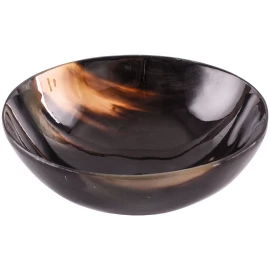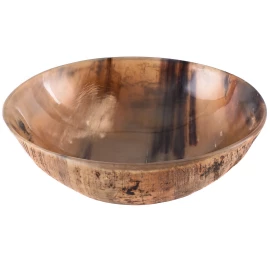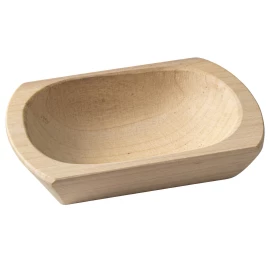

Handcrafted Acacia Wood Eating Bowl, 20 cm
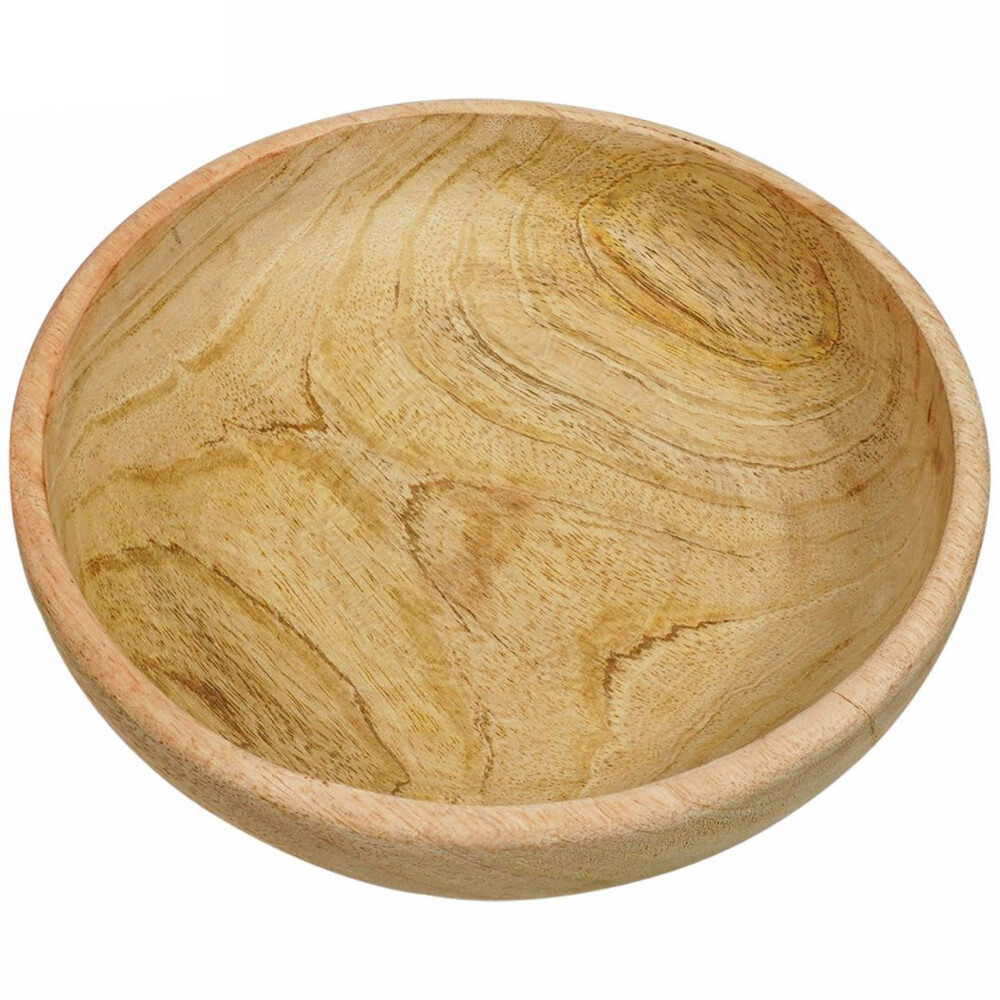
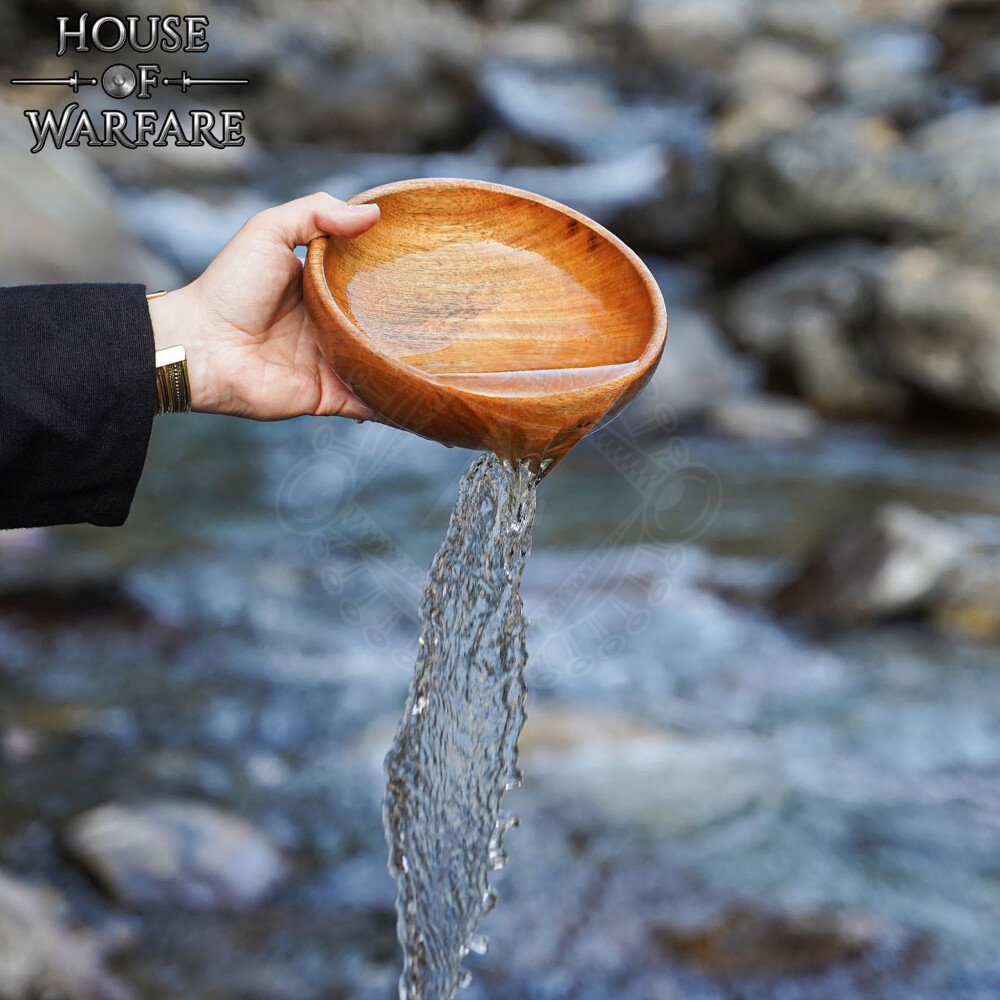
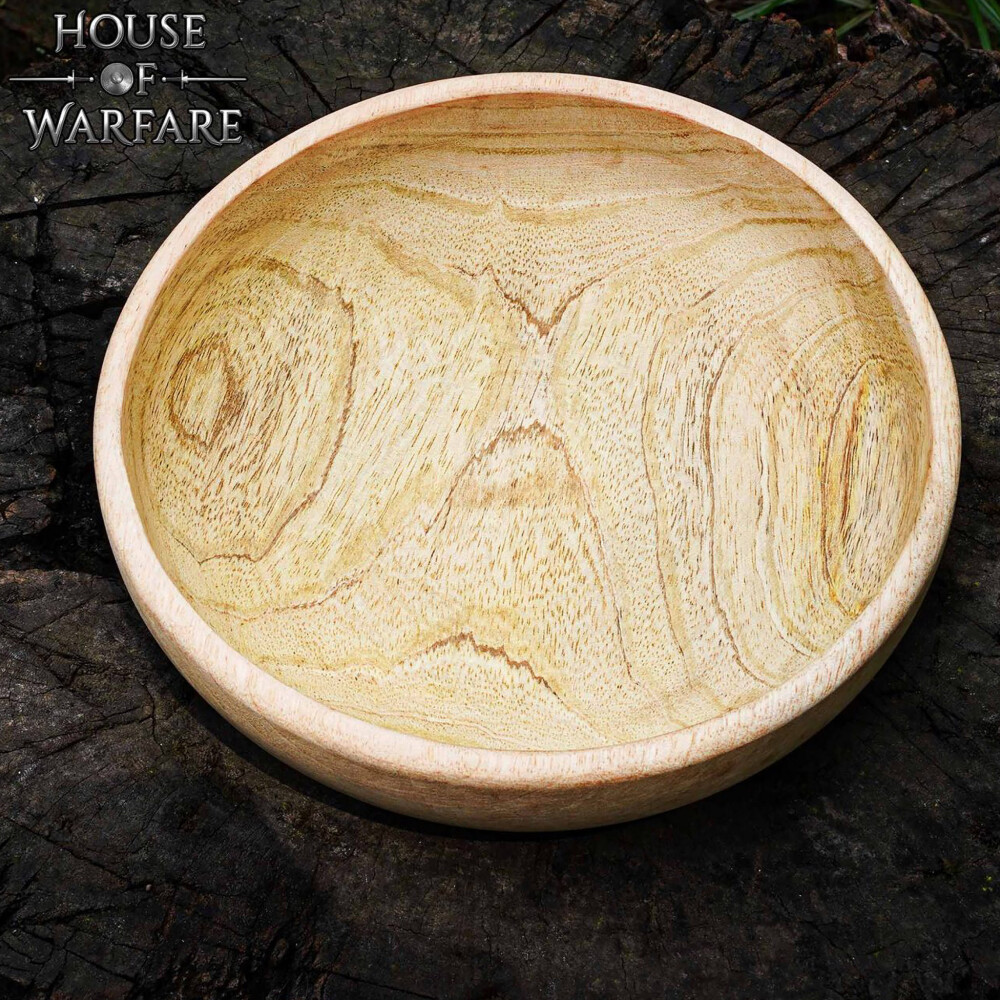
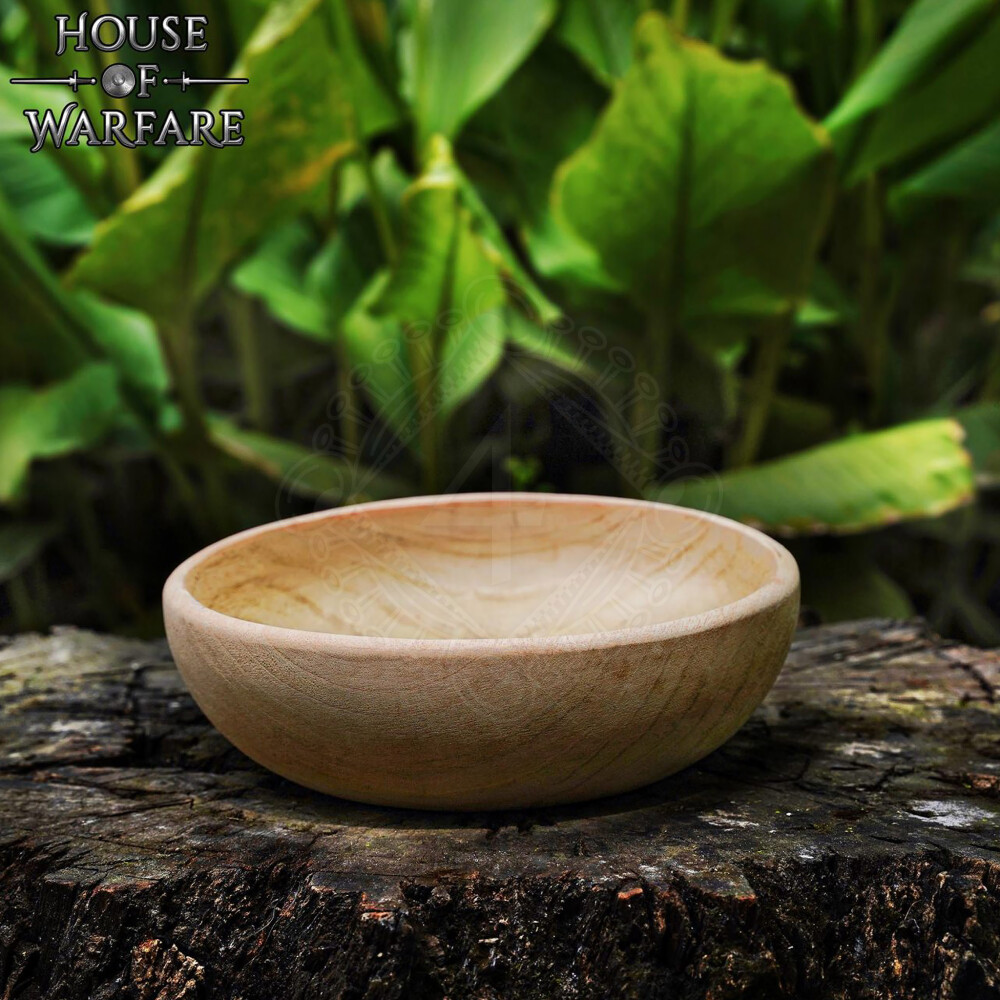
Bring a warm and natural atmosphere to your camp table, warrior. This solid acacia wood bowl combines a simple historically inspired shape with a comfortably rounded rim and striking natural grain. Measuring approximately 20 cm across, it provides ample space for porridge, rice, fruit, bread and snacks. It is well suited to medieval fairs, Viking camps, LARP, historical banquets, Renaissance events and everyday use at home. Each bowl has its own colour and grain pattern, making it an attractive and individual addition to your historical tableware. Further product information ...
Medieval Acacia Wood Eating Bowl, 20 cm
Solid Acacia Wood with Natural Character
The bowl is made from solid acacia wood, valued for its hardness, durability and distinctive appearance. Pale, honey-coloured and warm brown areas form irregular lines and growth patterns across the surface. Every piece is therefore unique and may vary slightly from the photographs in colour, grain, small knots and natural markings.
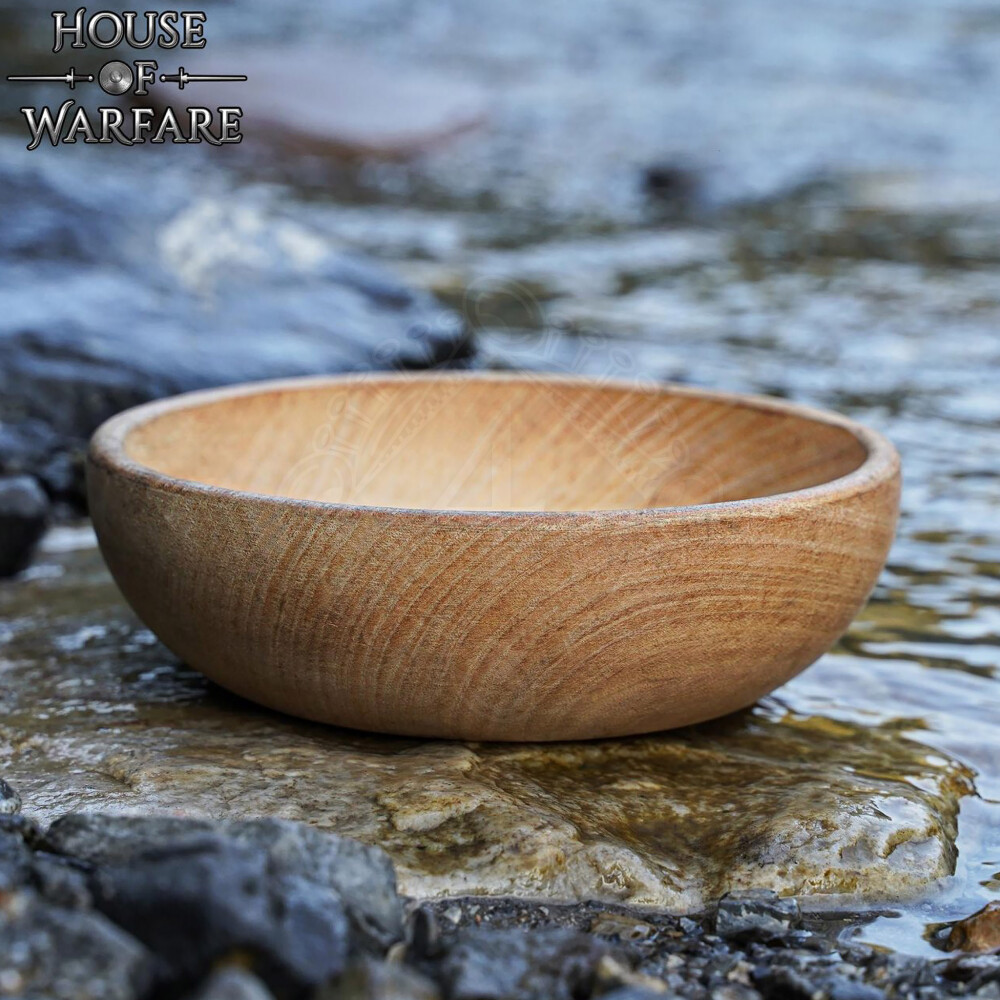
Its gently curved sides flow into a stable base, while the smoothly finished rim is comfortable to hold. The bowl is large enough for a generous individual portion but remains lightweight and easy to carry. It can be stored conveniently in a camp chest, basket or bag together with the rest of your eating equipment.
Wooden Bowls in the Middle Ages
Wooden bowls, plates, cups and spoons were among the most common types of European tableware for many centuries. They were used in antiquity, throughout the Viking Age and across the medieval period. Wood was widely available, relatively easy to shape and less likely to shatter when dropped than pottery. Similar vessels were used for porridge, pulses, soups, grain dishes, meat, fruit and bread.
This bowl is not an exact reproduction of a particular archaeological find, and acacia was not a typical timber of medieval northern Europe. Its simple turned form nevertheless resembles the general appearance of historical wooden vessels. It is therefore best understood as practical, historically styled tableware for reenactment, LARP and themed dining.
Preparing and Using the Bowl
Before first use, wash the bowl by hand in lukewarm water with a small amount of mild washing-up liquid. Rinse it briefly, dry it immediately with a soft cloth and allow it to finish drying in the open air. To prolong its service life, we recommend treating the surface before regular use with a light coating of food-safe mineral oil or a mixture of mineral oil and beeswax.
The bowl is suitable for rice, porridge, fruit, vegetables, nuts, bread, cold food and moderately warm meals. Do not fill it with boiling food. Prolonged contact with extreme heat, strongly acidic ingredients or very greasy dishes may stain the wood, dry it out or affect the surface finish.
Technical Specifications
| Specification | Details |
|---|---|
| Product type | Wooden eating and serving bowl |
| Material | Solid acacia wood |
| Colour | Natural honey to pale brown |
| Surface | Smoothly finished with visible natural grain |
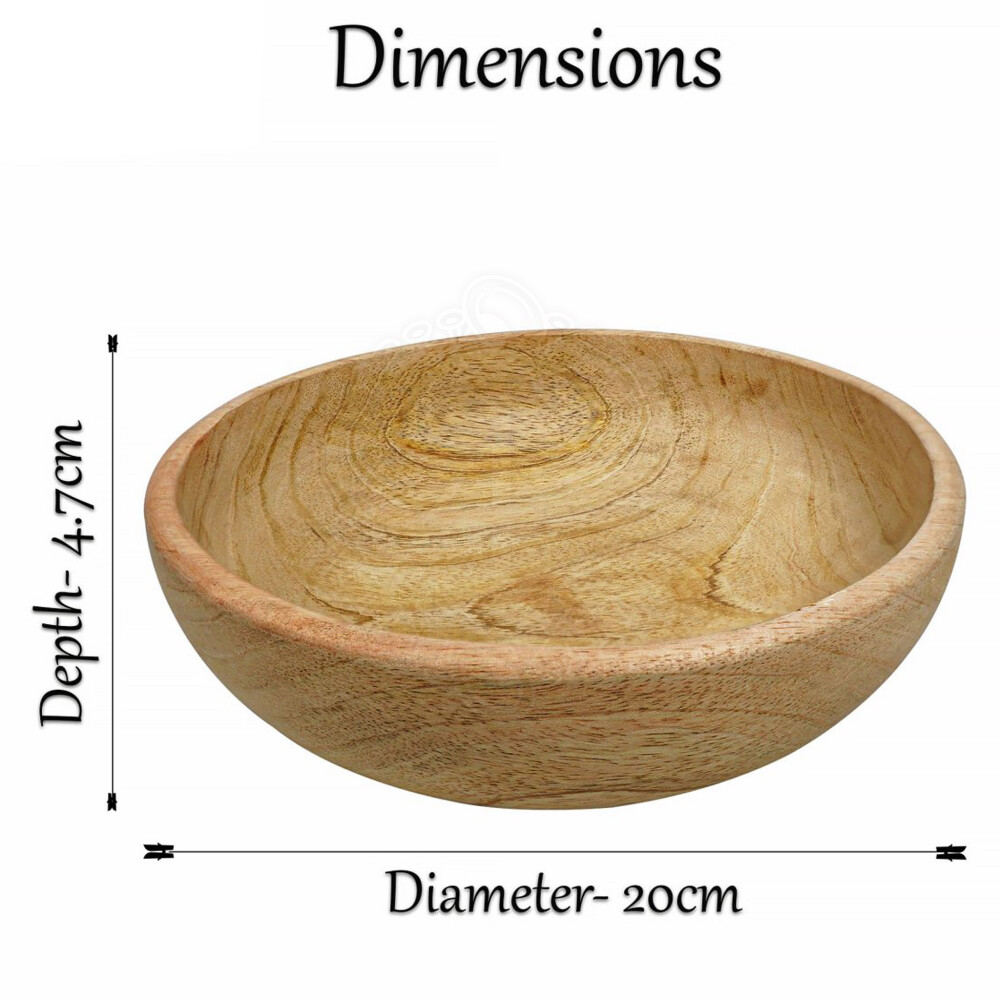
| Overall diameter | Approx. 7.9 in / 20 cm |
| Overall height | Approx. 1.9 in / 4.7 cm |
| Shape | Round, low and gently curved |
| Suitable for | Dining, serving, reenactment, LARP, medieval events and rustic decoration |
| Suitable foods | Porridge, rice, fruit, vegetables, bread, nuts and cold or moderately warm food |
| Cleaning method | Hand wash only |
| Product character | Hand-finished item made from a natural material |
As the bowl is made from natural wood and finished by hand, its dimensions, colour, grain, surface texture and minor details of shape may vary slightly from one piece to another.
Care and Safe Use
- Wash the bowl by hand only, using lukewarm water and mild washing-up liquid.
- Do not soak it or leave it filled with liquid for extended periods.
- Dry it immediately after washing and allow it to air-dry completely.
- Do not place it in a dishwasher, microwave oven or conventional oven.
- Keep it away from naked flames, hot hobs and strong sources of heat.
- Treat the wood periodically with a light coat of food-safe mineral oil or beeswax.
- Do not use olive, sunflower or other ordinary cooking oils, as they may eventually turn rancid.
- Avoid harsh chemicals, wire wool and abrasive cleaning pads.
- Stop using the bowl if it becomes cracked, splintered or develops a sharp damaged edge.
- Do not use it for prolonged storage of raw meat, fish or other foods requiring strict hygienic control.
Recommended Accessories
- Wooden spoon inspired by Viking Age and medieval finds for use without scratching the bowl.
- Rustic historical cutlery in a 9th–15th-century style for camps and medieval dining.
- Wooden cup or tankard for a coordinated historical tableware set.
- Linen napkin suited to medieval dining and useful for protecting the bowl during transport.
- Food-safe mineral oil or beeswax for regular care and protection against drying.
- Leather or linen cutlery pouch for carrying your eating equipment to LARP and reenactment events.
We are here for you!