 Čeština
 Deutsch


Hand-Forged Riveting Pliers for Chainmail Armour
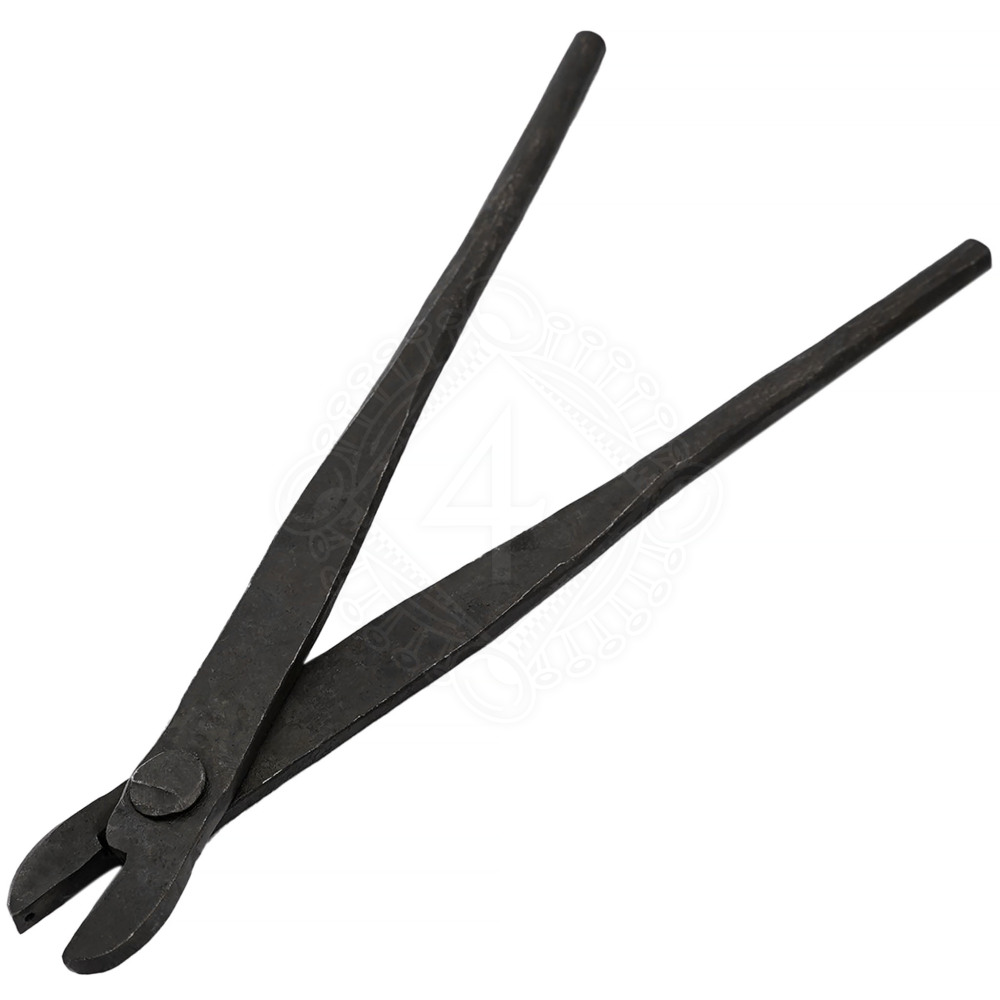
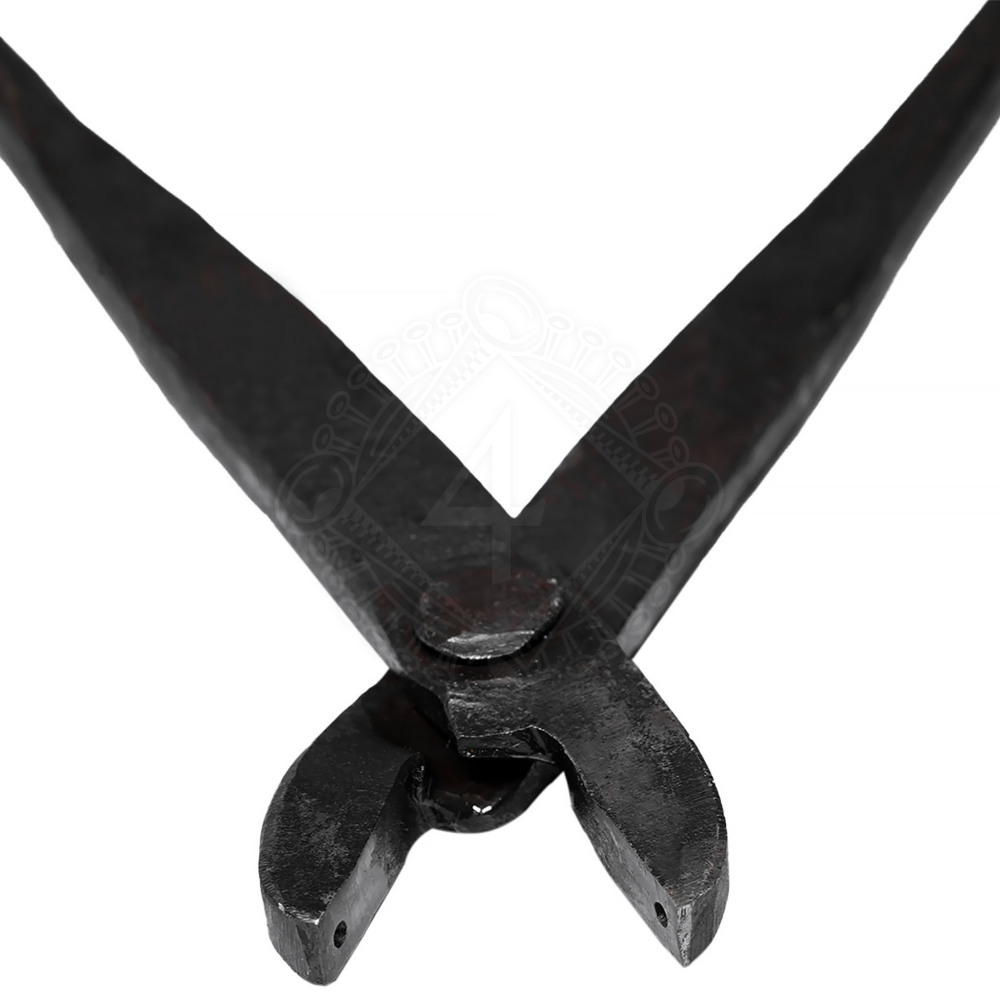
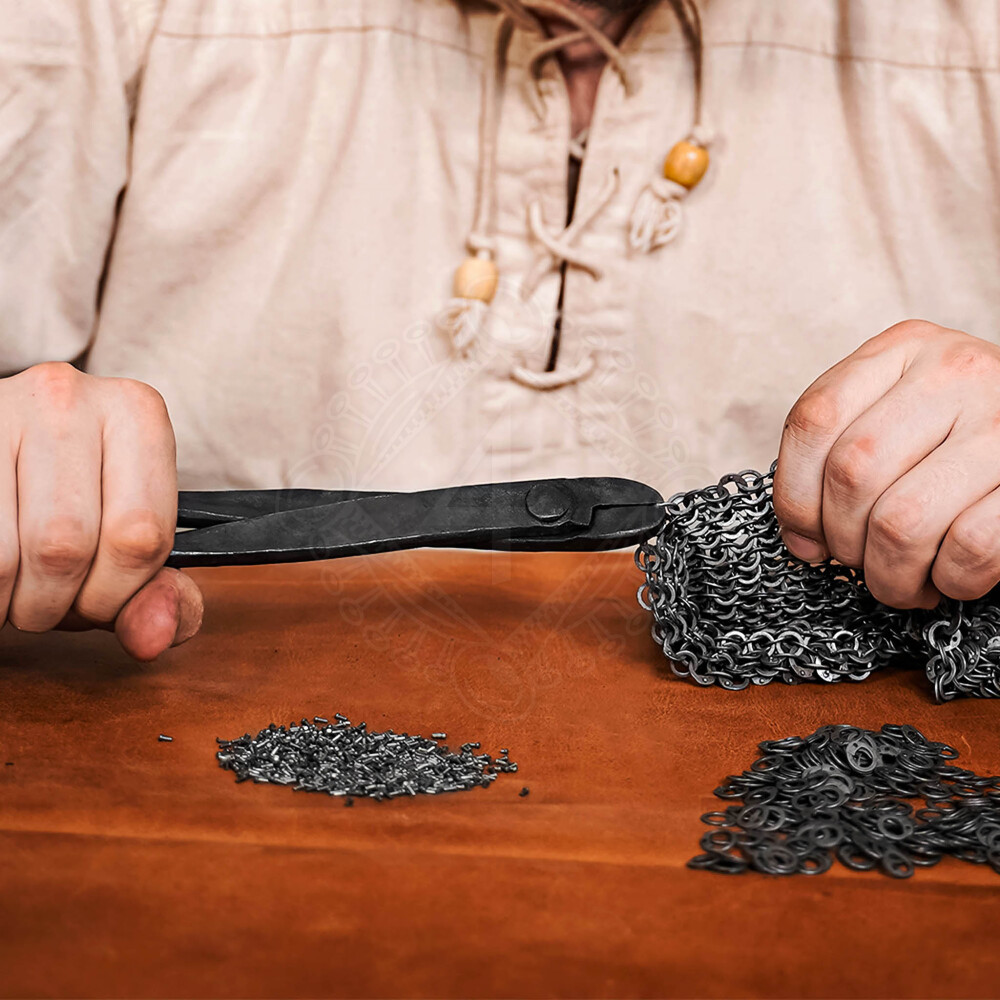
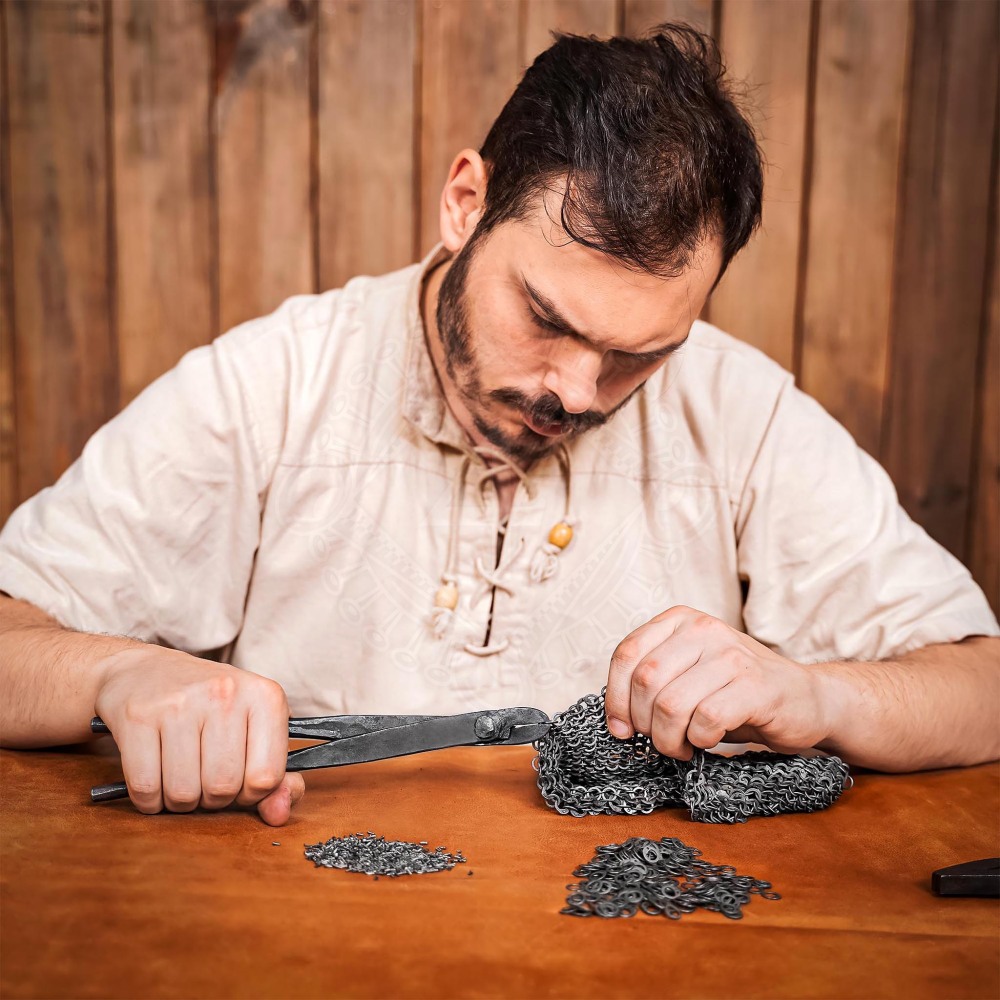
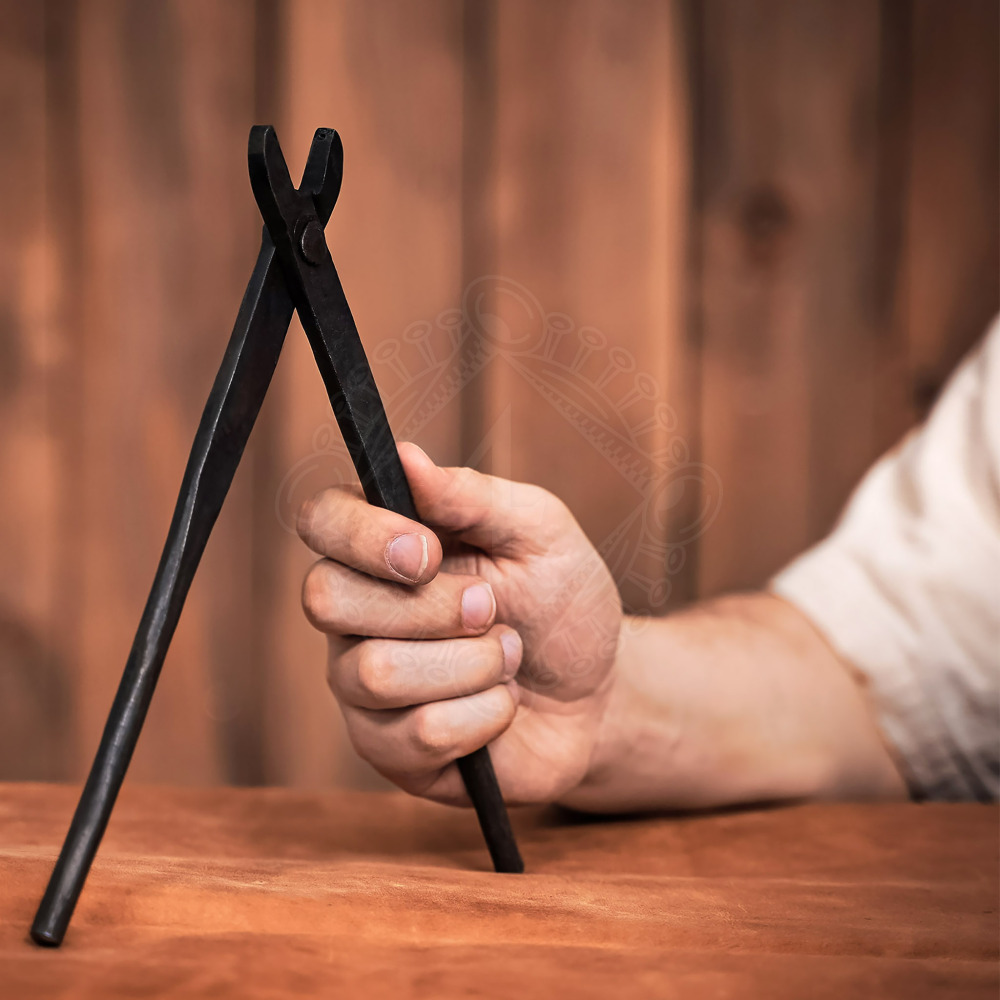

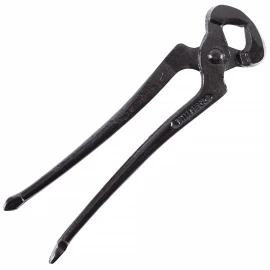
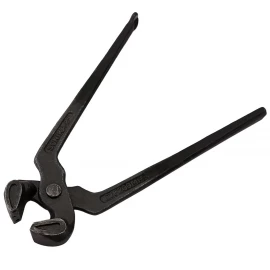
Embark on making or repairing your own chainmail armour with these hand-forged riveting pliers. Designed specifically for working with rings and round-head rivets, they are an essential tool for anyone involved in historical crafts, reenactment, or LARP. Thanks to their solid construction, you're getting a reliable partner for creating authentic and durable mail armour. Further product information ...
Would you like to be notified as soon as the item is in stock?
You will receive a short e-mail as soon as we have it back in stock.
Hand-Forged Riveting Pliers for Chainmail Armour
Functional Design for Precise Riveting
These pliers are hand-forged from steel, giving them not only a period-correct look but also the necessary strength for the job. Their jaws are specially shaped for riveting chainmail: one jaw has a small divot to securely seat the round head of the rivet, while the other jaw has a hole for the rivet shank to pass through. This design allows you to firmly squeeze the riveted ring and prepare the shank for the final peening with a hammer.
How to Make Your Own Chainmail
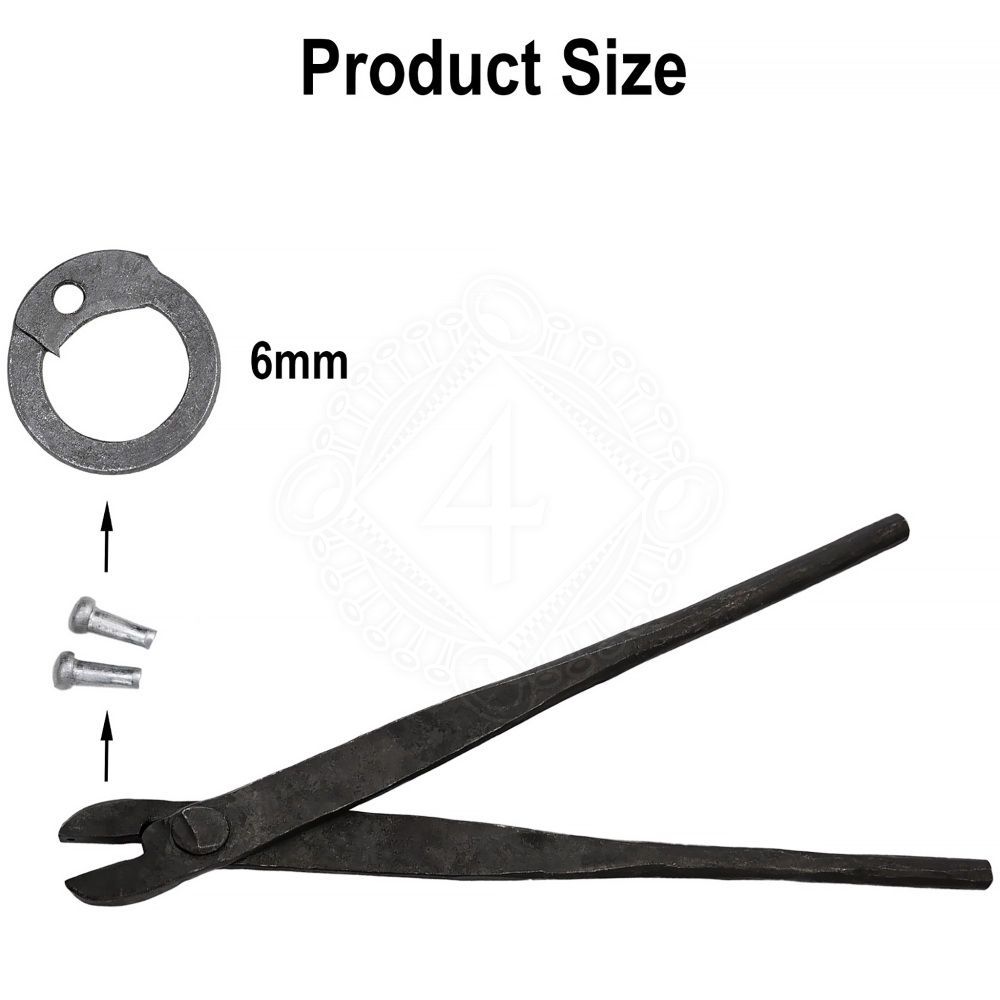
With these pliers, the process of riveting rings becomes much more manageable. They are ideal for working with flat riveted rings and corresponding round-head rivets (recommended size 6 mm). The process is straightforward:
- Weave an open riveted ring through the rings you wish to connect.
- Insert a rivet into the small hole in the ring's overlapping ends.
- Grasp the connection with the pliers so that the rivet head fits into the divot in the jaw.
- Squeeze firmly—this step secures the rivet in place.
- Finally, peen the rivet's shank, which protrudes through the hole in the other jaw, using a small hammer on a solid surface.
This makes the tool indispensable for anyone wanting to craft their own chainmail shirt (hauberk), coif, gauntlets, or any other piece of riveted armour.
Riveted Armour in History
The creation of chainmail was a highly specialized craft in the Middle Ages. Armourers, known as "mail-makers," spent countless hours meticulously linking thousands of individual rings. Each ring had to be individually riveted to provide the best possible protection against slashing and piercing weapons. It was this riveting process that distinguished high-quality, reliable armour from cheaper but less secure "butted" mail.
Fun Fact: The Strength of a Rivet
Why was riveted mail so superior? While simple butted rings could be forced open by a strong blow, a riveted ring formed a solid, closed loop. This dramatically increased the armour's resilience and the wearer's chance of survival in battle. An investment in riveted mail was an investment in one's own life.
Care for Your Forged Tool
As these pliers are made of steel, it's important to protect them from corrosion. Keep them dry. After use, clean off any dust and debris. For long-term storage, it is recommended to lightly coat them with a thin layer of oil (such as linseed, mineral, or gun oil) to prevent rust and maintain their functionality.
Product Specifications
| Material | Hand-Forged Steel, Blackened Finish |
| Total Length | Approx. 26.5 cm / 10.4 in |
| Intended Use | Riveting Chainmail Rings (6 mm recommended) |
| Hole Diameter for Rivet Shank | Approx. 2.2 mm |
| Divot Diameter for Rivet Head | Approx. 2.5 mm |
| Weight | Approx. 440 g / 15.5 oz |
We are here for you!