
 Čeština
 Deutsch


Childhood in the Middle Ages: How Did the Children of Our Ancestors Spend Their Days?
 Interesting facts of the past
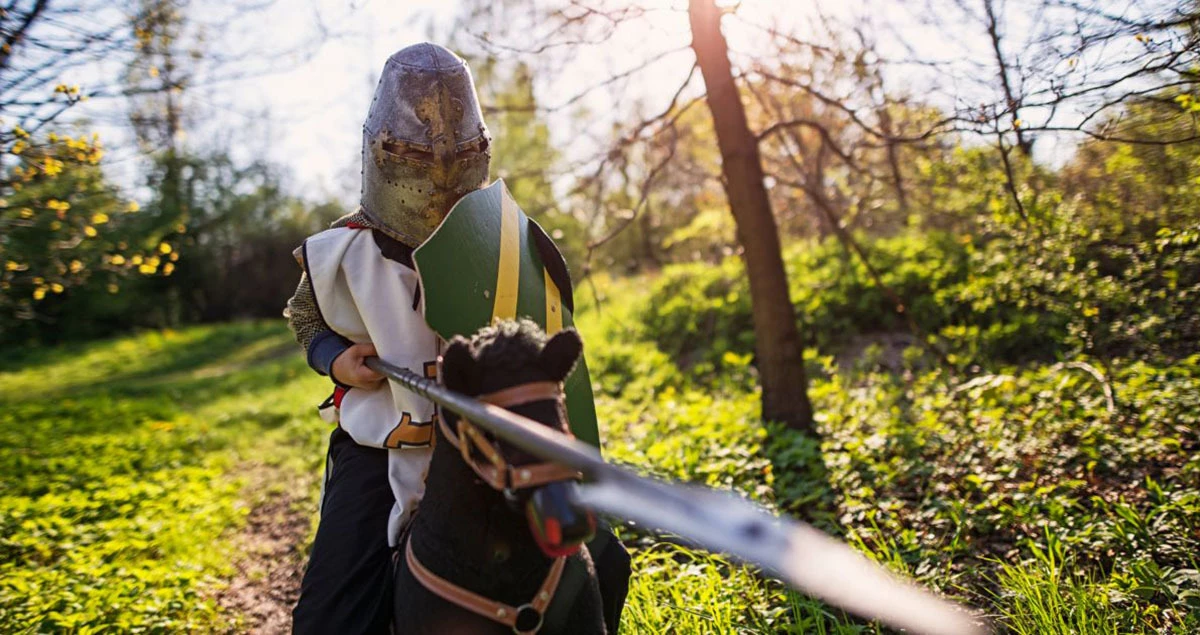
Childhood in the Middle Ages was far from carefree. Children were expected to help around the house, learn a trade, or even handle weapons – danger was part of everyday life. Still, like children in every era, they found ways to play and build their own imaginary worlds. Let’s take a look at what life was like for them.
Contents
What Was Childhood Like Back Then? No Fairy Tale, No Nightmare Either
Compared to today, medieval childhood and adolescence lasted only a blink of an eye. Girls were considered adults at twelve, boys at fourteen.
By the age of seven, children were already expected to pull their weight at home, though much depended on the family’s social standing.
DID YOU KNOW... Child mortality in the Middle Ages reached up to 50%. Only half of all children made it to adulthood, and about a third died as infants. War, disease, the lack of food, and poor hygiene were constant threats. But if you beat the odds, you could easily live into your fifties or even sixties, quite a feat for the time!
Children of peasants helped on the farm or at home, while noble offspring were trained early to fulfil their “noble duties.”
Old history books used to claim that medieval kids were seen merely as “little adults.” Modern research is a bit kinder, suggesting that medieval kids were also loved and, after chores, they even had some time to play. Not as much time as today’s kids, but still.
Medieval Toys
Despite the harsh living conditions, medieval kids did play with toys – we know it from a few surviving records and archaeological finds. Their toys often mirrored the adult world. Boys played with wooden swords, miniature knights, and tiny horses.
Girls kept busy with dolls made from clay or scraps of old cloth, and of course, they played in the kitchen or practiced cooking in pots (because you had to start very young). Other toys included whistles, drums, balls, marbles, dice, skittles (nine pins), and spinning tops.
Even babies weren’t left out. They had rattles – not just for fun, but also to scare away evil spirits.
DID YOU KNOW... If you’d like to see real historical toys in person, visit the Museum of Childhood in London – their collection spans centuries of play!
Education in the Middle Ages – a Privilege for the Few
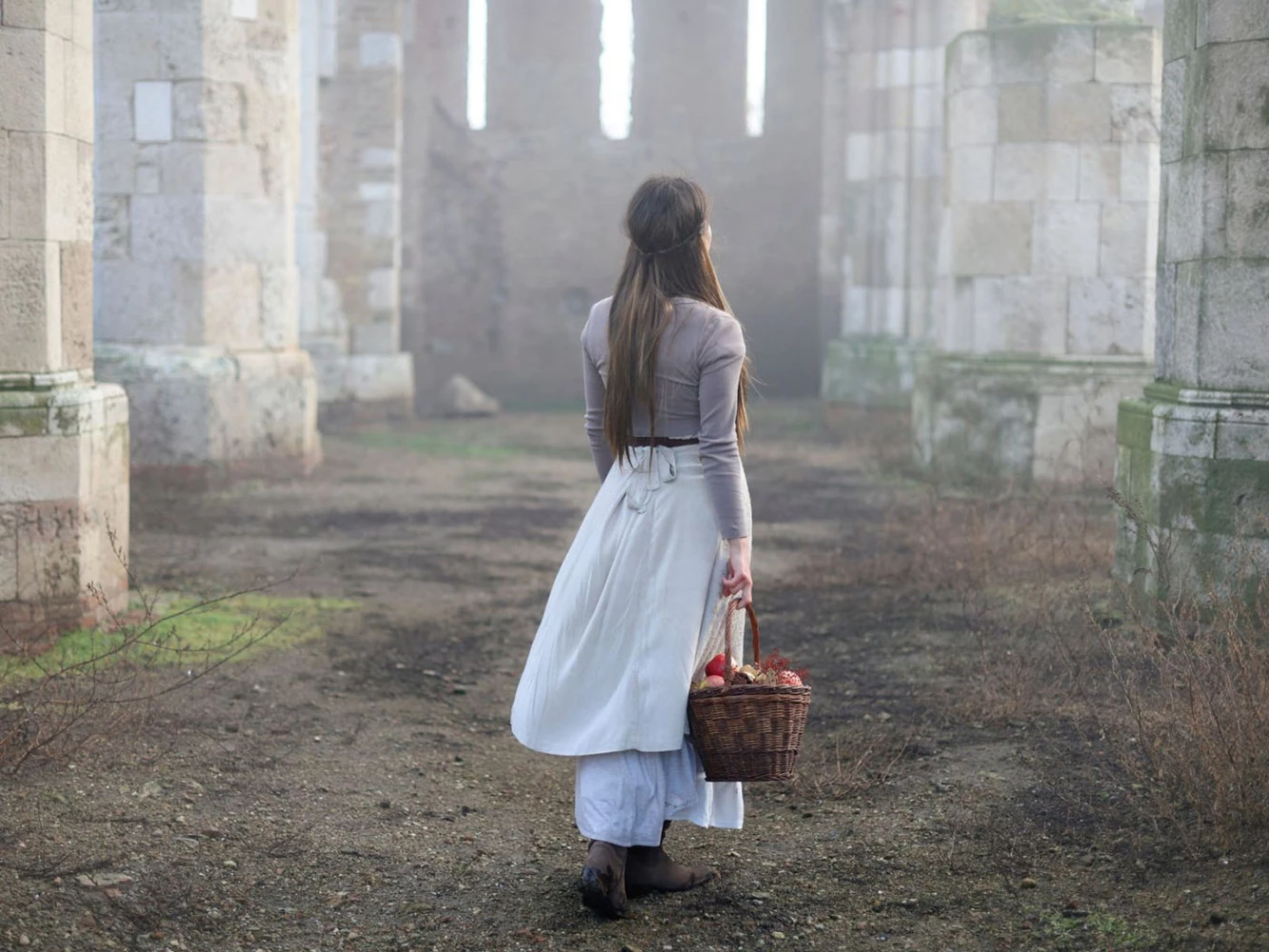
The level of education a child received depended entirely on their social status. Village children learned practical skills from their parents or masters of a trade. They heard about religion in church, but most children never learned to read or write.
With the growth of towns and guilds, schools began to appear for the sons of merchants. They learned to read, write, and count – still a privilege reserved for the few or for those preparing for a clerical career.
But even children of noble birth had strict expectations. Girls were taught handcrafts, domestic care, piety, and obedience to their future husbands – after all, one of the main tasks of a woman was to marry well.
Boys prepared for roles as warriors, politicians, or heirs. Many were sent to relatives’ courts to learn the duties of nobility and proper manners.
A well-known example is Charles IV (1316–1378), Holy Roman Emperor and a king of Bohemia, who spent much of his childhood at the French court of his uncle, Charles the Fair. There he received his name, Charles (originally, he was called Wenceslaus).
DID YOU KNOW... The first European schools appeared in monasteries and cathedrals during the early Middle Ages. They focused on grammar, reading, writing, and Latin prayers, and the best students could continue to cathedral or university schools.
Child Labour Was a Normal Part of Life
“Carefree” childhood ended quickly in the Middle Ages. Peasant children worked in the fields or tended animals, town children learned crafts, and noble children trained for war or leadership.
Child labour wasn’t considered cruel – it was simply a natural and necessary part of life. The truly harsh images of children forced into exhausting labour come from much later, mainly the 18th and 19th centuries.
In the Middle Ages, while children worked hard, they also often received a reward for their help.
Wise parents and landowners knew that overworking their own children would be counterproductive, because healthy grown children were a much more valuable help for the household and the estate.
Step Into the Medieval World with Outfit4Events
Though centuries have passed, many old games and pastimes haven’t lost their charm.
If you have a soft spot for carved figurines, medieval-style tableware, or medieval costumes and toy swords, you can easily bring a touch of the Middle Ages into your home.
Explore our sword replicas and step into medieval shoes yourself – no time machine needed.
 Share
Share
 Share
Share
 Tweet
Tweet
Comments