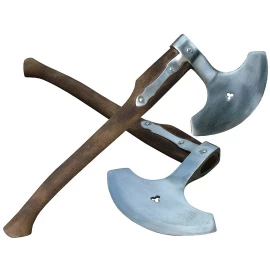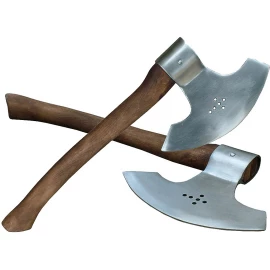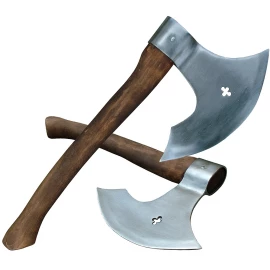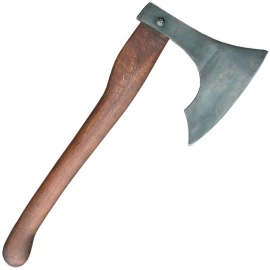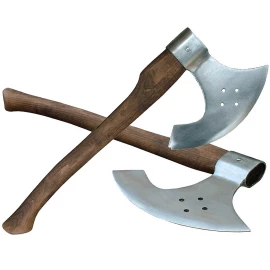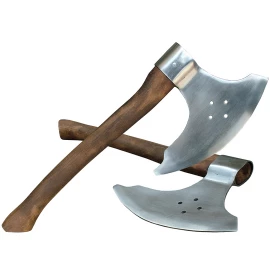

Medieval Steel Hunting Axe
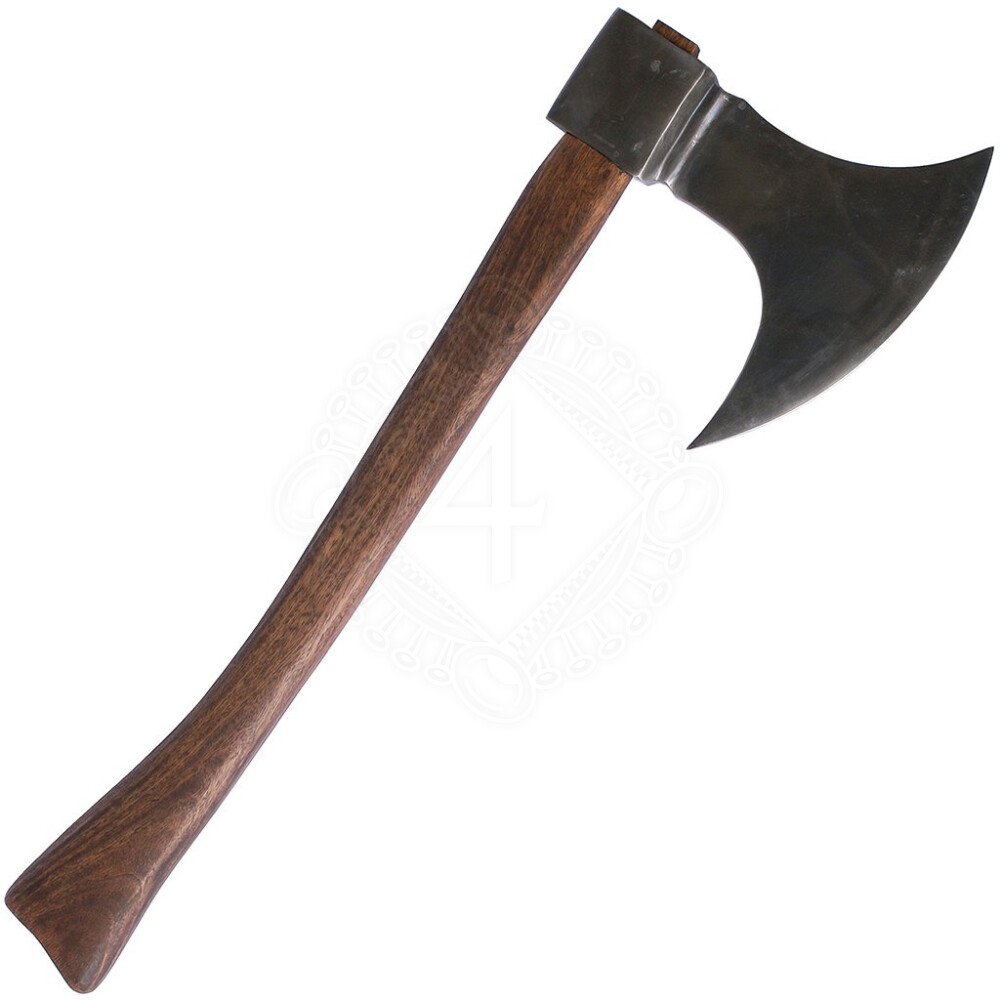
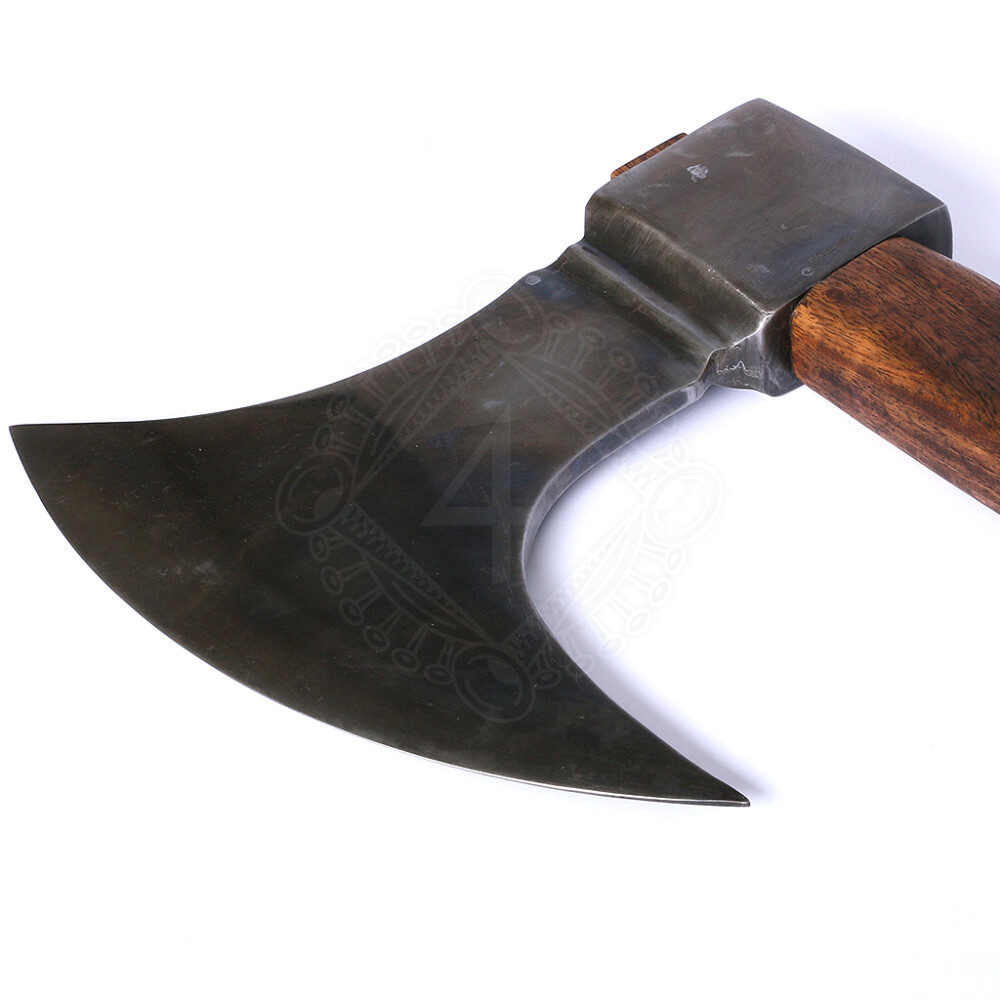
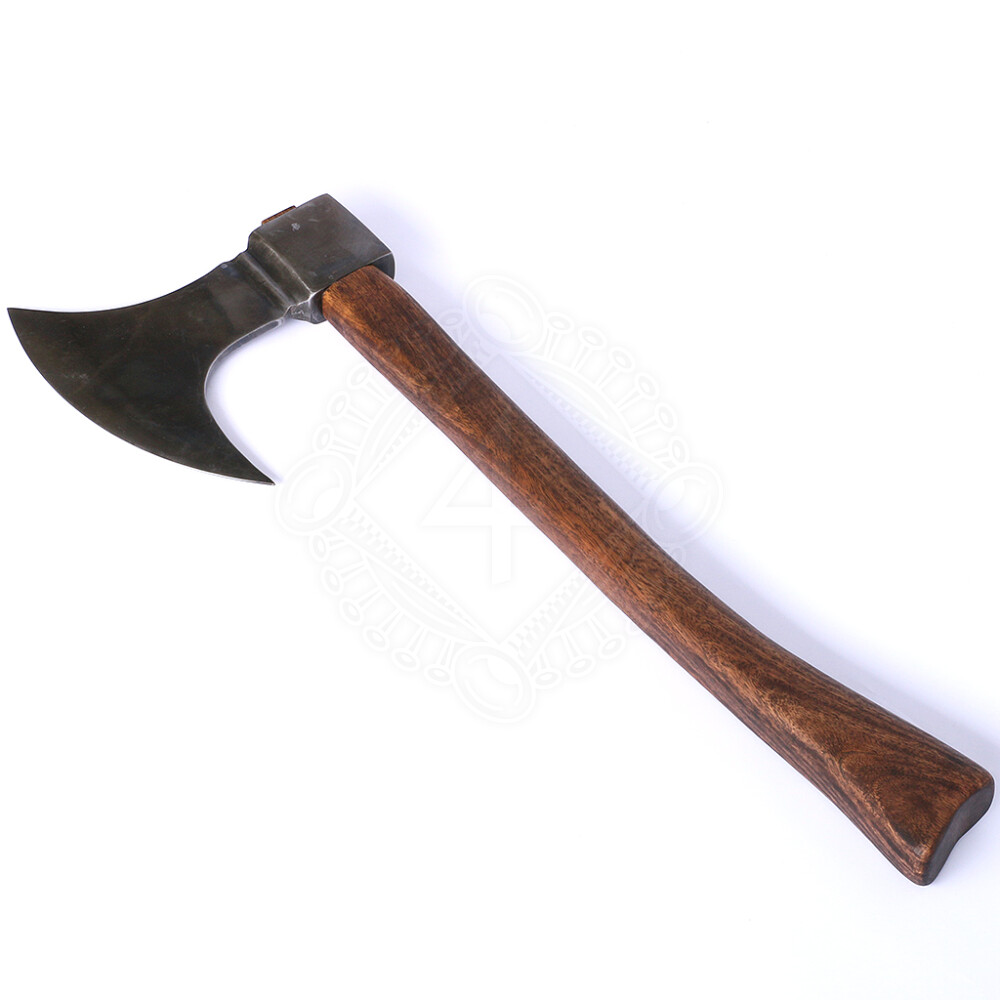
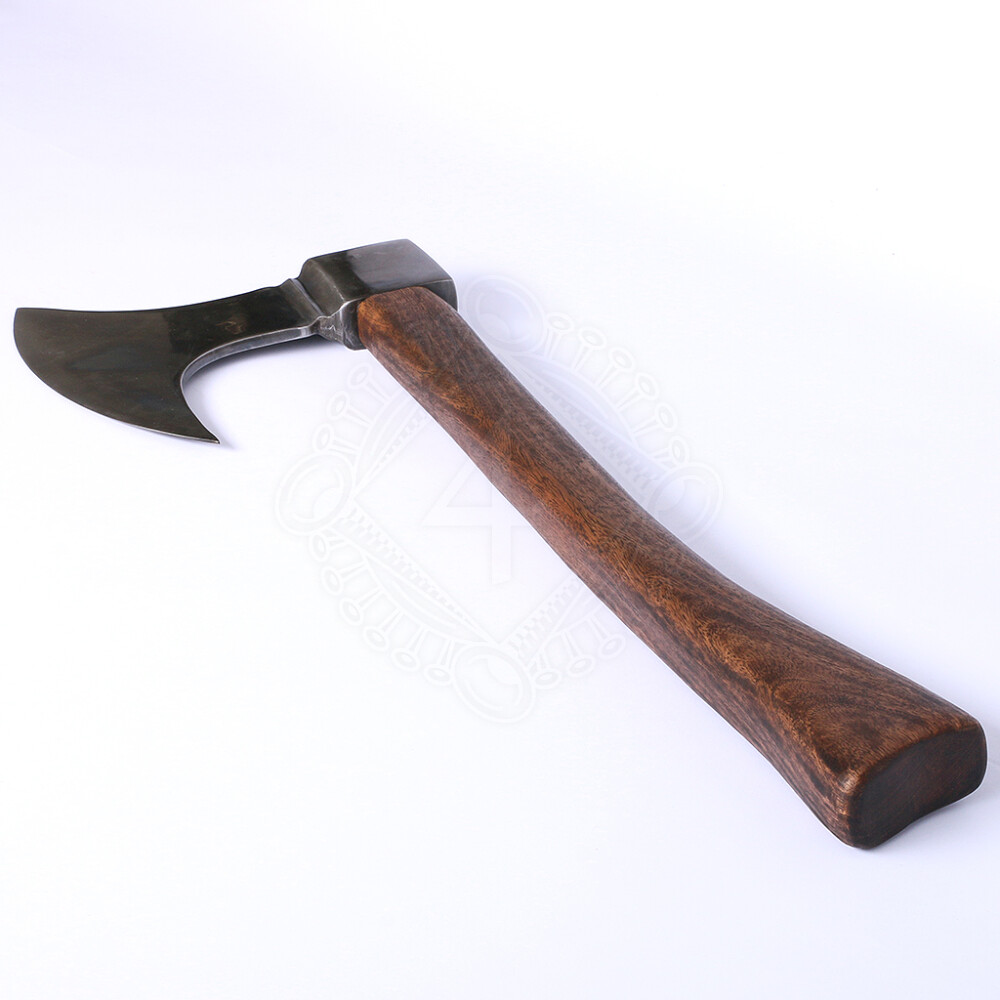
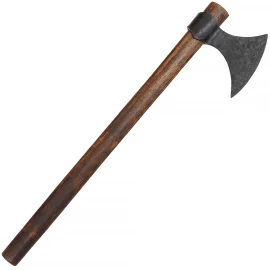
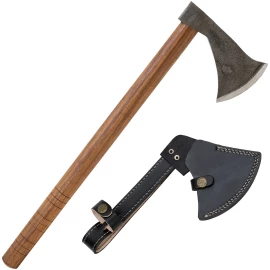
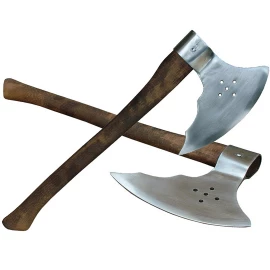
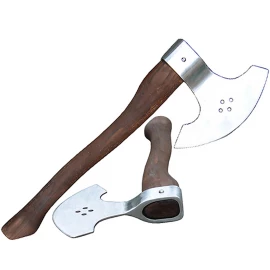
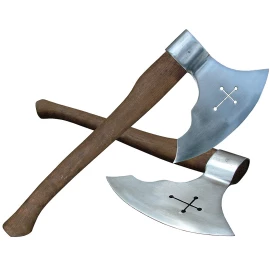
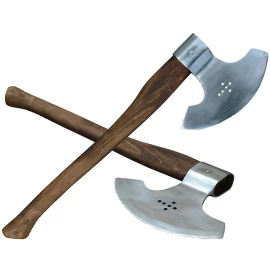
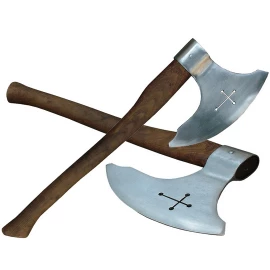
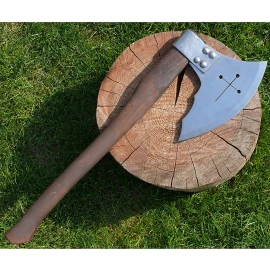
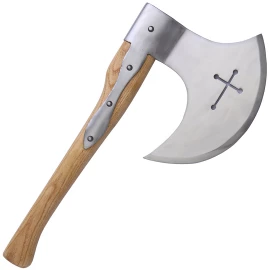
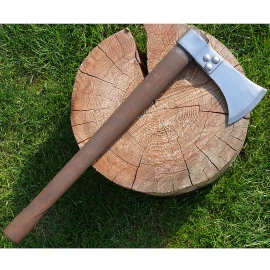
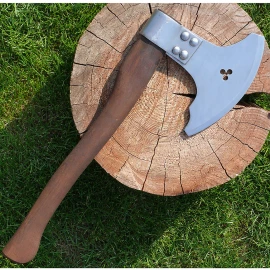
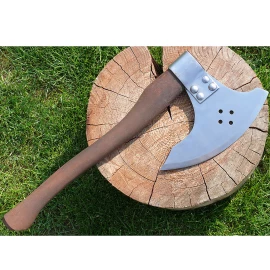
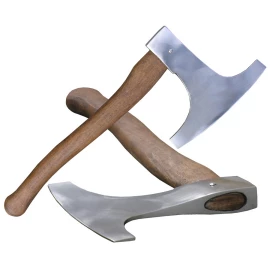
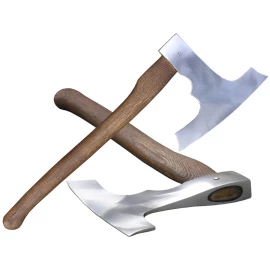
Are you considering how to enrich your collection of bladed weapons, or looking for the perfect accessory for your medieval hunter costume? This majestic broad-bladed hunting axe is exactly what your historical camp needs. Its robust high-carbon steel head and precisely shaped hardwood shaft exude the raw beauty of the European Middle Ages. Whether you are preparing for a historical festival, LARP, or simply desire an authentically styled decorative piece for your armoury, this tool will impress you with its honest craftsmanship. Immerse yourself in the fascinating world of medieval hunting with a replica that confidently pays homage to the old master smiths. Further product information ...
Would you like to be notified as soon as the item is in stock?
You will receive a short e-mail as soon as we have it back in stock.
Medieval High Carbon Steel Hunting Axe of Count Gaston
Historical Context and the Master of the Hunt
The concept of this weapon is rooted in the 14th century and is crafted in honour of Count Gaston III of Foix. This famous nobleman, renowned under the moniker Phoebus, entered history as the author of one of the most significant medieval works on hunting, the Livre de Chasse. In the High Middle Ages, hunting axes like this one served well in many of the hunter's activities during his time in nature. They are suitable, for example, for chopping the carcass, removing the hide, but also for cutting through thicker bones. Last but not least, this axe can help with clearing smaller undergrowth.
Anatomy of the Axe: The Story of One of Humanity’s Oldest Weapons
Construction and Technical Details
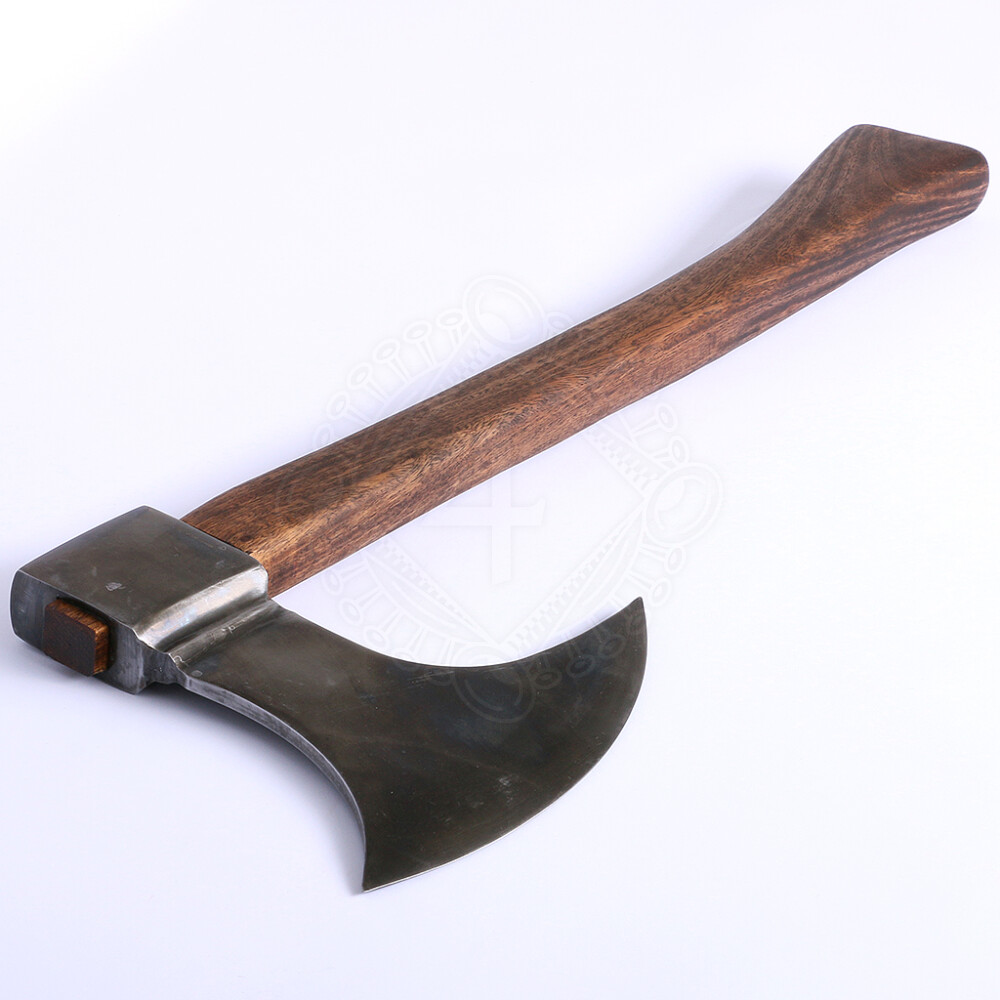
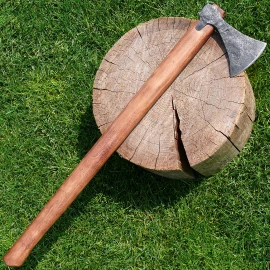
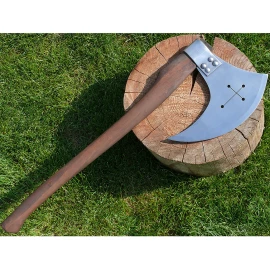
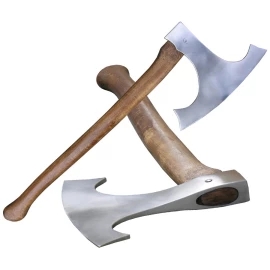
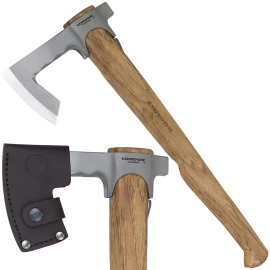
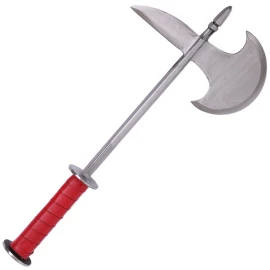
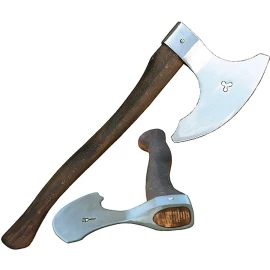
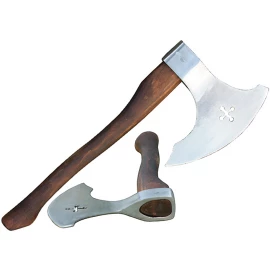
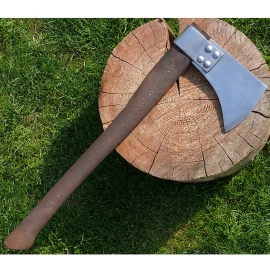
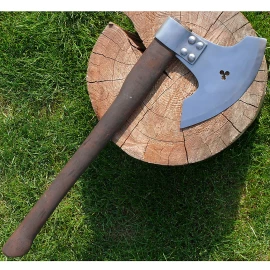
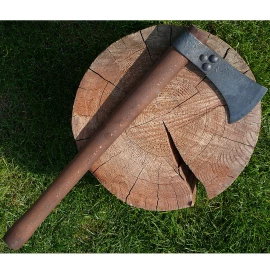
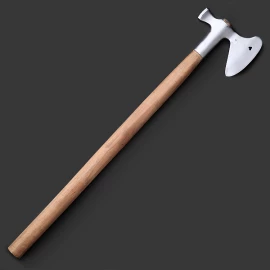
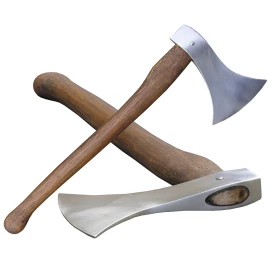
The imposing steel head holds firmly on the shaft. The head of the axe (also called a wedge or blade) is made of high-carbon steel. This effective, lethal hunting axe has a solid hardwood shaft. The axe is mounted on the shaft and fixed to it with two pins (not a wedge). The shape of the shaft widens towards the end, which minimises the risk of the axe slipping out of the hunter's hand, e.g., when riding a horse.
Safety Warnings and Practical Use
Although the tool appears at first glance to be a fully functional weapon, we must warn you: This is only a decorative object, unsuitable for real use! The weapon lacks the special tempering necessary to absorb heavy impacts. For safety reasons, it is a decorative item unsuitable for practical use, and it cannot be recommended for historical fencing, battles, etc.. Never strike hard materials with it and do not use it for person-to-person contact combat, as this could result in your injury or irreversible damage to the blade.
Care and Recommended Accessories
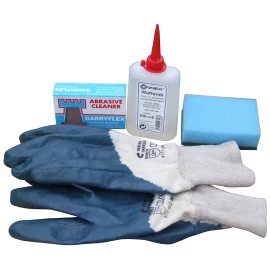
So that your new pride and joy does not suffer from the ravages of time, it is essential to regularly conserve the surface of the high-carbon steel with a thin layer of gun oil, which will reliably prevent surface corrosion. The wooden shaft will appreciate occasional treatment with linseed oil or beeswax. We recommend you acquire a sturdy leather belt frog and a custom hand-stitched leather edge protector for this axe, which should visually correspond to the historical realities of the 14th century to complete your overall appearance.
Table of Technical Parameters
| Head Material: | High-carbon steel |
| Shaft Material: | Hardwood |
| Total Shaft Length: | cca 600 mm / approx. 23.6 inches |
| Shaft Profile (widened lower part): | cca 73.3 x 37.3 mm / approx. 2.89 x 1.47 inches |
| Axe Head Length: | cca 218 mm / approx. 8.58 inches |
| Blade Edge Length: | cca 223 mm / approx. 8.78 inches |
| Blade Thickness: | cca 6.8 mm / approx. 0.27 inches |
| Edge Thickness: | cca 0.5 - 1.5 mm / approx. 0.02 - 0.06 inches |
| Shaft Collar Thickness: | cca 30 mm / approx. 1.18 inches |
| Method of Fixation: | Mounted and fixed with two pins |
| Weight: | cca 2050 g / approx. 4.52 lbs |
| Product Quality: | Top brand quality from Windlass Steelcrafts® |
The technical data listed above may vary slightly from piece to piece.
We are here for you!