Čeština
 Deutsch


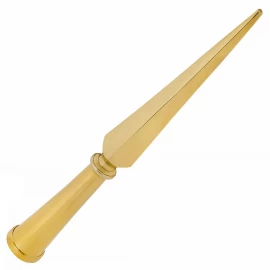
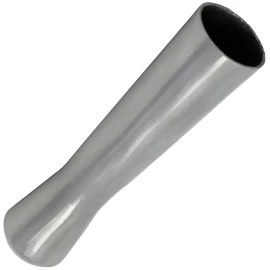
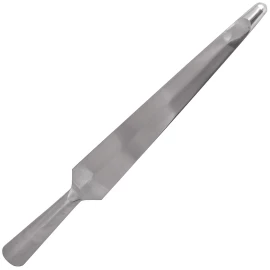
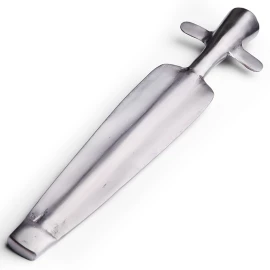
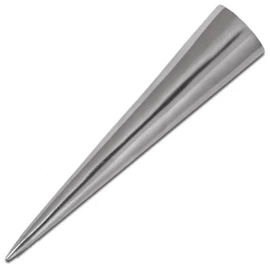
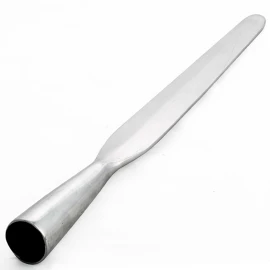
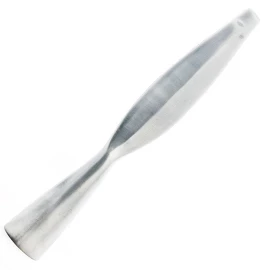
Medieval Steel Spear Butt Cap with Flat End


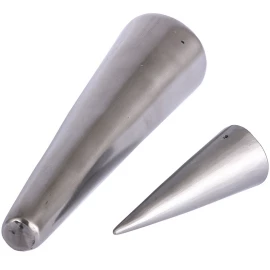
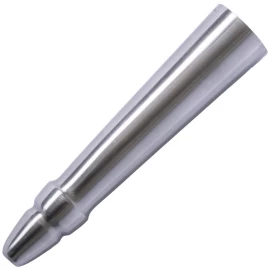
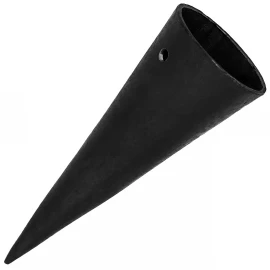
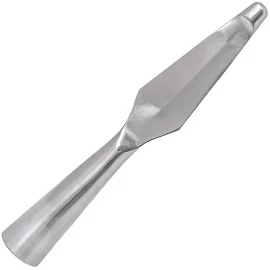
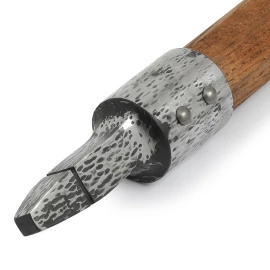
Complete your polearm with a durable steel spear butt cap designed to protect the lower end of the wooden shaft, improve its balance and provide a steadier base when the spear is placed upright. Its long tapered socket and polished finish create a clean, historically inspired appearance suitable for medieval reenactment, LARP, theatre, light stage combat and display. The rounded flat end keeps the bare wood away from damp or abrasive ground and gives your finished spear a practical, visually balanced termination. Further product information ...

 Delivery options
Medieval Steel Spear Butt Cap with Flat End
Protection and Balance for a Spear Shaft
A spear butt cap, also known as a spear shoe, shaft ferrule or butt ferrule, fits over the lower end of a wooden pole. Its primary purpose is to reduce wear, splitting and moisture damage where the shaft repeatedly touches the ground. The added steel at the opposite end from the spearhead may also act as a counterweight, helping a long polearm feel more evenly balanced in the hands.
This model has an elongated tapered socket, a stepped decorative collar and a short blunt terminal. Unlike a pointed butt spike, its flat-ended form is particularly suitable for display pieces, costume equipment, theatrical props, LARP and controlled light practice. The polished mild-steel surface gives the fitting a bright metallic appearance. Minor variations in shape and finish may occur as a natural result of hand finishing.
Historical Background
Metal ferrules and butt fittings were known in antiquity and continued to be used throughout the medieval period. In Europe, they appeared on spears, javelins, cavalry lances and some banner poles. Their construction varied according to place, date and function. Pointed examples could serve as a secondary spike, while blunt or flat-ended fittings were mainly intended to reinforce the shaft and protect it from damage.
The shape of this fitting is broadly inspired by functional European shaft ferrules used between the 11th and 15th centuries. It is not presented as an exact replica of one particular archaeological find, but as a versatile historically styled component for medieval equipment.
Fitting the Butt Cap
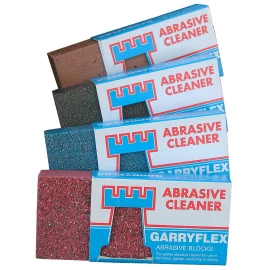
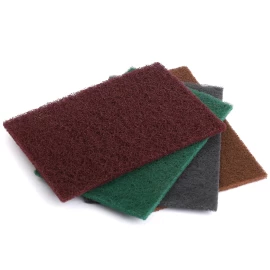
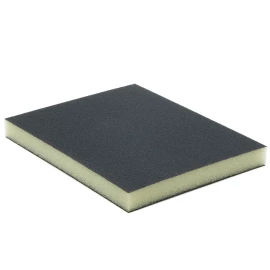
Begin by measuring the lower end of your shaft. Gradually taper the wood with a rasp, file or abrasive paper until it enters the socket as deeply as possible. The fitting should sit straight and firmly without excessive play. Do not hammer it forcefully onto an oversized shaft, as this may split the wood or deform the socket.
- Test-fit the cap dry and check that it aligns with the shaft.
- Remove dust, grease and loose wood fibres from the joining surfaces.
- For permanent installation, use a high-quality two-part epoxy suitable for wood and metal.
- Wipe away excess adhesive and allow it to cure fully before handling the spear.
- Do not drill through the ferrule unless you have suitable metalworking experience and have confirmed that the hole will not weaken the fitting or shaft.
Technical Specifications
| Specification | Details |
|---|---|
| Product type | Spear butt cap / shaft ferrule |
| Historical style | Medieval, approximately 11th–15th century |
| Material | Mild steel |
| Finish | Polished |
| Overall length | 14 cm / 5.5 in |
| Socket depth | 10.5 cm / 4.1 in |
| Internal socket diameter | 2.8 cm / 1.1 in |
| Shape | Tapered socket with a flat blunt end |
| Recommended use | LARP, theatre, light practice, reenactment and display |
| Wooden shaft | Not included |
Care and Safe Use
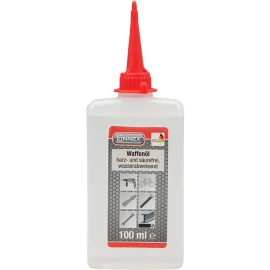
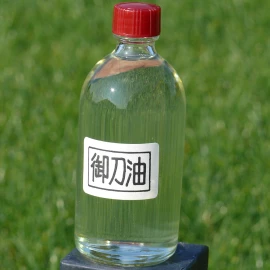
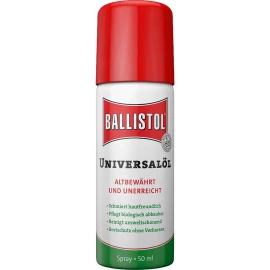
After use, wipe the fitting with a dry cloth to remove moisture, dust and dirt. Apply a light coating of mineral oil, gun oil or another suitable metal preservative at regular intervals. Store it in a dry place and avoid leaving it in contact with wet soil, grass or damp leather. Mild steel may gradually develop a natural patina, but it can also rust when left unprotected.
Before every use, check that the butt cap remains firmly attached and does not move on the shaft. Do not support your full body weight on the spear, especially on a smooth floor where the flat end may slip. This fitting is not intended for buhurt, full-contact fighting or heavy impacts against hard targets. Use the completed polearm only in a controlled area with sufficient distance from other people. Minor differences in finish and shape are normal in a hand-finished steel component.
Recommended Accessories
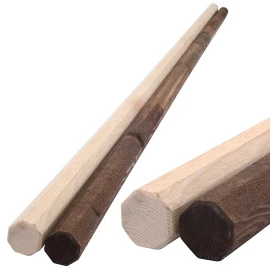
- Ash spear shaft of a suitable diameter for an 11th–15th-century polearm.
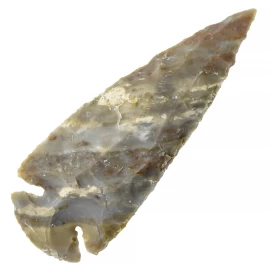
- Medieval spearhead selected to match the particular period and type of portrayal.
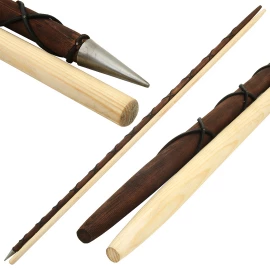
- Leather or textile grip wrapping for improved handling during LARP or stage use.
- Protective metal oil and a soft cotton cloth for routine maintenance.
- Two-part epoxy adhesive suitable for securely bonding steel to wood.
We are here for you!